Listen to this article
The Bank of England Interest Rate Policy plays a pivotal role in shaping the financial landscape of the UK, influencing everything from home loans to borrowing costs. As the central bank, the BoE’s decisions on interest rates directly affect mortgage rates, making it essential for prospective homebuyers and homeowners to stay informed. A shift in interest rates can lead to significant changes in the affordability of loans, impacting not just payments on existing mortgages but also the overall housing market. In this article, we’ll explore how the Bank of England’s interest rate adjustments affect your financial decisions and strategies when navigating your home loan journey. Understanding these dynamics is crucial for ensuring financial stability in an ever-evolving economic environment.
The policies set forth by the Bank of England regarding interest rates are fundamental in determining the borrowing landscape in the UK. Known primarily for its role as the central monetary authority, the Bank significantly influences the cost of loans, including mortgages, through adjustments to the base rate. Changes to this key rate can alter the dynamics of the housing market, making it either more or less expensive to secure a home loan. As we delve deeper into the mechanics of how these rate changes impact both current homeowners and new buyers, we’ll clarify how understanding this policy is essential for strategic financial planning. Being aware of how these factors work together can empower you to make informed decisions in your quest for financial security.
Understanding the Impact of Bank of England Interest Rate Policy
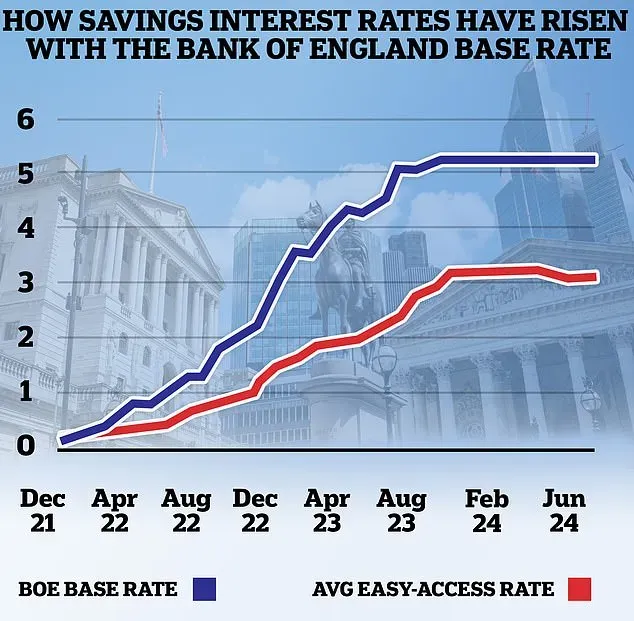
The Bank of England’s interest rate policy plays a pivotal role in shaping the economic landscape of the UK. By adjusting the official Bank Rate, the central bank influences borrowing costs across various sectors, including mortgages. A higher rate typically makes borrowing more expensive, while a lower rate can encourage spending and investment. Home loan seekers must understand that these fluctuations can directly impact their affordability and the options available to them when applying for a mortgage.
As the Bank of England signals changes to its interest rates, it can create a sense of urgency among potential homeowners. If individuals anticipate that interest rates will rise, they may rush to secure a mortgage while rates are still low. This rush can contribute to heightened competition in the housing market, which can drive up property prices even further. Thus, comprehension of the Bank of England’s monetary policies is essential for navigating the home purchasing process.
How Interest Rate Adjustments Affect Mortgage Rates
Interest rate adjustments by the Bank of England have direct repercussions on mortgage rates, significantly influencing how affordable a home loan can be for prospective buyers. When the Bank lowers rates, mortgage lenders often respond by cutting their rates, making home loans cheaper for borrowers. Conversely, when rates increase, lenders may elevate their mortgage rates, leading to higher borrowing costs for those looking to buy or refinance a home.
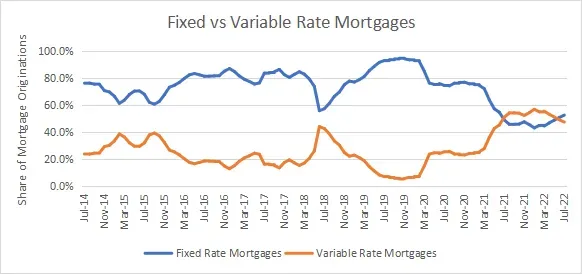
Fixed-rate mortgages are somewhat insulated from immediate changes in interest rates, as borrowers’ payments remain constant for the duration of their loan term. However, individuals seeking to refinance or take out new loans will notice the effects of rate hikes directly on their mortgage terms. Understanding these dynamics helps homeowners and buyers plan effectively, ensuring they take advantage of favorable rates before potential increases.
The Role of Market Psychology in Home Buying
Market psychology is a significant factor influenced by the Bank of England’s interest rate policy. When the central bank hints at rate hikes, potential homebuyers may feel compelled to make quicker purchasing decisions to avoid higher costs. This urgency can lead to increased demand and potentially higher home prices as buyers race to secure financing before rates rise.
Additionally, the sentiments expressed in the media regarding the Bank of England’s decisions can affect consumer confidence. If the outlook on interest rates is positive, it may encourage more purchases, while negative reports could stall homebuying activity. Thus, investors and homebuyers alike must pay attention to the broader economic sentiment surrounding monetary policy to make informed decisions.
Financial Stability and Its Connection to Interest Rates
The Bank of England’s interest rate policy is closely tied to the financial stability of the UK economy. By managing rates, the BoE seeks to mitigate inflation and ensure that borrowing costs do not spiral out of control, which could destabilize the housing market. Factors like robust inflation can prompt the Bank to raise rates, thereby managing economic overheating.
For homeowners, the need for financial stability means staying informed about the potential changes in mortgage rates due to BoE’s policies. If rates rise too quickly, it can put a strain on household budgets, particularly for those already committed to variable-rate mortgages. Understanding this connection helps borrowers prepare for potential financial shifts and adjust their long-term planning accordingly.
Strategic Planning for Future Interest Rate Changes
Navigating interest rate changes requires proactive planning. Homeowners and prospective buyers should assess their financial situations regularly and consider potential shifts in the Bank of England’s rate policy. If rates are forecasted to rise, individuals might think about securing a fixed-rate mortgage or remortgaging to lock in lower rates before increases take effect.
Additionally, monitoring economic indicators such as inflation and employment rates will provide critical insights into future interest rates. Staying informed about these economic trends allows borrowers to make better-informed decisions about their home loans, ensuring they remain financially secure regardless of the inevitable changes in interest rates.
The Benefits of Consulting a Mortgage Advisor
A mortgage advisor can be a valuable resource when navigating the complexities of home loans amid fluctuating interest rates. These professionals have in-depth knowledge of the market and can guide borrowers toward the best mortgage products suited to their financial situations. By understanding individual needs and the current interest rate environment, they can offer tailored strategies to maximize savings.
Moreover, mortgage advisors can provide insights into how the Bank of England’s policies can influence both short-term and long-term borrowing costs. Their expertise allows homeowners and potential buyers to make confident decisions that align with their financial goals, ensuring they are prepared to adapt to any changes in the economic landscape.
Frequently Asked Questions
How does the Bank of England’s interest rate policy affect my home loan?
The Bank of England’s interest rate policy directly influences mortgage rates, which impacts both borrowing costs and monthly payments for home loans. A lower Bank Rate usually means cheaper borrowing and lower mortgage rates, making home loans more affordable. Conversely, a higher rate increases borrowing costs, leading to higher mortgage payments.
What happens to mortgage rates when the Bank of England increases interest rates?
When the Bank of England increases interest rates, mortgage rates generally rise. This increase affects new home buyers applying for a mortgage, as well as homeowners looking to refinance. Higher mortgage rates can result in larger monthly payments, impacting affordability and overall borrowing costs.
Are variable-rate mortgages directly impacted by the Bank of England’s interest rate changes?
Yes, variable-rate mortgages are directly impacted by the Bank of England’s interest rate changes. If the BoE raises its rates, your monthly payments will likely increase, as variable rates are typically adjusted in line with the Bank’s decisions, leading to a rise in borrowing costs for homeowners.
How can I prepare for potential changes in the Bank of England’s interest rate policy?
To prepare for potential changes in the Bank of England’s interest rate policy, assess your current financial position and budget for possible increases in mortgage payments. Additionally, consider locking in a favorable rate if you plan to secure a new home loan, and stay informed about economic indicators that influence monetary policy.
What impact does the Bank of England’s interest rate policy have on the housing market?
The Bank of England’s interest rate policy significantly affects the housing market. An increase in rates can cool down an overheated market by reducing demand and potentially lowering home prices. In contrast, lower rates may stimulate buying activity, raising competition and pushing home prices up.
Should I consult a mortgage advisor about the Bank of England’s interest rate changes?
Yes, consulting a mortgage advisor can be beneficial when navigating the complexities of mortgage products and understanding the implications of the Bank of England’s interest rate changes. An advisor can help tailor mortgage options to your financial situation and provide guidance on the best strategies in response to rate adjustments.
| Key Points | Details |
|---|---|
| Role of the Bank of England | Maintains monetary and financial stability; sets the official Bank Rate. |
| How Interest Rate Policy Works | Changes in interest rates affect mortgage rates; decreases stimulate growth, increases control inflation. |
| Impact on Fixed-Rate Mortgages | Payments remain stable until refinancing; new loans may have higher fixed rates after a rate hike. |
| Impact on Variable-Rate Mortgages | Payments vary with interest rate changes; increases lead to higher monthly payments. |
| Impact on New Borrowers | Higher Bank Rate results in higher mortgage rates affecting affordability. |
| Market Conditions | BoE policies can cool or heat the housing market; higher rates may lower home prices. |
| Strategic Considerations | Assess finances, lock in rates, monitor indicators, consult mortgage advisors, etc. |
Summary
The Bank of England Interest Rate Policy plays a key role in shaping the economic landscape that influences home loans in the UK. Understanding how the Bank of England’s decisions regarding interest rates can affect mortgage markets is essential for both prospective homebuyers and current homeowners. By keeping abreast of these policies and their implications, individuals can make informed decisions that align with their financial situations and homeownership goals. An awareness of strategic considerations, including budgeting for potential rate increases and consulting with professionals, can ultimately empower borrowers to navigate their mortgage journeys effectively.