Listen to this article
The Bank of England interest rates play a pivotal role in determining mortgage affordability across the UK housing market. Fluctuations in these rates can significantly impact how much homeowners and potential buyers pay each month for their mortgages. With the current economic climate resulting in rising interest rates, understanding their implications on mortgage rates is essential for effective financial planning. As many are grappling with the challenges of affordability, this connection becomes even more critical. This article delves into the influence of the Bank of England on borrowing costs and how these rates affect your ability to secure a mortgage.
Interest rates dictated by the central bank significantly influence the cost of borrowing in the UK. The adjustments made by the Bank of England are crucial for homebuyers and those refinancing existing loans, as these changes directly affect mortgage rates. Consequently, the trends in base interest rates can profoundly impact the overall affordability of financing a home. Understanding the broader implications of monetary policy on housing can guide individuals in their financial decision-making processes. This discussion aims to shed light on the various factors at play, including how current economic conditions shape mortgage affordability and borrowing costs.
Understanding the Bank of England’s Role in the Housing Market
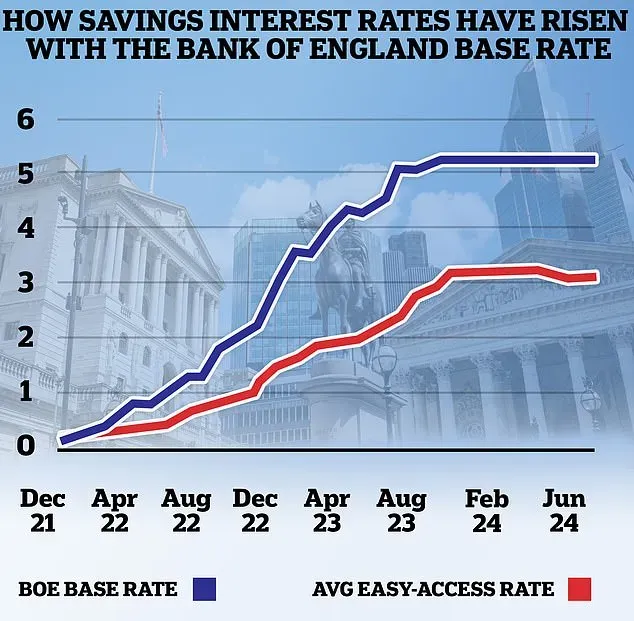
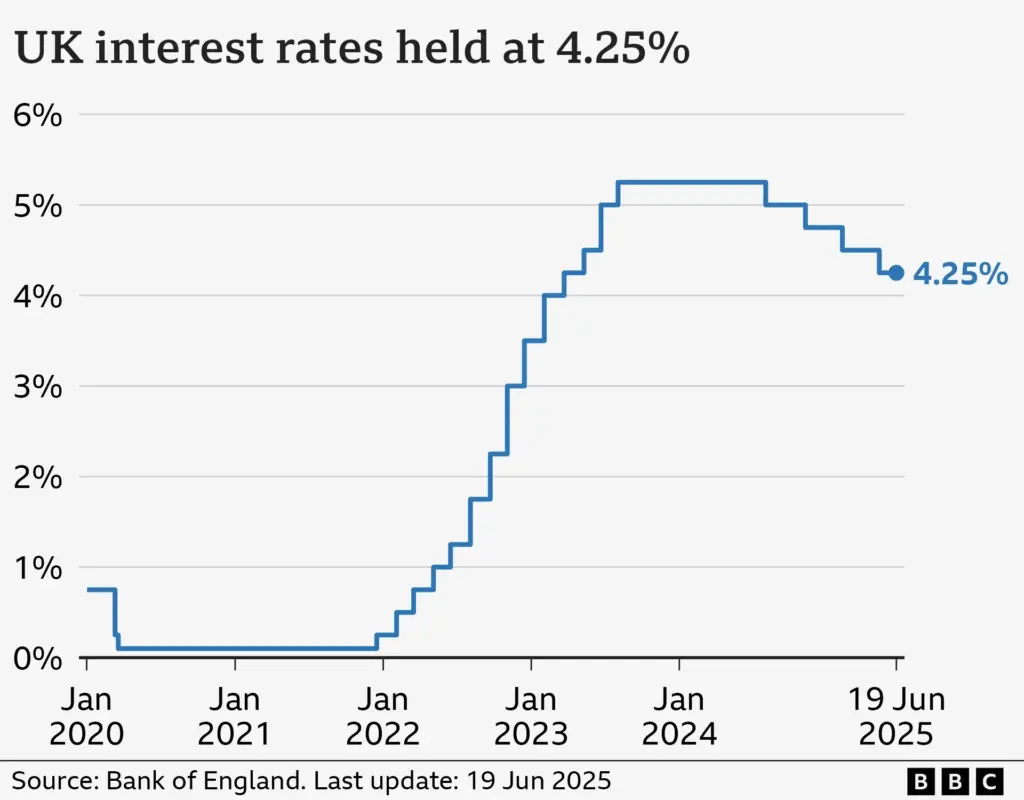
The Bank of England (BoE) holds significant authority over the UK economy, primarily through monetary policy tools, including setting interest rates. These rates, particularly the base rate, influence borrowing costs for consumers and businesses alike. When the BoE decides to adjust interest rates, it directly affects the cost of mortgages across the country. A higher Bank Rate typically leads to increased mortgage rates as lenders pass these costs onto borrowers, thereby impacting home affordability and potentially slowing the housing market.
In addition to adjusting interest rates, the BoE’s actions signal economic sentiment and stability, influencing consumer confidence. For instance, if the BoE raises rates to combat inflation, it can create a perception of economic uncertainty. This can lead to a decrease in mortgage applications as potential buyers may delay purchasing homes, worried about escalating costs. Therefore, understanding the decisions made by the Bank of England is crucial for both current homeowners and prospective buyers in navigating their financial futures.
The Direct Impact of Interest Rates on Mortgage Rates
Interest rates set by the Bank of England have a direct correlation with mortgage rates offered by lenders. When the Bank increases interest rates, lenders typically follow suit, resulting in higher loan costs for consumers. For instance, a rise in the Bank Rate may elevate a fixed-rate mortgage from a competitive 2% to a striking 5%. This increase can significantly burden new borrowers as monthly repayments rise and ultimately affects overall mortgage affordability.
Conversely, when the Bank decreases interest rates, borrowing becomes cheaper, and lenders may reduce their mortgage rates, stimulating the housing market. As a result, prospective homeowners may be encouraged to purchase property, leading to increased demand. Understanding these dynamics is crucial when considering the timing of a mortgage application, as fluctuations in interest rates can create a narrow window of opportunity for borrowers to secure more favorable terms.
Calculating Mortgage Affordability in a Changing Economy
Calculating mortgage affordability is essential for potential buyers, especially in a volatile economic environment. Lenders assess a borrower’s financial profile, including income, existing debts, and the current interest rate, to determine how much they can afford to borrow. As the Bank of England raises the base rate, lenders become more conservative in their assessments, making it imperative for borrowers to have a thorough understanding of their finances. A detailed budget can help individuals prepare for higher monthly payments that come with increased mortgage rates.
Using online mortgage calculators is an effective way to understand how variations in interest rates can affect repayment amounts and overall affordability. By testing different loan scenarios, borrowers can adjust their expectations according to prevailing rates set by the Bank of England. This information empowers individuals to make informed decisions about the type of mortgage that fits within their financial health while preparing for potential economic shifts.
Assessing Current Mortgage Rates and Financial Trends
The current landscape for mortgage rates in the UK has become increasingly challenging for potential homeowners. Recent data indicates that average fixed-rate mortgages have surged dramatically, from as low as 2% to over 5% in less than two years. These rising figures can strain budgets, especially for first-time buyers attempting to enter a competitive housing market where prices continue to soar. Understanding these trends is crucial as it provides insight into when to buy or refinance.
Borrowers are encouraged to stay informed about the Bank of England’s monetary policy and its broader economic implications. High inflation rates and global economic uncertainties have influenced recent rate hikes; thus, staying updated helps identify the best timing for mortgage applications or refinancing options that align with personal financial strategies.
Strategies to Manage Rising Mortgage Affordability Challenges
With interest rates climbing, managing mortgage affordability requires strategic planning. One effective approach is to increase your down payment, which can not only reduce the loan amount but might also qualify you for lower mortgage rates. A lower loan-to-value ratio lessens the risk for lenders, potentially leading to more favorable borrowing terms. This method can significantly ease financial pressure, especially during periods of high rates set by the Bank of England.
Additionally, considering shorter loan terms may be beneficial despite higher monthly payments. Though the direct costs may rise, borrowers will likely experience lower overall interest payments over the loan’s life. Regularly reviewing your mortgage terms and being proactive about refinancing when rates decrease can also help manage expenses effectively. By maintaining flexibility in your financial planning, you can adapt to changing market conditions without jeopardizing your housing security.
The Intersection of Interest Rates and Financial Planning
Navigating the relationship between interest rates and financial planning in the context of mortgage affordability is essential for buyers and homeowners alike. As rates set by the Bank of England fluctuate, they can significantly alter the overall economic landscape, influencing everything from household budgets to long-term financial goals. Understanding how these rates affect your mortgage ensures you can better prepare for future payments and unforeseen financial challenges.
Effective financial planning involves a comprehensive assessment of both current income and projected expenses. This means maintaining an awareness of economic shifts and adjusting financial goals accordingly. Borrowers can also take advantage of financial tools and resources that help simulate different rate scenarios, ensuring they are prepared for any eventual changes in the lending environment while remaining committed to long-term financial health.
Frequently Asked Questions
How do Bank of England interest rates affect mortgage affordability?
Bank of England interest rates directly influence mortgage rates offered by lenders. When the Bank of England raises its rates to control inflation, mortgage rates typically increase, leading to higher monthly payments for borrowers. Conversely, lower rates can enhance affordability, making homes more accessible.
What is the current Bank of England interest rate and its impact on the UK housing market?
As of mid-2023, the Bank of England has raised interest rates multiple times to tackle inflation, resulting in higher average mortgage rates in the UK. This increase impacts the housing market by making mortgages less affordable for potential buyers, which may slow down home sales.
How should I assess my mortgage affordability given the Bank of England interest rate rises?
To assess mortgage affordability amid rising Bank of England interest rates, calculate your potential monthly payments using online mortgage calculators, consider your financial stability, and evaluate fixed-rate mortgage options for budget predictability.
What strategies can help manage mortgage affordability in a fluctuating interest rate environment?
To manage mortgage affordability during changing Bank of England interest rates, consider increasing your down payment, opting for a shorter loan term for lower rates overall, and regularly reviewing your mortgage for potential refinancing opportunities.
Are fixed-rate mortgages a good option given current Bank of England interest rates?
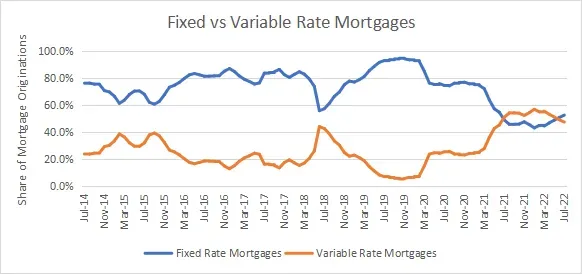
Yes, fixed-rate mortgages are an excellent option in the current economic climate. They provide financial stability by locking in a rate despite fluctuations in Bank of England interest rates, allowing borrowers to avoid unexpected increases in monthly payments.
How might Bank of England interest rate changes affect first-time buyers in the UK?
Bank of England interest rate changes can significantly impact first-time buyers. Higher rates typically lead to increased mortgage costs, which may result in stricter lending criteria and reduced affordability, making it tougher for first-time buyers to enter the UK housing market.
| Key Point | Explanation |
|---|---|
| Role of the Bank of England | The BoE influences borrowing costs, including mortgages, through its official Bank Rate. |
| Impact of Interest Rates on Mortgages | Higher rates increase monthly mortgage payments, making borrowing more expensive; lower rates decrease payments and increase accessibility. |
| Affordability Calculations | Lenders evaluate affordability considering income and current rates, potentially leading to stricter assessments when rates rise. |
| Current Economic Landscape | Multiple rate adjustments in 2023 to tackle inflation have significantly raised average mortgage rates. |
| Strategies for Managing Mortgages | Increasing down payments, considering shorter loan terms, and regularly reviewing mortgage terms can ease the financial strain. |
Summary
The Bank of England interest rates play a crucial role in determining mortgage affordability in the UK housing market. As these rates fluctuate in response to economic conditions, they directly influence borrowing costs and monthly payments for existing and potential homeowners. Understanding the relationship between Bank of England interest rates and mortgage affordability is essential for anyone looking to navigate the complexities of the housing market today. With ongoing adjustments aimed at inflation control, being proactive about your financial decisions is key to managing your mortgage effectively. This awareness can lead to better financial outcomes, whether you are a first-time buyer or a long-time homeowner.