Listen to this article
The Bank of England interest rate trends have become a focal point for homeowners, prospective buyers, and financial analysts alike, as they significantly impact various economic sectors. With fluctuating rates, the implications for mortgage rates and the housing market are particularly profound. Rising rates can lead to increased monthly payments, especially for those opting for fixed-rate mortgages, while also cooling demand in the housing sector. As developers and buyers navigate these changes, understanding the link between the BoE’s decisions and interest rates impact is essential. This article aims to dissect recent trends in Bank of England interest rates, unveiling what they could mean for future mortgage landscapes.
Examining interest rate movements set by the Bank of England reveals much about the financial environment facing UK homeowners and buyers. The shifting landscape of borrowing costs and mortgage availability is directly related to these base rate changes. As more individuals consider refinancing trends and the attractiveness of fixed-rate mortgages, it becomes vital to understand how these factors influence the overall housing market. Being aware of the broader economic implications stemming from interest rate adjustments can empower consumers to make informed decisions about their financial futures. By staying attuned to these developments, stakeholders can better anticipate market shifts and effectively navigate their mortgage journeys.
The Link Between Bank of England Interest Rates and Mortgage Costs
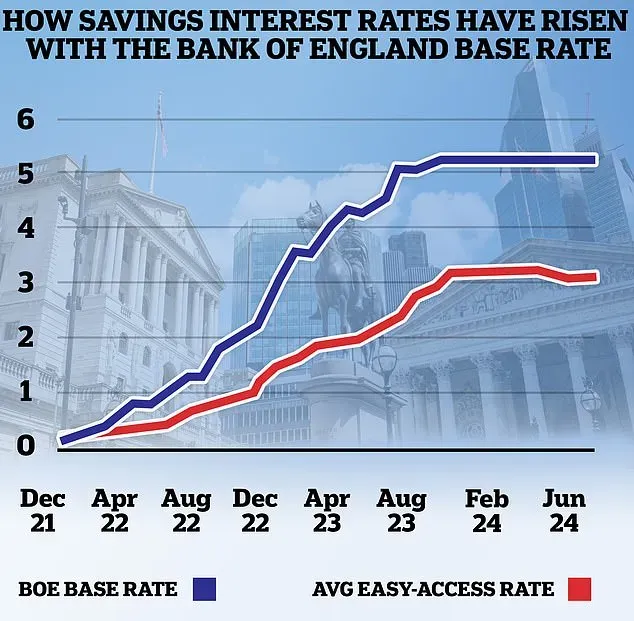
The Bank of England’s interest rate directly impacts mortgage costs, affecting both new homebuyers and existing homeowners. When the BoE raises its base rate, banks typically increase the interest rates on mortgages to maintain their profit margins. As a result, potential homebuyers face higher monthly payments, which could impede their ability to buy a home. This is particularly crucial for first-time buyers who may already struggle with affordability, making it essential to understand the interplay between the central bank’s policies and mortgage rates.
Conversely, when interest rates fall, mortgage rates often decrease as well. This facilitates an environment where borrowing becomes cheaper, encouraging many to enter the housing market. However, these lower rates may take some time to trickle down from the lending institutions to consumers, leading to a lag in response. This dynamic highlights why it’s important for consumers to remain vigilant regarding the BoE’s decisions and their potential ramifications on personal finances.
Current Trends in Mortgage Rates
In 2023, we are witnessing a transition in mortgage rates following a prolonged period of historical lows. Following the BoE’s increases in interest rates throughout late 2022 and early 2023 to counter rising inflation, prospective borrowers are experiencing increased mortgage costs. This shift can alter the landscape of the housing market as higher rates may dissuade buyers, leading to a possible slowdown in sales and adjustments in housing prices.
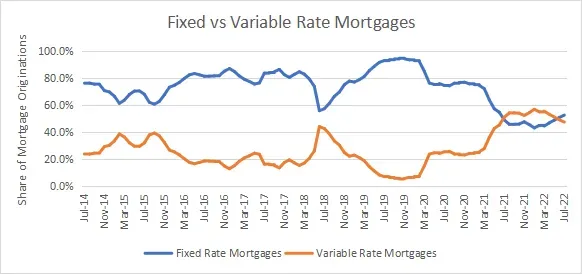
As lenders adjust their offerings to align with the BoE’s latest decisions, consumers may see a widening gap between fixed-rate and variable-rate options. Fixed-rate mortgages offer stability in uncertain times, making them a preferred choice for risk-averse buyers. However, as rates stabilize in response to inflation trends, the mortgage environment may regain some of its competitiveness, potentially enticing borrowers back into the market.
Impact of Rising Interest Rates on the Housing Market
The housing market is heavily influenced by the interest rate environment set forth by the Bank of England. As mortgage rates rise, the affordability factor becomes critical, particularly for first-time buyers who often represent a significant portion of housing demand. Higher borrowing costs can lead to reduced participation in the market, consequently affecting overall sales and possibly curbing price growth or leading to declines in housing values.
Moreover, existing homeowners may hesitate to sell their properties fearing that they won’t receive a favorable price or that their purchasing power will be diminished if they must secure a new mortgage. This hesitation could lead to a supply shortage, further distorting the housing market landscape. Understanding these dynamics is essential for all stakeholders, from buyers to investors, in making informed decisions.
The Shift Towards Fixed-Rate Mortgages
In an environment of rising interest rates, many borrowers are gravitating towards fixed-rate mortgages as a strategic move to lock in their monthly payments against further rate hikes. This trend is evident as consumers prioritize predictability in their housing costs. For many, this type of mortgage can offer peace of mind amidst uncertainty, allowing for more accurate budgeting throughout the life of the loan.
Lenders are responding to this growing preference by enhancing their fixed-rate offerings, making them more appealing to potential homebuyers. The competitive nature of the mortgage market means that borrowers seeking security may find advantageous deals that align with their long-term financial goals. Understanding the nuances of fixed versus variable rate options can significantly influence a consumer’s financial stability.
Refinancing Trends in a Changing Market
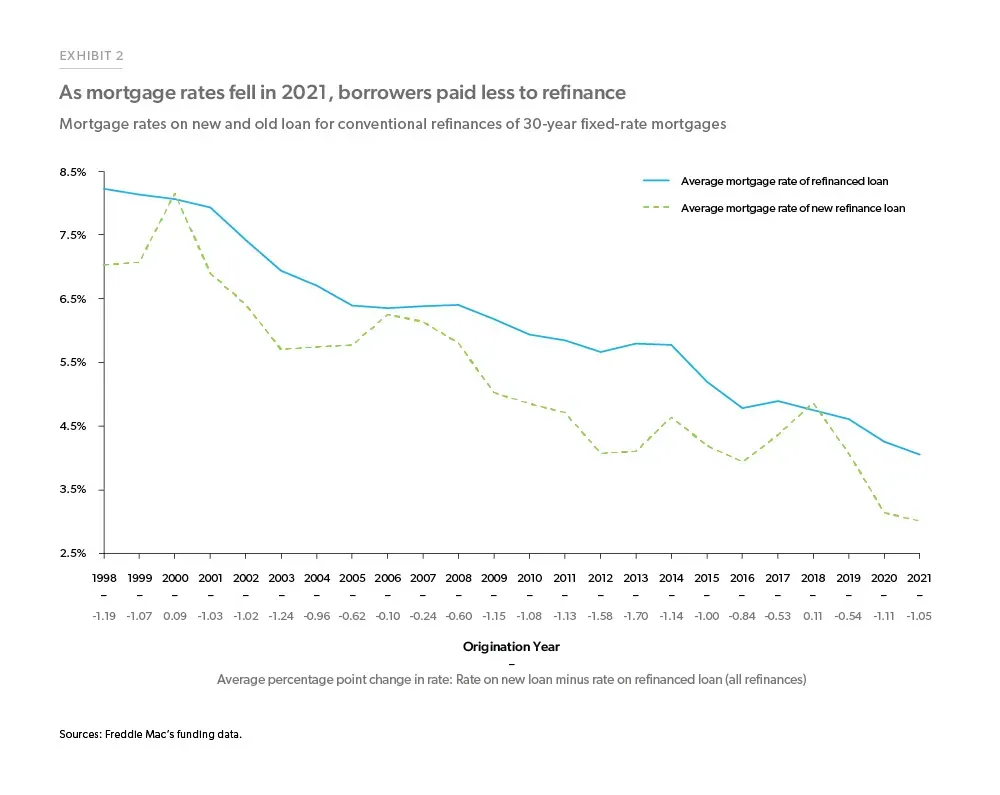
Refinancing is becoming increasingly popular as homeowners seek to capitalize on competitive interest rates before they rise significantly. Homeowners may want to refinance for various reasons, including consolidating debt, reducing monthly payments, or moving from a variable to a fixed rate. With the Bank of England’s policies influencing these rates, shifts in the market can drive individuals to explore their refinancing options proactively.
However, the decision to refinance is not without its challenges. Homeowners must carefully weigh the costs associated with refinancing against potential interest savings. Maintaining awareness of the prevailing trends in interest rates and understanding the timing of refinancing can lead to significant financial benefits and stability for homeowners navigating this dynamic market.
The Importance of Seeking Professional Advice Amid Interest Rate Changes
In these turbulent times, the importance of professional financial advice cannot be overstated. With the Bank of England’s interest rate practices influencing various sectors, including mortgages, seeking guidance from experienced advisors can help consumers navigate the increasingly complex mortgage landscape. Financial consultants can provide tailored advice based on individual circumstances, helping borrowers make informed decisions regarding their mortgages.
Professional advice is especially crucial as consumers face decisions about whether to secure a fixed-rate mortgage or explore the refinancing of existing loans. Experts can provide insights into how market trends may affect future borrowing costs and affordability, allowing individuals to strategize effectively about their finances in alignment with economic conditions.
Frequently Asked Questions
How do Bank of England interest rate trends affect mortgage rates?
Bank of England interest rate trends directly influence mortgage rates, as lenders base their rates on the BoE’s base rate. When the BoE raises interest rates, mortgage rates typically increase, making borrowing more expensive for homebuyers and homeowners looking to remortgage.
What impact do current Bank of England interest rate trends have on the housing market?
The current Bank of England interest rate trends suggest rising rates, which can cool the housing market as higher mortgage costs deter potential buyers. This could lead to a slowdown in home sales and stabilize or decrease house prices.
Are fixed-rate mortgages a good choice amidst Bank of England interest rate trends?
Yes, fixed-rate mortgages are often a smart choice during periods of rising Bank of England interest rates. Locking in a fixed rate can provide stability and protection against future rate increases, which homeowners currently facing variable rates may want to consider.
What refinancing trends are emerging due to Bank of England interest rate fluctuations?
Recent fluctuations in Bank of England interest rates have led to a rise in refinancing trends. Many homeowners are looking to refinance their mortgages to secure lower rates before they increase further, seeking more financial stability in an uncertain economic climate.
How can consumers stay informed about Bank of England interest rate trends?
Consumers can stay informed about Bank of England interest rate trends by following financial news, subscribing to updates from the BoE, and consulting with mortgage advisors. Understanding these trends is essential for making informed decisions regarding mortgages and financial planning.
What role does inflation play in shaping Bank of England interest rate trends?
Inflation plays a crucial role in shaping Bank of England interest rate trends. As inflation rises, the BoE may increase interest rates to control it, directly impacting mortgage rates and borrowing costs for consumers. Monitoring inflation can help predict future rate changes.
| Key Point | Details |
|---|---|
| Understanding Interest Rates | The BoE sets the base rate which influences borrowing costs across the UK economy, including mortgage rates. |
| Recent Trends | After a period of low rates, the BoE increased interest rates in response to rising inflation, with the rate currently at 3.75%. |
| Implications for Borrowers | Higher base rates are likely to increase mortgage costs, affecting first-time buyers and those looking to remortgage. |
| Housing Demand | Higher mortgage rates may decrease housing demand, potentially stabilizing or lowering home prices. |
| Fixed-Rate Mortgages | As rates rise, more consumers may favor fixed-rate mortgages to lock in lower rates. |
| Refinancing Trends | Homeowners may look to refinance to avoid rising rates, increasing the desire for stability. |
| Inflation and Economic Indicators | The BoE’s decisions are tied to inflation; continued high inflation could lead to further interest rate increases. |
| Professional Advice | Consulting mortgage advisors can help consumers choose the best options amidst changing financial conditions. |
Summary
Bank of England interest rate trends are playing a crucial role in shaping future mortgage rates and their implications for homebuyers. As the Bank navigates rising inflation through incrementally increasing its base interest rate, borrowers can expect fluctuating mortgage costs that may affect affordability and housing demand. Understanding these trends is vital for making informed decisions in the housing market, particularly for first-time buyers and homeowners considering refinancing. Staying updated on interest rate movements and seeking expert financial guidance will help consumers strategically manage their borrowing options and maintain their financial health.