Listen to this article
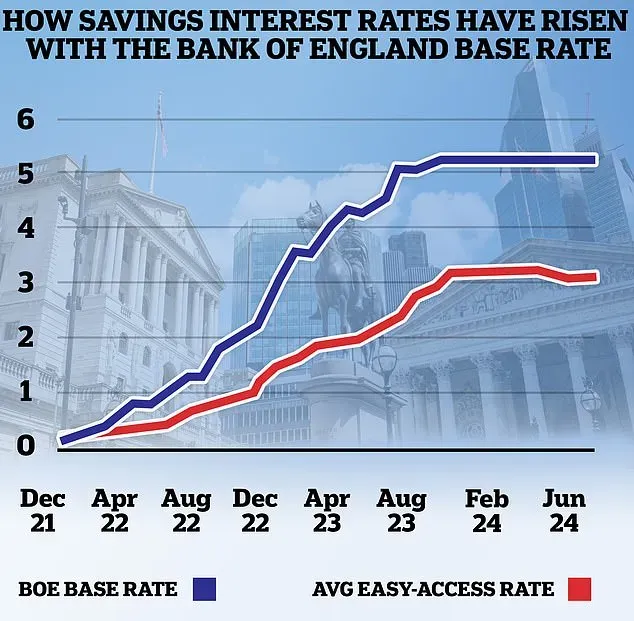
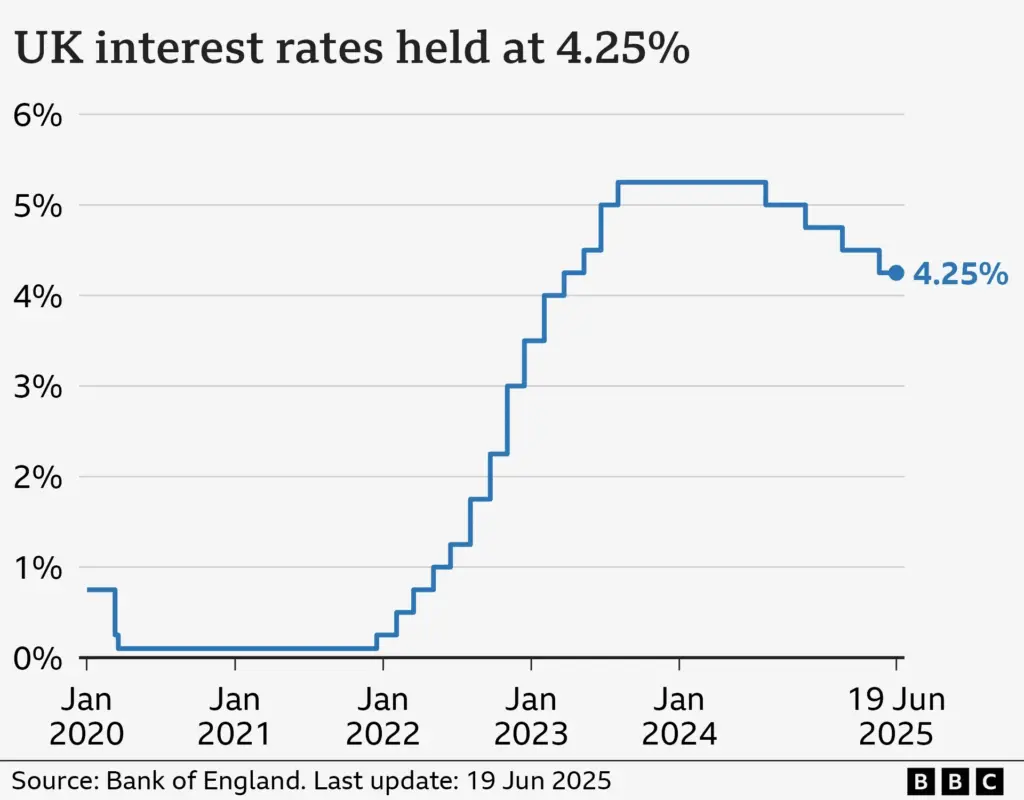
The Bank of England interest rate plays a pivotal role in shaping the UK mortgage market, influencing everything from homebuyer affordability to housing market stability. As we delve into the current economic landscape in late 2023, the Bank has implemented noteworthy changes to its base interest rate, now standing at 5.75%. These alterations in interest rates are essential drivers that determine the cost of borrowing, significantly impacting both fixed-rate and variable-rate mortgages. For prospective homebuyers, these rates are critical indicators that can either open doors to property ownership or create barriers to entry in a competitive housing market. This article will explore these trends, providing insights that inform your decisions in the face of evolving economic conditions.
Examining the current monetary policies set by the Bank of England reveals crucial insights for those interested in the housing finance sector. The main interest rate, which serves as the foundation for borrowing costs, directly affects the mortgage financing landscape, making it vital for homeowners and potential buyers to understand its implications. With interest rates on the rise, the cost of both fixed and variable mortgage products is also shifting, signaling a changing environment for homeownership. As the economic climate adjusts, the strategies for navigating loans and re-evaluating housing investments become increasingly critical for consumers. This discussion will outline key factors influencing interest rates and how they correlate with broader economic trends, all geared towards empowering you as a savvy participant in the market.
Understanding the Bank of England’s Role in the Mortgage Market
The Bank of England plays a pivotal role in shaping the mortgage market through its interest rate policies. By adjusting the base interest rate, it directly influences the cost of borrowing for homebuyers and homeowners alike. Any change in this rate typically has a cascading effect; lenders respond by adjusting their mortgage rates, which can significantly impact affordability and market dynamics. For instance, as the BoE raises rates to combat inflation, the ripple effect can make mortgages more expensive, pushing potential buyers out of the market and cooling demand.
Moreover, the Bank of England’s commitment to maintaining monetary stability means that its interest rate decisions are closely monitored by economists, financial analysts, and homebuyers. Understanding these decisions can provide critical insights into future trends in the housing market and help potential buyers anticipate changes in mortgage rates. For homebuyers, staying informed about the BoE’s policy changes is essential for making strategic decisions regarding when and what type of mortgage to secure.
Current Trends in Interest Rates and Their Effect on Mortgages
In 2023, the interest rate set by the Bank of England stands at 5.75%, representing a notable shift from the ultra-low rates experienced in previous years. This increase can have profound implications for those involved in the mortgage market. For homeowners with variable-rate mortgages, this likely translates to higher monthly costs, significantly affecting household budgets. Furthermore, new homebuyers are feeling the pinch as purchasing power diminishes due to increased interest expenses, which can deter many from entering a competitive housing market.
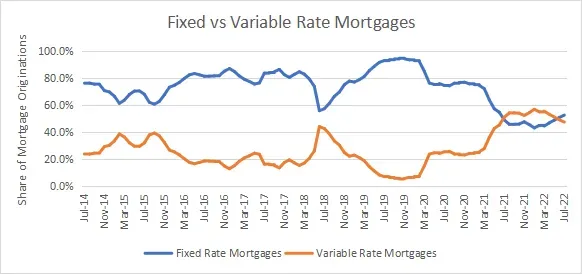
Additionally, the trend toward higher interest rates has prompted many borrowers to opt for fixed-rate mortgages, allowing them to secure lower, stable payments amid rising costs. However, the availability of these products may become limited as lenders react to market conditions. This heightened demand highlights the need for prospective buyers to act swiftly, as offerings may become scarce, further complicating the landscape of the mortgage market.
Inflation and Its Impact on Mortgage Rates
Inflation remains a key driver behind the Bank of England’s decisions to adjust interest rates. As inflation rises, so too do interest rates, creating an intricate relationship between these two economic variables. Borrowers should closely monitor inflation indicators like the Consumer Price Index (CPI) to gauge future interest rate movements. Understanding how these factors work in tandem can provide valuable insights for homebuyers preparing to make significant financial commitments.
Moreover, the implications of inflation on the mortgage market extend beyond rate increases. High inflation can exacerbate economic uncertainty, which in turn can dampen consumer confidence and reduce demand for housing. For individuals looking to buy, this scenario can create both challenges and opportunities, as potential buyers might find favorable prices amidst a slower market, yet face higher borrowing costs due to increased interest rates.
Navigating Refinancing in a Rising Interest Rate Environment
With the Bank of England raising its interest rates, homeowners considering refinancing their mortgages must carefully assess their options. Higher rates can lead to elevated costs associated with taking on additional debt, making some refinancing scenarios less appealing than they were in previous years. Homeowners should weigh the benefits of lower monthly payments against the potential for higher overall costs if they choose to refinance during this period of escalating rates.
Additionally, understanding the nuances of refinancing is crucial in a competitive environment. For example, switching from a variable-rate mortgage to a fixed-rate mortgage might provide stability but could also result in higher initial payments. Hence, individuals must seek professional advice to carefully evaluate whether refinancing is in their best interest and identify the potential long-term benefits and drawbacks amidst a shifting economic landscape.
The Future of the Housing Market Amid Economic Trends
As interest rates continue to evolve, so too does the landscape of the housing market. Economic trends, such as shifts in employment rates and public sentiment, play a significant role in determining the overall health of the market. A strong job market typically boosts consumer confidence, encouraging home purchases, while any signs of economic instability may lead to a more cautious approach among potential buyers. Therefore, it’s vital for those navigating the mortgage market to remain attuned to these broader economic indicators.
Beyond immediate interest rate considerations, the sustainability of the housing market hinges on how economic trends unfold in the coming months. For homebuyers, remaining informed and adaptable to these changes can make all the difference. As the market responds to new economic signals, leveraging updated information will empower buyers to make choices that align with their long-term financial goals, whether they are entering the market for the first time or looking to refinance.
Strategic Approaches for Homebuyers in a Volatile Market
As the mortgage market reacts to fluctuating interest rates set by the Bank of England, homebuyers must adopt strategic measures to navigate uncertainty effectively. Evaluating one’s current mortgage position is paramount; if you are on a variable rate, transitioning to a fixed-rate mortgage could shield you from impending payment shocks. By locking in a stable, lower rate, homebuyers can mitigate the risks associated with rising interest rates.
Additionally, seeking professional guidance from mortgage brokers or financial advisors provides crucial insight tailored to individual financial circumstances. These professionals can navigate the complexities of the evolving market, helping potential buyers identify the best mortgage products while considering not just the interest rates but also fees, terms, and flexibility that align with long-term homeownership goals.
Frequently Asked Questions
How does the Bank of England interest rate affect mortgage rates?
The Bank of England interest rate sets the baseline for all interest rates in the UK economy, including mortgages. When the Bank increases its base rate, lenders typically increase their mortgage rates, leading to higher monthly repayments for homeowners and impacting affordability for new homebuyers.
What are the current Bank of England interest rates and their implications for homebuyers?
As of October 2023, the Bank of England’s interest rate is 5.75%. This increase affects the mortgage market significantly, as potential homebuyers may face higher borrowing costs, making homes less affordable and slowing down the housing market.
What impact do rising Bank of England interest rates have on fixed-rate mortgage options?
Rising Bank of England interest rates increase the costs associated with fixed-rate mortgages. Borrowers are eager to lock in current rates before they rise further, leading to a surge in demand for fixed-rate products amidst a tightening market.
How can current Bank of England interest rate trends influence refinancing decisions for homeowners?
With the Bank of England’s interest rates at 5.75%, many homeowners looking to refinance may encounter higher costs than those who secured mortgages at lower rates in previous years. It’s essential to assess the total costs and benefits before deciding to refinance.
What economic indicators should homebuyers watch related to the Bank of England interest rates?
Homebuyers should monitor inflation rates, employment statistics, and public sentiment regarding consumer confidence. These indicators influence the Bank of England’s interest rate decisions and can provide insights into future borrowing costs and housing market trends.
Why is it important to stay informed about Bank of England interest rates when navigating the mortgage market?
Staying informed about Bank of England interest rates is crucial for navigating the mortgage market, as fluctuations can directly impact borrowing costs, the affordability of homes, and overall market conditions, enabling homebuyers to make informed financial decisions.
| Key Points | Details |
|---|---|
| Role of the Bank of England | The BoE sets the base interest rate that influences other rates and stability in the economy. |
| Current Rate | As of October 2023, the interest rate is 5.75%, an increase from previous lows. |
| Impact on Homeowners | Higher monthly mortgage payments, refinancing challenges, and a shift in buyer behavior are observed. |
| Economic Indicators | Key factors like inflation rates, employment rates, and consumer confidence affect the mortgage market. |
| Strategies for Borrowers | Evaluate your mortgage options, seek professional advice, and stay informed about the economic landscape. |
Summary
The Bank of England interest rate plays a pivotal role in shaping the mortgage market in the UK. As the central bank adjusts its interest rates, the implications for both existing homeowners and potential buyers become significant. Understanding these changes is essential for making informed decisions about mortgages, particularly as the current rate stands at 5.75%, impacting monthly repayments and buyer confidence. By staying abreast of economic indicators and employing effective mortgage strategies, individuals can navigate the challenges posed by rising rates and optimize their financial outcomes.