Listen to this article
The Bank of England interest rate hikes are creating ripples across the UK’s financial landscape, particularly affecting homeowners and first-time buyers. As the central bank raises its interest rates to combat soaring inflation, many individuals are left grappling with higher mortgage rates and altered affordability. For homeowners on variable-rate mortgages, increased payments could quickly become a monthly concern. Meanwhile, first-time buyers may find their dream homes slipping away due to affordability constraints as property market dynamics shift under these new conditions. Understanding these changes is crucial for navigating the current UK housing environment, especially as fixed-rate mortgages become increasingly sought after amidst rising economic uncertainty.
In recent times, the Bank of England’s adjustments to its base interest rates have captured significant attention, reshaping the financial landscape for many in the UK. These monetary policy changes, primarily intended to curb inflation, directly influence overall borrowing costs, impacting both mortgage rates and homeownership opportunities. Existing homeowners face immediate challenges with fluctuating mortgage payments, while new buyers contemplate the feasibility of entering a tightening property market. As lending conditions evolve, prospective homeowners are advised to stay informed about the implications of interest rate variations on their purchasing power and the broader residential real estate climate. It is a pivotal moment for anyone navigating the realms of mortgages, affordability assessments, and the shifting tides of the UK housing market.
The Impact of Interest Rate Hikes on Mortgage Payments
As the Bank of England increases interest rates, current homeowners with variable-rate mortgages face immediate financial adjustments. These homeowners will see their monthly mortgage payments rise in line with the interest rate hikes, placing an increased burden on household budgets. The cost of borrowing becomes more expensive, which is concerning for many who were previously comfortable with their mortgage arrangement. For instance, a tracker mortgage will directly adjust your repayments according to the BoE’s rate changes, potentially leading to significant increases that could stretch finances to their limits.
In addition to direct impacts on variable mortgages, the rising interest rates also create a ripple effect in the housing market. For potential borrowers looking to take out new loans, they may face heightened mortgage rates themselves, thereby limiting their affordability for their dream home. This scenario can discourage first-time buyers from entering the property market or lead to decreased purchasing power, as lenders become more stringent in their assessments. The overall effect is a contraction in buyer activity, which could cool off the once-booming UK housing market.
Understanding Fixed-Rate Mortgages in a Rising Interest Rate Environment
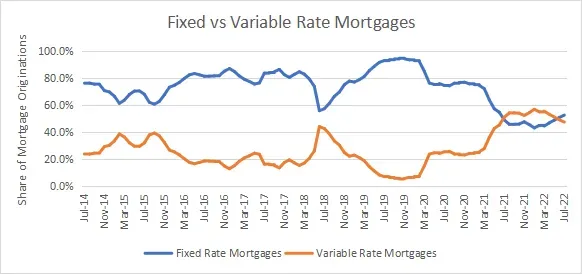
Fixed-rate mortgages present a viable escape route for many homeowners concerned about rising interest rates. By locking in a fixed rate, borrowers can enjoy predictable monthly payments over a specified period, shielding themselves from the fluctuations in the market. However, the cost associated with these fixed rates is often higher than what was previously available, leading to a dilemma for potential buyers. While a fixed-rate mortgage provides stability, entry into this market might still come with the financial strain of higher overall costs compared to previous years.
Moreover, for first-time buyers, opting for a fixed-rate mortgage can significantly shape their home-buying journey. The appeal lies in the assurance it offers against future increases in the Bank of England’s base rate. Yet, as affordability becomes a growing concern, many buyers find themselves unable to secure the amounts needed to purchase their ideal homes. Consequently, they must navigate through the difficult balance of locking in fixed rates now versus waiting, hoping that the market might present better opportunities in the future.
Challenges Facing First-Time Buyers in the Current Market
The recent hikes in interest rates have profound implications for first-time buyers in the UK housing market. Many young individuals aspiring to own their first home now face challenges related to the increasing mortgage costs. As interest rates rise, so do the monthly repayments, pushing affordability out of reach for many. This shift means that prospective buyers must adjust their expectations and budgets, often resulting in compromises on location, size, or property features.
Additionally, lenders are now more cautious with affordability assessments, which may limit first-time buyers’ borrowing potential. As rates climb, these stress tests become more rigorous, further complicating the process for those just starting out on their property journey. This could lead to a situation where fewer young individuals can successfully obtain mortgage approval, ultimately slowing down new entries into the housing market, which is concerning for the overall property landscape.
Navigating the Remortgaging Landscape Under Rising Costs
For existing homeowners, the remortgaging conversation takes on new urgency amid the increasing interest rates set by the Bank of England. Many individuals may find their current mortgage terms become less favorable in light of rising costs. Lenders, seeking to mitigate their risk, may offer less attractive rates for remortgaging, which can dissuade homeowners from switching providers. As a result, many may feel stuck, weighing the option of remortgaging against the potential of staying with their current arrangements, often leading to financial uncertainty.
On the other hand, remortgaging could still provide opportunities for homeowners looking to release equity for home improvements or to consolidate debt. Yet, the terms offered are often less favorable than they were in the past. Homeowners need to be strategic about their approach, consulting financial advisors to ensure they comprehend the nuances of current rates. With costs solely going upwards, understanding one’s financial position and options available is critical to making sound decisions.
The Effects on the Rental Market
As homeownership becomes more challenging due to rising interest rates, many potential buyers are left with no choice but to rent. This shift in demand has ramifications for the rental market, leading to increased pressure on rental prices across the board. Landlords may find themselves in a position where they need to raise rents to maintain their profit margins amidst their own rising mortgage costs, further complicating affordability for renters. As demand surged, the rental market can be expected to tighten, leading to a potential bidding war for desirable properties.
The impact does not just affect tenants; landlords too must adapt to the changing financial landscape. Those who have variable-rate mortgages may find their expenses climbing, which can ultimately lead them to pass on those costs to their tenants. This scenario is creating a ripple effect that could see further strain on the rental market, as those who previously found rentals manageable now face heightened living costs. With inflation rates rising across the UK, the overall economic stability of both renters and landlords is at risk.
Future Predictions for the Bank of England’s Strategy
With the ongoing economic fluctuations, predictions surrounding the Bank of England’s future interest rate strategies remain a hot topic among economists. Many believe that further rate hikes may be necessary to counteract persistent inflation. However, there are equally compelling arguments for a more cautious approach, emphasizing the need to support the housing market and the economy. Understanding these dynamics will allow both mortgage seekers and homeowners to position themselves better as they navigate these changes.
The BoE’s decisions will heavily influence homebuyers’ behavior, especially as affordability issues continue to mount. As potential homebuyers and homeowners remain vigilant about possible rate adjustments, consultations with financial experts will be critical in adapting strategies. Staying ahead of market trends will enable consumers to make informed choices tailored to personal financial situations, whether it’s opting for fixed-rate mortgages or exploring remortgaging options as the economic landscape shifts.
Frequently Asked Questions
How do Bank of England interest rate hikes affect existing mortgage rates for homeowners?
Bank of England interest rate hikes directly lead to increased monthly payments for homeowners with variable-rate mortgages. As the BoE raises interest rates, lenders typically adjust their mortgage rates accordingly, causing immediate financial implications for those with tracker mortgages.
What challenges do Bank of England interest rate hikes pose for first-time buyers in the UK property market?
Interest rate hikes by the Bank of England can pose affordability issues for first-time buyers, as rising mortgage rates increase overall home buying costs. This can limit borrowing power and make it more challenging to enter the UK housing market.
Are fixed-rate mortgages a better option amid Bank of England interest rate hikes?
In light of Bank of England interest rate hikes, many potential buyers are opting for fixed-rate mortgages. These provide stability against future rate increases, although current fixed-rate offers may be higher than past deals, affecting overall affordability.
How might remortgaging change due to Bank of England interest rate hikes?
Bank of England interest rate hikes may lead to less attractive remortgaging options. Homeowners looking to remortgage could face higher rates compared to their initial mortgage, as lenders adjust pricing to reflect increased borrowing costs.
What impact do Bank of England interest rate hikes have on the rental market?
The rental market often sees increased demand during Bank of England interest rate hikes. As potential buyers delay home purchases due to higher mortgage rates, this can drive rental prices up and strain affordability for renters.
What strategies can homeowners adopt in response to Bank of England interest rate hikes?
Homeowners should review their mortgage options, consult mortgage advisors, and consider switching to fixed-rate mortgages. Budgeting wisely and shopping around for better mortgage products are also essential strategies to navigate the financial implications of interest rate hikes.
| Key Point | Details |
|---|---|
| Role of the Bank of England | The BoE is responsible for maintaining monetary stability, influencing borrowing costs through the base interest rate. |
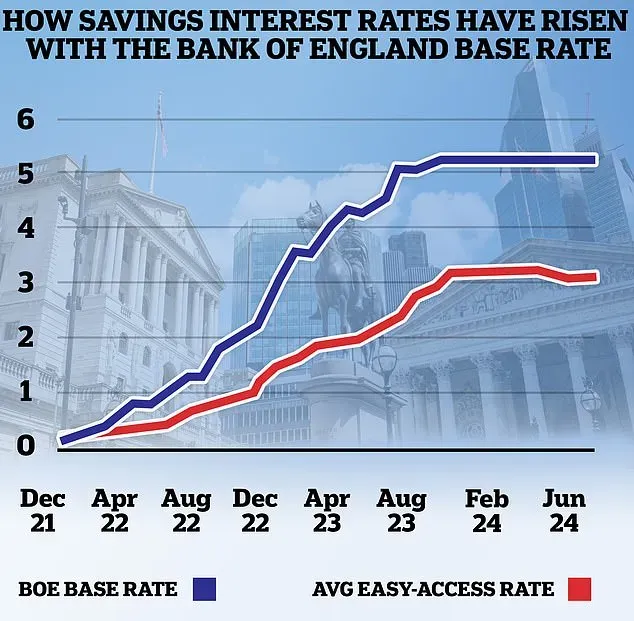
| Recent Rate Hikes | The BoE has raised rates from 0.1% to 5.25% since early 2022 to combat rising inflation. |
| Impact on Homeowners | Homeowners with variable-rate mortgages may face higher monthly payments, affecting budgets significantly. |
| Effects on First-Time Buyers | Higher rates may reduce affordability, leading to more stringent lending conditions and fewer borrowing options. |
| Rental Market Changes | Increased interest rates may drive up rental demand and prices as potential buyers delay home purchases. |
| Advice for Homeowners and Buyers | Review mortgage options, budget wisely, shop around for better terms, and consider delaying purchases if needed. |
| Future Predictions | Experts are divided on future rate hikes, depending on ongoing inflation and the economy’s condition. |
Summary
The Bank of England interest rate hikes have significant implications for both homeowners and mortgage seekers. As the BoE continues to raise interest rates in response to rising inflation, individuals must be aware of how these changes can affect their financial situations. Homeowners with variable-rate mortgages will likely see increased monthly payments, while first-time buyers may face tougher affordability assessments. Additionally, the rental market could see rising demand and prices as potential buyers remain on the sidelines. It is crucial for all parties impacted to remain informed and consider their financial options, including consulting with mortgage advisors, to adapt to these evolving economic conditions effectively.