Listen to this article
The recent Bank of England interest rate hikes have stirred significant conversations across the financial landscape, particularly for homeowners and prospective buyers. As interest rates climb, many are left wondering how these changes will impact their mortgage scenarios. The implications extend beyond just increased payments; they affect both the housing market and individual financial planning strategies. For those with variable-rate mortgages, the effects can be especially pronounced, leading to unexpected budget strains. Navigating these shifts requires a solid understanding of how rising interest rates influence mortgage costs, providing a crucial edge for anyone looking to make informed decisions in this evolving climate.
Recent upward adjustments in interest rates by the Bank of England are reshaping the dynamics of the borrowing landscape in the UK. These monetary policy changes directly influence mortgage costs, prompting considerations for those with adjustable rate loans or those eyeing home purchases. With the potential for heightened monthly payments, it is vital for borrowers to comprehend how such fluctuations could transform their financial obligations. Furthermore, the housing market may also undergo corrections as affordability shifts, encouraging individuals to explore options like fixing mortgage rates to safeguard against volatility. Understanding these trends is essential for navigating the new normal in mortgage financing.
Understanding the Impacts of Bank of England Interest Rate Hikes on Mortgages
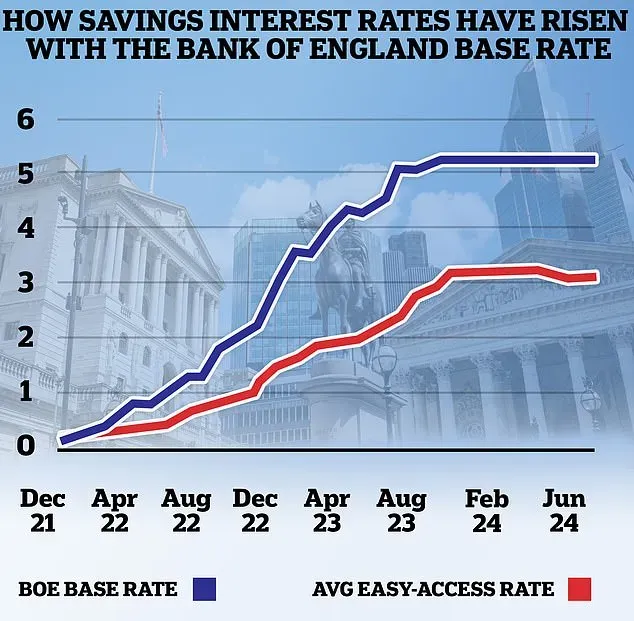
The recent interest rate hikes by the Bank of England have created a ripple effect across the mortgage market, impacting both existing mortgage holders and potential buyers. As the base interest rate increases, lenders adjust their mortgage rates accordingly, which can lead to significantly higher costs for borrowers. The immediate consequence is apparent for those with variable rate mortgages, where payments will likely rise alongside base rate increases. This shift not only affects monthly budgets but can also lead homeowners to reassess their financial commitments and long-term plans.
For those locked into fixed-rate mortgages, there is a temporary reprieve from rising rates; however, the future remains uncertain. Once the fixed period ends, homeowners face the prospect of refinancing at potentially higher interest rates, leading to increased payments. This uncertainty underscores the need for borrowers to stay informed about economic trends and interest rate forecasts to anticipate potential changes in their mortgage obligations.
Variable Rate Mortgages: Navigating Increased Costs
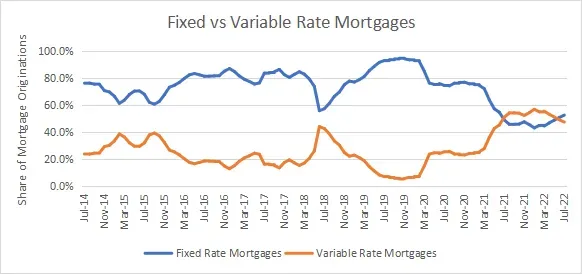
Variable rate mortgages are particularly sensitive to interest rate hikes. When the Bank of England raises rates, lenders typically adjust their variable mortgage rates soon after, resulting in higher monthly repayments for borrowers. This immediate effect can squeeze household budgets, making it imperative for homeowners to learn how to manage their costs effectively. Understanding the terms of your mortgage and monitoring rate trends will be crucial in planning your financial future.
As payments grow due to increased interest rates, homeowners may need to find ways to buffer their budgets. The effects extend beyond immediate payment increases; homeowners may also consider additional strategies, such as employing financial tools to stabilize their payments or exploring the possibility of switching to fixed-rate mortgages to lock in lower rates before further hikes occur.
The Case for Fixed-rate Mortgages in a Rising Rate Environment
In times of rising interest rates, fixing your mortgage rate can provide significant financial security. Locking in a fixed-rate mortgage shields borrowers from the unpredictable swings of variable rates, ensuring stable payments throughout the mortgage term. As homeowners face potential cost increases from rate hikes, this type of mortgage can help mitigate risks associated with economic volatility and protect monthly budgets.
Moreover, in a volatile market where refinancing might lead to increased interest obligations, a fixed-rate mortgage presents an attractive alternative. By securing a fixed rate early, homeowners can sidestep the uncertainty of fluctuating rates, allowing for better long-term financial planning and reduced stress about future payments.
Refinancing During Interest Rate Hikes: Challenges and Considerations
Refinancing your existing mortgage during a period of rising rates can become increasingly expensive and complicated. As rates climb, many homeowners may find that their options for refinancing dwindle, leading to higher costs if they wish to lower their monthly payments or consolidate debt. The key challenge is to assess whether refinancing can still provide benefits that outweigh the costs associated with higher rates.
Homeowners contemplating refinancing should weigh the potential savings against the increased interest payments. Additionally, evaluating the overall market conditions, understanding lender requirements, and having a clear financial strategy in place will be crucial in determining the viability of refinancing as a solution during an upward interest trend.
Long-term Effects of Bank of England Rate Increases on the Housing Market
The broader economic implications of interest rate hikes extend to the housing market as well. As mortgage costs rise, potential home buyers often retreat from the market, leading to decreased demand for housing. This trend can cool down a previously overheated market, resulting in slower property appreciation or even price reductions, which alters the landscape for sellers and real estate agents alike.
Over the long term, sustained higher interest rates could reshape the dynamics of the housing market significantly. Sellers might need to adapt their pricing strategies, while buyers may find new opportunities in a more favorable negotiating environment. As the market adjusts, understanding these changes can provide insights into future investment opportunities and help homeowners make informed decisions.
Preparing for Future Interest Rate Changes: Strategies for Homeowners
To effectively navigate the potential impacts of interest rate changes, homeowners must adopt proactive financial strategies. A major step is to thoroughly evaluate personal budgeting for upcoming adjustments in mortgage payments. Creating a flexible budget that accounts for potential increases can help households remain resilient in the face of financial strain caused by higher rates.
Additionally, consulting with financial advisors can provide tailored advice and strategies to manage mortgages amid changing interest rates. This professional guidance can offer insights on whether to refinance, how to handle existing mortgage terms, and the best tactics to protect one’s financial position against future rate hikes.
Frequently Asked Questions
How do Bank of England interest rate hikes affect variable rate mortgages?
Bank of England interest rate hikes directly impact variable rate mortgages. When rates increase, lenders typically raise the interest rates on these mortgages, leading to higher monthly payments for homeowners. This increase in costs can strain budgets and reduce disposable income.
What should I consider when fixing mortgage rates after Bank of England interest rate hikes?
When considering fixing mortgage rates after Bank of England interest rate hikes, assess current rates and forecast trends. Locking in a fixed-rate mortgage can provide financial stability by ensuring your payments remain consistent despite further rate increases.
How do interest rate hikes influence the housing market?
Interest rate hikes by the Bank of England can cool down the housing market by making mortgages more expensive. This can decrease demand for housing, potentially leading to lower property prices and impacting sellers’ ability to sell homes at desired prices.
What are the implications of refinancing during Bank of England interest rate hikes?
Refinancing during Bank of England interest rate hikes may result in higher borrowing costs. Homeowners seeking to lower their monthly payments could find fewer favorable refinancing options, making it essential to weigh the costs against potential benefits.
How can I prepare my finances for potential Bank of England interest rate hikes?
To prepare for potential Bank of England interest rate hikes, review your budget to accommodate higher mortgage payments, consider locking in a fixed-rate mortgage for stability, and stay informed about economic trends that may affect rates.
What are the long-term effects on mortgages after Bank of England interest rate increases?
The long-term effects after Bank of England interest rate increases can include higher monthly mortgage payments, decreased consumer spending due to reduced disposable income, and stricter lending criteria from banks, making it essential for homeowners to plan accordingly.
| Key Points | |
|---|---|
| What Are Interest Rates? | Interest rates are the cost of borrowing money, determining how much you pay back on a loan, including a mortgage. |
| Impact on Variable Rate Mortgages | Variable rate mortgages will see increased payments following a rate hike, affecting monthly cash flow. |
| Fixed Rate Mortgages | Payments remain unchanged during the fixed period, but refinancing could mean facing higher rates later. |
| Refinancing Options | Refinancing may become more costly with increased rates, leading to fewer favorable options. |
| Long-term Effects | Higher rates can decrease consumer spending and cool down the property market. |
| How to Prepare | Homeowners should budget wisely, consider fixed-rate options, stay informed, and seek advice from financial professionals. |
Summary
Bank of England interest rate hikes can have profound implications for homeowners and potential buyers in the mortgage market. These changes affect not just monthly repayments, especially for those with variable rate mortgages, but also overall financial stability and budgeting decisions. Being proactive and informed—whether through budgeting adjustments, opting for fixed-rate mortgages, or consulting with financial advisors—can help navigate the complexities of rising interest rates. Understanding these dynamics will better prepare individuals to manage their mortgage and address the challenges that come with fluctuating economic conditions.