Listen to this article
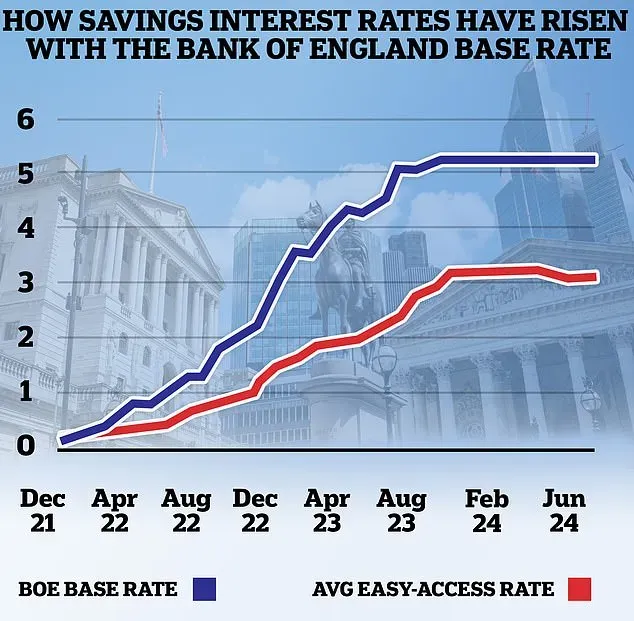
The Bank of England interest rate changes have a profound impact on the UK economy, especially for homeowners and prospective buyers. When the BoE adjusts interest rates, it can directly affect mortgage payments, influencing decisions on whether to stick with a fixed-rate mortgage or opt for a variable-rate mortgage. Such changes can be particularly significant for those on Standard Variable Rates, as they may see their costs increase almost instantly. As the financial landscape shifts, understanding these interest rate hikes and their effects on refinancing options becomes crucial for navigating the fluctuating UK housing market. Keeping abreast of these changes allows homeowners to make informed decisions that can help manage their financial responsibilities effectively.
Adjustments made by the Bank of England regarding interest rates are pivotal in shaping the dynamics of the mortgage landscape in the UK. These fluctuations can lead to variations in monthly mortgage expenses, especially for those with variable-rate arrangements. Additionally, the effects ripple through the housing market, prompting homeowners to reassess their financing strategies, including considering fixed-rate alternatives for greater stability. By exploring available refinancing options and being proactive about potential shifts in the Standard Variable Rate, homeowners can better position themselves financially. As the economic climate evolves, staying informed on interest rate movements is essential for making sound mortgage decisions.
Understanding the Effects of Bank of England Interest Rate Changes on Your Mortgage Payments
The Bank of England’s interest rate changes play a significant role in determining your mortgage payments, particularly if you have a variable-rate mortgage. When the BoE hikes interest rates, the direct effect on your monthly obligations is apparent to those on tracker mortgages, which are linked to this rate. The fluctuations in the Bank Rate ultimately influence the affordability of mortgage payments, making it imperative for homeowners to stay informed about potential increases.
For fixed-rate mortgage holders, the immediate impact may be mitigated until their current agreement finishes. However, once the period ends, borrowers could face renewed rates significantly higher than what they initially agreed to. Hence, understanding your mortgage type and its response to interest rate changes is crucial for budgeting effectively and planning for potential financial shifts.
Fixed-Rate Mortgages and Interest Rate Fluctuations
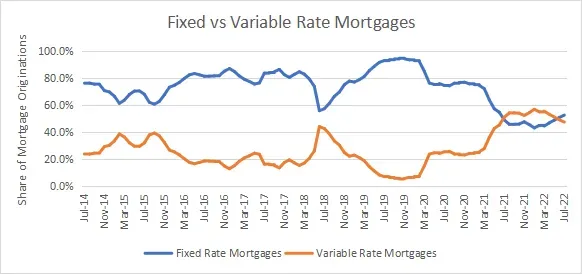
Fixed-rate mortgages offer a stable monthly payment over an agreed period, protecting borrowers from the volatility of changing interest rates. This stability is particularly appealing when the Bank of England is expected to raise interest rates. Homeowners can lock in favorable rates during economic uncertainty, allowing for precise financial planning without the concern of rising payments.
However, borrowers must remain vigilant, as once their fixed-rate term ends, they could be subjected to higher rates upon renewal. Therefore, conducting regular assessments of the mortgage landscape is essential for fixed-rate homeowners to determine the best course of action before their existing terms expire.
Variable-Rate Mortgages: Immediate Impact of Rate Changes
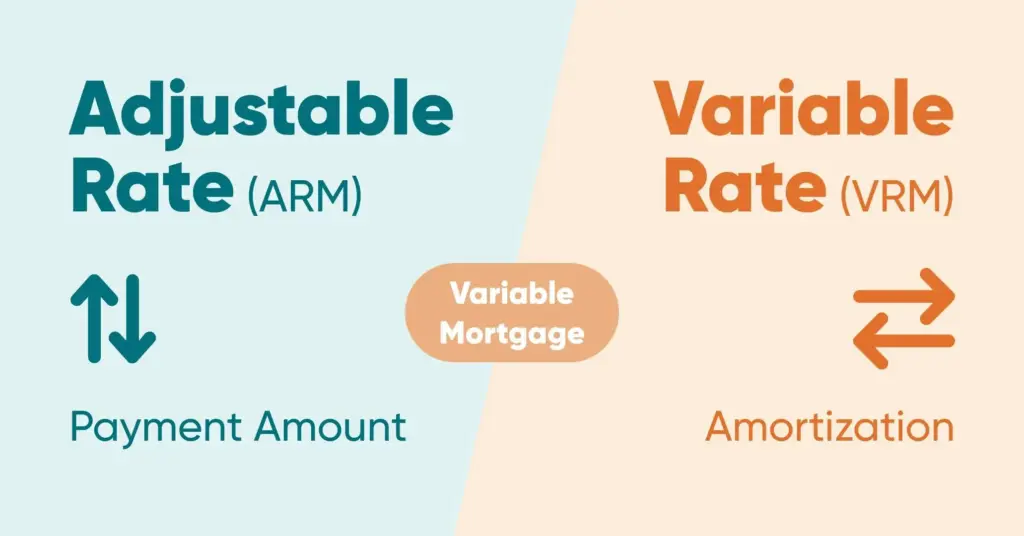
Borrowers with variable-rate mortgages see immediate changes in their payments when the Bank of England adjusts the interest rate. This type of mortgage is often pegged to the Bank Rate, meaning that any interest rate hike translates into higher monthly payments almost instantaneously. For those on a variable-rate mortgage, understanding the implications of ongoing rate changes is vital for managing household finances.
Moreover, homeowners with variable-rate mortgages should prepare for potential budget adjustments as interest costs rise. Evaluating refinancing options, particularly when rates are predicted to continue increasing, can provide a pathway to more manageable payments and financial stability in the long run.
Navigating Standard Variable Rates (SVRs)
Standard Variable Rates (SVRs) are set at a lender’s discretion and can fluctuate in response to changes in the Bank of England’s base rate. When the BoE raises rates, lenders often follow suit, leading to increased monthly repayments for homeowners on SVRs. These types of mortgages do not guarantee stability, making it crucial for homeowners to monitor the official rates closely.
Understanding the conditions of your SVR and staying informed about lenders’ potential movements can aid in decision-making regarding switching to a fixed-rate option or refinancing. It’s essential for homeowners to assess their situation routinely, as staying proactive can help mitigate the financial impact of rising rates.
Refinancing Options in a Changing Interest Rate Environment
As interest rates rise, homeowners often explore refinancing options to secure better terms before their current agreements expire. This can involve switching from a variable-rate to a fixed-rate mortgage to lock in lower payments. With many lenders willing to offer competitive refinancing deals, it’s an opportune time to analyze whether refinancing is a viable strategy.
Engaging with a mortgage broker can provide valuable insights into current market conditions and available refinancing products. They can help you navigate various options, ensuring that you make informed choices that align with your long-term financial objectives, especially in an unpredictable interest rate environment.
Preparing for Future Interest Rate Changes
The path of interest rate changes can be influenced by numerous factors, including inflation, employment data, and broader economic trends. Homeowners must stay informed about indications from the Bank of England regarding potential future rate hikes, as these can significantly impact financial forecasting and mortgage strategies.
Preparing for these fluctuations requires developing a comprehensive financial plan that accommodates possible changes in mortgage payments. Adjusting budgets, exploring refinancing options, and keeping lines of communication open with mortgage professionals can help homeowners brace for whatever changes lie ahead.
Frequently Asked Questions
How do Bank of England interest rate changes impact my fixed-rate mortgage payments?
Bank of England interest rate changes do not affect your fixed-rate mortgage payments immediately since your rate is locked for the term of your mortgage. However, once your fixed-rate period ends, you may face higher rates if the BoE’s rates have increased during that time.
What should I know about variable-rate mortgages concerning Bank of England interest rate hikes?
Variable-rate mortgages are directly impacted by Bank of England interest rate hikes. If the BoE raises interest rates, your monthly payments may increase almost immediately, as these mortgages typically adjust in line with the Bank Rate.
How might refinancing options be affected by interest rate changes from the Bank of England?
Interest rate changes by the Bank of England can significantly affect refinancing options. If rates are expected to rise, it may be advantageous to refinance before the increase to lock in lower rates, ensuring more manageable mortgage payments.
What are Standard Variable Rates and how do they relate to Bank of England interest rate shifts?
Standard Variable Rates (SVRs) are set by lenders and often adjust in response to Bank of England interest rate shifts. If the BoE raises rates, lenders may also raise their SVRs, which would increase your monthly mortgage payments.
How can I prepare for potential changes in mortgage payments due to Bank of England interest rate adjustments?
To prepare for potential changes in mortgage payments from Bank of England interest rate adjustments, review your mortgage type, consider locking in a fixed-rate mortgage, and plan your budget to accommodate possible payment increases.
What factors should I consider regarding the UK housing market after Bank of England interest rate changes?
After Bank of England interest rate changes, consider how these alterations impact borrowing costs, housing demand, and the overall UK housing market. Higher rates can slow down market activity, affecting home prices and mortgage affordability.
| Aspect | Impact |
|---|---|
| Bank of England’s Role | Sets the official interest rate, influencing economic stability and financial products. |
| Fixed Rate Mortgages | Stable rates until term ends; potential higher rates on renewal. |
| Variable Rate Mortgages | Directly affected by rate changes, leading to immediate adjustment in payments. |
| Standard Variable Rates (SVRs) | May increase or decrease at lender’s discretion in response to BoE changes. |
| Interest Rate Increase Example | A rise from 0.10% to 0.25% can increase monthly payments substantially over time. |
| Strategies for Homeowners | Review mortgage types, consider refinancing, budget for increases, stay informed. |
Summary
Bank of England interest rate changes play a crucial role in determining the cost of mortgages across the UK. Homeowners must understand how fluctuations in the Bank’s interest rate affect both fixed and variable-rate mortgages. Fixed-rate borrowers may benefit from stability in lower rates for the life of their mortgage, but could face higher costs upon renewal, while those with variable-rate mortgages may experience immediate changes in their payments in response to BoE rate adjustments. Implementing strategies such as locking in fixed rates when possible or exploring refinancing can help mitigate the financial impact. Staying informed about the Bank of England’s decisions is essential in anticipating shifts in the economic landscape.