Listen to this article
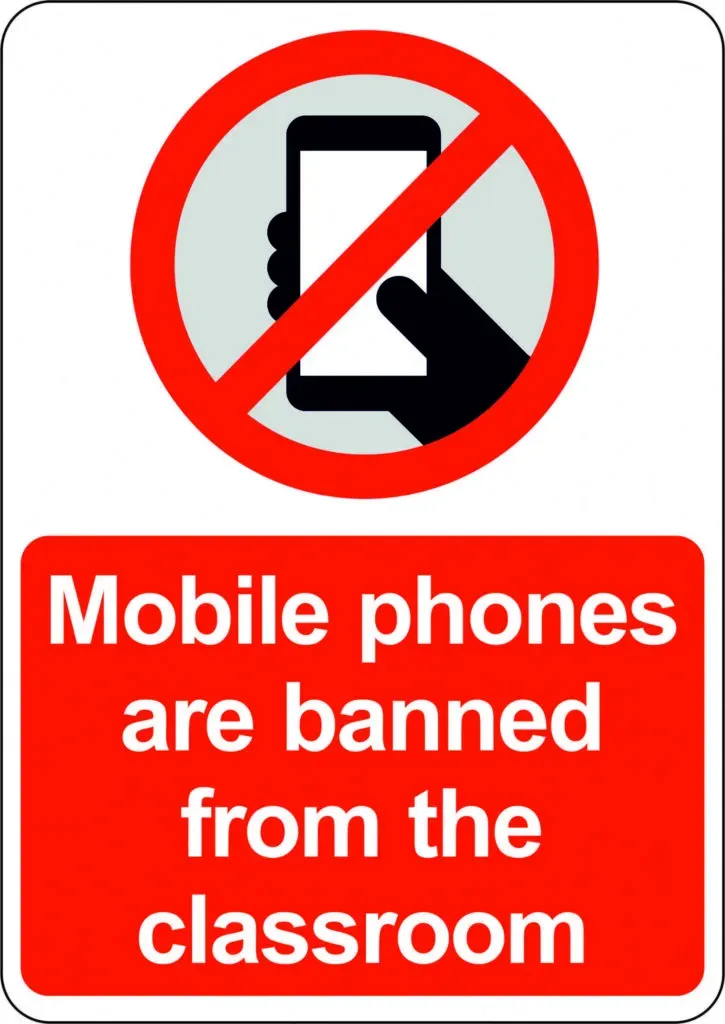
The recent ban on mobile phones in schools has ignited a heated debate within the UK education policy landscape. With increasing concerns over the impact of technology on student engagement, the House of Lords recently supported a legislative amendment that aims to enhance the mobile phone policy in schools. This initiative not only seeks to prohibit smartphone use during classroom hours but also aims to extend the ban to break and lunch times, signaling a significant shift in school phone rules. Education Secretary Bridget Phillipson has emphasized the necessity of creating phone-free environments for students, arguing that this will help reset their relationship with smartphones and social media, especially regarding social media access for under-16s. As schools grapple with implementing this smartphone ban in schools, parents and educators alike are concerned about finding a balance that accommodates both educational needs and modern-day realities.
The topic of restricting mobile phones in educational settings has gained traction, reflecting broader discussions about the integration of technology in learning environments. This smartphone restriction is a direct response to rising worries about distractions and the effects of social media on young minds. Recent discussions also touch upon guidelines for mobile device usage within schools, highlighting the ongoing evolution of school phone regulations. By addressing the implications of smartphone policies in classrooms, stakeholders aim to foster better educational outcomes and tackle challenges associated with social media exposure among minors. As the conversation evolves, the emphasis is squarely on creating spaces conducive to learning while managing the role of digital communication in students’ daily lives.
The Rationale Behind the Ban on Mobile Phones in Schools
A growing body of evidence suggests that mobile phones can be a significant distraction in the educational environment. With students frequently checking notifications or engaging in social media during lessons, their ability to learn effectively is hampered. A ban on mobile phones in schools aims not only to enhance focus but also to foster an environment where students can engage more genuinely with their education. The House of Lords supports this initiative, aligning with the broader UK education policy aimed at safeguarding children’s well-being by limiting distractions that could impede learning.
In addition to improving educational outcomes, a mobile phone ban in schools addresses health concerns. Teachers and educational leaders have voiced worries about the mental health challenges posed by social media access, especially for under-16s. Without the constant pull of smartphones, students may experience reduced stress and improved concentration, promoting a healthier academic atmosphere. By reforming mobile phone policies in schools, we can begin to reshape how young people interact with technology and its role in their daily lives.
Understanding School Phone Rules and Their Implications
The implementation of school phone rules is crucial for creating a focused educational environment. Guidelines around the ban on mobile phones in schools have sparked discussions on the need for consistency and clarity. Schools across England are encouraged to establish clear policies that reflect their unique community needs while adhering to the overarching government directive. This flexibility aims to allow institutions to tailor their approaches depending on their student demographics and specific challenges they face regarding smartphone usage.
However, the absence of a standardized protocol can lead to confusion among students and parents. School leaders may struggle to manage instances where students defy phone policies, leading to potential conflicts and enforcement challenges. Critics of the current legislative approach note that while the idea of banning smart devices aims to enhance learning, practical considerations—such as students needing phones for safety reasons—should also be taken into account. The balance between enforcing school phone rules and accommodating individual student needs remains a priority in this ongoing dialogue.
The Link Between Social Media and Smartphone Use in Education
The recent legislative focus on social media access for under-16s echoes the concerns surrounding smartphone use in educational settings. As schools grapple with the implications of their mobile phone policies, the relationship between social media engagement and educational achievement becomes increasingly relevant. The Conservative shadow education minister’s push for a smartphone ban highlights an essential connection: if students are less distracted by their devices, they are more likely to engage positively with their school environment. This connection emphasizes the need for a comprehensive understanding of how mobile phone usage impacts student well-being.
Moreover, the decision to restrict access to social media for under-16s correlates with the quest for a more focused and productive school atmosphere. Studies show that social media can be a source of anxiety for students, negatively impacting their ability to concentrate in class. By addressing both social media access and mobile phone use, UK education policy aims to create a holistic approach to student well-being. Crafting a learning environment that minimizes distractions will ultimately benefit students academically, allowing for a more balanced approach to technology use.
Navigating the Challenges of Mobile Phone Ban Implementation
The journey towards implementing a ban on mobile phones in schools is fraught with challenges. While many parents and educational leaders applaud the initiative, there are concerns about how the ban will be enforced in real-world settings. For instance, some students rely on their smartphones for medical reasons or commuting, necessitating a flexible approach. Educational institutions must find ways to accommodate these needs while maintaining a focused learning environment. The need for effective communication regarding school phone rules is paramount in alleviating potential concerns from parents and the community.
To navigate these complexities, schools may benefit from developing comprehensive policies that outline exceptions and provide clear avenues for student support. Educational leaders can collaborate with parents and community stakeholders to cultivate a consensus on the best practices for managing mobile phone use. Providing training for educators about their roles in enforcing these rules and addressing exceptions with empathy may help create an environment where all students feel supported.
Parental Perspectives on Mobile Phone Policies
Parental perspectives play an essential role in the discourse surrounding the mobile phone ban in schools. Many parents support the initiative, recognizing the potential benefits of a mobile-free educational environment. They often express concerns about their children’s exposure to social media and its potential for anxiety and distraction during critical learning periods. As discussions surrounding the government’s mobile phone policies evolve, parents’ voices will be vital in shaping the narrative and ensuring that their children’s needs are adequately met in educational settings.
However, concerns persist regarding the practicality of these bans. Parents worry about scenarios where their children may need phones for safety during commutes. In line with education policy discussions, parents advocate for a nuanced approach, one that recognizes the necessity of phones in certain contexts while still upholding the overarching goal of reducing distractions in schools. Open dialogues between schools and parents about phone policies can foster understanding and support for measures aimed at enhancing student focus and well-being.
The Role of Educators in Enforcing Phone Policies
Teachers play a pivotal role in enforcing the ban on mobile phones in schools, as they are on the front lines of classroom management. With the updated guidance from education authorities, educators are tasked with ensuring compliance while creating a conducive learning environment. By establishing clear expectations and actively communicating the rationale behind school phone rules, teachers can help students understand the importance of maintaining focus during instructional time. This role not only emphasizes the need for discipline but also fosters a sense of community and respect within the classroom.
In addition to enforcing rules, teachers can provide guidance on responsible smartphone use outside the classroom. By offering lessons on digital citizenship and the appropriate use of technology, educators can empower students to make informed decisions regarding their phone usage. This dual approach enhances the educational experience, equipping students with the tools to balance their academic responsibilities with their engagement in digital spaces.
Long-Term Implications of Mobile Phone Bans in Schools
The long-term implications of a ban on mobile phones in schools could reshape the educational landscape in various ways. As educational policy evolves, limiting smartphone access could lead to a generation of students who are better equipped to focus on their studies without the distractions that come from constant connectivity. By instilling habits of concentration and engagement during formative years, schools can cultivate a workforce that values attention to task and deeper learning strategies.
Moreover, the potential impact of the mobile phone ban extends beyond the classroom. As students adapt to a phone-free environment during school hours, they may develop healthier technology habits that reflect a more balanced approach to digital interaction. Whether it leads to improved academic performance or enhanced interpersonal skills, the societal benefits of reducing smartphone reliance during critical learning periods may well resonate beyond school walls.
The Impacts of Smartphone Use on Learning and Concentration
Research consistently highlights the detrimental effects of smartphone use on students’ learning and concentration. Many educators assert that phones serve as a significant obstacle to students’ ability to absorb and retain information in class. When students are permitted to access their devices during school hours, they not only distract themselves but also their peers, disrupting the overall learning environment. Therefore, a ban on mobile phones in schools can be viewed as a proactive measure to enhance focus and improve academic performance.
Furthermore, evidence suggests that excessive use of smartphones contributes to a decline in students’ attention spans and critical thinking skills. Without phones in the classroom, students may engage more deeply in discussions and collaborative activities, allowing them to develop essential skills such as critical thinking, problem-solving, and effective communication. As UK education policy continues to evolve, addressing smartphone usage is crucial for fostering both academic success and personal development among students.
Future Directions in Education Policy Regarding Mobile Phones
As discussions around mobile phone policies progress, the future of education in the UK may hinge on how effectively schools implement these guidelines. Moving forward, educational policymakers will need to consider the diverse needs of schools and communities while creating strategies to ensure that mobile phones enhance learning rather than detract from it. Collaboration among educators, parents, and policymakers will be vital for developing solutions that address the complexities of modern technology use.
Moreover, ongoing consultations surrounding social media access for under-16s reflect the interconnected nature of digital engagement. Educators and lawmakers alike must remain vigilant in evaluating the impact of mobile phone bans and ongoing policy adjustments on students’ well-being and academic success. This proactive approach will not only create a safer educational environment but also lead to broader conversations about the role of technology in the lives of young people.
Frequently Asked Questions
What is the rationale behind the ban on mobile phones in schools in the UK?
The ban on mobile phones in schools aims to improve focus and learning by minimizing distractions caused by smartphones. The House of Lords supported this initiative, emphasizing that mobile phones often serve as gateways to social media, negatively impacting children’s relationships with technology and their social interactions. Education Secretary Bridget Phillipson advocates for a complete phone-free environment during school hours, including breaks.
How does the mobile phone policy in schools affect students and their families?
The mobile phone policy in schools has garnered support from parents who believe that banning smartphones can enhance educational outcomes and reduce distractions. However, some families express concerns about the implications of a strict ban, particularly regarding students who need phones for medical emergencies or commuting. Balancing technological needs with educational guidelines is a challenge for many school leaders.
What changes were made to the UK education policy regarding smartphone use in schools?
Recent changes to the UK education policy regarding smartphone use include a stronger recommendation from the Education Secretary for schools to enforce a ban on mobile phones throughout the school day. This move follows earlier guidance and comes amid a wider debate on social media access for under-16s, reflecting growing concerns about children’s wellbeing in the digital age.
How will Ofsted evaluate the implementation of the smartphone ban in schools?
Ofsted will inspect schools to evaluate how effectively they implement the mobile phone ban. This includes examining whether teachers comply with guidance to avoid using their phones in front of students. The inspections aim to ensure a consistent approach to mobile phone policies across educational institutions, which is critical for maximizing student engagement.
Are there exceptions to the smartphone ban in schools for specific situations?
While the current smartphone ban in schools is comprehensive, educators and leaders recognize that some students may require phones for legitimate reasons, such as medical needs or safe transportation. Schools are encouraged to manage these exceptions carefully, ensuring that students who need phones can access them without compromising the overarching ban on mobile devices.
What is the impact of the smartphone ban on students’ relationships with technology?
The smartphone ban in schools is designed to reset how students interact with technology, particularly social media. By limiting access during school hours, the aim is to foster healthier relationships with devices and encourage more meaningful interactions among peers. Advocates argue that this change is necessary to help students focus better on their education.
How do school leaders feel about the guidance on mobile phone policies?
Many school leaders find the guidance on mobile phone policies challenging to implement effectively. They appreciate the flexibility it offers but express concern about the potential backlash from students and parents. Overall, school leaders emphasize the importance of developing a strategy that meets the diverse needs of their student populations while adhering to the ban.
What support is available for schools implementing the smartphone ban?
As schools work towards implementing the smartphone ban, they may seek support from educational bodies and organizations like Ofsted. Part of the updated guidance suggests that schools should be equipped with the necessary resources and training to manage the transition effectively, addressing issues while ensuring student safety and compliance with new policies.
What are the main arguments for and against banning mobile phones in schools?
Proponents of the smartphone ban argue that it enhances concentration and reduces disruptions in the learning environment. They believe it is crucial in fostering positive direct interactions among students. Opponents, however, emphasize the need for flexibility, as some students may depend on their devices for essential tasks, such as communication for safety and medical needs.
What is the future outlook for mobile phone policies in UK schools?
The future outlook for mobile phone policies in UK schools suggests a continued approach toward stricter guidelines as concerns about social media access for under-16s grow. Ongoing debates in Parliament will likely shape legislation, while school leaders navigate the challenges of ensuring compliance and responding to students’ diverse needs.
| Key Point | Details |
|---|---|
| House of Lords Support | A Conservative amendment to ban mobile phones was approved with 178 votes to 140. |
| Education Secretary’s Guidance | Bridget Phillipson advised schools to be phone-free during school hours, but this guidance lacks legal weight. |
| Legislative Changes | Future debates will occur in Parliament as changes are fine-tuned through a process called ‘ping-pong’. |
| Ofsted Inspections | Ofsted will assess schools on their mobile phone policies going forward. |
| Challenges for Schools | School leaders are challenged by the flexibility in the new guidance, causing conflict with students and parents. |
| Parental Support | While parents generally support the ban, they are concerned about specific situations requiring phone access. |
| Concerns about Implementation | Experts warn that outright bans might complicate matters for students needing phones for various reasons. |
| Statutory Ban Proposal | Some advocate for a statutory ban to ensure consistency and empower teachers. |
Summary
The ban on mobile phones in schools has become a pressing topic in the UK, especially following the recent support from the House of Lords. This legislative push aims to promote children’s well-being and focus during school hours. As guidance from Education Secretary Bridget Phillipson evolves, schools are encouraged to implement a complete phone ban not only during class but also at breaks and lunchtime. Despite the potential benefits of such a ban in reducing distractions, concerns remain among parents and educators about the challenges it might pose for students who need phones for legitimate reasons. As the discussions progress, it is imperative to find a balanced approach that prioritizes educational needs while addressing health and safety concerns.