
Listen to this article
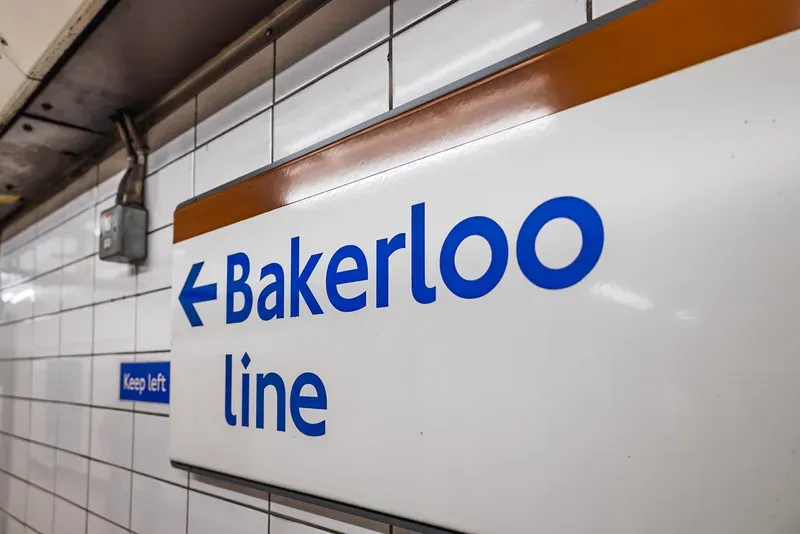
The recent Bakerloo line Heineken rebrand has sparked a mix of intrigue and confusion among London Underground commuters. In an innovative promotion that coincides with ‘Dry January,’ Transport for London has revamped the iconic line’s signage to feature Heineken’s alcohol-free 0.0 beer prominently, cleverly swapping the ‘o’s in “Bakerloo” for zeros. However, this clever advertising campaign has led to a noticeable Bakerloo line signage error, with some signs incorrectly displaying station names, which may mislead passengers unfamiliar with the layout. As commuters navigate through bustling stations like Piccadilly Circus and Charing Cross, they may find themselves puzzled by the new names like ‘Oxf0.0rd Circus.’ This Tube advertising blunder serves as both a conversation starter and a cautionary tale about balancing brand promotion and user experience in one of the world’s busiest transit systems.
In a bold marketing move, the Heineken branding initiative on the Bakerloo line has brought mixed reactions from travelers utilizing London’s vast public transport system. As ‘Dry January’ encourages individuals to embrace alcohol-free options, the collaboration between Transport for London and the Dutch brewery aims to promote social interaction among commuters. Edits to station signage have turned the Bakerloo line into the ‘Bakerl0.0 line,’ creating a playful yet potentially confusing atmosphere for both regular and occasional riders. Yet, the campaign, while designed to attract attention and generate significant advertising revenue, has faced scrutiny over how such changes might affect riders’ navigation. Ultimately, the Heineken campaign highlights the delicate dance between creative advertising strategies and the practicality required within a complex urban transit environment.
Bakerloo Line Heineken Rebrand: A Clever Marketing Strategy
The Bakerloo line Heineken rebrand has introduced a fresh and intriguing twist to London Underground’s advertising landscape. By replacing the o’s in ‘Bakerloo’ with zeros, the transport network cleverly aligns with Heineken’s alcohol-free 0.0 beer campaign. This contemporary approach not only enhances brand visibility during Dry January but also provokes conversation about public transport advertising as a whole. The rebrand, which has quickly garnered attention among London commuters, demonstrates the evolving relationship between public transport and corporate partnerships.
Interestingly, while the marketing campaign aims to inject humor and creativity into the standardized signs of the Tube, it has sparked significant debate. Commuters familiar with the Bakerloo line might find the changes amusing; however, new travelers or those with limited knowledge of the station layouts could be adversely affected. Such advertising endeavors raise questions about the balance between creative branding and the essential usability of public transportation, prompting discussions about how far TfL should go in its marketing collaborations.
The Tube Advertising Blunder and Its Impact
Despite its creativity, the Tube advertising blunder related to the Bakerloo line signage has not gone unnoticed. Social media platforms and forums like Reddit have lit up with criticism, as passengers express concern over the possibility of confusion among less familiar travelers. One user aptly noted that the purpose of advertising should not override the core function of transport signage, which is to facilitate easy navigation for all commuters. Such sentiments highlight the fine line TfL has to tread when engaging in commercial branding.
The oversight of incorrect station ordering at Paddington is another layer to this ongoing discussion. Incorrectly placed stations pose a real danger for those who are not regular riders on the Bakerloo line, including tourists or occasional travelers. Transport for London needs to consider the implications of advertisements on traveler safety and comprehension. This kind of oversight serves as a powerful reminder that marketing campaigns should enhance, not hinder, the practical aspects of commuting.
Impact on London Commuters During Dry January
As the Heineken rebrand coincides with Dry January, the campaign aims to promote responsible drinking habits among Londoners. The initiative not only celebrates Heineken’s commitment to alcohol-free options but also encourages social interactions among passengers. Research indicating that a significant portion of Tube users would be reluctant to engage in conversations could transform this campaign from mere advertisement to a platform for community building among commuters.
However, the intertwined themes of health consciousness and travel dynamics raise questions about the efficacy of such initiatives. While some commuters appreciate the fun aspect of receiving alcohol-free beer at Waterloo, it is critical that all marketing strategies are transparently aligned with public interests. Transport for London, in promoting these campaigns, should realize their responsibility in creating not only innovative advertising experiences but also nurturing a cohesive commuter environment.
Transport for London’s Collaborative Efforts: Balancing Revenue and Usability
Transport for London’s marketing collaborations, such as that with Heineken, showcase the organization’s intent to innovate and enhance commuter experiences. By integrating brands into the daily lives of passengers, TfL aims to generate revenue that is funneled back into improving public transport services across London. However, the Bakerloo line Heineken rebrand has brought an essential consideration to light: while partnerships are financially beneficial, they should never compromise the clarity and usability of the transport network.
TfL’s commitment to thoroughly assess marketing activations is a necessary approach to ensure that they do not impede the customer experience. As seen with the Bakerloo line signage error, the balance between creativity and functionality can often lead to unintended consequences. It is vital for TfL to engage in meaningful dialogue with its partners to establish guidelines that prioritize commuter safety while continuing to innovate and entertain through collaborations.
Lessons From the Bakerloo Line Campaign
The awkward signage error in the Bakerloo line Heineken rebrand delivers valuable lessons about the complexities of advertising within public transport systems. The backlash against the confusing layout indicates that commuters have a keen eye for usability, underscoring the importance of integrating user experience design into marketing strategies. This incident should serve as a cautious reminder for other organizations considering similar partnerships that thoughtful implementation is crucial to avoid alienating their audience.
Moreover, the situation opens up a broader conversation about how brands should engage with public services. Ensuring user convenience while promoting product visibility is a fundamental aspect of effective advertising. Marketers should strive to develop campaigns that respect and enhance the travel experience, rather than distract or confuse. These lessons will be pivotal for future collaborations between brands and public transport networks, as they navigate the challenges of engaging a diverse commuter base.
Heineken’s Role in Shaping Commuter Interaction
Heineken’s efforts to foster interactions among London commuters is ambitious, especially in a city where socialization often takes a back seat to the hurried pace of travel. By encouraging passengers to engage in conversation over a cold alcohol-free beer, the campaign injects a sense of community into the typically solitary environment of the Tube. This aspect of their marketing strategy highlights a growing trend toward experiential branding, where the intent is to build connections rather than merely sell products.
The responses from commuters regarding the initiative has been mixed; while some appreciate the social opportunities, others remain skeptical about the practicality of initiating conversations during their rushed commutes. Such contrasting viewpoints signify that although marketing can create buzz, it should also resonate with the everyday experiences of passengers. By aligning further with commuter sentiments, Heineken could enhance its campaigns, ensuring they are not only memorable but also meaningful.
Feedback from Londoners: Humor in Missteps
Many Londoners have taken the humor in light of the Bakerloo line’s signage blunders, reflecting the British spirit of self-deprecation. Comments circulating on social media highlight how some commuters find the mix-up not just amusing but also a clever takeaway from the Heineken campaign. This shows that sometimes, even in marketing missteps, brands can create engaging conversations that resonate with their audience.
The playful nature of the backlash illustrates that effective advertising is as much about eliciting laughter and conversation as it is about straightforward promotions. When brands like Heineken face public scrutiny, it can paradoxically strengthen their presence by sparking dialogue. Therefore, the ability to find humor in marketing errors becomes an advantageous characteristic for brands aiming to connect with consumers in a more meaningful and human way.
Ensuring Commuter Safety Amid Marketing Campaigns
While the playful aspects of the Bakerloo line Heineken rebrand have drawn laughs from many Londoners, the implications of such marketing decisions on commuter safety and usability cannot be overlooked. Transport networks must prioritize passenger clarity above all else. Any promotional efforts that lead to confusion can significantly hinder the overall commuter experience, especially for infrequent users who rely heavily on signage for guidance.
Further, commuter safety encompasses not only the physical aspects of travel but also the cognitive load placed on travelers trying to navigate through potentially misleading information. Moving forward, it is essential for Transport for London to set stringent guidelines for all brand partnerships, ensuring that they align with the core goal of facilitating a seamless and safe journey for all passengers.
The Future of Tube Advertising: Navigating Creativity and Clarity
The future of Tube advertising will likely involve more creative partnerships but must also focus on clarity. As marketing strategies evolve, TfL can leverage its unique infrastructure to host compelling brands while maintaining a commitment to passenger usability. The insights gained from incidents like the Bakerloo line Heineken rebrand should guide future campaigns, emphasizing the importance of clear communication in advertising.
Moreover, it raises the question of how Transport for London can better engage with commuters to gather feedback on such campaigns. Listening to passenger concerns and suggestions could pave the way for innovative advertising that resonates positively while prioritizing clarity. Balancing creativity with commuters’ needs could redefine public transport advertising, setting a precedent for effective collaborations in the future.
Frequently Asked Questions
What is the Bakerloo line Heineken rebrand and why did it happen?
The Bakerloo line Heineken rebrand is a temporary marketing campaign by Transport for London (TfL) to promote Heineken’s alcohol-free 0.0 beer during ‘Dry January’. The campaign creatively changed the line’s name to ‘Bakerl0.0 line’ by replacing the letter ‘o’ with zeros on station signage. This initiative aims to raise awareness about non-alcoholic options and encourage conversations among London commuters.
How did the Bakerloo line signage error occur during the Heineken rebrand?
During the Bakerloo line Heineken rebrand, an accidental signage error arose where certain signs incorrectly listed stations out of order, specifically at Paddington. This mistake not only confused passengers, especially those unfamiliar with the Bakerloo line but also sparked humor and criticism on social media platforms like Reddit.
Are London commuters affected by the Tube advertising blunder in the Heineken campaign?
Yes, many London commuters expressed concern over the Tube advertising blunder within the Bakerloo line Heineken campaign. The signage changes and misplaced station names can mislead travelers, which could impact their journeys, especially for those who rarely use the Bakerloo line or are unfamiliar with its route.
What feedback have Londoners given about the Bakerloo line Heineken rebrand?
Feedback on the Bakerloo line Heineken rebrand has been mixed. Some users found the humor in the misprints while others criticized the brand’s approach to prioritizing advertising over user experience. There’s concern that the signage confusion may lead occasional riders to wrong destinations or create unnecessary challenges.
What promotional activities accompany the Bakerloo line Heineken rebrand?
As part of the Bakerloo line Heineken rebrand, Heineken plans to distribute its alcohol-free beer at Waterloo Station on January 15 and 16. This initiative aims to engage Londoners in conversation on the Tube, promoting social interaction in a setting known for its subdued atmosphere.
Is it allowed to consume Heineken’s alcohol-free beer on the Tube during the rebrand?
Yes, it is permissible to consume Heineken’s alcohol-free beer on the Tube during the Bakerloo line Heineken rebrand. As TfL points out, alcohol-free beverages are allowed, but there has been a ban on carrying open alcoholic containers since 2008. This campaign encourages responsible drinking while navigating public transport.
What measures does TfL take to ensure campaigns like the Heineken rebrand do not disrupt services?
Transport for London (TfL) conducts thorough assessments of all commercial partnerships, including the Bakerloo line Heineken rebrand. They ensure campaigns do not interfere with service operation or passenger safety, and any revenue generated is reinvested in enhancing the London transport network.
How can I provide feedback on the Bakerloo line Heineken rebrand campaign?
Passengers interested in providing feedback on the Bakerloo line Heineken rebrand campaign can do so directly through Transport for London’s official website or customer service channels. Engaging with TfL on social media platforms may also be an option to express opinions or experiences regarding the signage changes and overall campaign.
| Key Points |
|---|
| Transport for London (TfL) rebranded the Bakerloo line as ‘Bakerl0.0’ to promote Heineken’s alcohol-free beer during ‘Dry January’. |
| The signage at key stations like Paddington, Oxford Circus, and Waterloo has been temporarily altered to reflect the rebranding, adding zeros in place of O’s. |
| Passengers raised concerns about the clarity of the signage, particularly for those unfamiliar with the Bakerloo line, due to incorrect placement of stations. |
| Despite criticisms, Heineken’s marketing initiative is expected to generate significant revenue and includes events where alcohol-free beer will be distributed at Waterloo. |
| TfL’s commitment is to create engaging experiences while ensuring that functionality and navigability of the Tube are maintained. |
Summary
The Bakerloo line Heineken rebrand has created a buzz among London Underground commuters, mixing humor with concern over the potential confusion it might cause for travelers. Although the marketing campaign aims to promote Heineken’s alcohol-free beer creatively, errors in the signage have raised valid points about usability for those less familiar with the Tube. By balancing effective branding and user experience, TfL and Heineken can engage Londoners while reinforcing the importance of clear communication in public transportation.