Listen to this article
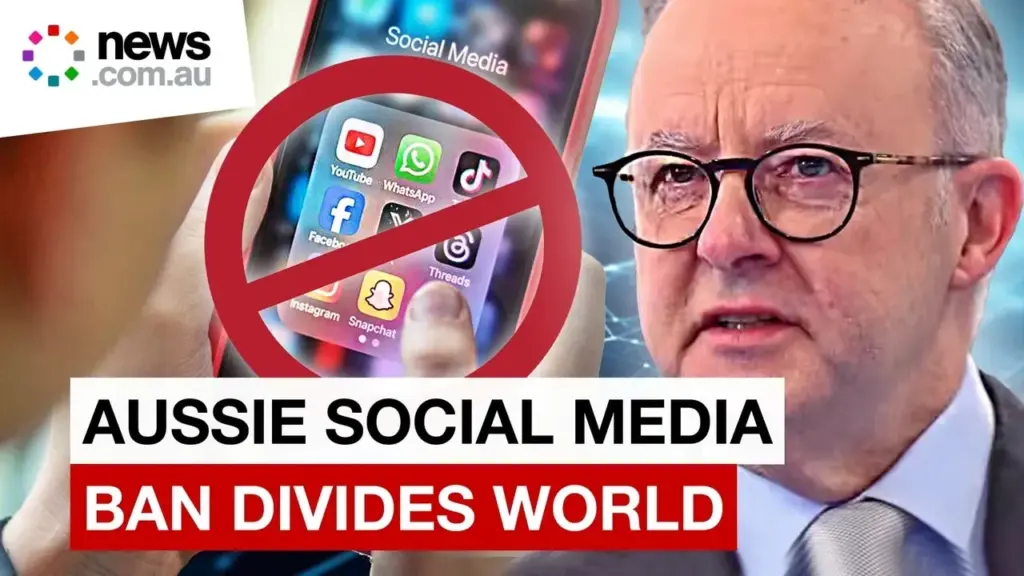
Australia’s social media ban for children marks a significant step toward enhancing online safety for the nation’s youth. In a bold move, the Australian government implemented a law in December that limits access to social media platforms like Instagram and Facebook for individuals under the age of 16. This decision led to the blocking of approximately 550,000 accounts by Meta, as they strive to comply with the new regulations. Advocates argue that these measures are crucial for child protection on social media, helping to shield vulnerable minors from harmful content and risky interactions. However, while many parents applaud this initiative, experts caution that the ban might drive children towards less regulated online environments, potentially undermining the intended safety benefits.
The recent legislation implemented in Australia, often referred to as age restriction policies, sets a precedent in the realm of child safety online. By barring access to popular platforms for users under 16, the government is attempting to foster a safer digital landscape for adolescents. Meta’s enforcement of this rule has already resulted in the suspension of hundreds of thousands of accounts, highlighting the rigorous approach being taken. This initiative draws attention to wider discussions surrounding child safety in the digital age, the complexities of online interactions, and the necessity for robust protective measures. Meanwhile, mental health advocates warn of the possible repercussions on youth connectivity, especially among marginalized groups, prompting a re-evaluation of online engagement strategies.
Overview of Australia’s Social Media Ban for Children
In late 2023, Australia initiated a groundbreaking social media ban designed explicitly for children under the age of 16, impacting major platforms such as Instagram and Facebook. This move comes in response to growing concerns over the safety and impact of social media on young users. Within the first week of enforcement, Meta reported blocking around 550,000 accounts, illustrating the widespread adherence to the new law. This strict regulation underscores Australia’s commitment to prioritizing online safety for children, aligning with global movements toward more stringent age restriction policies.
The Australian government’s decision to implement such a sweeping ban is supported by various advocacy groups that emphasize the need for child protection on social media. By mandating that children be prevented from creating accounts, Australia aims to significantly reduce their exposure to harmful content and predatory algorithms. However, this policy also showcases a unique approach, as it does not allow for parental approval exemptions, making it the strictest of its kind globally. Observers wonder what impact this will have on children’s digital social lives and whether the ban will lead to healthier online experiences.
The Impact of Meta’s Compliance with the Ban
Meta’s compliance with Australia’s social media ban has led to the blocking of nearly 550,000 accounts, a clear indication of the company’s commitment to adhering to local laws. This compliance involved substantial efforts to review accounts, with significant numbers blocked on platforms like Instagram and Facebook. The swift action taken by Meta reinforces the necessity of age verification practices, suggesting that such measures could help maintain the integrity of user experiences across social media channels while protecting younger demographics from potential harm.
Furthermore, Meta’s response highlights the ongoing debate surrounding child protection on social media and how private companies balance user engagement with ethical responsibilities. Critics argue that while blocking accounts is a crucial step, relying solely on technological detection of age may not effectively safeguard children’s interests. The company has suggested that an app store-level age verification could streamline compliance, emphasizing that industry-wide standards might enhance protection and simplify regulatory demands. This opinion has sparked discussions on how best to achieve a safer online environment while fostering constructive dialogue between tech companies and governments.
Challenges in Enforcing Age Restrictions
Despite the advancements in child safety protocols brought about by Australia’s social media ban, challenges remain in enforcing age restrictions effectively. Experts warn that tech-savvy children may find ways to bypass these controls, raising concerns about the law’s efficacy. By presenting false information during age verification processes, children could easily sidestep restrictions meant to shield them from inappropriate content. This loophole illustrates the complexity of managing digital safety in an ever-evolving technological landscape where new applications frequently emerge.
Moreover, some mental health advocates express worry that such stringent laws may inadvertently isolate certain groups of children, such as those from LGBTQ+, neurodivergent, or rural backgrounds, who often rely on digital platforms for social connection. By impeding access to online communities, these policies might prevent young individuals from engaging in supportive networks crucial for their well-being. The balance between enforcing age restrictions and ensuring social inclusivity forms a critical part of the conversation among stakeholders in this increasingly digital age.
Parents’ Perspectives on the Social Media Ban
The implementation of a social media ban for children has received widespread support among Australian parents, who often cite concerns over their children’s exposure to harmful content online. Many parents feel that this measure helps to protect their young ones from the various risks associated with social media use, including cyberbullying, inappropriate content, and negative social influences. The popularity of this ban reflects a significant cultural shift toward prioritizing children’s online safety, indicating that a majority of parents welcome more stringent regulations concerning adolescent access to digital platforms.
However, the ban has divided opinions among adults regarding its long-term effectiveness. While some commend the government for taking strong action to safeguard youth, others worry that restricting children’s access to popular social networks may hinder their social development. The effectiveness of child protection on social media is complex and multifaceted, and as such, parents advocate for a comprehensive approach that combines education, parental controls, and platform responsibility. This ongoing dialogue emphasizes the need for collaborative efforts to meet the challenges posed by digital technologies.
Monitoring the Global Response to Australia’s Policy
Australia’s decision to enforce a social media ban on children has garnered international attention, prompting other countries to reevaluate their policies concerning child protection on social media. From the U.S. state of Florida to the European Union, various governments are observing Australia’s approach, which stands out not only for its strictness but also for its outright denial of parental approval exemptions. The global implications of this policy raise essential questions about the nature of children’s digital rights and the responsibilities of social media companies.
As nations contemplate similar measures, discussions around age restriction policies continue to evolve. The scrutiny surrounding Australia’s unique stance provides an opportunity for policymakers worldwide to assess the effectiveness of their current regulations. Stakeholders are increasingly focused on creating environments that not only prioritize safety but also promote healthy, age-appropriate online engagement. Following Australia’s lead could pilot remarkable changes in how children interact with social media platforms, ultimately leading to a safer digital landscape for young users.
The Role of Technology in Age Verification
The discussion around the enforcement of the social media ban has led to a renewed focus on the role of technology in age verification. As platforms attempt to comply with Australia’s laws, better systems for verifying user age have become a hot topic. Experts advocate for improvements in technology designed to authenticate age without compromising user privacy. Innovations in artificial intelligence and machine learning could play a pivotal role in developing these systems, ensuring that only appropriate users gain access while upholding safety and privacy standards.
However, the challenge lies in striking a balance between rigorous age verification and the user experience on social media platforms. Critics argue that overly intrusive age verification processes may deter legitimate users while failing to effectively limit access for minors. The need for a collaborative effort between tech companies, government regulators, and child protection advocates is essential to create comprehensive solutions that genuinely protect young users without unnecessarily complicating the process of connecting online.
Assessing the Effects on Mental Health
In light of Australia’s social media ban, critical discussions have emerged regarding the potential effects on the mental health of young users. While proponents of the ban argue that it will protect children from harmful online interactions, some mental health professionals caution against the unintended consequences of possible isolation. The digital realm often serves as a critical space for young individuals seeking connection and community, particularly for those who may feel marginalized in their immediate environments.
Supporters of the ban contend that by restricting access, the government prioritizes the mental health and safety of children; however, the challenge remains in ensuring that vulnerable young people aren’t deprived of meaningful connections that foster their well-being. As researchers delve deeper into the correlation between social media usage and mental health outcomes, the balancing act of protecting youth while enabling positive digital interactions will continue to be a necessary focus in discussions surrounding age restrictions on social media.
Future Prospects for Social Media Regulation
Australia’s pioneering approach to regulating children’s access to social media sets a critical precedent for future legislation worldwide. The success or challenges faced in the implementation of this ban could serve as a reference for other countries considering similar measures. Policymakers around the globe are taking note of the public discussion surrounding age restriction policies and their implications on social media use and child welfare.
As Australia’s regulations continue to evolve, there is potential for more nuanced policies that take into account the complexities of user engagement across diverse demographics. The push for comprehensive online safety could lead to collaborative efforts that involve parents, tech companies, and advocacy groups working together to devise solutions that not only restrict access but enhance overall online experiences for young users. The ongoing evolution of these regulations may ultimately shape the future landscape of social media usage, prioritizing child safety while fostering inclusive digital communities.
The Global Information Exchange on Online Safety
Australia’s bold move to enforce a social media ban for children has ignited discussions about the need for a global information exchange on online safety. As countries evaluate their child protection measures, sharing insights, challenges, and strategies becomes imperative. By collaborating internationally, governments can create informed, cohesive policies that prioritize the well-being of minors in the digital space. This could improve the impact of local regulations and enhance the information available to parents and educators navigating the complexities of children’s online engagement.
Establishing an ongoing dialogue between nations will also facilitate a better understanding of effective enforcement methods and their implications for various social and cultural environments. As many countries grapple with the consequences of unrestricted social media access for children, Australia’s approach may serve as both a model and a cautionary tale. Fostering global cooperation in safeguarding children on social media ensures a more comprehensive and effective strategy for protecting the youngest members of society.
Frequently Asked Questions
What is the significance of Australia’s social media ban for children?
Australia’s social media ban for children is significant as it blocks access to platforms like Instagram and Facebook for users under 16, aiming to enhance child protection on social media. The policy seeks to safeguard young users from harmful content and ensure safer online experiences.
How many accounts were blocked by Meta under Australia’s social media ban for children?
During the initial enforcement of Australia’s social media ban for children, Meta reported blocking approximately 550,000 accounts, with major blocks occurring on Instagram (330,639), Facebook (173,497), and Threads (39,916). This swift action highlights the strict age restriction policies the government has implemented.
What are the arguments in favor of the social media ban for children in Australia?
Proponents of the Australia social media ban argue that it is essential for protecting children from harmful online content and risky algorithms. They emphasize that such measures are necessary to ensure the online safety for children and generally receive strong support from parents.
What concerns have been raised regarding the effectiveness of Australia’s social media ban?
Concerns about the effectiveness of Australia’s social media ban include the potential for children to bypass age verification technologies. Critics argue that instead of enhancing safety, the ban may push youth towards less secure online spaces, especially those from marginalized communities.
How does the Australian social media ban compare to similar initiatives worldwide?
Australia’s social media ban for children is the strictest in the world, as it denies parental approval exemptions, unlike other regions experimenting with age restrictions. This unique approach is being watched closely by governments in the U.S. and Europe, which are considering similar child protection measures on social media.
What alternative measures does Meta suggest instead of a social media ban for children?
Meta suggests exploring more refined approaches to age verification at the app store level, advocating incentives for the industry to adopt better standards for online safety. They believe this could mitigate compliance burdens while ensuring consistent protections for young users across all platforms.
Why is the Australian social media ban popular among parents?
The Australian social media ban is popular among parents because it directly addresses concerns about online safety and harmful content exposure for children. Many parents support measures that restrict access to social media platforms for younger users, believing it will protect their children from potential risks.
What has been the reaction of some children to the Australia social media ban?
Some children have expressed concerns that the Australia social media ban limits their ability to form social connections, especially for those in LGBTQ+, neurodivergent, or rural groups. They argue that being unable to access platforms may hinder their social development and ability to engage in supportive online communities.
| Key Points |
|---|
| 550,000 accounts blocked by Meta under the new law. |
| The law prohibits Australians under 16 from having social media accounts. |
| Meta reported blocking 330,639 accounts on Instagram, 173,497 on Facebook, and 39,916 on Threads. |
| The law is the world’s strictest, with no parental approval exemptions allowed. |
| This policy is popular among parents and is backed politically by the Conservative Party. |
| Concerns exist about children circumventing the law and finding unsafe online spaces. |
| Some mental health advocates argue the ban harms children’s social connections. |
Summary
Australia’s social media ban for children marks a significant step in protecting young users from harmful online content. By blocking 550,000 accounts and implementing stringent age verification rules, Australia aims to create safer digital environments. While the law enjoys strong support among parents, challenges regarding enforcement and potential alternative online spaces remain. This initiative underscores a growing trend towards stricter social media regulations globally, potentially influencing future legislation in other regions.