
Listen to this article
In today’s society, athletes making a difference stand at the forefront of social change, leveraging their fame to tackle pressing issues. The influence of sports extends far beyond the field, as many sports professionals actively engage in charitable initiatives that have noteworthy community impacts. From raising funds for critical causes to advocating for underrepresented groups, athlete philanthropy is reshaping the landscape of social responsibility. Icons like LeBron James and Serena Williams set impressive examples by founding organizations that address systemic educational barriers and support youth development. This blog post will delve into the transformative power of these athletes’ efforts, illustrating how they enrich their own lives while uplifting others.
The intersection of sports and philanthropy reveals how sports icons become champions of change in various sectors. With their vast reach and dedicated fan bases, these athletes embody a unique role, acting as catalysts for community enrichment and advocacy. By engaging in diverse charitable undertakings, they elevate important social issues, paving the way for initiatives that foster equity and support underprivileged populations. This exploration of athlete commitments showcases the profound value they bring through their altruistic endeavors, illustrating the ripple effects of their actions on society at large. Through sports engagement and charitable efforts, these figures prove that athleticism is not just about personal achievement but also about collective progress.
The Role of Athletes in Charitable Causes
Athletes have transcended their roles as mere competitors, becoming influential figures in charitable causes. Their status grants them a unique opportunity to shine a spotlight on social issues ranging from poverty to education reform. By leveraging their fame, they can rally support for various initiatives that traditional charities may struggle to promote. For many athletes, engaging in philanthropy is more than a responsibility; it is a calling motivated by their own life experiences and a desire to enact change in their communities.
The connection established between athletes and charitable causes fosters a sense of hope and unity among fans and followers. This relationship drives the public to participate in charitable events, leading to significant fundraising and awareness efforts. Athletes like LeBron James, through his ‘I PROMISE School’, exemplify how sports figures can mobilize communities towards a common goal—creating lasting change and improving lives.
The Impact of Athlete Philanthropy
Athlete philanthropy has emerged as a powerful force affecting entire communities. By using their resources to fund important projects, athletes can spearhead initiatives that provide critical services and support to those in need. For instance, many athletes establish scholarships or donate to youth programs that promote education and skill development, which addresses root causes of inequality. The impact of these programs extends beyond the athletes themselves, creating a ripple effect that positively influences the lives of countless individuals.
Moreover, the influence of athlete philanthropy is often amplified via social media platforms. Athletes can share their experiences and initiatives directly with millions of fans, promoting both engagement and transparency. By doing so, they not only bring awareness to pressing social issues but also inspire their followers to get involved, thereby creating a collective effort to uplift marginalized communities.
Creating Charitable Initiatives Through Sports
Many athletic organizations have begun to integrate charitable initiatives into their core operations. Sports teams and associations are now actively developing programs that align with their missions, facilitating community outreach that combines athletics and philanthropy. For example, NBA teams often host charity games where proceeds are donated to local nonprofits, demonstrating how the love of sports can serve a dual purpose—inspiring players and fans alike to make a charitable impact.
Additionally, partnerships between sports organizations and established charities or foundations enrich these initiatives. They provide resources and expertise, ensuring that events are both impactful and well-organized. For instance, collaborations between NFL players and military charities help raise funds and awareness for veterans’ affairs, showing the profound community impact that can be achieved through sports.
Building Community Through Athlete Engagement
Athletes understand that their influence extends beyond the playing field. By engaging directly with their communities, they foster relationships that strengthen local ties. Many athletes dedicate their time to mentoring youth or participating in community service projects, helping to bridge gaps that may exist due to social or economic disparities. This type of engagement fosters a culture of giving back and motivates young people to pursue their dreams.
For instance, NFL players often volunteer in schools or at community centers, using their profiles to inspire kids and provide them with valuable life lessons. Through these interactions, athletes model positive behavior, turning their personal success into a message of hope and aspiration for the next generation.
The Lasting Legacy of Athlete Charities
When athletes establish charitable foundations, they create lasting legacies that resonate through the communities they serve. These organizations often focus on specific social issues, allowing for targeted help that can lead to sustainable change. Foundations like those run by athletes such as David Beckham or Stephen Curry are not merely short-term fixes; they aim for long-term solutions that address root causes of societal problems.
The ongoing operation of these charities after an athlete’s retirement ensures that their impact continues beyond their playing days. This steadfast commitment to philanthropy not only honors their community but also educates future athletes about the importance of giving back.
The Psychological Benefits of Philanthropy for Athletes
Engaging in charitable work provides psychological benefits for athletes, offering them a sense of fulfillment and purpose beyond competition. Research indicates that when athletes participate in philanthropic efforts, they often experience improved mental health and increased happiness. This sense of giving can alleviate stress and foster a balance between their professional and personal lives.
Furthermore, many athletes report that their involvement in charity work enhances their relationships both within their teams and outside their sports. By collaborating on charitable events, they develop camaraderie and teamwork skills that translate back to their athletic performance, reinforcing the notion that giving enhances not only the receiver’s experience but the giver’s too.
Advocacy and Social Change Through Sports
Athletes have often taken on advocacy roles to address and promote social change. Using their platforms to speak out against injustices, they can mobilize public opinion and encourage action. High-profile cases, such as those of Colin Kaepernick or Megan Rapinoe, spotlight how athletes can engage in advocacy that harnesses their influence for the greater good.
The advocacy efforts by these athletes not only raise awareness about critical issues, such as racial inequality or LGBTQ+ rights, but they also inspire fans to join the conversation. By fostering dialogue and challenging societal norms, athletes play a vital role in shaping cultural narratives and encouraging positive social changes.
Inspiring Future Generations to Give Back
As role models, athletes have an unparalleled ability to inspire future generations. Their involvement in charity can serve as a powerful example for young people, showing them that success is not just about personal achievement but also about lifting others along the way. By witnessing their favorite athletes engage in charitable initiatives, children and teens may feel encouraged to contribute to their communities.
Programs that pair youth with athletes through mentorship or community service projects also help foster a culture of giving. These experiences teach young people the value of empathy and social responsibility, ensuring that the next generation understands the importance of philanthropy and the impact they can have within their communities.
The Future of Athlete Philanthropy
The future of athlete philanthropy looks promising as more athletes recognize the potential impact they can have on social issues. With the rise of social media and digital platforms, athletes now have unprecedented access to mobilize support and engage with their followers around charitable initiatives. This evolution in communication allows for real-time updates and engagement, making philanthropy more accessible.
As newer generations of athletes emerge, their awareness of global issues may push them to advocate for sustainable practices within sports, addressing environmental and social challenges. Their philanthropic efforts are likely to evolve, integrating technology and creativity to create innovative solutions that address modern-day challenges facing communities.
Frequently Asked Questions
How are athletes making a difference in their communities?
Athletes make a difference in their communities through various charitable initiatives, such as fundraising events, mentorship programs, and volunteering. They leverage their fame and influence to support causes like education, health care, and poverty alleviation, often directly engaging with local populations.
What role does athlete philanthropy play in social change?
Athlete philanthropy plays a crucial role in social change by raising awareness and funds for important issues. Athletes use their platforms to highlight challenges faced by marginalized groups, encouraging fans and sponsors to support charitable causes, which leads to substantial community impact.
Can you give examples of athletes involved in sports charity?
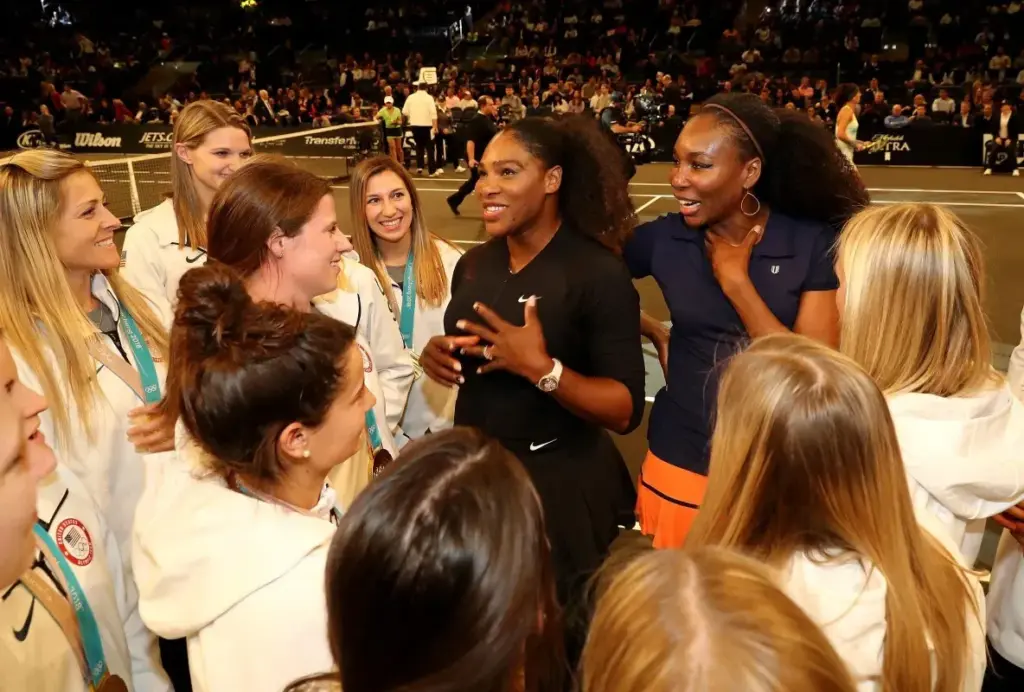
Absolutely! Prominent athletes like LeBron James and Serena Williams have established foundations focused on education and youth empowerment. They organize events and contribute funds to underprivileged communities, showcasing the profound influence of sports charity.
Why is community engagement important for athletes making a difference?
Community engagement is vital as it allows athletes to connect with their fans and the issues they face personally. By doing so, they not only inspire others but also create tangible change, making a lasting impact in their communities through direct action and involvement.
How do athletes organize fundraising initiatives?
Athletes often organize fundraising initiatives through charity events such as benefit concerts, golf tournaments, and sports matches specifically for this purpose. These events raise significant funds while also generating awareness around various social issues.
What are some long-term benefits of athletes establishing charitable foundations?
By establishing charitable foundations, athletes can address specific issues in a structured way, allowing for long-term impact through consistent funding of programs, scholarships, and community development projects aligned with their mission and values.
How does athlete philanthropy influence fan engagement?
Athlete philanthropy influences fan engagement by inspiring fans to support similar charitable causes. When fans see their favorite athletes involved in charity work, it motivates them to participate, fostering a culture of giving and community support around shared values.
What psychological benefits do athletes gain from making a difference?
Engaging in charitable work provides psychological benefits for athletes, including improved mental health, a sense of fulfillment, and enhanced community connection. These experiences can also help them develop vital skills for their sports and life beyond competition.
How can aspiring athletes get involved in charitable initiatives?
Aspiring athletes can get involved in charitable initiatives by volunteering at local organizations, participating in community service projects, or even starting their own fundraising efforts. Following the example of professional athletes can help them understand the impact they can make.
What is the overall impact of athletes making a difference on society?
The overall impact of athletes making a difference is significant, as they serve as powerful role models who promote social change, inspire community involvement, and raise awareness and funds for crucial issues. Their influence encourages others to take action and support charitable causes.
| Key Points | Details |
|---|---|
| The Power of Influence | Athletes leverage their fame to impact social issues, creating awareness and funding for various causes. |
| Fundraising and Awareness | Athletes organize events and dedicate earnings to raise money and promote critical social issues. |
| Community Engagement | Athlete involvement takes forms like mentorship and outreach, driven by their personal experiences. |
| Building Lasting Charitable Organizations | Many athletes establish foundations that focus on specific issues to create a structured philanthropic impact. |
| Psychological Benefits for Athletes | Engagement in charity work enhances athletes’ mental health and skill sets, benefiting their overall careers. |
Summary
Athletes making a difference demonstrates the powerful impact that sports figures can have on society beyond the playing field. As they engage in charitable efforts, athletes not only raise awareness and funds for important causes but also enrich their own lives in the process. Their unique position allows them to inspire others and foster significant changes, proving that the influence of an athlete can resonate deeply within their communities. The collaborative energy between athletes and charitable initiatives creates a robust platform for addressing various social issues, illustrating that the essence of sports lies in its ability to connect and uplift.