Listen to this article
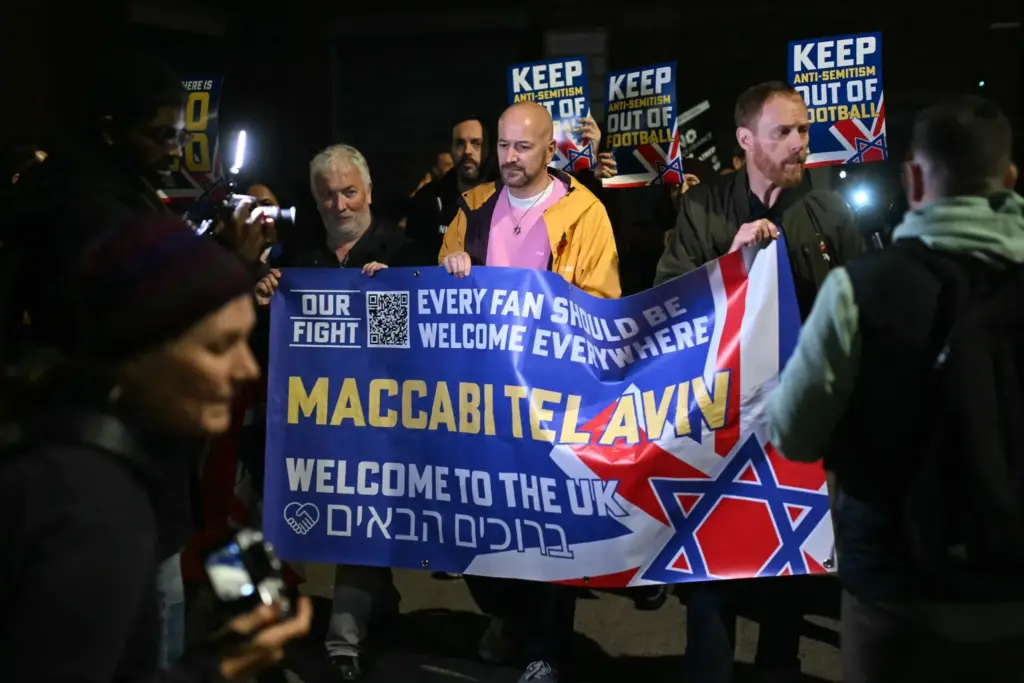
The recent Aston Villa Maccabi Tel Aviv ban has stirred up considerable controversy within the football community and beyond. Birmingham’s council leader faces inquiries from MPs regarding the decision made by West Midlands Police to exclude Maccabi Tel Aviv fans from a November match at Villa Park. This contentious action has been scrutinized amid allegations of antisemitism, drawing commentary from high-profile figures, including Prime Minister Sir Keir Starmer. Proponents of the ban point to concerns over potential violence linked to the Maccabi Tel Aviv supporters, citing troubling intelligence reports. However, opponents argue the decision undermines Birmingham’s reputation as a welcoming city, potentially sending a negative message about community relations and inclusivity.
The recent prohibition on Maccabi Tel Aviv supporters attending an Aston Villa match has ignited debates about public safety and discrimination in football settings. This football match ban, initiated by the council and West Midlands Police, has sparked significant media attention and reaction from various stakeholders, highlighting the complex dynamics between community safety and sportsmanship. As Birmingham grapples with the repercussions of this decision, allegations of antisemitism loom large, prompting a reevaluation of how such policies are enacted. Meanwhile, officials are set to provide testimonies to MPs, revealing the multi-faceted nature of this heated controversy and its implications for local governance.
Understanding the Aston Villa Maccabi Tel Aviv Ban
The decision to ban Maccabi Tel Aviv fans from attending the Aston Villa match on that notable November day sparked significant controversy. Birmingham Council’s decision, heavily influenced by recommendations from West Midlands Police, has elicited a variety of responses from political leaders, community members, and football enthusiasts. Many have raised concerns regarding how such a ruling might imply a perception of antisemitism, especially in the context of ongoing tensions around Jewish communities and their representation at sporting events.
In the fallout, Councillor John Cotton has vocalized his reservations, arguing that barring away fans could hinder Birmingham’s reputation as an inclusive city. Supporters of the ban cite concerns over alleged violent confrontations tied to Maccabi Tel Aviv fans, as highlighted by police intelligence. However, this has been countered by several reports asserting the over-exaggeration of these claims, suggesting a need for more nuanced discourse surrounding the balancing of public safety and community inclusion.
Political Repercussions of the Ban
The discussions surrounding the Aston Villa Maccabi Tel Aviv ban quickly transcended the sports arena, reaching the offices of political leaders like Prime Minister Sir Keir Starmer. His condemnation of the decision reflects broader unease about how public safety measures may inadvertently stigmatize specific communities. Various MPs echoing these sentiments emphasize that the ban, rather than ensuring safety, may perpetuate division and animosity. Such views indicate a robust dialogue is underway about how authorities can manage sporting events without compromising community cohesion.
This growing political engagement around the ban highlights the need for transparency in the decision-making processes of local governance. The forthcoming evidence sessions with Birmingham council leaders and West Midlands Police aim to shed light on the rationale behind the controversial decision, garnering different perspectives that could either affirm existing policies or advocate for reform. The political and public discourse will be crucial in shaping how future sporting events involving diverse communities are managed.
Community Reactions to the Football Match Ban
Reactions from the Birmingham community regarding the decision to prevent Maccabi Tel Aviv fans from attending the match have been mixed. While some community leaders support the ban based on perceived safety concerns, others assert that such actions may reinforce negative perceptions about the Jewish community. Critics argue that the decision could serve to alienate a group that has historically faced discrimination. The diverse reactions from members of various faiths and backgrounds highlight the delicate balance that needs to be struck between public safety and community harmony, particularly in regions with a rich tapestry of cultures, such as Birmingham.
Supporters of Maccabi Tel Aviv, as well as advocates for the Jewish community, have called for dialogue and understanding rather than divisive measures. They emphasize the importance of inclusivity, suggesting that community engagement is essential for fostering a welcoming atmosphere at sports events. This sentiment was echoed in recent discussions regarding the feedback from the various faith-based groups, which suggested a cautious approach to policy decisions affecting community representation.
The Role of West Midlands Police in Safety Assessments
West Midlands Police have played a critical role in determining safety measures surrounding the football match, utilizing intelligence gathered from various sources to inform their decisions. Chief Constable Craig Guildford detailed the information leading up to the ban, including reports of past incidents of violence involving Maccabi Tel Aviv fans. This highlights the complexities faced by law enforcement in navigating potential risks while striving to maintain public safety during large sporting events.
However, the credibility of the police’s intelligence has come under scrutiny, with accusations of conflating different incidents and exaggerating the threats posed. Calls for accountability have intensified, particularly as figures like Shadow Home Secretary Chris Philp demand transparency regarding claims made by the police. As the Home Affairs Committee investigates the decision, the role of police intelligence in shaping community interactions at sporting events continues to be contested.
Exploring Antisemitism Allegations in Sports
The ban on Maccabi Tel Aviv fans has reignited discussions on antisemitism within the world of sports, particularly concerning how certain community actions may unjustly label entire groups as potential threats. The intersection of football and societal issues prompts questions about the implications of such bans on the perception of Jewish communities. As the incident unfolds, it raises critical awareness about the ongoing struggle against antisemitism, urging both authorities and communities to confront biases and work towards mutual respect.
As lawmakers scrutinize the implications of the football match ban, examining the conduct and ramifications surrounding such allegations will be vital. Efforts to balance safety and inclusion require a thoughtful approach to prevent actions that contribute to further stigmatization of specific groups. Addressing antisemitism allegations requires open dialogue, a comprehensive understanding of community dynamics, and a commitment to fostering a safe environment for all fans, regardless of their background.
The Implications of Governance in Sporting Events
The governance surrounding sporting events like the Aston Villa versus Maccabi Tel Aviv match entails complex decision-making processes that involve multiple stakeholders, including police, local government, and community representatives. The recent formation of a review led by an external law firm seeks to address governance issues following the backlash from the ban. This highlights the crucial need for a clear framework that accounts for community concerns while prioritizing safety during large public gatherings.
The review process will likely focus on identifying best practices in event management and ensuring that future decisions are informed by a balanced assessment of risks versus the importance of community inclusion. There is a pressing need for governance that not only safeguards the welfare of attendees but also upholds the values of diversity and representation that are essential in contemporary society. Engaging with communities during these governance dialogues can foster trust and pave the way for more harmonious sporting events in the future.
Looking Ahead: Recommendations for Future Events
In the wake of the ban on Maccabi Tel Aviv fans, there is an opportunity for local authorities and police to reevaluate their protocols when it comes to hosting international matches. Engaging diverse community voices in planning and implementing safety measures can build bridges and mitigate misunderstandings. Recommendations may include conducting broader community consultations, enhancing communication between local government bodies and community leaders, and creating inclusive policies that consider the interests of all stakeholders.
Moreover, establishing clear guidelines on how to approach similar situations in the future can prevent reactive measures that jeopardize community relationships. Striving for a balanced approach toward security while fostering community spirit will be paramount in transforming how sporting events are organized and perceived within society. This unified strategy could pave the way for a future of sports that celebrates diversity and empowers inclusion, reinforcing Birmingham’s image as a welcoming city.
Evaluating the Intersection of Community and Law Enforcement
The ongoing tensions between community expectations and law enforcement decisions, as seen in the Aston Villa Maccabi Tel Aviv disruption, shed light on the complex dynamics at play during major public events. Law enforcement agencies often face the dilemma of ensuring safety while also respecting the rights of individuals and groups. As highlighted by the testimonies expected during the evidence sessions, there needs to be a concerted effort to bridge gaps in understanding between police procedures and community sentiments.
This intersection also presents an opportunity to redefine police-community relationships within Birmingham. By cultivating an environment where feedback from various community factions is actively sought and taken into account, police can foster trust and improve their engagement strategies. This collaborative approach not only enhances public safety outcomes but also strengthens the community’s belief in its ability to participate in shaping policy that directly affects its members.
Anticipating Future Conversations on Inclusivity in Sports
As the debate surrounding the Maccabi Tel Aviv fans’ ban continues, it is imperative that discussions about inclusivity in sports evolve to reflect broader societal values. The intersection of cultural identity and sports fandom raises questions about how identities are represented and perceived during matches. Engaging communities in dialogue around these themes can illuminate the shared experiences of fans while promoting understanding across different backgrounds.
Moving forward, sports organizations, local governments, and police must recognize the integral role they play in advocating for inclusive practices. Educational initiatives that bridge cultural gaps between fan groups can enhance the experience of attending matches, encouraging respect and unity rather than division. By prioritizing inclusivity, the narrative surrounding community interactions at sports events can shift dramatically, leading to a more positive atmosphere for all supporters.
Frequently Asked Questions
What is the reason for the Aston Villa Maccabi Tel Aviv ban from the match?
The ban on Maccabi Tel Aviv fans from attending the Aston Villa match was implemented due to intelligence gathered by West Midlands Police, which indicated potential violence based on previous confrontations involving Maccabi fans. Concerns of antisemitism were also raised following the decision, prompting heightened scrutiny from local officials and MPs.
Which authorities are involved in the Aston Villa Maccabi Tel Aviv ban decision?
The Aston Villa Maccabi Tel Aviv ban involved multiple authorities, including Birmingham City Council, West Midlands Police, and the council’s safety advisory group (SAG). These agencies collaborated to assess safety risks associated with the match.
How has the Birmingham council responded to the Aston Villa Maccabi Tel Aviv ban?
Birmingham council, specifically Councillor John Cotton, has publicly expressed his disapproval of the Aston Villa Maccabi Tel Aviv ban. He indicated he advised against the decision, believing it could harm Birmingham’s reputation as a welcoming city.
What criticisms have arisen regarding the Aston Villa Maccabi Tel Aviv match ban?
The Aston Villa Maccabi Tel Aviv ban has faced significant criticism, including claims from Prime Minister Sir Keir Starmer and other MPs that the ban could be construed as antisemitism. Concerns center around the message this ban sends about community inclusivity.
What kind of intelligence led to the ban on Maccabi Tel Aviv fans at Villa Park?
Intelligence that influenced the decision to ban Maccabi Tel Aviv fans included reports of violence during prior matches involving their supporters. Specific incidents from an Ajax-Maccabi match, such as violent confrontations and organized mobilization, were cited as reasons for the precautionary measures.
What plans does Birmingham council have in response to the Aston Villa Maccabi Tel Aviv ban controversy?
In response to the Aston Villa Maccabi Tel Aviv ban controversy, Birmingham council has announced plans for an independent review by an external law firm to evaluate governance and decision-making processes related to football match safety.
What has been the reaction of the Jewish community to the Aston Villa Maccabi Tel Aviv ban?
Reactions from the Jewish community regarding the Aston Villa Maccabi Tel Aviv ban have been mixed. While some community members have expressed support for the council’s decision, the lack of documented feedback prior to the ban’s announcement has raised concerns about the appropriateness of the response.
Will evidence be provided regarding the decision-making process behind the Aston Villa Maccabi Tel Aviv ban?
Yes, evidence regarding the decision-making process for the Aston Villa Maccabi Tel Aviv ban will be provided during a session with the Home Affairs Committee, where council leaders and police officials are expected to present their views and the intelligence that informed the ban.
How did the West Midlands Police justify the Aston Villa Maccabi Tel Aviv ban?
West Midlands Police justified the Aston Villa Maccabi Tel Aviv ban by citing intelligence related to the behavior of Maccabi fans at previous matches, including mentions of violent incidents and organized mobilization, which led to concerns for public safety.
What actions are being taken following the Aston Villa Maccabi Tel Aviv ban?
Following the Aston Villa Maccabi Tel Aviv ban, Birmingham council plans to conduct an independent review of the decision-making process related to public safety at football matches. This initiative aims to ensure better governance and address community concerns.
| Key Points | Details |
|---|---|
| Birmingham’s Council Leader Summoned | To provide evidence to MPs about the decision to ban Maccabi Tel Aviv fans from an Aston Villa match. |
| Consultations with Police and Safety Advisory Group | Decision made by West Midlands Police and local council to bar away fans from the match on November 6, 2025. |
| Criticism of the Ban | Widespread criticism including accusations of antisemitism and comments from PM Sir Keir Starmer. |
| Council’s Stance | Councillor John Cotton opposed the ban, warning it would negatively impact Birmingham’s image. |
| Independent Review Initiated | Formal review by an external law firm planned to assess governance and decision-making. |
| Police Intelligence Concerns | Chief Constable Craig Guildford cited incidents of violence involving Maccabi fans as justification for the ban. |
| Claims from Previous Incidents | Claims of organized violence by Maccabi fans were challenged by the Dutch police. |
| Community Impact Assessment | No documented support for the ban from Jewish representatives was found prior to the decision. |
Summary
The Aston Villa Maccabi Tel Aviv ban has become a central point of discussion, as Birmingham’s council leader is set to testify before MPs regarding the controversial decision to prohibit Maccabi Tel Aviv fans from attending the upcoming match. This decision has sparked significant backlash, with accusations of antisemitism and questions about the validity of the intelligence that informed the ban. The ensuing debate emphasizes the need for communities to navigate safety and inclusivity delicately, spotlighting the importance of transparent governance and dialogue within diverse communities.