Listen to this article
Assisted dying legislation has emerged as a pivotal issue in the UK, sparking extensive debate in Parliament and among the general public. The recent support for the Terminally Ill Adults (End of Life) Bill reflects the growing awareness of the needs of terminally ill patients seeking autonomy in end-of-life decisions. As the House of Lords engages in thorough scrutiny of the bill, proponents are hopeful for progress, while opponents voice concerns over potential ethical implications. With discussions unfolding amidst a landscape of passionate opinions, the parliamentary process in the UK faces a critical juncture regarding the legalization of assisted death. This legislation aims to provide individuals over 18, diagnosed with terminal illnesses and given six months or less to live, with a dignified option to choose their own end.
The topic of euthanasia laws, particularly in the context of end-of-life choices for the seriously ill, has garnered significant attention recently. Various terms like ‘assisted death UK’ and ‘compassionate dying’ are commonly utilized in discussions surrounding the rights of those with terminal conditions. The ongoing parliamentary process in the UK not only addresses legal frameworks but also reflects societal values regarding the treatment of terminally ill patients. The rise of bills such as the Terminally Ill Adults (End of Life) Bill embodies a shift in perspective, indicating an increasing willingness to consider alternative approaches to end-of-life care. Legislative efforts are now more critical than ever, as advocates push for meaningful reforms amidst a backdrop of moral and ethical considerations.
The Journey of the Terminally Ill Adults (End of Life) Bill
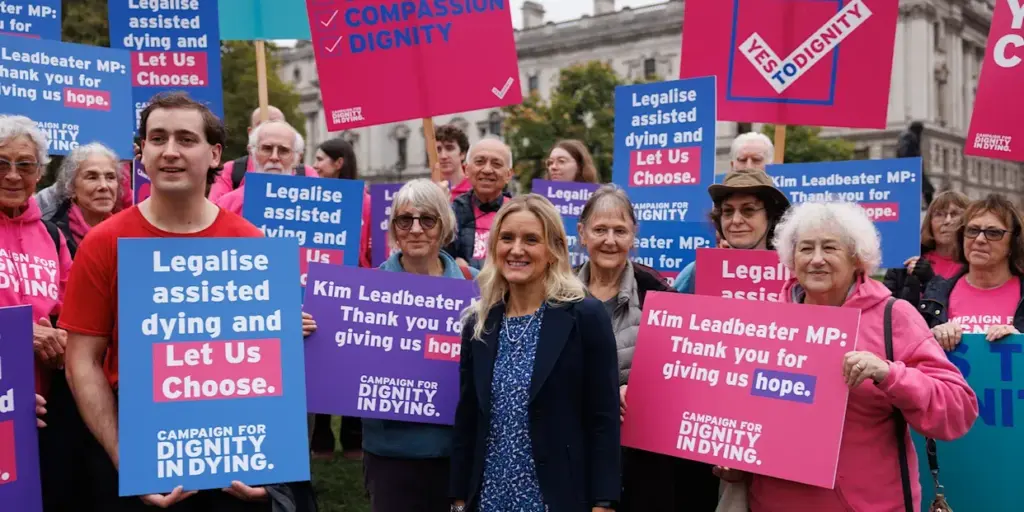
The Terminally Ill Adults (End of Life) Bill has marked a significant moment in UK legislative history, particularly in the context of assisting terminally ill patients in ending their lives under strictly defined parameters. The bill was introduced to Parliament in October 2024 by Labour MP Kim Leadbeater, sparking nationwide debate about the right to assisted death. It aims to provide terminally ill adults, who are anticipated to die within six months, with the ability to receive legal assistance in ending their own lives, a topic that has long been contentious and multifaceted. The initial support from MPs indicates a shifting perspective towards assisted dying, reflecting changing societal values and the challenges faced by individuals with terminal illnesses.
The proposed legislation has navigated through the intricate parliamentary process in the UK. After initial debates in the House of Commons, members of Parliament demonstrated overwhelming support with significant votes, including a majority of 55 in favor of the bill’s principle. This led to a detailed examination of over 500 proposed amendments, illustrating the complex dynamics of parliamentary law-making. As the bill transitions into the scrutiny of the House of Lords, questions arise regarding further amendments and the implications of such changes for the bill’s ultimate fate. As it currently stands, the bill remains a cornerstone discussion in the broader context of assisted dying legislation.
Debate and Deliberation: House of Lords Scrutiny
As the House of Lords engages in detailed scrutiny of the Terminally Ill Adults (End of Life) Bill, the deliberations have sparked passionate debate among peers. Over 1,000 amendments have been proposed, representing an unprecedented level of scrutiny for legislation initiated by a backbench MP. Proponents of assisted dying argue that many of these amendments are superfluous and may serve more to delay than to enhance the bill’s effectiveness. Some have gone so far as to assert that tight scrutiny from unelected peers could undermine the will of the electorate, especially following the backing received from elected MPs in the Commons.
Opposition voices within the House of Lords, however, raise valid concerns about the welfare of vulnerable individuals in the context of assisted dying. With many urging for added safeguards, they emphasize the need for robust protections against potential coercion and the assurance of clear guidelines to govern the process. For instance, proposals to require that individuals seeking assisted death have not traveled abroad in the past year have been highlighted as attempts to ensure thorough regulation. The balance between ensuring safety and advancing the bill to become law continues to challenge this legislative process, showcasing the complexity of reforming assisted dying laws in the UK.
The Government’s Position on Assisted Dying Laws
The UK government has maintained a posture of neutrality regarding the Terminally Ill Adults (End of Life) Bill, allowing MPs and Lords to approach the matter as a personal conscience issue rather than a party directive. This approach underscores the sensitive nature of assisted dying and the divergent views within both the government and Parliament. Although Sir Keir Starmer has expressed personal support for assisted dying, the lack of direct government backing complicates the progression of the bill. This neutrality may contribute to slower legislative advancement, as government time is typically reserved for bills with explicit party backing.
Despite the hesitations, the government’s chief whip in the Lords has availed additional Fridays for discussion, yet the urgency remains as the spring session draws closer. Opposition to government-endorsed time may stifle opportunities for thorough debate on this pivotal legislation. The approach taken by the government reflects the complex interplay between public sentiment, personal belief systems, and the intricate workings of the parliamentary process in the UK. Ultimately, as the House of Lords continues its scrutiny, the uncertainty surrounding the bill’s future remains palpable.
Risks of Legislative Failure for Assisted Dying
The potential for the Terminally Ill Adults (End of Life) Bill to fail highlights the precarious nature of private member’s bills within the UK parliamentary system. With the current session expected to wrap up by spring, time constraints pose a significant risk for this critical piece of legislation. If the bill does not secure approval from both the Commons and the Lords during this timeframe, it will fall and would necessitate restarting the entire parliamentary process. This scenario raises pressing concerns regarding the future of assisted dying discussions in the UK, particularly for those advocating for improved options for terminally ill patients.
Proponents of assisted dying have suggested options such as invoking the Parliament Act, which historically allows legislation to be approved despite significant opposition in the House of Lords. Although legislative history demonstrates the effectiveness of this act, its application to private member’s bills remains an area of contention and uncertainty. All these facets culminate in a scenario where the fate of the bill could hang in the balance, reflecting broader societal concerns about end-of-life choices and the rights of individuals facing terminal illnesses. The complexity surrounding this ongoing legislative process serves as a reminder of the critical discussions that continue to shape assisted dying legislation within the UK.
The Importance of Public Opinion on Assisted Dying
Public opinion holds significant weight in shaping legislation, particularly in sensitive matters like assisted dying. Recent surveys indicate a growing acceptance among the UK populace regarding the concept of assisted death for terminally ill patients, reflecting a shift in attitudes over recent years. As MPs and Lords weigh the merits of the Terminally Ill Adults (End of Life) Bill, public sentiment plays a vital role in influencing their decisions. Engaging with constituents about their views on assisted dying laws can aid legislators in understanding the societal context in which they operate, and the ethical nuances that accompany such a conversation.
As discussions continue in both Houses of Parliament, it is essential that public voices are heard. Advocacy groups working to promote assisted dying have mobilized supporters to raise awareness and push for reforms that align with public opinion. This grassroots effort can complement the formal legislative process, potentially pushing forward a bill that resonates with the values and desires of citizens. As the debate unfolds, the alignment between public sentiment and parliamentary decision-making will be a focal point in determining the future of assisted dying legislation.
Legal Implications of Assisted Dying Legislation
The introduction of the Terminally Ill Adults (End of Life) Bill carries with it profound legal implications that extend beyond the immediate context of assisted dying. Should the bill pass, it would establish a legal framework for assisted death, necessitating a thorough examination of existing laws as they relate to end-of-life practices. The potential legal ramifications could affect healthcare providers, legal professionals, and patients alike, creating a need for additional training and resources to ensure that those involved can navigate the complexities of assisted dying legislation effectively.
Moreover, the bill’s passage could pave the way for further reforms within the healthcare system, necessitating new policies aimed at safeguarding patient rights and the ethical practice of medicine. Legal challenges may arise surrounding the interpretation of the bill, especially concerning the rights of terminally ill patients versus the responsibilities of healthcare professionals. Therefore, the legal landscape surrounding assisted dying laws must be meticulously considered and addressed as the UK progresses towards potential legislative change.
The Role of Advocacy in Shaping Assisted Dying Legislation
Advocacy plays a pivotal role in the trajectory of assisted dying legislation, particularly in mobilizing public support and influencing lawmakers. Organizations dedicated to the rights of terminally ill patients have long championed the cause of assisted death, presenting personal stories and empirical evidence to illustrate the need for reform. Their efforts, bolstered by public opinion, have been instrumental in bringing the Terminally Ill Adults (End of Life) Bill to the forefront of national discourse, galvanizing both support and opposition on this sensitive topic.
Furthermore, advocacy groups often facilitate dialogues among stakeholders, including healthcare professionals, legal experts, and ethicists, to explore the nuances of assisted dying. By fostering informed discussions, these groups encourage nuanced perspectives that can contribute to more stable and well-rounded legislation. As scrutiny in the House of Lords continues, the influence of advocacy efforts cannot be overstated, highlighting the need for collaborative approaches to refine and implement assisted dying laws in a manner that respects the diversity of opinions and experiences surrounding end-of-life issues.
Ethical Considerations in Assisted Dying
The ethical implications of assisted dying are multifaceted, encompassing a broad spectrum of philosophical beliefs, societal norms, and legal considerations. The discussion surrounding the Terminally Ill Adults (End of Life) Bill necessitates a deep dive into ethical questions about autonomy, dignity, and the role of healthcare providers in end-of-life decision-making. Proponents argue that allowing assisted death respects an individual’s autonomy, providing terminally ill patients with the right to choose how and when they die, thereby preserving their dignity in the face of insufferable suffering.
Opponents, however, raise significant ethical concerns regarding the potential for abuse, coercion, and the moral obligations of healthcare providers. The discussion threads through the fear that vulnerable individuals may be pressured into choosing assisted death, challenging the moral integrity of the healthcare system. As the House of Lords continues its examination of the bill, these ethical considerations remain critical; navigating the balance between patient rights and safeguarding against potential exploitation will likely shape the future of assisted dying legislation in the UK.
International Perspectives on Assisted Dying
Examining assisted dying laws from an international perspective yields valuable insights that can inform the debate in the UK. Countries like Canada and the Netherlands have embraced assisted dying within structured laws, providing models that emphasize patient autonomy while incorporating protective measures for vulnerable populations. These examples highlight contrasting approaches to legislation and underscore the varying cultural attitudes towards end-of-life choices around the globe. As the Terminally Ill Adults (End of Life) Bill advances in Parliament, the experience of these countries can serve as both a guide and a cautionary tale for lawmakers in the UK.
Furthermore, international case studies often reveal the importance of public discourse in the development and acceptance of assisted dying legislation. Countries that have successfully implemented such laws typically show a strong public backing, which parallels the current momentum gathering in the UK. Engaging with international perspectives can provide context and understanding, enabling UK legislators to craft legislation that respects the ethical dimensions while addressing the needs of terminally ill patients. This comprehensive approach could bolster support for the proposed legislation as it is scrutinized and debated in the coming months.
Frequently Asked Questions
What is the assisted dying legislation currently proposed in the UK?
The assisted dying legislation, known as the Terminally Ill Adults (End of Life) Bill, proposes to allow individuals over 18 with a terminal illness expected to die within six months to receive assistance in ending their life, subject to specific safeguards. This proposed bill has gained parliamentary support and is undergoing detailed examination.
How does the House of Lords scrutiny impact assisted dying legislation?
The House of Lords scrutiny of the assisted dying legislation involves line-by-line examination and the proposal of amendments, resulting in significant debate and potential changes to the bill before it can advance. This process is crucial for ensuring that the final wording of the legislation considers various viewpoints and safeguards.
What steps must the assisted dying legislation go through before becoming law in the UK?
Before the assisted dying legislation can become law, it must receive unanimous approval from both Houses of Parliament—the House of Commons and the House of Lords. Each house must agree on the final wording of the bill, and it must be completed before the end of the current parliamentary session in spring.
What are the main arguments for and against the assisted dying bill?
Arguments in favor of the assisted dying bill include providing terminally ill patients with the autonomy to choose a dignified end to their suffering. Opponents raise concerns about the potential for abuse and the safety of vulnerable individuals, suggesting that significant amendments are necessary to protect against coercion.
How does the parliamentary process affect the timing of the assisted dying legislation?
The parliamentary process affects the timing of the assisted dying legislation, as it involves extensive debates, scrutiny, and amendment proposals. Given the current pace of discussions, there’s a risk that the bill could run out of time to be enacted before the end of the parliamentary session.
What is the government’s current position on the assisted dying legislation?
The government has expressed neutrality on the assisted dying legislation and has allowed MPs and peers to vote based on personal conscience. While some government figures have shown support for a debate on the matter, no directive has been issued regarding how to vote.
Could the assisted dying legislation fail to become law?
Yes, there is a possibility that the assisted dying legislation could fail to become law if it does not receive approval from both Houses of Parliament before the end of the current session. If this happens, the bill would have to restart the entire parliamentary process, which could significantly delay its enactment.
What potential amendments have been proposed to the assisted dying legislation?
Over 1,000 amendments have been proposed to the assisted dying legislation in the House of Lords, reflecting both support for stronger safeguards and concerns about its wording. Some amendments include requirements for an individual to not have left the country in the previous year or for the assisted death to be filmed.
What historical context surrounds assisted dying legislation in the UK?
The assisted dying legislation has a historical context marked by significant parliamentary debates and votes, including an initial House of Commons vote in favor of the bill in November 2022. Similar legislation has been proposed in Scotland and continues to spark public and political debate.
How can the Parliament Act impact the passing of assisted dying legislation?
The Parliament Act could potentially allow the assisted dying legislation to be passed without the consent of the House of Lords if there is a deadlock between the two houses. However, this approach is rarely used for private member’s bills and would represent a controversial move in the legislative process.
| Key Point | Details |
|---|---|
| Legislation Overview | Proposed Terminally Ill Adults (End of Life) Bill allows assistance in dying for those expected to die within six months, subject to safeguards. |
| House of Commons Support | The bill received initial support in November 2022, with MPs voting in favor by a majority of 55. |
| Debate and Amendments | Over 1,000 amendments proposed in House of Lords, leading to concerns about delay tactics from opponents. |
| Government Stance | The government stands neutral on the bill, treating it as a matter of conscience without directing votes. |
| Potential Outcomes | If not approved by both Houses by spring 2025, the bill will fail and cannot be carried over. |
Summary
Assisted dying legislation remains a contentious issue as it seeks to balance autonomy with the need for safeguarding vulnerable individuals. With its journey through Parliament facing numerous hurdles, including extensive discussions, proposed amendments, and differing opinions among MPs and Lords, its future remains uncertain. Nevertheless, continued support from elected representatives signifies an ongoing push towards the legalization of assisted dying in England and Wales.