
Listen to this article
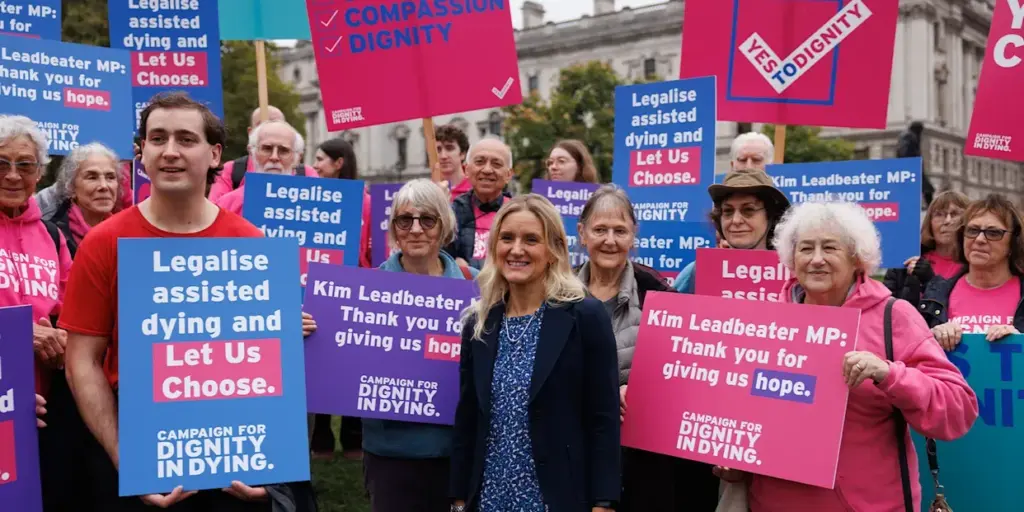
The assisted dying bill has emerged as a poignant topic of debate within the UK Parliament, capturing the attention of lawmakers and the public alike. With its complex implications, this legislation aims to provide individuals with the option of a dignified end to their lives, sparking passionate discussions on ethical and moral grounds. Lord Falconer, a prominent advocate for the bill, argues that without a shift in the approach taken by the House of Lords, the proposed legislation faces insurmountable obstacles to becoming law. Critics express deep concerns over the safety of vulnerable people, emphasizing the need for substantial amendments before any approval. As the clock ticks toward the King’s Speech in May, the use of the Parliament Act looms as a potential path to bypass the Lords’ objections, igniting fears of a constitutional clash over this contentious issue.
The proposed legislation, often referred to as euthanasia or assisted suicide laws, seeks to empower individuals suffering from terminal illnesses with the choice to end their lives on their own terms. Advocates argue that such measures are essential for ensuring personal autonomy and compassionate care at the end of life. Conversely, opponents point to the risks associated with this type of legislation, particularly concerning its impact on vulnerable populations who may feel pressured to choose death over life in distressing circumstances. The ongoing dialogue around assisted death underscores the need for careful consideration of both the legal framework and ethical implications surrounding such sensitive matters. As discussions on assisted dying gain momentum, the role of Parliament, especially the House of Lords, remains a pivotal focal point in determining the future of this legislation.
The Current State of the Assisted Dying Bill
The assisted dying bill finds itself at a critical juncture, as commentators note the increasing difficulty for the legislation to pass this year. Lord Falconer, a prominent advocate, expressed grave concerns about the bill’s prospects within the House of Lords. Reports indicate that without a significant shift in the Lords’ stance, there appears to be no viable path forward for the legislation that seeks to allow terminally ill patients to choose an assisted death.
The political landscape surrounding the assisted dying bill is complex and deeply divisive. Many peers have raised alarms about the potential risks it poses, especially for vulnerable populations who could feel pressured to opt for assisted dying. With discussions heating up around the need for amendments to the bill to better protect these individuals, the outlook remains uncertain as advocates and opponents prepare for what could be a protracted legislative battle.
Potential Use of the Parliament Act
Amid the political impasse, there is talk of utilizing the Parliament Act to circumvent the House of Lords and push the assisted dying bill through. This rarely invoked parliamentary mechanism allows legislation approved by the Commons to become law even if it is rejected by the Lords. Lord Falconer argues that if MPs support the bill, it is their prerogative to see it enacted without delay. This strategy, however, raises questions about parliamentary sovereignty and the role of unelected peers in the legislative process.
Critics argue that employing the Parliament Act in this manner could set a dangerous precedent and might exacerbate tensions between the Houses of Parliament. The idea is contentious, with many opponents warning that such a move would likely lead to significant public backlash, especially from those concerned about the safety of vulnerable individuals under the proposed assisted dying legislation. This debate highlights a broader discussion around the balance of power within the UK’s constitutional framework and how best to navigate sensitive issues.
Concerns of Vulnerability and Ethics
Central to the debate surrounding the assisted dying bill are ethical concerns regarding the protection of vulnerable people. As the bill progresses, opponents highlight the risk that individuals with mental health issues or disabilities could be unintentionally coerced into choosing assisted death. This apprehension reflects a broader societal concern about the adequacy of safeguards within the proposed legislation.
The narrative that assisted dying could potentially pressure vulnerable individuals into premature death has gained traction, prompting serious calls for clarity in the bill’s stipulations. Advocates for amending the bill argue that it is essential to address such vulnerabilities to ensure that any legislation passed does not inadvertently harm those it intends to help. The stakes are high, with peer groups in the House of Lords emphasizing their duty to protect against any legislation that could lead to abuse or exploitation.
The Role of the House of Lords in Legislative Processes
The involvement of the House of Lords in scrutinizing the assisted dying bill is a vital check in the legislative process. As the proposed bill makes its way through Parliament, it encounters rigorous debate that often highlights differing perspectives on critical moral and ethical issues. Members of the Lords have a responsibility to vet such sensitive legislation thoroughly, which can lead to potential delays and revisions aimed at ensuring comprehensive safeguards are in place.
However, this long-standing tradition of review has led to tension between elected officials in the House of Commons who feel empowered by their mandate to initiate crucial changes and the unelected Lords who serve as a counterbalance. The debate over assisted dying serves as a prime example of how these dynamics unfold, with advocates like Lord Falconer urging swift action while others call for a more nuanced approach to protect the welfare of all citizens involved.
Lord Falconer’s Advocacy for Change
A pivotal figure in the push for the assisted dying bill is Lord Falconer, whose advocacy has illuminated the need for legislative reform in this area. As a former justice secretary, he possesses unique insights into the complexities of the legislative process and the ethical implications surrounding assisted dying. His call for a change in approach within the House of Lords is grounded in a thorough understanding of both public sentiment and the dire circumstances faced by terminal patients.
Falconer’s advocacy emphasizes that elected representatives in the House of Commons have conveyed a strong desire for the passage of the bill, and it is their right to implement this change. By actively proposing amendments that address key concerns, he aims to foster a constructive dialogue within the Lords and alleviate fears surrounding vulnerable individuals. His approach balances the urgency for reform with the necessity of ethical considerations, framing the assisted dying discourse as both a compassionate and constitutional necessity.
Legislative Roadblocks and Possible Solutions
The current hurdles facing the assisted dying bill are symbolic of broader challenges within the UK legislative framework. The skepticism shown by many Lords could be attributed to a lack of trust in the safeguards designed to protect vulnerable individuals. This skepticism manifests as calls for rigorous amendments and considerations to ensure that all potential risks are adequately addressed before any law is enacted.
In response to the growing concerns, advocates for the bill suggest forming a Royal Commission to evaluate the implications of the proposed legislation further. Such a commission could bring together experts, stakeholders, and representatives from both Houses to study the issue from all angles. This more deliberative approach might pave the way for compromise and foster a sense of shared responsibility for the welfare of society’s most vulnerable members.
Public Opinion and Assisted Dying Legislation
Public sentiment towards assisted dying legislation is shifting, reflecting changing attitudes towards autonomy and end-of-life choices. Recent polls indicate a growing support for giving terminally ill patients the right to choose an assisted death, highlighting a societal trend where ethical considerations of personal choice are being increasingly weighed against concerns for vulnerable populations.
However, this evolving public opinion does not uniformly translate to political consensus. Lawmakers are acutely aware of the delicacy required in addressing such a personal issue, seeking to balance the voices of those advocating for change with those cautioning against potential pitfalls for vulnerable citizens. As discussions move forward, understanding and integrating public sentiment will be crucial for the success of the assisted dying bill.
The Risks of Legislative Overreach
The potential use of the Parliament Act to push through the assisted dying bill raises alarms about legislative overreach and could undermine public trust in the democratic process. Critics argue that such a contentious issue should not be resolved through what some perceive as a ‘bullying’ tactic but instead through thorough discussion and amendments aimed at protecting vulnerable groups. Observers warn that utilizing this method could further entrench opposition and lead to more significant issues down the line.
Furthermore, passing the bill without incorporating critical amendments could lead to legislation that fails to address inherent flaws, risking the well-being of those it aims to help. The debate over assisted dying legislation has ignited passionate sentiments on both sides, underscoring the need for careful consideration and a respectful dialogue among lawmakers to find a truly equitable solution.
Future Implications for Assisted Dying
As discussions around the assisted dying bill evolve, its implications for the future of healthcare and individual rights in the UK remain profound. Should the bill ultimately pass, it could set a landmark precedent for assisted dying laws globally, prompting other nations to reevaluate their stance on similar issues. This legislation is not merely a local concern but a reflection of broader changes in how societies view end-of-life autonomy.
Conversely, if the bill fails, it may signal a stagnation of progress in discussions about assisted dying, contributing to ongoing debates about the rights of terminally ill individuals. The outcome will undoubtedly shape the discourse on medical ethics and legislation for years to come, making this an essential moment in parliamentary history.
Frequently Asked Questions
What is the current status of the assisted dying bill in the House of Lords?
The assisted dying bill is facing significant challenges in the House of Lords, with warnings from advocates like Lord Falconer that it has ‘absolutely no hope’ of passing without a fundamental change in approach. There is a growing belief among government sources that the legislation will not pass without compromise.
What role does the Parliament Act play in the passing of the assisted dying bill?
The Parliament Act may be used to push through the assisted dying bill despite opposition from the House of Lords. If the bill is rejected by the Lords but passed by the Commons, it could still become law if a matching bill is approved by the Commons again in a new session, overriding Lords’ objections.
What concerns do opponents of the assisted dying legislation raise?
Opponents of the assisted dying legislation express strong concerns about the potential risks it poses to vulnerable people. They argue that without significant amendments, the bill could result in unsafe practices and pressure on individuals, particularly those with disabilities or mental health conditions.
How might Lord Falconer’s amendments affect the assisted dying bill?
Lord Falconer has proposed several amendments to the assisted dying bill aimed at addressing concerns about its implications, such as introducing stricter eligibility criteria and restrictions on advertising for assisted dying services. These amendments are intended to make the bill more acceptable to critics in the House of Lords.
What impact could a Royal Commission have on the assisted dying bill?
Establishing a Royal Commission could provide a thorough examination of the practical questions surrounding the assisted dying bill. This might lead to a more informed and balanced discussion about the legislation, potentially addressing the concerns of both supporters and opponents.
Why is the assisted dying bill considered controversial?
The assisted dying bill is controversial due to the ethical implications of allowing assisted death, particularly for vulnerable populations. Critics argue that it could lead to coercion and societal pressures, while supporters contend it offers autonomy and relief from suffering.
What implications could the use of the Parliament Act have on the legislative process for the assisted dying bill?
Utilizing the Parliament Act to bypass the Lords’ objections would set a constitutional precedent, potentially leading to fierce debates about the balance of power between elected representatives and appointed peers. It could also polarize public opinion further on the sensitive issue of assisted dying.
What is the next step for the assisted dying bill following the King’s Speech?
Following the King’s Speech in May, if the assisted dying bill is renewed and passed by the Commons, it will again face votes in the House of Lords. If it is rejected, supporters may push for its revival using the Parliament Act, but this could provoke significant political conflict.
| Key Points | Details |
|---|---|
| Current Status of the Bill | Lord Falconer warns the assisted dying bill may not pass this year without major changes in the House of Lords. |
| Potential for Parliament Act | Lord Falconer threatens to use the rare Parliament Act to override the Lords if the bill is not passed before the King’s Speech. |
| Opposition Concerns | Opponents cite risks to vulnerable individuals and insist on substantial amendments for safety. |
| Government’s Position | Ministers believe the bill will not pass without substantial compromise and suggest forming a Royal Commission for further discussion. |
| Lord Falconer’s Assurance | Despite difficulties, Falconer insists passing the bill is not impossible if the Lords change their approach. |
| Concerns Over the Parliament Act’s Use | Using the Parliament Act for this bill is seen as controversial and could result in a flawed law. |
| Future Proposals | Falconer has proposed amendments to address concerns, including restricting eligibility and advertising. |
Summary
The assisted dying bill faces significant challenges in becoming law, with Lord Falconer emphasizing that it lacks hope unless the House of Lords alters its approach. The government is cautious, fearing a constitutional clash over the use of the Parliament Act, which may lead to undesired consequences for vulnerable individuals. As discussions continue, the future of the assisted dying bill remains uncertain, calling for informed debate and careful consideration of the ethical implications surrounding this sensitive issue.

