
Listen to this article
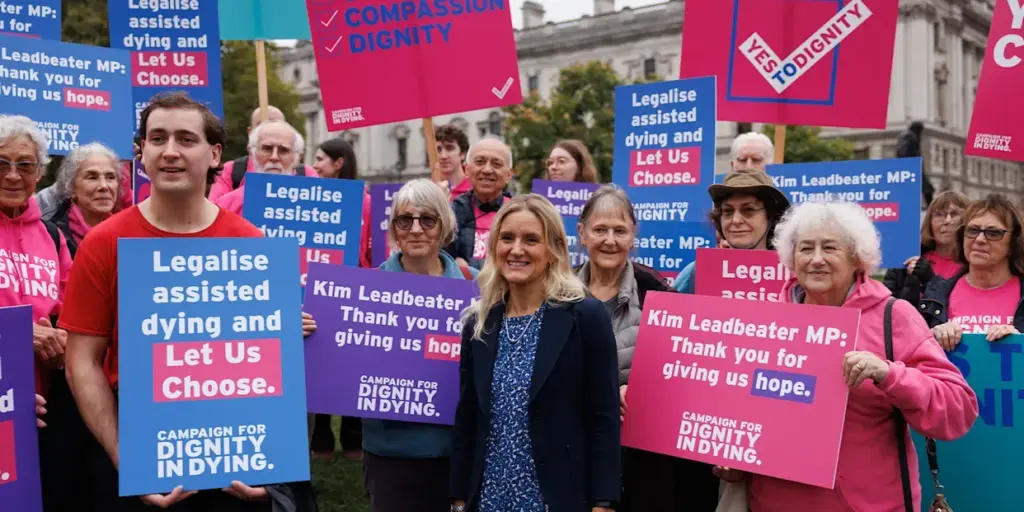
The assisted dying bill has emerged as a pivotal topic in Parliament, as Labour MP Kim Leadbeater pushes for its passage amid growing concerns that time is running out. With a majority of MPs supporting the legislation last June, the bill has encountered delays in the House of Lords due to numerous amendments and a lack of government endorsement. Leadbeater boldly asserts that the government has a ‘duty’ to support the will of Parliament and help facilitate the bill’s progress, especially as the deadline looms. However, the Prime Minister’s declaration of government neutrality complicates matters, as many fear that this stance could stall the much-needed reforms. As debates continue, the future of assisted dying legislation hangs in the balance, prompting urgent calls for decisive action to honor the democratic process.
The discussion surrounding the right to assisted dying has sparked intense debate across the political spectrum in the UK. This controversial legislative proposal, often referred to as the right-to-die bill, has garnered significant attention due to its implications for individuals facing terminal illnesses. Advocates like Kim Leadbeater champion the bill’s potential to offer compassionate choices for those in suffering, while opposition within the Parliament Act raises concerns about its prudence. The ongoing deliberations in the House of Lords reflect a broader societal discourse on government neutrality and moral responsibilities. As the deadline for passing this critical legislation approaches, the calls for a thoughtful and thorough examination continue to grow.
The Importance of the Assisted Dying Bill in Parliament
The assisted dying bill represents a pivotal moment in the evolution of healthcare legislation within the UK. Advocates argue that individuals facing terminal illness deserve the right to choose a dignified end to their suffering, aligning with the broader principles of autonomy and compassion. By allowing Parliament to discuss this legislation, it not only acknowledges the pressing moral and ethical concerns surrounding assisted dying but also serves as a reflection of societal values that support individual rights at critical life junctures.
Parliament acts as the voice of the people, and decisions made within its chambers can profoundly impact lives. As Labour MP Kim Leadbeater passionately noted, the government has a responsibility to respect the will of elected representatives and facilitate discussions around the assisted dying bill. Such legislation could redefine the landscape of healthcare, pushing forward the narrative that individuals have the right to not only live but also to choose how they wish to conclude their lives when faced with intolerable suffering.
Government Neutrality and Its Impact on Assisted Dying Legislation
The stance of government neutrality, as articulated by Prime Minister Sir Keir Starmer, is crucial in the context of the assisted dying bill. While allowing MPs to vote according to their beliefs fosters a diversity of opinions in Parliament, it can also lead to stagnation on significant legislation. This approach, which is meant to reflect a wide array of views within the cabinet, can paradoxically result in delays, potentially compromising the timely passage of bills that have substantial public and parliamentary support.
The challenge lies in balancing government neutrality with the urgent need to respect the legislative process. Critics, including Leadbeater, highlight the potential discord that may arise if the government doesn’t actively advocate for the passage of the assisted dying bill. The call for action is clear: by ensuring parliamentary debates occur on this pressing issue, the government not only honors democratic principles but also assists in aligning legislative actions with the evolving social values regarding life and death decisions.
Parliament Act: A Controversial Tool for the Assisted Dying Bill
The Parliament Act, historically used to expedite legislation without the House of Lords’ agreement, has resurfaced in discussions surrounding the assisted dying bill. If MPs can pass this legislation in the Commons a second time, the Parliament Act could allow it to become law despite potential amendments or blockades in the Lords. This reflects a fundamental tension in democratic governance: the balance between respecting the role of the Lords while ensuring that democratic mandates from the Commons are honored.
However, invoking the Parliament Act carries considerable controversy. Critics, including Labour’s David Smith and Jess Asato, argue that bypassing the Lords undermines the necessary scrutiny that such a profound piece of life-and-death legislation demands. This raises crucial questions about the integrity of the parliamentary process and whether expediency should outweigh thorough examination, particularly when discussing the deeply sensitive topic of assisted dying.
The Role of MPs in Shaping Assisted Dying Legislation
As elected officials, MPs play a vital role in shaping assisted dying legislation in Parliament. Their positions reflect both personal beliefs and the convictions of their constituents, making it imperative that the deliberative process remains both passionate and respectful. Kim Leadbeater’s commitment to advancing the assisted dying bill is emblematic of how MPs can drive necessary changes in legislation, underscoring the need for elected representatives to actively engage with pressing moral issues that affect many lives.
With the bill closely tied to personal autonomy and dignity, MPs are tasked with not only interpreting the sentiments of the public but also articulating complex ethical territories within Parliament. This dual responsibility can be daunting, especially when facing rebellion within one’s party, as seen with various Labour MPs’ reactions to government neutrality. Nevertheless, the continued advocacy and discourse by MPs indicate a robust commitment to representing the diverse perspectives surrounding the assisted dying issue.
The Opposition to Assisted Dying: Concerns and Critiques
Opposition to the assisted dying bill underscores a pivotal aspect of legislative debate. Some members of the House of Lords and portions of the public express profound concerns about the implications of such legislation. Critics argue that legalizing assisted dying could lead to a slippery slope where the value of life is diminished and vulnerable populations could be pressured into making life-ending decisions. These concerns loom large in the legislative chambers, influencing the pace and nature of discussions on the bill.
Moreover, emotional and ethical arguments from opponents hold substantial weight in parliamentary dialogues. Figures such as Nikki Da Costa have emphasized that the legislation is fraught with unresolved flaws. Such critiques highlight the necessity for detailed scrutiny and amendments, ensuring that any legislation passed is not only safe and sound but also ethically responsible. The challenge remains in addressing these concerns while progressing towards a legal framework that many view as essential for compassionate care.
Public Sentiment and the Future of Assisted Dying Legislation
Public sentiment towards assisted dying has been a significant force shaping the narrative surrounding this critical legislation. Polling data consistently reveal that a majority of the UK population supports the right to choose assisted dying under certain conditions. This backing showcases an evolving understanding and acceptance of individual autonomy concerning life-death decisions, putting pressure on Parliament to take action that reflects the will of the people.
As demographic shifts and changing societal values further influence public opinion, MPs are increasingly aware of their constituents’ views on assisted dying. This pressure could catalyze further momentum for the bill, potentially reshaping the legal landscape around end-of-life care. Ultimately, the intersection of public sentiment, ethical considerations, and political dynamics will play a significant role in determining the future of assisted dying legislation in the UK.
Kim Leadbeater: A Key Advocate for Assisted Dying
Kim Leadbeater has emerged as a pivotal figure in the movement for assisted dying legislation within Parliament. As the MP who introduced the bill, her advocacy not only highlights the personal narrative behind the legislation but also serves as a rallying point for supporters seeking change. Her determination to push the bill forward amidst opposition reflects a broader commitment to improving the quality of life for individuals facing terminal illnesses, positioning her as a champion of compassionate care.
Leadbeater’s role amplifies the voices of many who have faced the challenges of end-of-life care, stressing the importance of having a legal framework that allows for assisted dying. By continuing to engage in open dialogue and broader public discussions, she seeks to build consensus around the bill, navigating the complexities of lawmakers’ attitudes and public perceptions. Her leadership serves as a reminder of the profound impact that determined advocates can have on legislative progress.
Filibustering: A Tactic Against the Assisted Dying Bill
Filibustering has emerged as a contentious tactic employed by opponents of the assisted dying bill, impacting the speed and nature of parliamentary discussions. Some members in the House of Lords utilize extensive debate to delay decision-making, effectively stalling progress on legislation with significant momentum behind it. This strategy raises ethical questions about whether the legislative process is being upheld or undermined, especially when addressing important social issues.
While proponents of filibustering argue that it allows for the thorough examination of legislation, its implications can lead to frustration among advocates pushing for timely reforms. As highlighted by Leadbeater’s claims, such tactics threaten to delay critical advancement, demanding that Parliament finds a balance between rigorous debate and the need to respect the democratic will of elected representatives.
The Legislative Process for Assisted Dying: Path Forward
The legislative process for assisted dying in Parliament is laden with complexities and challenges that shape its path forward. As the assisted dying bill progresses through both the House of Commons and the House of Lords, parliamentary schedules, debates, and timelines play crucial roles in determining its fate. With a deadline looming before the end of the parliamentary session, the urgency for lawmakers to act on the bill is palpable, signaling a crucial juncture in shaping the future of end-of-life options.
The role of governing bodies in facilitating the legislative process can greatly influence the outcome of the assisted dying bill. Potential strategies may involve allocating more time for debate or reconsidering approaches to engage both chambers effectively. By navigating these intricate political dynamics, Parliament can better address the needs and voices of constituents who see the assisted dying bill as a critical advancement in healthcare rights.
Frequently Asked Questions
What is the current status of the assisted dying bill in Parliament?
The assisted dying bill, introduced by Labour MP Kim Leadbeater, received support in the House of Commons last June, passing by a majority of 23 votes. However, it has faced slow progression in the House of Lords due to numerous amendments. With a parliamentary session deadline set for May, pressure mounts for its passage.
How does government neutrality affect the assisted dying legislation?
Prime Minister Sir Keir Starmer has stated that the government will maintain neutrality on the assisted dying legislation, allowing MPs to vote in alignment with their beliefs rather than a party line. This has sparked debate on whether the government should actively support the bill’s passage through Parliament.
What challenges is the assisted dying bill facing in the House of Lords?
The assisted dying bill is encountering resistance in the House of Lords due to a significant number of amendments and tactics like filibustering from opponents who seek to alter what they consider a flawed bill. This resistance raises concerns about its likelihood of becoming law.
Who are the key figures pushing for the assisted dying bill?
Key figures supporting the assisted dying bill include Labour MP Kim Leadbeater, who introduced the bill, and Lord Falconer, who is guiding it through Parliament. They argue for the bill’s passage, emphasizing the need to respect the will of the democratically elected members of the House of Commons.
What is the Parliament Act and how might it relate to the assisted dying bill?
The Parliament Act allows for a bill passed by the House of Commons twice to become law without the consent of the House of Lords. Lord Falconer has suggested using this act to ensure the assisted dying bill can progress despite opposition, though some critics argue this would undermine parliamentary scrutiny.
What are the implications of delaying the assisted dying bill?
Delaying the assisted dying bill could result in it not becoming law if it does not pass through both Houses by the end of the parliamentary session in May. This has raised concerns about the lack of legislative progress on the issue of assisted dying, which is facing increasing public interest.
What arguments are opponents of the assisted dying bill making?
Opponents of the assisted dying bill, including Labour MPs and some peers, argue that it is an unsafe and deficient piece of legislation. They are calling for amendments and improvements rather than outright passage, asserting the need for thorough scrutiny given the profound life-and-death implications of the bill.
Has Prime Minister Sir Keir Starmer expressed personal views about the assisted dying legislation?
Yes, Prime Minister Sir Keir Starmer has previously shown support for changing the law on assisted dying and voted in favor of the legislation. However, his administration has committed to a stance of governmental neutrality on the bill as a whole.
| Key Points |
|---|
| The government is urged to support the assisted dying bill, which has faced slow progress due to numerous amendments in the House of Lords. |
| Labour MP Kim Leadbeater emphasizes the government’s duty to respect the will of Parliament as the bill has already been endorsed. |
| Prime Minister Sir Keir Starmer states that the government will remain neutral, allowing MPs to vote based on personal beliefs rather than party lines. |
| The assisted dying bill must pass both Houses before the parliamentary session ends in May to become law. |
| Leadbeater claims a majority of peers support the bill, but opponents are accused of using filibustering tactics to delay its progress. |
| Lord Falconer proposes invoking the Parliament Act to bypass obstacles in the House of Lords, which has stirred controversy and opposition. |
| Opponents of the bill argue that it should not be forced without proper scrutiny, given its significant implications for life and death. |
Summary
The assisted dying bill is currently under significant scrutiny in Parliament, with strong calls for the government to ensure its passage. Labour MP Kim Leadbeater has highlighted the government’s obligation to honor the legislative decisions made by elected officials. Despite support in the Commons, the bill faces challenges in the House of Lords that could jeopardize its enactment unless timely action is taken. Both political leaders and critics emphasize the need for careful consideration given the bill’s serious implications. As discussions continue, the outcome remains uncertain, potentially impacting countless lives.