
Listen to this article
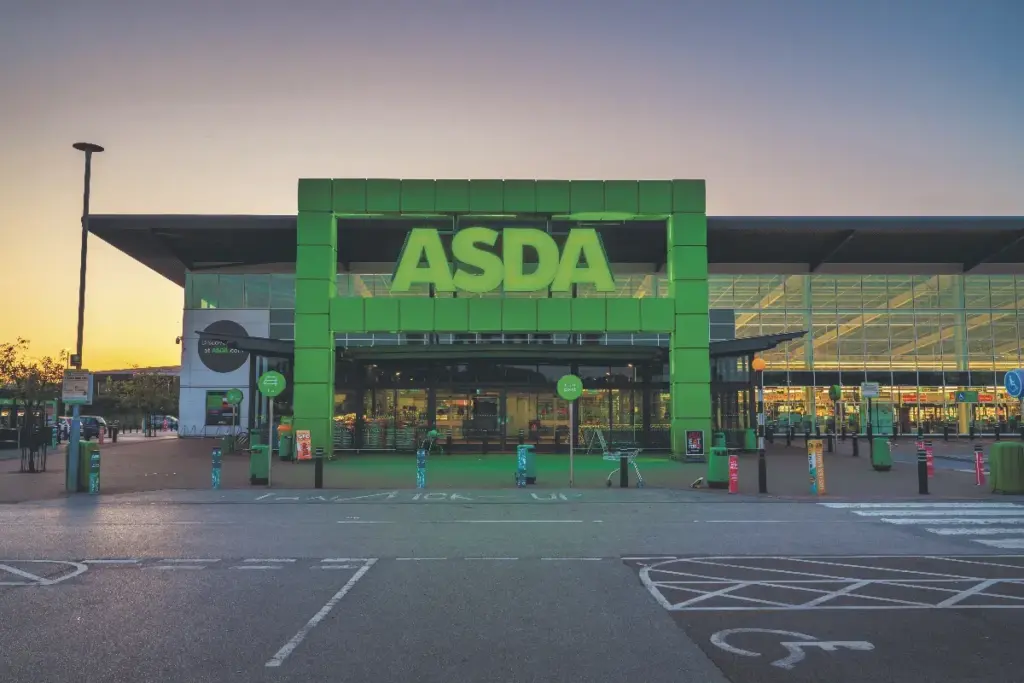
Asda’s turnaround is critical as the supermarket chain faces significant challenges, including a notable decline in sales and market share amidst growing competition. Once Britain’s go-to for budget-friendly shopping, Asda has battled against Aldi and Lidl, which have increasingly won over price-sensitive customers. This period of struggle has prompted Asda to reevaluate its pricing strategy and undertake a comprehensive plan aimed at enhancing the customer experience. Despite ongoing efforts, including price cuts and revamped promotions, Asda still grapples with perceptions of empty shelves and diminished service quality, which deter shoppers. As the company seeks to reclaim its position in the market, the effectiveness of its turnaround strategy will be paramount in reversing the ongoing sales decline and boosting its market presence.
The revival of Asda is a pressing concern as the retailer attempts to rejuvenate its brand and reconnect with its customer base. With a history rooted in affordability, the iconic UK supermarket has recently encountered a multitude of operational issues, ranging from reduced product availability to customer dissatisfaction. In an increasingly competitive landscape, Asda is focused on reshaping its pricing framework to sharpen its competitive edge and improve the overall shopping experience. However, despite implementing various strategies to counteract declining patronage, the brand must address deeper issues related to its supply chain and market positioning. As such, Asda’s journey toward recovery hinges on not just pricing adjustments but also on restoring customer trust and loyalty.
The Decline in Asda’s Market Share
Asda has faced a significant decline in its market share over the past few years, dropping from a robust 14.3% just before its takeover to a concerning 11.4% by the end of December 2025. This decline can be attributed to several factors, including rising competition from discount retailers such as Aldi and Lidl, which have successfully captured the attention of budget-conscious consumers. As a result, Asda needs to reevaluate its strategies to reclaim lost ground and regain its position in the grocery market.
Additionally, the historical reputation of Asda as a low-cost grocery store is fading. With sales decreasing by 4.2% in a competitive market while rivals experienced growth, this paints a concerning picture for the supermarket. To counteract its fading market share, Asda must enhance its pricing strategy and focus on improving customer experience, ensuring that it not only matches competitors on price but also excels in customer service and product availability.
Asda’s Turnaround Strategy: Challenges Ahead
In an effort to counteract lagging sales, Asda has initiated a turnaround strategy that aims to restore its former glory as a household name in British grocery retail. A key aspect of this strategy includes the reintroduction of the ‘Asda Rollback’ campaign, which promises temporary price cuts on essential items. However, despite these ambitious efforts, early signs indicate that the revitalization plan has not yet yielded the desired results, leaving many doubting whether Asda can truly recover its lost charm and customer loyalty.
To add to the difficulties, Asda is navigating through a post-pandemic landscape, characterized by high inflation rates and increased operational costs. All of these factors complicate the execution of the turnaround plan. As the retailer attempts to increase its focus on competitive pricing, it also needs to consider customer experience thoughtfully. Improvement in this area is essential, as shoppers have expressed concerns over empty shelves and poor store availability, which continue to undermine their shopping experiences.
Understanding Asda’s Pricing Strategy
Asda has historically prided itself on its competitive pricing, which attracted a loyal customer base looking for value. However, the shifting dynamics of the grocery market have prompted Asda to reconsider its pricing strategy amidst growing competition. The implementation of the marketing strategy focused on promotional price reductions aims to entice customers back into the stores by offering prices lower than those of competitors like Tesco and Sainsbury’s. Nevertheless, the effectiveness of this tactic remains under scrutiny, as the negative customer sentiment about store experience could overshadow pricing advantages.
Moreover, a successful pricing strategy alone cannot guarantee customer returns. Shoppers today are not only price-sensitive but also concerned about the overall shopping experience, including stock availability and store cleanliness. If Asda fails to balance its ambitious pricing initiatives with a high standard of customer service and in-store experience, it risks alienating a considerable segment of its customer base who have already sought alternatives in the rising competition.
The Impact of Asda’s Customer Experience
Customer experience has become a pivotal aspect of grocery retail, as it can significantly influence a shopper’s loyalty to a brand. Asda’s recent challenges have highlighted that while pricing can attract customers, a lackluster shopping experience can drive them away just as quickly. Reports of empty shelves, long wait times, and unresponsive staff have deterred some patrons from returning, prompting them to explore alternatives like Aldi and Lidl, which have garnered praise for their efficient service. Asda must take these complaints seriously if it intends to revitalize its image.
In order to improve the customer experience, Asda’s leadership has recognized the need for stronger investment in customer service training and store management. By doubling down on staffing levels, enhancing product availability, and ensuring shelves are consistently stocked, Asda could drive valuable improvements in customer satisfaction. It’s imperative that Asda blends favorable pricing with exceptional service to create a compelling shopping environment that encourages repeat visits from both loyal customers and newcomers.
The Controversial Management Changes at Asda
The recent management changes at Asda have been polarizing, with some observers questioning whether the new leadership can effectively navigate the supermarket through its current turmoil. The shift in control from Walmart to a private equity firm has brought about significant changes in operational strategy, with a notable emphasis on aggressive pricing, financial management, and long-term profitability. Nevertheless, the high turnover among top executives raises concerns that such instability could lead to inconsistent direction in Asda’s turnaround efforts.
As the former CEO stepped down and new leadership was brought in, it is crucial for Asda to establish a coherent vision and strategy to regain consumer trust. The recent replacements in management may signal an attempt to reignite the company’s competitive edge, but execution is key. Consumers are looking for brands that can demonstrate stability and reliability, qualities that Asda needs to display amid its transition and ongoing challenges within the market.
Addressing Asda’s Supply Chain Issues
Supply chain management has emerged as a critical concern for Asda, particularly following the disruptive changes brought on by the COVID-19 pandemic. Customers have reported issues such as empty shelves and limited product availability, signaling deeper logistical problems within the company’s operational framework. A commitment to a more robust supply chain strategy could be essential for Asda in regaining the loyalty of its customers, as shoppers directly associate product availability with their overall shopping experience.
Improving supply chains involves not only better inventory management but also enhanced relationships with suppliers. Asda’s leadership must focus on building a resilient supply chain that allows for flexibility and responsiveness to consumer demands. Fulfilling customers’ expectations regarding product availability is essential to combat competitors who have managed their supply chains more effectively, thereby creating a more enticing shopping environment.
The Competitive Landscape: Asda vs. Rivals
Asda operates in an increasingly competitive landscape where discount retailers are making significant strides. The rise of Aldi and Lidl has redefined the grocery shopping experience for consumers, pushing traditional retailers like Asda to adapt rapidly to prevent further loss of market share. Understanding the competitive advantages these discounters offer — primarily low prices combined with efficient shopping experiences — is paramount for Asda as it formulates its recovery plan.
To effectively compete with these rivals, Asda must emphasize its unique selling propositions, providing not only competitive prices but also an extensive product range and a superior shopping experience. Partnerships with reputable suppliers, innovative marketing strategies, and customer loyalty programs could enhance Asda’s direct appeal to customers looking for quality alongside value, ultimately allowing it to carve out a distinct niche in the marketplace.
Future Prospects for Asda’s Recovery
Looking ahead, Asda’s journey toward recovery hinges on its ability to execute its turnaround strategy effectively. The grocery retailer’s leadership has expressed commitment to revitalize the brand and restore its competitive edge by focusing on customer experience, pricing strategy, and enhanced store performance. However, the path forward is fraught with challenges, particularly given the high levels of debt affecting operational flexibility.
Key to Asda’s success will be a careful balance between aggressive pricing and ensuring a high level of service that retains customer loyalty. As the supermarket gears up for 2026, a year deemed crucial for its recovery, navigating market trends and competitor responses while maintaining operational excellence will dictate whether Asda can rebound effectively and regain its status as a preferred shopping destination.
Frequently Asked Questions
What is the Asda turnaround strategy and how is it addressing the Asda sales decline?
The Asda turnaround strategy focuses on revitalizing the supermarket’s brand by implementing a price reduction campaign known as ‘Asda Rollback,’ which aims to make its prices 5-10% lower than those of traditional competitors by 2026. This approach is designed to regain customer trust and reverse the current Asda sales decline.
How has the recent Asda supermarket problems affected its market share in the UK?
Recent Asda supermarket problems, including supply chain disruptions and poor store conditions, have led to a significant drop in Asda’s market share, decreasing from 14.3% before the takeover to just 11.4% by the end of 2025. These issues have driven loyal customers to competitors, further complicating the turnaround efforts.
What pricing strategies is Asda employing to combat its sales decline?
Asda is employing a pricing strategy that revolves around temporary price cuts termed ‘Rollbacks.’ This involves lowering prices on selected products significantly. The goal is to create a perception of better value and to compete more effectively against discount brands like Aldi and Lidl, which have contributed to Asda’s declining sales.
How important is customer experience in Asda’s turnaround plan?
Customer experience is central to Asda’s turnaround plan. The company aims to improve service quality, store cleanliness, product availability, and overall shopping experience, as negative perceptions regarding these factors have contributed to its sales decline. Enhancing customer satisfaction is essential for winning back the loyalty of previous shoppers.
Can Asda regain its lost market share, or is it too far gone?
While Asda’s turnaround plan seeks to regain lost market share, the challenges it faces, including high debt levels and stiff competition, present significant hurdles. However, if Asda effectively executes its strategies and improves customer experience, there is potential for recovery in market share, albeit over a multi-year period.
| Key Issue | Details |
|---|---|
| Loss of Market Share | Asda’s market share fell from 14.3% to 11.4% from 2020 to 2025. |
| Declining Sales | Sales dropped by 4.2% during Christmas 2025 while competitors saw growth. |
| Investment and Debt Issues | High levels of debt are limiting Asda’s ability to invest in stores and operations. |
| Management Changes | After the takeover, Asda experienced high management turnover impacting operations. |
| Turnaround Strategy | Allan Leighton introduced the ‘Rollback’ strategy to reduce prices by 5-10% by 2026. |
| Customer Experience | Concerns about empty shelves and poor customer service affect shopper loyalty. |
| Future Outlook | 2026 seen as critical for Asda’s potential recovery and maintaining customer trust. |
Summary
The Asda turnaround is crucial as the supermarket strives to recover its lost market share and customer loyalty. Despite recent efforts, including pricing strategies like the Rollback campaign, Asda faces significant challenges due to high debt levels and management transitions. As they work towards regaining customer trust by improving in-store experiences and stock availability, the outcome in 2026 will be pivotal for deciding the future trajectory of this once-beloved retailer.

