
Listen to this article
The upcoming Artemis II mission marks a historic milestone as NASA gears up for its first crewed voyage to the Moon in over half a century. Scheduled to launch as early as February 6, 2024, this groundbreaking mission will send four astronauts on a 10-day journey, orbiting the Moon and providing crucial data for future lunar explorations. The Artemis II launch is a pivotal step in NASA’s broader vision of returning humans to the Moon and making lasting advancements in space exploration. With the massive Space Launch System now positioned on the launch pad at Cape Canaveral, Florida, the anticipation for this mission heightens. As the world watches this significant crewed Moon mission unfold, the Artemis II mission underscores humanity’s enduring quest to explore and understand our celestial neighborhood.
The Artemis II mission represents an exciting new chapter in human space travel, as NASA prepares to send astronauts beyond Earth’s atmosphere once again. This innovative lunar orbit mission, which is part of the larger Artemis program, aims to gather vital insights and pave the way for future missions, including potential lunar landings. With its crew of pioneering astronauts, the mission symbolizes a bold step in pushing the boundaries of space exploration. As preparations intensify on the launch pad, the Artemis II initiative serves not just as a testament to technological advancements but also as an inspiration for generations to come.
NASA Artemis II Mission: Setting the Stage for Lunar Exploration
The NASA Artemis II mission marks a pivotal moment in space exploration history, as it will be the first crewed mission to the Moon in over five decades. Following in the footsteps of the Apollo program, the Artemis II mission is designed to not only orbit the Moon but also lay the groundwork for future lunar explorations and scientific achievements. This mission is crucial in enhancing humanity’s understanding of the Moon, which serves as a stepping stone for deeper space exploration. As the mega rocket, Space Launch System, has been transported to the launch pad, finalists preparations are underway, ensuring everything is meticulously checked for a successful launch that could take place as early as February 6.
With a planned duration of 10 days, the Artemis II mission includes a team of four astronauts who will journey around the Moon. These astronauts—Reid Wiseman, Victor Glover, Christina Koch, and Jeremy Hansen—are set to conduct scientific observations and gather data that can inform future missions, including the highly anticipated Artemis III mission. Although Artemis II will not land on the lunar surface, it represents a significant milestone in human spaceflight, fostering technological advancements and inspiring the next generation of explorers.
The Journey to Artemis II Launch: Challenges and Innovations
The process of preparing for the Artemis II launch is a feat of engineering and innovation. With the space rocket moving slowly to Launch Pad 39B via a crawler-transporter, every aspect of the operation is executed flawlessly and under close scrutiny. The ‘wet dress rehearsal’ is among the critical final tests that NASA will carry out, simulating the countdown and fueling operations for a real launch. The initiative underscores NASA’s commitment to safety and precision, as the stakes have never been higher in contemporary space exploration.
As NASA gears up for the Artemis II launch, the mission has faced its share of delays and challenges. Years of development have demanded significant investment in technology and human resources, reflective of the complexities involved in a crewed lunar mission. Engineers and scientists are dedicated to ensuring that each component, especially elements like the European Service Module, operates without failure, providing life support and propulsion necessary for the spacecraft’s journey to the Moon and back.
Artemis II Astronauts: Prepare to Inspire Future Generations
The four astronauts participating in the Artemis II mission play a significant role not only in the success of the mission but also in inspiring future generations of space enthusiasts. Their character and teamwork exemplify the spirit of exploration and discovery that NASA embodies. As Christina Koch eloquently noted, the calm demeanor of astronauts during launches arises from their thorough training and commitment to their mission. This mindset is crucial, as they prepare for an experience that few have been privileged to encounter—the view of Earth from space and the opportunity to observe the Moon from a unique perspective.
Furthermore, Canadian astronaut Jeremy Hansen’s reflections on the Moon being a constant presence in our lives underscores the human connection to space exploration. As they orbit the Moon, the Artemis II crew aims to encourage broader interest in lunar missions and astronomical pursuits, fostering a sense of unity and curiosity among people around the globe. Their pivotal journey will mark a new era in human spaceflight, rekindling society’s appreciation for the wonders beyond our planet.
Exploring the Science Behind Artemis II: A New Era
As part of the Artemis II mission, the astronauts will not only orbit the Moon, but they will also contribute to scientific research that pushes the boundaries of human knowledge. This includes lunar observations and studies of its geology, which will be crucial for future lunar landings. By dedicating time to evaluate the Moon’s surface, the crew’s efforts will assist in fine-tuning landing strategies and resource utilization for sustainable lunar exploration.
Moreover, the scientific operations planned during Artemis II reflect NASA’s commitment to integrating science into every aspect of their missions. The data collected during this mission will be pivotal not only for Artemis III but also for conceptualizing human exploration of Mars and beyond. This mission serves as more than just a visit to the Moon; it’s a crucial step in establishing humanity’s long-term presence in space.
The Role of the European Service Module in Artemis II
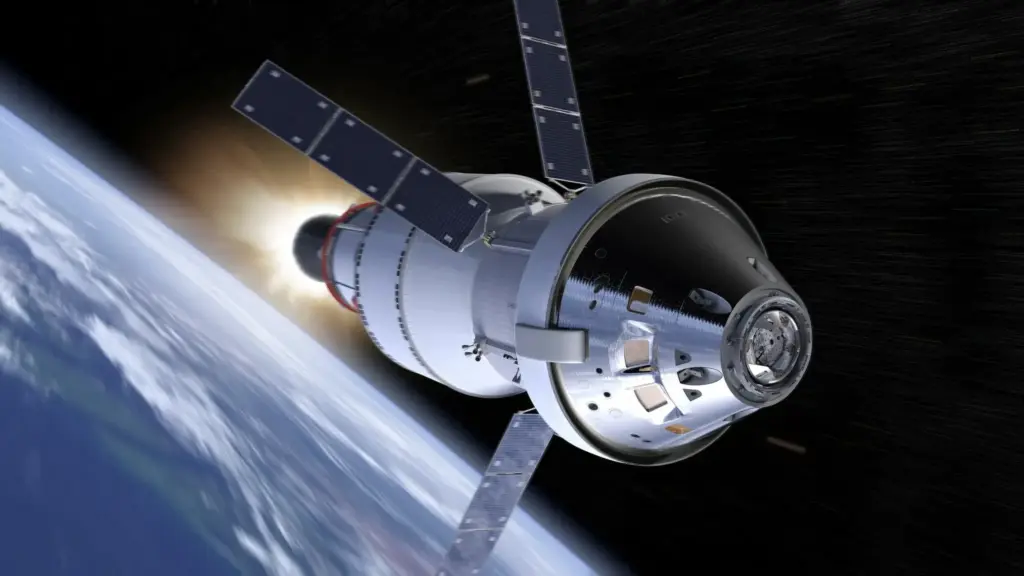
An essential component of the Artemis II mission is the European Service Module, which provides crucial support to the Orion spacecraft during its journey to the Moon. Built by Airbus for the European Space Agency, this module features advanced propulsion systems, essential life-support systems, and innovative solar arrays that generate power. The module’s capabilities ensure that astronauts have the oxygen, nitrogen, and water they need for a successful mission, making the European partnership a vital aspect of this international endeavor.
The importance of the European Service Module cannot be overstated in the context of crewed lunar missions. According to aerospace engineers, without this technology, reaching the Moon would be logistically unfeasible. It highlights the collaboration between nations as they unite for a common goal—exploring the Moon and paving the way for future deep space missions. As the Artemis II mission prepares to launch, the innovative engineering behind the European Service Module embodies the spirit of international cooperation in space exploration.
Preparing for the Artemis II Launch: Safety First
NASA is under immense pressure to ensure that the Artemis II mission progresses smoothly after years of delays. Safety is prioritized above all else, as reiterated by John Honeycutt, chair of the Artemis mission management team. Every protocol is being meticulously followed to ensure the safe return of the astronauts to Earth. This commitment to safety reflects a broader ethos that permeates NASA’s approach to crewed space exploration, recognizing that the risks involved are significant.
In the final days leading up to the Artemis II launch, teams on the ground are running through a series of rehearsals and testing protocols to guarantee that everything functions correctly. From systems checks to emergency procedures, each detail cannot be overlooked as NASA repositions itself as a leader in cutting-edge space exploration. With the Artemis II crew looking to the Moon, their safety remains the top priority, promising a careful and calculated approach to this groundbreaking mission.
The Surrounding Public Interest in Artemis II Mission
The public’s interest in the Artemis II mission is growing exponentially, as people around the world anticipate the launch that may inspire a new generation of scientists and explorers. This mission captures the imagination and symbolically represents humanity’s desire to explore the vast unknown of space. As the launch date approaches, NASA is ramping up its efforts to engage audiences through live broadcasts, educational content, and public outreach, encouraging widespread participation in the excitement surrounding the mission.
This engagement is particularly significant given the historical context of lunar exploration. As Artemis II aims to return humans to the Moon’s vicinity, it rekindles public fascination for space travel harkening back to the Apollo era. The orchestrated launch operations, combined with the compelling narratives of the astronauts, create a rich tapestry of interest that not only informs but energizes the public’s understanding of space science and exploration, paving the way for sustained support for future missions.
Technological Advances Fueling the Artemis II Mission
The Artemis II mission showcases numerous technological advancements that have been developed since the Apollo missions. The capabilities of the Space Launch System (SLS) provide unprecedented lift capacity and reliability, essential for carrying crew and equipment into lunar orbit. Innovations in propulsion, spacecraft systems, and data communication ensure optimal performance and safety as astronauts engage in complex operations around the Moon.
Beyond the SLS, the Orion spacecraft equipped with the latest technology supports critical mission objectives. Features such as autonomous navigation systems, upgraded life support capabilities, and enhanced durability mean that astronauts will benefit from state-of-the-art resources designed for deep space exploration. These aggressive advancements pave the way for not only Artemis II but also future missions, establishing a new benchmark for human exploration of the Moon and beyond.
Looking Ahead: What to Expect Post-Artemis II
After the Artemis II mission, the landscape of lunar exploration is set to change dramatically. With valuable data and insights gained from orbiting the Moon, NASA will refine its strategies for planned lunar landings scheduled for future Artemis missions. Following Artemis II, the focus will shift toward the construction of sustainable infrastructure on the Moon, enabling long-term human presence and exploratory endeavors.
Moreover, the success of Artemis II will serve as a catalyst for international collaboration and partnerships in space exploration. As countries express interest in contributing to space missions, the lessons learned from Artemis II will inform collective efforts to explore further destinations, such as Mars. The mission’s achievements will inspire innovation and cooperation, fostering a new era in space exploration—a true testament to humanity’s unyielding curiosity and pioneering spirit.
Frequently Asked Questions
What is the NASA Artemis II mission?
The NASA Artemis II mission is the first crewed moon mission in over 50 years, aiming to orbit the Moon with four astronauts. This mission will serve as a precursor to future lunar landings and broader space exploration initiatives.
When is the Artemis II launch scheduled?
The Artemis II launch is tentatively scheduled for February 6, 2024, with additional launch windows later in February, March, and April 2024.
What will the Artemis II mission involve?
The Artemis II mission will involve a 10-day journey where the crew will orbit the Moon, perform scientific observations, and conduct operations in preparation for future lunar landings, particularly for the upcoming Artemis III mission.
Who are the astronauts on the Artemis II mission?
The Artemis II crew includes NASA astronauts Reid Wiseman, Victor Glover, Christina Koch, and Canadian astronaut Jeremy Hansen.
What is the significance of the Artemis II mission for space exploration?
The Artemis II mission is significant because it marks humanity’s return to the Moon’s vicinity for the first time since the Apollo program. It will pave the way for future lunar explorations and the Artemis III mission, which aims to land humans on the Moon.
What role does the European Service Module play in the Artemis II mission?
The European Service Module, built by Airbus, provides essential propulsion, electrical power, and life support for the Orion spacecraft during the Artemis II mission, making it crucial for reaching the Moon.
How will the Artemis II mission prepare for future lunar landings?
During Artemis II, astronauts will conduct lunar observations and scientific operations from lunar orbit, gathering data that will support the Artemis III mission, which aims to land humans on the Moon’s south pole.
What preparations are being made ahead of the Artemis II launch?
Preparations for the Artemis II launch include final tests, a wet dress rehearsal for fuel operations, and ensuring all systems aboard the Orion spacecraft are working perfectly before the crew’s launch.
How does the Artemis II mission align with NASA’s goals for deep space exploration?
The Artemis II mission is aligned with NASA’s broader goals for deep space exploration by testing spacecraft systems, supporting lunar exploration, and positioning humanity for future missions to Mars and beyond.
What challenges has the Artemis II mission faced?
The Artemis II mission has encountered several years of delays due to technical challenges and safety considerations. NASA emphasizes that safety will remain the priority as they prepare for the upcoming mission.
| Key Point | Details |
|---|---|
| Launch Pad Movement | NASA’s Space Launch System, a 98-meter tall rocket, was transported to Launch Pad 39B, marking the beginning of final preparations for Artemis II. |
| Crew of Artemis II | The mission will feature four astronauts: Reid Wiseman, Victor Glover, Christina Koch, and Jeremy Hansen. |
| Launch Timeline | The earliest launch date for Artemis II is February 6, with additional opportunities available throughout February, March, and April. |
| Main Objectives | Artemis II aims to orbit the Moon and conduct lunar observations, preparing for future lunar landings. |
| European Service Module | The mission utilizes the European Service Module, critical for propulsion, oxygen, and water for the astronauts. |
| Safety Considerations | NASA emphasizes crew safety and mission readiness, ensuring all systems are operational before launch. |
Summary
The Artemis II mission marks a historic step in NASA’s journey back to the Moon, being the first crewed lunar mission in over half a century. With the rocket successfully positioned on the launch pad, the team is set to conduct final preparations, including critical tests and rehearsals. Scheduled to launch as early as February 6, Artemis II will not only orbited the Moon but will also set the stage for future lunar landings. This mission is about pushing the boundaries of human exploration and reigniting public fascination with space, as astronauts embark on an incredible journey that promises to benefit humanity and inspire generations to look up at the stars.

