
Listen to this article
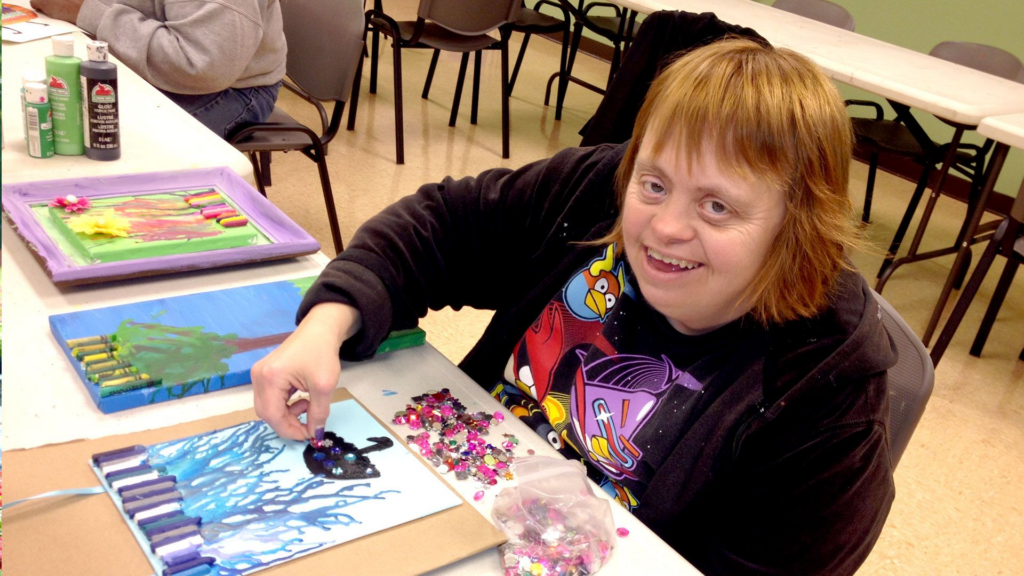
Art for adults with learning disabilities is a vibrant and transformative medium that empowers individuals to express themselves creatively and build connections within their communities. Initiatives like Artbox champion the artistic voices of those with learning disabilities and autism, offering inclusive art workshops that foster a sense of belonging and purpose. Through dedicated support for artists with disabilities, these programs allow talented individuals to showcase their work, gain confidence, and even achieve professional success with pieces exhibited in galleries and commissioned by brands. Such environments not only promote artistic skill, but also address social isolation and encourage meaningful interactions among participants. As seen at Artbox, where weekly sessions draw a diverse group of artists, the impact of creative expression on personal growth and community integration cannot be overstated.
Creative outlets for adults facing cognitive challenges offer profound benefits that extend beyond mere artistic skill. Described as inclusive arts initiatives, these programs aim to engage individuals with varying abilities in meaningful ways, helping them overcome barriers that often accompany learning differences. Workshops designed for those on the autism spectrum or with other cognitive impairments nurture talents while fostering creativity and social interaction. By creating spaces where everyone can explore their artistic potential, such initiatives not only validate their unique experiences, but also elevate their contributions to the broader artistic community. Such alternative art programs underscore the importance of inclusivity and the celebration of diverse perspectives within the world of art.
Inclusive Art Programs for Adults with Learning Disabilities
Art programs designed for adults with learning disabilities are crucial in providing both a creative outlet and a platform for meaningful expression. Organizations like Artbox focus on creating inclusive environments where every artist can thrive, regardless of their individual challenges. These programs offer tailored support that helps to accommodate various learning styles, ensuring that art becomes accessible to all. By engaging participants in creative processes, these initiatives foster not just artistic development, but also personal growth and community connection.
Moreover, inclusive art workshops encourage social interaction among participants, enabling them to share their experiences and learn from one another. As they collaborate, artists can break down barriers related to isolation and loneliness, which are common issues faced by many adults with learning disabilities. In this environment, the act of creating art transforms into a shared journey, enriching both the individual and the community as a whole.
The Role of Art in Supporting Artists with Autism
Art plays a significant role in supporting artists with autism, providing them with a means to express themselves beyond verbal communication. For many individuals on the autism spectrum, traditional social interactions can be challenging; however, art offers a universal language that allows them to convey emotions and thoughts creatively. At studios like Artbox, artists develop their personal style and voice, often leading to a newfound sense of confidence and belonging.
Additionally, autism art studios create spaces that celebrate individuality and difference, where each artist is understood as a unique contributor. Through hands-on activities, workshops, and peer collaboration, these environments foster a sense of community that mitigates feelings of isolation. By showcasing their artwork to wider audiences, artists with autism gain recognition and validation, demonstrating that their talents are not only valuable but deserving of celebration in the broader artistic landscape.
Empowering Voices through Art Workshops
Art workshops serve as powerful tools for empowerment, particularly for those with learning disabilities. In settings like Artbox, individuals are not only able to create artwork but are also given opportunities to lead sessions, share their knowledge, and inspire others in the community. By taking on leadership roles, they boost their self-esteem and develop important life skills that can translate beyond the walls of the studio.
Moreover, these inclusive art workshops often focus on themes of resilience and creativity, allowing participants to explore their identities while also addressing personal experiences. Through hands-on projects, artists learn to articulate their stories and share their journeys, which can be incredibly therapeutic. This empowerment manifests not only in their personal lives but also in how they connect with the community, creating a ripple effect of support and understanding.
Support Systems for Artists with Disabilities
Supporting artists with disabilities involves more than just providing materials and space; it requires a comprehensive understanding of their unique needs and challenges. Organizations like Artbox prioritize building robust support systems that encourage and nurture creativity in individuals with various learning disabilities. This includes having trained staff and volunteers who are equipped to handle diverse situations, ensuring that each artist receives personalized attention that fosters growth.
Furthermore, the importance of community cannot be overstated when discussing support for artists with disabilities. By forming networks and partnerships with local businesses and institutions, organizations can facilitate exposure for artists’ works, opening doors to exhibitions, commissions, and sales. This recognition not only validates their efforts but also encourages ongoing participation in the arts, thereby enriching the community as a whole.
Art as a Therapeutic Tool for Healing
Art has long been recognized as a therapeutic tool that promotes healing and recovery, particularly for those navigating challenges related to learning disabilities and mental health issues. In studios like Artbox, creative expression becomes a vital outlet for emotions, allowing artists to channel their experiences into tangible works of art. This process can often lead to breakthroughs in understanding and coping with personal struggles, contributing to overall mental well-being.
Moreover, participating in group art therapy sessions fosters a sense of belonging and reduces feelings of isolation. Artists can find camaraderie in their shared experiences, encouraging them to explore vulnerability and resilience together. The act of creating alongside peers can redefine how they view themselves and their capabilities, offering a newfound sense of purpose and community.
Celebrating Unique Artistic Voices
Every artist has a story to tell, and for those with learning disabilities, art serves as a powerful medium through which they can express their individual narratives. Organizations like Artbox provide a platform that not only celebrates these unique voices but also promotes the understanding that art is a fundamental aspect of human experience. By showcasing the work of artists with disabilities, they challenge stereotypes and broaden the mainstream narrative of who can be an artist.
The impact of celebrating these artistic voices extends beyond the artists themselves; it resonates within the community, creating awareness and fostering inclusivity. Art exhibitions featuring their work encourage dialogue and understanding, bridging gaps between artists with disabilities and society. This shift not only empowers the artists but also inspires others to appreciate the richness of diverse artistic expression.
The Importance of Community Engagement in Art
Engaging the broader community is essential to the success of programs that support artists with learning disabilities. Activities such as open studios, public exhibitions, and collaborative art projects invite community members to participate and witness the creative process firsthand. This engagement not only demystifies artistic practices but also fosters a sense of ownership and pride within the local community.
Additionally, community involvement ensures that the stories of artists with learning disabilities are heard and appreciated. When people from diverse backgrounds come together to celebrate art, they cultivate an environment of understanding and acceptance. This communal approach amplifies the message that creativity knows no bounds and encourages a more inclusive perspective on the spectrum of artistic talent.
Art as a Tool for Advocacy
Art is not just about creativity; it can also serve as a powerful tool for advocacy. Artists with learning disabilities often use their work to shed light on social issues, raise awareness, and challenge stigma. By sharing their perspectives through art, they become ambassadors for change, advocating for greater acceptance and support for individuals with disabilities in society.
Programs like Artbox empower artists to harness their creative voices in advocacy efforts, demonstrating that art can be a catalyst for conversations about inclusion and equality. Through exhibitions, community events, and collaborative projects, these artists draw attention to barriers that still exist and highlight the necessary steps toward a more inclusive society. Their work encourages others to join the movement, fostering a sense of collective responsibility and activism.
Creating Lasting Impact through Art
The impact of engaging with art extends far beyond the canvas; it can lead to significant changes in the lives of adults with learning disabilities. When artists are given the opportunity to create, exhibit, and be celebrated for their work, they experience profound personal transformations. Communities that support and uplift these artists foster resilience and growth, creating a positive feedback loop that benefits everyone involved.
Furthermore, as these artists continue to develop their skills and find their voices, they inspire future generations of creatives with disabilities. The work produced in inclusive art studios serves as a testament to the potential that lies within each individual, showing that with the right support and environment, all artists can thrive. This lasting impact enriches the cultural landscape and fosters a deeper appreciation for diverse artistic expressions.
Frequently Asked Questions
What is Artbox and how does it support artists with learning disabilities?
Artbox is an inclusive art studio in Islington that supports adults with learning disabilities and autism by providing studio space, materials, and tuition. Founded by Madeline Alterman in 2011, Artbox facilitates opportunities for artists to create and showcase their work, thereby combating loneliness and fostering creativity within a supportive community.
How can adults with learning disabilities participate in learning disabilities art programs?
Adults with learning disabilities can participate in various learning disabilities art programs offered by organizations like Artbox. These programs provide a creative space where individuals can express themselves artistically, develop skills, and gain confidence while being surrounded by supportive staff and peers. Interested individuals can inquire directly at organizations like Artbox for more details on enrollment and session times.
What types of artwork do adults with autism create in an autism art studio like Artbox?
In an autism art studio like Artbox, adults with autism create a wide variety of artwork, ranging from paintings and drawings to mixed media and installations. Each artist brings their unique perspective, and many works reflect their personal experiences and emotions, offering them a platform for self-expression and creativity. Artists at Artbox have successfully exhibited and sold their art, showcasing their talent.
What are inclusive art workshops and how do they benefit artists with disabilities?
Inclusive art workshops are community-based sessions aimed at integrating artists with disabilities into the artistic process. These workshops, like those at Artbox, provide tailored activities that encourage participation, foster creativity, and promote collaboration among artists of varying abilities. They benefit artists with disabilities by building their confidence, enhancing their skills, and enabling them to connect with others.
How does Artbox help artists with disabilities gain recognition for their work?
Artbox actively helps artists with disabilities gain recognition by facilitating exhibitions, showcasing their work in various media, and collaborating with brands on commissioned projects. The organization is dedicated to ensuring that the artwork of artists with learning disabilities is seen, celebrated, and respected, enhancing their visibility within the art community and beyond.
| Key Point | Details |
|---|---|
| Foundation of Artbox | Founded by Madeline Alterman in 2011 with £300 and volunteers. |
| Support Provided | Supports over 90 artists weekly with studio space, materials, and tuition. |
| Notable Works | Includes works exhibited, commissioned, and sold; artists have collaborated with notable brands. |
| Ms. Alterman’s Vision | Believes in providing real opportunities for adults with learning disabilities and combating loneliness. |
| Diverse Experiences | Tutors emphasize individuality; experiences of artists vary widely. |
| Personal Stories | Artists like Seeta and Violet share transformative experiences through art. |
| Workshops and Impact | Artists lead workshops, raising funds and self-confidence. |
| Encouraging Creativity | Organization fosters an environment where artists thrive without self-consciousness. |
Summary
Art for adults with learning disabilities is essential for empowering individuals and fostering creativity. Artbox stands as a transformative platform, enabling artists with learning disabilities to express themselves, gain independence, and enrich their lives. By focusing on their unique talents, Artbox provides a supportive community where artists can be celebrated and their works taken seriously. This approach not only combats feelings of isolation but also promotes meaningful engagement, illustrating that with the right support, adults with learning disabilities can thrive and contribute richly to the artistic community.