
Listen to this article
Art and culture in London form a vibrant tapestry that reflects the city’s dynamic spirit and rich heritage. As one of the foremost cultural capitals globally, London boasts a myriad of attractions ranging from iconic museums to contemporary galleries and the bustling London art scene. Visitors can immerse themselves in the masterpieces housed in prominent London cultural institutions, or explore the vibrant expressions of street art London offers in neighborhoods like Shoreditch. Furthermore, the West End theatre district showcases world-class performances that captivate audiences and provoke thought, making culture an essential part of life in this metropolis. With so much to explore, London truly stands as a beacon of creativity, inviting everyone to experience its artistic wonders.
The artistic expression and cultural heritage of London are key components of the city’s identity, serving as both a historical account and a canvas for contemporary innovation. This renowned cultural epicenter is home to an extensive range of artistic venues, from the prestigious London museums that preserve historical artifacts to cutting-edge spaces that promote modern artistic dialogue. The pulsating energy of London’s thriving creative scene is evident in its diverse performances, including the critically acclaimed productions of the West End theatre. With layers of history, evolving art movements, and community initiatives, London’s cultural landscape continues to evolve, showcasing the dynamic interplay of tradition and modernity. Therein lies an invitation for both locals and visitors to engage with the ever-changing fabric of art and culture in this captivating city.
Exploring London’s Rich Cultural Heritage
London’s cultural heritage is a tapestry woven from centuries of artistic expression and innovation. From the Elizabethan era, where Shakespeare’s plays thrived in the Globe Theatre, to the contemporary art movements asserting their presence on the streets, the journey through time can be felt in every corner of the city. Historical landmarks like the British Museum and the Tower of London not only preserve a wealth of artifacts but also narrate the story of humanity’s evolution in the realm of art and culture.
Moreover, this rich cultural heritage is celebrated in various festivals throughout the year, such as the London Festival of Architecture and the Thames Festival, which showcase the city’s commitment to preserving its artistic legacy while simultaneously embracing contemporary developments. The juxtaposition of the old and the new is a defining characteristic of London, placing it at the forefront of global cultural dialogue.
The Contemporary Art Scene in London
Contemporary art in London represents a vibrant movement that reflects current social issues and artistic exploration. The city is home to a myriad of art fairs, exhibitions, and pop-up galleries that highlight the work of emerging artists. Areas like Shoreditch have turned into creative playgrounds, where street art flourishes alongside traditional gallery settings. This blend of art forms encourages active conversation and engagement, making it a focal point for both locals and tourists.
In addition, institutions like the Saatchi Gallery and the White Cube have played a pivotal role in showcasing contemporary talents. Their exhibitions often challenge conventions, provoking thought and dialogue around pressing societal themes. The increased visibility of contemporary art is a testament to London’s dynamic art ecosystem, reinforcing its status as a leading hub for artistic innovation.
London’s Iconic Museums and Their Impact
London boasts some of the world’s most prestigious museums, each contributing uniquely to the city’s tapestry of culture. The British Museum, known for its extensive collection of human history, allows visitors to explore the evolution of art across different epochs and geographies. Educational programs and interactive exhibits further enhance the experience, making history accessible and engaging for all age groups.
Moreover, other institutions like the Natural History Museum and the Victoria and Albert Museum provide immersive experiences that connect the public with the arts and sciences. These institutions often collaborate on community outreach initiatives that foster a deeper connection between art and its audience, underscoring the importance of cultural institutions as centers for learning and engagement.
The West End: A Theatrical Wonderland
The West End is synonymous with world-class theatre and has established itself as a cornerstone of London’s cultural identity. Renowned for its opulent theaters and star-studded productions, the West End attracts millions of visitors each year. From classic dramas to spectacular musicals, the variety of performances showcases an incredible range of talent and creativity.
Notably, the National Theatre and the Old Vic are pivotal venues that champion innovative storytelling and groundbreaking performances, often pushing the boundaries of contemporary theatre. This vibrant theatrical landscape not only delivers entertainment but also engages audiences in critical conversations reflecting societal issues, making the West End an integral part of London’s cultural fabric.
Street Art: London’s Urban Canvas
Street art in London has emerged as a significant movement, transforming the urban landscape into a lively canvas. Renowned artists like Banksy have elevated graffiti to a form of high art, sparking conversations around political and social themes. Areas such as Shoreditch and Brixton are adorned with striking murals that not only beautify the spaces but also convey powerful messages and narratives.
In addition to individual artists, community projects have sprung up, engaging local residents in the creative process. Initiatives that invite public participation in mural creation foster a sense of ownership and pride within neighborhoods, thereby strengthening community ties and emphasizing the importance of public art as a tool for social change.
Cultural Festivals: Celebrating Diversity
Cultural festivals in London are a vibrant expression of the city’s diversity and creative spirit. Events like the Notting Hill Carnival celebrate Caribbean culture through colorful parades, music, and art, while the London Art Biennale showcases a plethora of artistic voices from various backgrounds. These celebrations not only highlight the city’s multicultural makeup but also promote inclusivity and artistic collaboration.
Furthermore, festivals provide a platform for emerging artists to connect with broader audiences, often leading to collaborative projects that resonate with local communities. The energy of these events fosters dialogue and understanding, emphasizing the significant role of cultural festivals in enriching London’s artistic landscape.
The Role of Art in London’s Communities
Art transcends geographic boundaries, and in London, it plays a vital role in strengthening community bonds. Local initiatives often engage residents in the creative process, whether through art workshops, mural projects, or interactive installations. These projects empower individuals to express their cultural heritage and personal narratives, fostering a vibrant artistic ecosystem.
Additionally, community-driven art events facilitate dialogue among diverse groups, encouraging collaboration and cultural exchange. By providing platforms for local artists and residents to share their stories, London’s commitment to community art resonates throughout its neighborhoods, ensuring that the voices of all citizens contribute to the city’s rich cultural tapestry.
London’s Art Collections and Their Significance
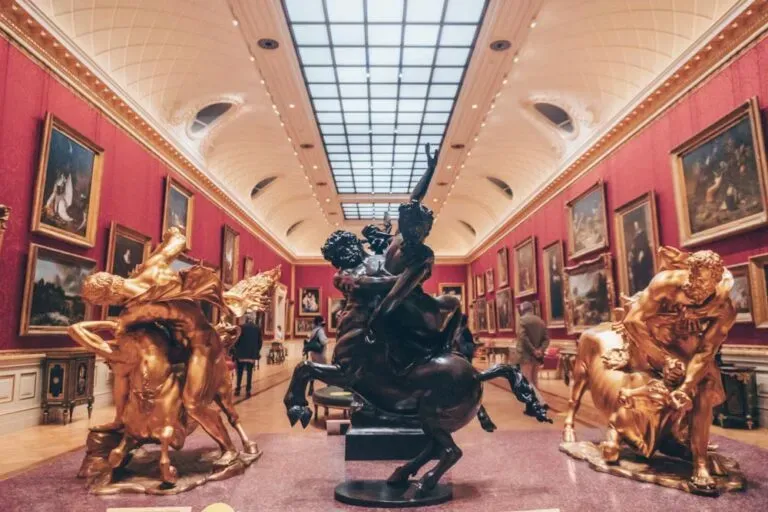
The significance of art collections in London cannot be overstated; they serve not only as repositories of beauty but also as chronicles of the human experience. Institutions like the Tate Modern and the National Gallery house collections that reflect the evolution of artistic movements, offering insights into societal changes over time. Visitors traverse the narrative of art history through the lens of these esteemed collections, gaining a deeper appreciation for various artistic expressions.
Moreover, these collections often host temporary exhibitions focusing on specific themes or artists, providing fresh perspectives and fostering ongoing dialogue within the art community. This dynamic nature of exhibitions ensures that London’s art scene remains relevant and engaging, continuing to draw audiences from around the world to explore the connections between past and present.
The Future of Art and Culture in London
As London continues to evolve, so does its art and culture scene, characterized by an exciting blend of tradition and modernity. The rise of digital art forms and the increasing integration of technology in artistic practices signify a transformative phase in how art is created and consumed. Artists are now experimenting with virtual reality, augmented reality, and other digital platforms, further expanding the boundaries of what constitutes art.
Additionally, initiatives promoting cultural exchange and collaboration among international artists emphasize a collective approach to creativity. As London embraces these innovative trends, it remains steadfast in its commitment to fostering an inclusive and vibrant art environment, ensuring that it will continue to inspire future generations of artists and culture enthusiasts alike.
Frequently Asked Questions
What are the top cultural institutions in London?
London boasts renowned cultural institutions such as the British Museum, National Gallery, and the Victoria and Albert Museum. These institutions offer insights into art and culture in London, showcasing collections from various eras and regions.
How has the London art scene evolved over the years?
The London art scene has evolved significantly from the historical influences of artists like Turner to the contemporary expressions seen in areas like Shoreditch. Today, the city embraces a mix of traditional galleries and innovative street art, reflecting its dynamic cultural landscape.
What is the significance of the West End theatre in London?
The West End theatre is central to London’s cultural identity, known for its spectacular productions, from classic plays to modern musicals. This vibrant theatre scene attracts visitors and supports the arts and culture in London through diverse performances.
How can one experience contemporary art in London?
To experience contemporary art in London, explore areas like Southbank and Bankside, visit events like the Frieze London art fair, or check out pop-up galleries that display innovative works by emerging artists, demonstrating the city’s commitment to contemporary creativity.
What role do London museums play in the cultural landscape?
London museums play a vital role in preserving and showcasing art and culture. They offer educational programs and immersive experiences, making art accessible to all and encouraging dialogue about cultural heritage and societal issues.
Where can I find street art in London?
Street art in London can be found in neighborhoods like Shoreditch, Banksy’s most famous pieces, and along Brick Lane, which has transformed into an open-air gallery celebrating urban creativity and contemporary expressions.
What types of events highlight London’s cultural diversity?
Events like the Notting Hill Carnival and the London Art Biennale highlight the cultural diversity of London. These festivities showcase various artistic voices and encourage collaboration among artists from different backgrounds.
How do local communities engage with art in London?
Local communities engage with art in London through public art initiatives, community projects, and workshops. These initiatives empower artists, celebrate diversity, and address social issues while fostering a sense of belonging.
What is the impact of the Frieze London art fair?
The Frieze London art fair significantly impacts the contemporary art scene by gathering artists, collectors, and enthusiasts. It showcases the best of contemporary art, fostering connections and highlighting innovative practices in the creative community.
How can I plan my visit to experience art and culture in London?
To plan your visit for art and culture in London, include trips to major museums and galleries, attend performances in the West End, explore bustling neighborhoods known for street art, and participate in local art events for a comprehensive cultural experience.
| Key Aspect | Details |
|---|---|
| Historical Significance | The art scene in London dates back to ancient times, flourished during the Renaissance, and has been shaped by influential artists like Hogarth, Turner, and Constable. |
| Contemporary Art | London’s contemporary art scene thrives in areas like Shoreditch and Bankside, featuring street art and galleries that showcase emerging artists. |
| Museums and Institutions | The British Museum, Natural History Museum, and Victoria and Albert Museum offer educational experiences that engage the public with art and history. |
| Theatre Scene | The West End is renowned for diverse performances from classic plays to innovative musicals, reflecting the evolving culture of storytelling. |
| Community Art | Public art initiatives, festivals, and cooperative projects enhance community engagement and celebrate London’s cultural diversity. |
Summary
Art and culture in London are integral to understanding the city’s vibrant and diverse identity. This dynamic scene encompasses a rich historical tapestry, highlighted by iconic museums and galleries that preserve and showcase artwork from varying eras. The contemporary artistic landscape further enriches this cultural fabric, with innovative street art and accessible exhibitions that invite participation. London’s theaters bring to life compelling narratives, pushing boundaries and fostering dialogue. As community-driven art projects flourish, they underscore the importance of inclusivity and collaboration in creative expression. Ultimately, exploring the nuances of art and culture in London offers an enriching experience, celebrating creativity that resonates across generations.