Listen to this article
Credit card interest rates can greatly influence your financial wellbeing, as these rates determine the cost of borrowing on your credit card. Understanding whether your credit card interest rates are too high is essential for anyone looking to manage their finances effectively. With varying Annual Percentage Rates (APRs) running between 15% to 24% in 2023, knowing where you stand can help you make informed decisions. If your rates are higher than average, it may lead to a cycle of debt that is difficult to escape. In this blog post, we’ll explore how to assess your credit card interest rates and identify potential avenues for lowering those costs.
When we talk about the cost of borrowing through credit, the terms ‘credit card APY’ and ‘loan rates’ often come to mind alongside credit card interest rates. These financial figures can significantly affect your overall financial health and how manageable your debt may be. Variations in these rates can stem from multiple factors such as your creditworthiness, the policies of the card issuer, and the current economic environment. Understanding your borrowing costs in terms of both APY and interest rates provides a clearer picture of your financial standing and can guide you in making wiser credit choices.
Evaluating Your Current Credit Card Interest Rates
To effectively evaluate your credit card interest rates, start by gathering your financial documents. Look for the most recent billing statements or access your online banking information to find the APRs associated with each card. Understanding how each rate compares to one another will provide a clearer picture of your financial standing. It’s essential to be aware of the impact of APR on your total credit card costs, whether you are making minimum payments or carrying a balance in full.
Once you’ve obtained your current APRs, consider the significance of these rates. A high-interest rate can lead to increased payments over time, potentially harming your financial health. For example, a credit card with a 25% APR will accrue $250 in interest on a $1,000 balance if it remains unpaid for an entire year, illustrating the powerful effect of just a few percentage points on your financial obligations.
Comparing Your Interest Rates with National Averages
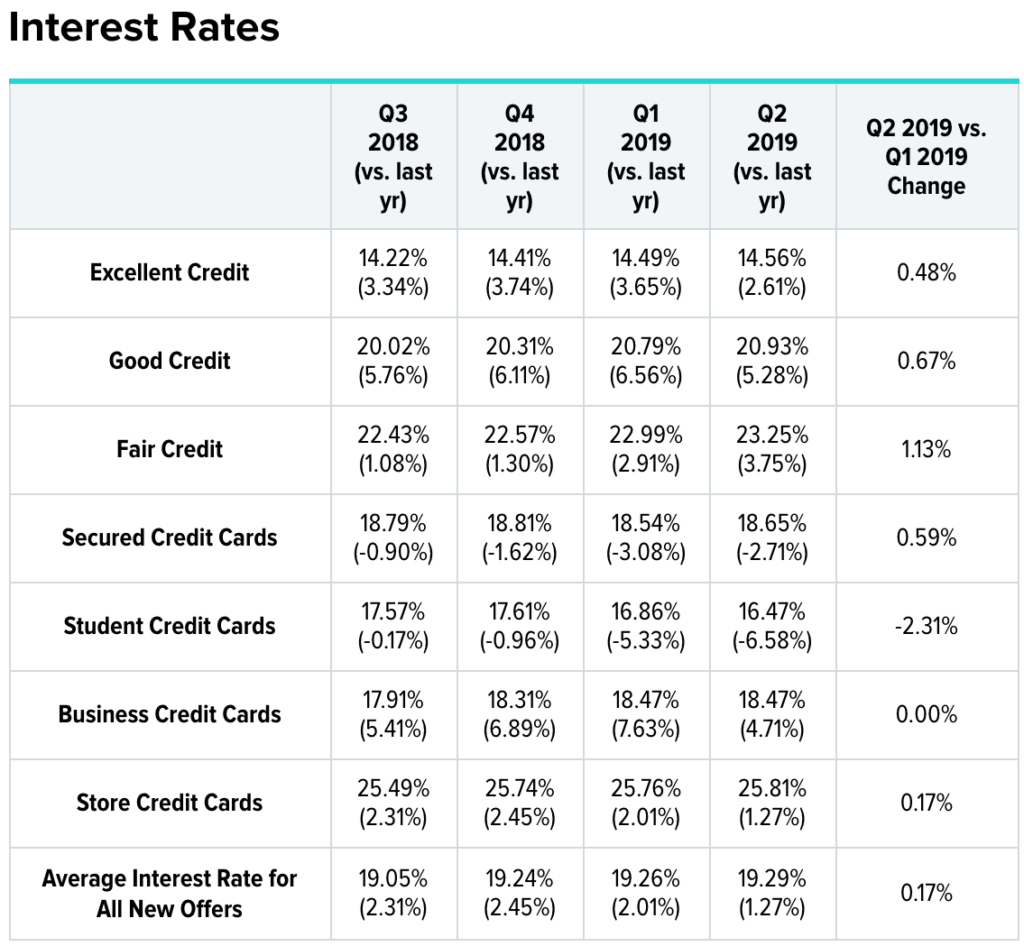
It’s critical to put your credit card interest rates into context by comparing them with national averages. As of 2023, the average credit card interest rate hovers between 15% to 24%, influenced by several factors such as economic conditions and personal credit history. Knowing your position relative to these averages can reveal whether your rates are reasonable or excessively high, guiding you toward potential actions to improve your financial situation.
If you discover that your interest rates exceed the national averages, it’s time to consider options for reducing your financial burden. High rates can be indicative of poor credit history or even just less favorable terms set by certain card issuers. Identifying this discrepancy allows you to take proactive measures, such as refinancing or negotiating for better terms.
The Role of Your Credit Score in Interest Rates
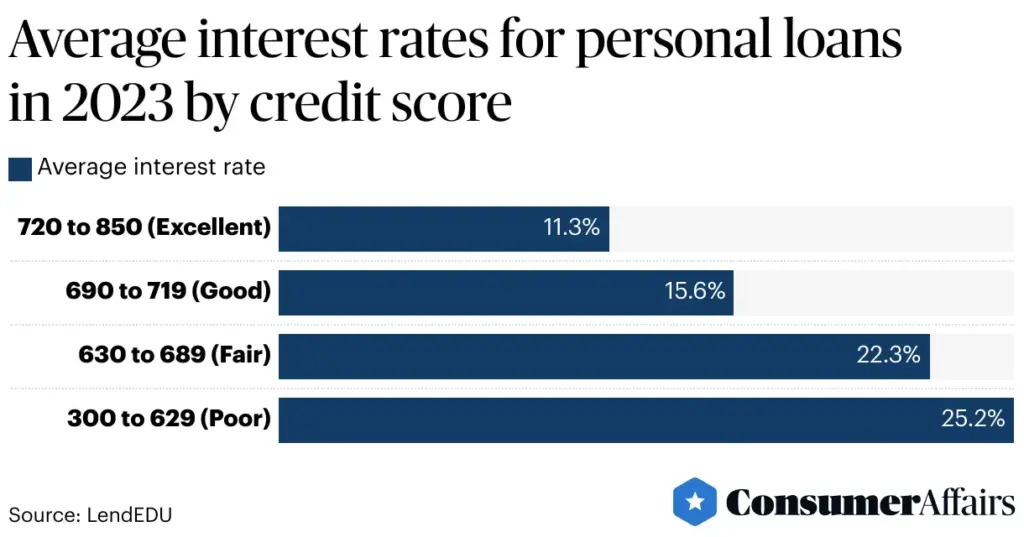
Your credit score is a pivotal factor influencing your credit card interest rates. Scores typically range from 300 to 850, and lenders use this number to gauge risk when issuing credit. A higher credit score generally results in lower interest rates because lenders see these borrowers as less likely to default. Thus, you may benefit from monitoring your credit score regularly and taking steps to improve it if necessary.
If your credit score improves, you might qualify for card options offering lower APRs. Keeping track of credit activities, such as late payments or high credit utilization, can help maintain or elevate your score, leading to better borrowing terms and overall savings in the long run.
Understanding Fees Beyond APR on Credit Cards
When evaluating your credit card’s overall cost, it’s crucial not just to look at the APR but also at additional fees associated with the card. Fees can range from annual membership dues to late payment penalties, which can exacerbate the financial impact of carrying a balance. Carefully reading your card’s terms and conditions will help you spot these fees before they arise.
If you find yourself burdened by high fees, it may be time to consider a different credit product. Look for cards with low or no annual fees, reduced penalty charges, and favorable balance transfer terms to alleviate the pressure of high costs. Choosing wisely can significantly affect your effective interest rates and overall financial strategy.
Negotiating Lower Interest Rates with Credit Card Issuers
Once you’ve assessed your credit card interest rates and compared them to national averages, one practical step to take is negotiating with your issuer. Many credit card companies recognize that keeping customers satisfied is essential for retention and may offer reductions on APRs upon request. Whether you have improved your credit score or have been a loyal customer, expressing your intent for a lower rate can sometimes yield positive results.
When calling your credit card company, prepare to discuss your payment history and any competing offers you might have seen from other lenders. Providing a well-reasoned case can improve your chances of successfully reducing your interest rate, thus leading to reduced costs over time.
Effective Strategies to Lower Your Credit Card Debt
If you’ve found your credit card interest rates to be high, there are several strategies you can implement to mitigate these costs. One of the most effective methods is to consistently pay more than the minimum required each month. By doing so, you can decrease your principal more quickly, which ultimately lowers the amount of interest accrued over time, making your debt more manageable.
Another viable option involves exploring balance transfer promotions from other credit card issuers. Many offer enticing 0% APR introductory rates for a set period, which can allow you to alleviate high-interest charges temporarily. However, it’s vital to understand any balance transfer fees and the terms of the promotional rate to avoid surprises once the introductory period ends.
Frequently Asked Questions
What are average credit card interest rates in 2023?
As of 2023, average credit card interest rates range from 15% to 24%, depending on the type of card and the borrower’s creditworthiness. It’s essential to compare your rates against these averages to determine if your rates are too high.
How do credit card interest rates affect my debt?
Credit card interest rates directly impact the cost of borrowing. Higher interest rates can lead to higher overall debt, especially if you carry a balance. For example, a 20% APR on a $1,000 balance could cost you $200 in interest annually.
What steps can I take if my credit card interest rates are too high?
If your credit card interest rates are too high, consider negotiating with your card issuer, transferring your balance to a card with lower rates, or paying more than the minimum amount each month. These strategies can help reduce your interest costs.
Can my credit score affect my credit card interest rates?
Yes, your credit score significantly affects your credit card interest rates. A higher credit score typically qualifies you for lower APRs, while a lower score can result in higher rates. Improving your score can help you secure better rates.
What is the difference between fixed and variable credit card interest rates?
Fixed interest rates remain the same, while variable credit card interest rates can fluctuate based on economic conditions or other factors. Understanding the type of rate you have is crucial, as variable rates can increase over time, raising your borrowing costs.
Are there any fees that can impact my credit card interest rates?
Yes, in addition to interest rates, various fees such as annual fees, late payment fees, and balance transfer fees can impact the overall cost of using your credit card. It’s important to review your credit card agreement for these potential costs.
| Key Point | Details |
|---|---|
| Understanding Credit Card Interest Rates | Credit card interest rates are defined by the APR, which varies based on credit score, issuer policies, and the economy. |
| Importance of Interest Rates | High interest rates can lead to significant debt; understanding your rates helps avoid financial pitfalls. |
| Evaluating Your Rates | Check your APR, compare it with national averages (15%-24%), assess your credit score, evaluate associated fees, and determine if rates are fixed or variable. |
| Strategies to Lower Rates | Consider negotiating with your card issuer, transferring balances, paying more than the minimum, and improving your credit score. |
Summary
Credit card interest rates are a critical aspect of managing your finances effectively. Understanding how these rates work and knowing whether your current rates are too high can save you substantial amounts of money and help you avoid accumulating excessive debt. By evaluating your APR against national averages and taking proactive steps—such as negotiating lower rates or consolidating balances—you can better control your financial situation and reduce interest costs. Staying informed about your credit card interest rates empowers you to make wise financial decisions.