Listen to this article
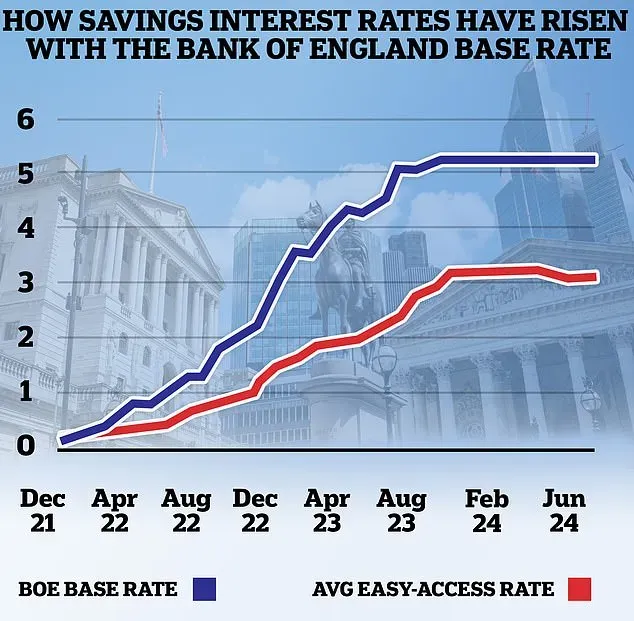
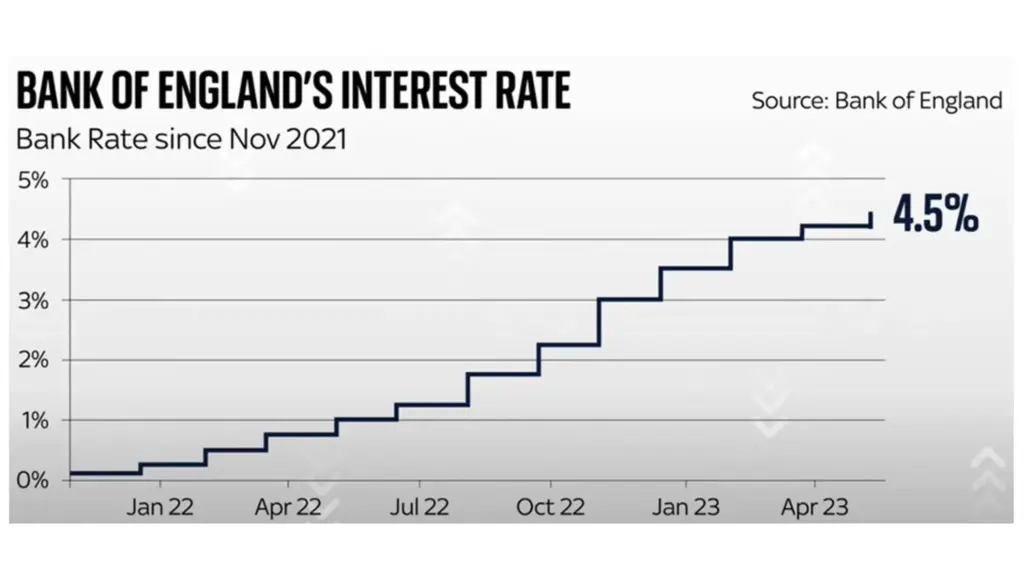
The Bank of England interest rate plays a crucial role in shaping the UK mortgage market, influencing the borrowing costs for many homeowners and prospective buyers. As interest rates fluctuate, mortgage borrowers must remain vigilant, as these rate changes can have far-reaching consequences on their finances. Recent Bank of England decisions have already begun to affect the economic impact of interest rates, prompting questions about affordability and budgeting for future payments. Understanding these dynamics is essential for homeowners and anyone looking to enter the housing market, especially as rising inflation pressures dictate monetary policies. Preparing for the potential repercussions of interest rate adjustments will empower consumers to make informed financial decisions.
The borrowing landscape in the UK is heavily influenced by the decisions made by the central bank, specifically regarding its base interest rate. When this rate changes, it can lead to significant shifts in mortgage rates, impacting both current borrowers and those seeking to secure a mortgage. The effects of these adjustments resonate throughout the economy, influencing everything from home affordability to overall market activity. Shifts in these interest rates often lead to heightened financial planning for individuals, particularly as they navigate the uncertainties of their financial commitments. Staying ahead of these trends is vital for anyone engaged in the housing sector, ensuring preparedness for any economic fallout.
The Impact of Bank of England Interest Rates on Mortgage Borrowers
The Bank of England’s interest rate decisions directly affect the financial landscape for mortgage borrowers in the UK. When the BoE increases its rates, the immediate consequence is that banks raise their mortgage lending rates, leading to higher monthly payments for homeowners. This becomes particularly challenging for those on variable-rate mortgages, as their payments can fluctuate significantly with each rate change. Consequently, understanding how these decisions impact borrowing costs helps homeowners prepare for potential financial strain.
Additionally, higher interest rates can also limit the borrowing capacity of potential homebuyers, particularly first-time buyers. As affordability decreases, the demand for homes may decline, altering the dynamics of the UK mortgage market. The rise in mortgage costs could slow down property sales, making it increasingly difficult for buyers to enter the housing market. This isn’t just an immediate concern but may lead to long-term implications for both homeowners and lenders.
Understanding Economic Impact of Interest Rates on the Housing Market
Interest rates play a crucial role in shaping the economic environment, especially concerning the housing market. When the Bank of England raises rates, it affects consumer spending and investment patterns, as higher borrowing costs often lead to reduced consumer confidence. As mortgage rates climb, many buyers may postpone their purchase plans, leading to a slowdown in housing sales and a potential softening of property prices.
Moreover, the economic repercussions of sustained high interest rates can ripple through various sectors. With more people opting to delay purchasing homes, the demand for housing can stagnate, prompting developers to reconsider new projects. Consequently, the construction industry may also experience a slowdown, further affecting the economy. Thus, it is vital for all stakeholders in the housing market to monitor interest rate trends closely.
Strategies for Mortgage Borrowers During Rising Interest Rates
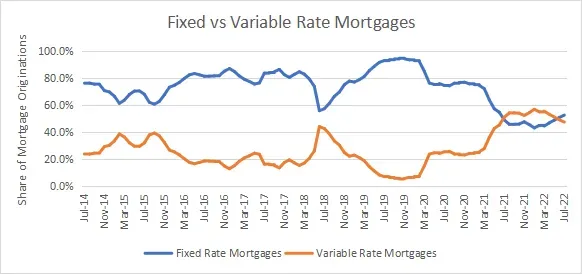
In an environment of rising interest rates, mortgage borrowers must actively consider strategies to mitigate the impact on their finances. One effective approach is to review current mortgage terms. Homeowners on fixed rates may be insulated from immediate rate hikes but should consider their options once their term ends. Borrowers on variable or tracked rates should prepare for inevitable increases in their monthly payments.
Another strategy involves refinancing existing mortgages to secure stability during periods of uncertainty. Although interest rates might be higher than previous lows, locking in a fixed rate can provide peace of mind and potentially save money in the long run, especially as rates continue to rise. Consulting with a seasoned mortgage advisor is a practical step in navigating these choices.
The Importance of Budgeting for Increased Payments
As interest rates rise, the potential for increased mortgage payments heightens, making budgeting more critical than ever for homeowners. Different mortgage types respond differently to rate hikes; thus, homeowners need to ensure their financial planning accommodates possible future price changes. A thorough budget reflects anticipated monthly payments and helps in making informed decisions about spending habits.
Furthermore, adjusting budgets to account for higher mortgage costs may involve cutting non-essential expenses or finding additional income sources. Preparing in advance for these changes can help maintain financial stability and alleviate stress during uncertain economic times, particularly as the Bank of England continues to make interest rate decisions impacting overall borrowing costs.
The Challenges Faced by First-Time Buyers
First-time buyers are in a particularly precarious position during periods of high interest rates. The Bank of England’s decisions lead to increased mortgage costs, limiting affordability and access to homeownership. Many first-time buyers may find that they no longer qualify for the loan amount they had hoped for due to stricter lending criteria and reduced capacity to borrow in a more expensive mortgage climate.
Additionally, larger deposit requirements often accompany higher mortgage rates. Consequently, first-time buyers without substantial savings may struggle to meet demands, resulting in further delays in their homeownership journey. Understanding these challenges is essential for potential buyers so they can better prepare financially and explore potential solutions to improve their affordability.
Long-Term Consequences of High-Interest Rates on the Housing Market
The long-term implications of high-interest rates extend well beyond immediate borrowing concerns. As affordability diminishes, the housing market may experience a significant shift. Stagnating home prices could result as fewer buyers are able to enter the market, leading to a cooling effect after years of rapid growth. This slowdown can have detrimental effects on property investment as confidence wanes in the market’s future prospects.
Moreover, lenders and financial institutions may adopt more conservative lending practices in response to increased default risks associated with high-interest loans. This hesitation could result in stricter borrowing terms, which may further exacerbate the challenges faced by existing and aspiring homeowners. As interest rates remain an influential factor, keeping abreast of the economic climate is vital for all players in the real estate market.
Frequently Asked Questions
How do Bank of England interest rate changes affect mortgage borrowers?
The Bank of England interest rate changes directly influence the cost of borrowing for consumers. When rates rise, mortgage lenders typically pass these costs onto borrowers, resulting in higher monthly payments. Conversely, lower rates can lead to more affordable mortgages, stimulating the UK mortgage market by encouraging borrowing.
What should mortgage borrowers consider when the Bank of England raises interest rates?
Mortgage borrowers should review their loan terms, particularly if they hold variable or tracker mortgages that may increase with BoE rate hikes. It may also be a good time to consider refinancing to a fixed-rate mortgage to secure a stable payment amidst rising rates.
What are the economic impacts of the Bank of England’s current interest rate decisions?
The economic impacts of the Bank of England’s interest rate decisions are significant. Raising rates can slow down inflation but may also lead to decreased spending and reduced activity in the housing market. This can create higher costs for mortgage borrowers and potentially lead to falling home prices.
How can first-time buyers navigate Bank of England interest rate hikes?
First-time buyers should prepare for the financial consequences of rising Bank of England interest rates by saving for larger deposits and improving their credit scores. Understanding how higher rates affect affordability is crucial to making informed decisions in the current UK mortgage market.
What strategies can help mortgage borrowers adjust to rising Bank of England interest rates?
Mortgage borrowers can prepare for rising Bank of England interest rates by budgeting for increased payments, reviewing mortgage options, and building an emergency fund. These steps can help manage the financial impact of rising costs and ensure financial stability.
How could Bank of England interest rate trends affect the housing market long-term?
Long-term trends in Bank of England interest rates may lead to reduced housing market activity due to decreased affordability for mortgage borrowers. Higher rates may cause stagnation or decline in home prices as fewer buyers are able to enter the market, impacting overall economic stability.
| Key Point | Details |
|---|---|
| Role of the Bank of England | The BoE adjusts base interest rates to control inflation and stimulate the economy. |
| Current Interest Rate Trends | Higher interest rates due to inflation are impacting mortgage borrowers. |
| Preparation Strategies | 1. Review current mortgage terms 2. Consider refinancing options 3. Budget for increased payments 4. Build an emergency fund |
| Impact on First-Time Buyers | Higher rates decrease affordability, making it harder for first-time buyers to purchase homes. |
| Long-Term Implications | Sustained high rates may cool the housing market and affect lender profitability. |
Summary
The Bank of England interest rate plays a crucial role in shaping the financial landscape for mortgage borrowers in the UK. With fluctuating rates due to inflationary pressures, the impact on mortgage affordability cannot be underestimated. Homebuyers and homeowners are urged to stay informed about the current interest rate trends and how they affect their mortgage payments. By understanding the Bank of England’s adjustments, evaluating financial options, and preparing financially, borrowers can navigate these changes more effectively. As mortgage rates are likely to continue rising, proactive measures will be essential for maintaining financial stability in the face of potential economic challenges.