
Listen to this article
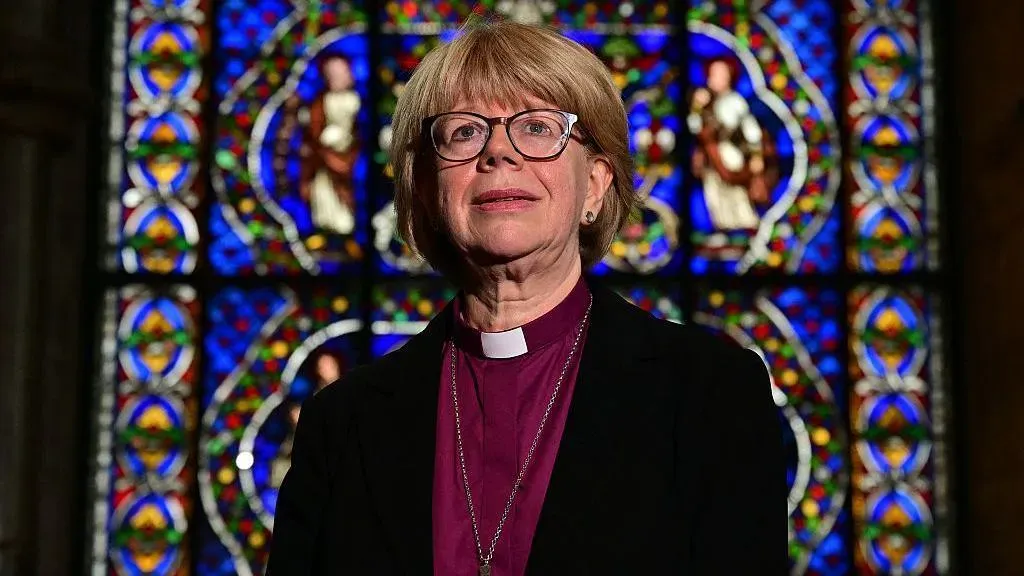
The recent complaint against the incoming Archbishop of Canterbury has stirred significant controversy within the Church of England. Sarah Mullally, who is set to take on this pivotal role soon, faced scrutiny over her handling of abuse allegations in her current position as Bishop of London. The Church’s decision to dismiss the complaint, which was reviewed by the Archbishop of York, Stephen Cottrell, raises urgent questions about safeguarding practices and accountability levels in the church hierarchy. Critics, including abuse survivors like Survivor N, have expressed deep dissatisfaction, suggesting that the church’s safeguarding scandal reflects a broader issue of trust and transparency. As Mullally prepares to step into her new position amidst these serious allegations, the implications for the Church of England’s reputation and its handling of such sensitive matters remain profoundly impactful.
In light of the recent controversy surrounding the appointment of the new leader of the Church of England, the scrutiny towards Sarah Mullally’s previous actions cannot be overlooked. The issue primarily revolves around her alleged mismanagement of claims related to abuse, which has sparked a discussion about the effectiveness of pastoral care systems. Many within the church community are concerned about how this safeguarding issue might affect faith in leadership, especially following the resignation of Justin Welby amid ongoing allegations. The transitioning phases from one Archbishop to another highlight not only the personal responsibilities of high-ranking officials but also the institutional frameworks designed to protect vulnerable individuals within the church. As debates about this leadership change unfold, it’s crucial to consider the wider implications for safeguarding reforms and accountability within church governance.
Complaint Against Incoming Archbishop of Canterbury Overseen by Sarah Mullally
The recent controversy surrounding the incoming Archbishop of Canterbury, Sarah Mullally, sheds light on significant concerns regarding how the Church of England handles abuse allegations. This complaint was brought to the Church’s attention regarding Mullally’s management of abuse claims while serving as the Bishop of London. The dismissal of this complaint seems to have amplified existing fears about the effectiveness and transparency of the Church’s safeguarding procedures. Survivors of abuse are voicing their dissatisfaction with how the Church addresses allegations, raising questions about whether the institution can restore trust with the affected communities.
As there is a growing movement for accountability within the Church of England, this incident cannot be viewed in isolation. The historical context of abuse allegations, coupled with criticisms surrounding the handling of such cases by church leaders like Mullally and her peers, creates a complex atmosphere. Many within the Church are calling for structural changes to enhance safeguarding and ensure that victims feel heard and validated. The challenge lies not just in addressing one complaint, but in overhauling a system perceived as protecting its leaders rather than supporting survivors.
The Role of the Archbishop of York in Handling Complaints
Archbishop Stephen Cottrell’s involvement in reviewing the complaint against Sarah Mullally has raised significant debate among church members. His decision to take no action has been met with criticism, particularly given his previous controversies relating to other safeguarding issues. This scrutiny emphasizes the importance of independent oversight within the Church of England’s complaint handling processes. Critics argue that the perceived connections between church leaders may compromise the integrity of such reviews and further alienate survivors seeking justice and accountability.
By appointing an individual with a history of criticism in similar matters, the Church risks undermining its commitment to safeguarding and accountability. The call for improved procedures reflects a broader demand for a transparent and fair handling of abuse allegations within church hierarchies. Church leaders, including Cottrell, must reflect on the feedback from survivors and advocates, who have repeatedly emphasized the need for an independent approach to complaints, particularly those as serious as those surrounding Mullally.
Survivor N’s Reaction to the Complaint Dismissal
Following the dismissal of his complaint against Sarah Mullally, Survivor N expressed his deep disappointment and frustration. In interviews, he indicated that the way his allegations were handled by the Diocese of London and Mullally herself contributed to a sense of neglect and psychological distress. He described a system that feels unresponsive and unaccountable, leading many survivors like him to feel disenfranchised within the Church’s processes. His case highlights the pressing need for reforms in the Church’s approach to safeguarding and how allegations are managed.
Moreover, Survivor N’s experience underscores the potential pitfalls of a system that may prioritize institutional reputation over genuine concern for those traumatized by abuse. The Church should take comprehensive steps to review how complaints are addressed, ensuring that they are taken seriously and followed through with appropriate actions. This could involve looking into independent reviews or creating protections for survivors from potential reprisals, as their stories and experiences deserve validation and support from the Church.
The Implications of the Safeguarding Scandal
The broader implications of the safeguarding scandal involving Sarah Mullally and the Church of England are profound. These issues not only challenge the Church’s credibility but also invoke a moral imperative to reassess priorities surrounding safeguarding policy. Critics argue that the failure to decisively address abuse allegations reflects a systemic culture resistant to accountability, risking further alienation of victims and damaging the Church’s standing within the public eye. Dissatisfaction with internal procedures might hinder healing and reconciliation efforts among congregants.
Additionally, the fallout from this situation emphasizes an urgent call for reform that prioritizes survivor voices in the Church’s safeguarding strategies. Experts suggest that embedding survivor perspectives into policy-making can lead to more effective and empathetic responses. To truly address the safeguarding failures highlighted by this scandal, the Church must commit to transparency, ensuring that similar situations are handled with the utmost seriousness and care to evade repeating past mistakes.
Criticism of Church Disciplinary Measures (CDM) by Survivors
Survivor N’s experiences reflect a broader critique of the Church Disciplinary Measure (CDM) system, which is often viewed as inadequate by abuse survivors. This system, designed to address complaints against clergy, appears to many as an internal process lacking genuine witness from affected parties. Ongoing criticisms suggest that the CDM prioritizes the institution’s interests over those of victims, which inhibits meaningful healing and accountability. As calls for reform grow stronger, the Church must grapple with the effectiveness of its existing measures.
In light of these criticisms, church representatives—including prominent figures like Sarah Mullally—face increasing pressures to advocate for changes within the CDM framework. Reports and testimonies from survivors have underscored the need for the Church to implement and uphold robust safeguarding practices that truly protect individuals and empower them to come forward. To do so, the Church must demonstrate a commitment to evolve its policies to ensure they align with contemporary understandings of justice and survivor care.
Calls for Delay in Sarah Mullally’s Appointment
The push for a delay in Sarah Mullally’s appointment as Archbishop of Canterbury, voiced by Anglican figures such as Robert Thompson, underscores the ongoing concerns about the Church of England’s safeguarding culture. Many argue that appointing a leader mired in controversy around handling abuse complaints would further weaken the Church’s efforts to rebuild trust with survivors. This hesitation indicates a broader demand for leadership that embodies accountability and transparency, qualities that many feel are not currently being prioritized.
Delaying Mullally’s appointment could allow for a more comprehensive evaluation of her actions and the ramifications of the complaint against her. It would provide an opportunity for the Church to reflect on its processes and demonstrated commitments to safeguarding. Critics argue that this step back is crucial for ensuring that appointments at the highest levels are reflective of a true willingness to confront uncomfortable truths and prioritize survivor needs and voices.
Institutional Accountability in the Church of England
The events surrounding Sarah Mullally and the recent abuse complaint showcase significant challenges regarding institutional accountability within the Church of England. The decision not to proceed with the complaint against Mullally has reignited discussions about the Church’s commitment to safeguarding. There is a growing perception that church leadership is often shielded from meaningful scrutiny, which can further erode public trust and undermine the Church’s role as a moral authority. The church must actively work to dismantle such perceptions to foster a culture of accountability and transparency.
Addressing these institutional failures is not solely about reviewing individual cases, but it also involves a systemic overhaul of how the Church approaches safeguarding and responsive measures to complaints. Accountability frameworks should be established that prioritize external oversight and ensure that decisions reflect the needs and rights of survivors. The Church of England stands at a crossroads, facing a crucial challenge: to either solidify its commitment to reform or risk perpetuating the cycle of distrust and disillusionment among its congregants and the wider society.
The Future of Safeguarding in the Church of England
Looking ahead, the future of safeguarding practices within the Church of England hangs in a delicate balance. The fallout from the handling of complaints against leaders like Sarah Mullally will likely shape how the Church addresses abuse allegations moving forward. There is a necessity for reforms that prioritize survivor engagement, thorough investigations, and a commitment to transparent processes that build trust. As conversations evolve around safeguarding, it is imperative that religious institutions recognize the transformative potential of reforms that center on empathy and accountability.
Going forward, stakeholders within the Church must be willing to advocate for significant policy changes that reflect a commitment to protecting individuals and promoting justice. Establishing a culture of openness around complaints, ensuring consistent training in safeguarding practices for all personnel, and engaging survivors in policy formation are essential steps. By fostering an environment where voices of survivors are truly valued, the Church can begin to restore its standing and realize its mission of compassion and support for all.
Frequently Asked Questions
What led to the complaint against the incoming Archbishop of Canterbury, Sarah Mullally?
The complaint against Sarah Mullally, the incoming Archbishop of Canterbury, was related to her handling of an abuse allegation against a priest in London. It was asserted that she mishandled the complaint after it was lodged by Survivor N, who claimed that Mullally violated church disciplinary codes.
How has the Church of England responded to the complaints against Sarah Mullally?
The Church of England has reviewed the complaints against Sarah Mullally and decided to take no further action. Archbishop of York, Stephen Cottrell, concluded that Mullally’s approach did not warrant disciplinary measures, although the complainant retains the right to seek an independent review.
What criticisms have emerged regarding the handling of the complaint against Sarah Mullally?
Critics of the Church of England’s handling of the complaint against Sarah Mullally argue that it raises significant issues of trust and accountability within the church, especially given that Archbishop Cottrell faced criticism previously for managing another case. Concerns persist about the effectiveness of the church’s disciplinary procedures.
What are the implications of the complaint against Sarah Mullally for the safeguarding culture in the Church of England?
The complaint against Sarah Mullally highlights ongoing concerns over the safeguarding culture within the Church of England. Critics, including vicar Robert Thompson, emphasize that dismissing the complaint without thorough examination may exacerbate trust issues and suggests inadequate oversight of senior leaders in safeguarding matters.
Can the complainant, Survivor N, take any further action regarding the decision on Sarah Mullally’s complaint?
Yes, Survivor N has the right to request a review of the decision not to take further action against Sarah Mullally. Under the Church Disciplinary Measure, Survivor N has 14 days from the announcement to appeal and seek an independent review.
What has Sarah Mullally stated regarding previous complaints against her?
Sarah Mullally has acknowledged that a complaint made against her in 2020 was not adequately addressed. She has expressed her commitment to ensuring that processes are in place for timely and satisfactory responses to future complaints at Lambeth Palace.
What role does Archbishop of York, Stephen Cottrell, play in the complaint against Sarah Mullally?
Archbishop of York, Stephen Cottrell, was appointed to review the complaint against Sarah Mullally regarding her handling of an abuse allegation. He ultimately decided not to pursue any disciplinary action against her, despite criticism related to both his decision and past handling of church matters.
What concerns do critics have about the Church of England’s disciplinary processes in light of the complaint against Sarah Mullally?
Critics express that the Church of England’s current disciplinary processes may not command the confidence of survivors or the general public. They argue that procedural closures do not equate to accountability and call for genuine independent oversight to address the deep-rooted issues of trust and safeguarding within the church.
| Key Point | Details |
|---|---|
| Dismissal of Complaint | The complaint against Sarah Mullally regarding her handling of an abuse allegation has been dismissed by the Church of England. |
| Archbishop of York’s Review | Archbishop Stephen Cottrell reviewed the case and has decided not to take further action against Mullally. |
| Response from Survivor N | Survivor N has the right to request a review of the dismissal decision made by Cottrell. |
| Criticism of the Process | Cottrell’s appointment to review the complaint has faced criticism, affecting trust in church processes. |
| Call for Accountability | There are concerns regarding the transparency and effectiveness of the Church of England’s disciplinary processes. |
| Mullally’s Statement | Mullally admitted that a previous complaint against her in 2020 was not properly addressed and promised improvements. |
Summary
The Archbishop of Canterbury complaint has highlighted significant concerns regarding the handling of abuse allegations within the Church of England. Despite the dismissal of complaints against Sarah Mullally, the church’s approach to accountability and transparency remains deeply scrutinized by survivors and critics alike. The dismissal, while viewed as a closure to Mullally’s case, reflects ongoing struggles with trust and proper safeguarding measures within the institution, as expressed by numerous voices within the church community.