
Listen to this article
Annie Ernaux’s abortion experience stands as a poignant chapter in her life story, intricately detailed in her acclaimed memoir, *Happening*. This harrowing journey, which nearly claimed her life in 1963, unveils the grim reality of illegal abortions faced by countless women of that era. As a future Nobel laureate in literature, Ernaux delves deep into the stigma of women’s reproductive rights, revealing the desperation and silence surrounding the issue. Her candid recounting of these illegal abortion stories serves not only as a personal catharsis but also a critical reminder of the historical struggles women have faced for autonomy over their bodies. In the contemporary landscape, Ernaux’s narrative resonates with the ongoing debates surrounding women’s reproductive health and rights, echoing through her powerful literary contributions.
The narrative surrounding Annie Ernaux’s poignant recollection of her abortion illuminates a crucial aspect of women’s health and societal norms in the 20th century. In her memoir, *Happening*, Ernaux articulates the deep-seated fears and societal pressures that accompanied illegal pregnancy terminations, often leaving women with dangerous choices. Her recollections consequently highlight the stark contrasts between past and present attitudes towards women’s rights, reflecting on how far society has come yet how much remains to be addressed. By sharing her personal journey, Ernaux not only champions the importance of dialogue around reproductive choices but also serves as a voice for all women who have endured similar fates. In a world still grappling with issues of bodily autonomy, Ernaux’s narrative becomes a vital piece of literature advocating for open conversations about reproductive justice.
Annie Ernaux and the Fight for Women’s Reproductive Rights
Annie Ernaux’s harrowing experience with an illegal abortion in 1963 underscores the dire circumstances many women faced before the legalization of abortion. This personal narrative becomes a critical testament to the ongoing struggle for women’s reproductive rights worldwide. Ernaux illustrates the significant risks associated with illegal abortions, a reality that many women find themselves in even today, particularly in regions where reproductive rights remain limited. The stigma and silence surrounding these experiences serve as barriers to access—barriers that Ernaux bravely aims to dismantle through her storytelling.
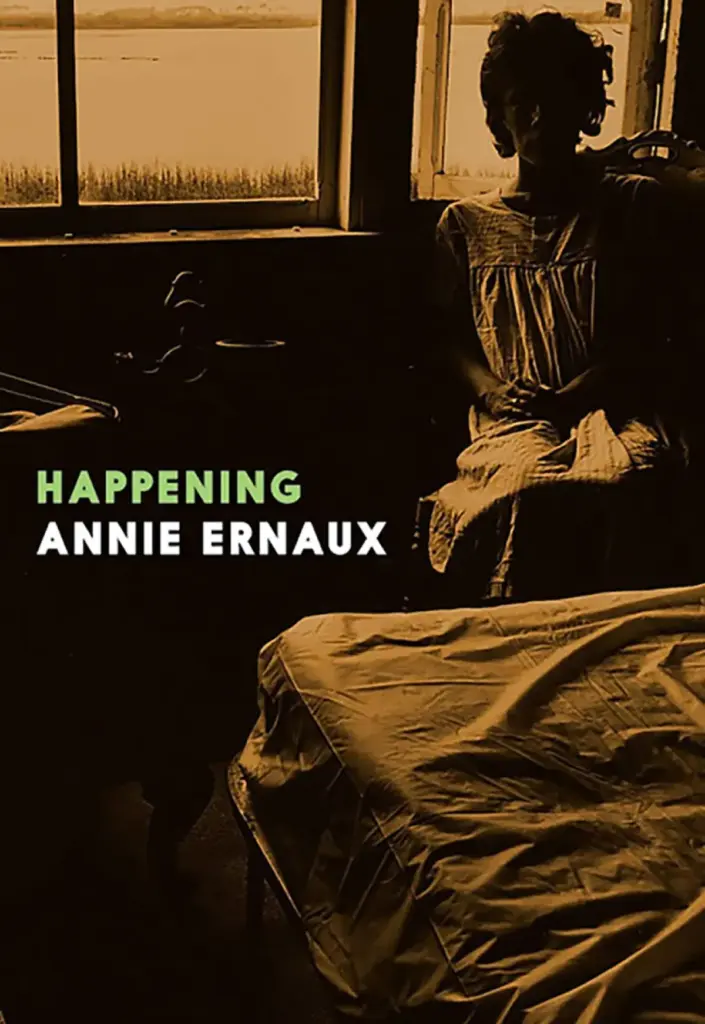
Ernaux’s memoir, ‘Happening,’ not only chronicles the violence of her backstreet abortion but also champions the importance of understanding reproductive agency. By exposing the brutal realities of her experience, she calls for recognition of the countless women who have endured similar fates, drawing parallels to the current landscape of women’s health. As a Nobel laureate in literature, Ernaux takes a stand, emphasizing that women’s voices must be amplified in conversations surrounding reproductive health, ensuring that society does not forget the historical struggles that still resonate today.
The Impact of ‘Happening’ on Abortion Discourse
Published in 2000, ‘Happening’ has revolutionized discussions around abortion and women’s rights in France by pushing the narrative of illegal abortion into the public consciousness. Annie Ernaux meticulously details the trauma and consequences of her illegal abortion, illustrating its profound impact not only on individuals but society at large. As the book becomes part of the school curriculum in France, it engages a new generation in crucial conversations about women’s health and autonomy. Ernaux’s narrative has sparked adaptations, including a multi-award-winning film that further amplifies her story and message.
By recounting her personal struggle, Ernaux encourages a crucial dialogue about how abortion rights are often curtailed by legislation and societal norms. The newer generations must understand the historical context of their rights, as Ernaux highlights the ongoing threats to access, referencing examples from various countries, including the U.S. and Poland. ‘Happening’ serves not just as a memoir, but as a powerful call to action, urging readers and viewers alike to advocate for reproductive rights and recognize the sacrifices made by women before them.
Annie Ernaux’s Influence as a Nobel Laureate
As a recent Nobel laureate in literature, Annie Ernaux’s work shines a spotlight on personal narratives that challenge societal norms. Her literary contributions, particularly her memoir ‘Happening,’ are not merely artistic expressions but potent tools that question cultural attitudes toward women’s bodies and choices. Ernaux has made it clear that literature can transcend personal experience to invoke wider societal change, highlighting the need for empathy and understanding in the discourse surrounding women’s health and rights.
Ernaux’s unique ability to weave personal history with broader societal themes has garnered her recognition and respect not just in France, but globally. Through the lens of her illegal abortion and its repercussions, she invites readers to confront uncomfortable truths about gender and power dynamics. Her willingness to candidly portray her experiences impacts how literature can serve as a catalyst for empathy and reform, particularly in the sphere of women’s reproductive rights.
Revisiting the Silence Surrounding Illegal Abortion Stories
Annie Ernaux’s recollection of her illegal abortion serves to break the long-standing silence that has enveloped such experiences for decades. In her narrative, she confronts the societal stigma attached to abortion, exploring how this silence perpetuates ignorance and fear among women. By sharing her story in ‘Happening,’ Ernaux aims to empower women and encourage them to speak out about their experiences, fostering an environment where such discussions are met with understanding rather than judgment.
The reticence surrounding illegal abortions, as Ernaux notes, becomes a cycle that many women suffer from—leading to dangerous misconceptions and practices. By unpacking her experience, she also sheds light on broader societal issues, such as the legal barriers faced by women. Her candid approach has opened new pathways for dialogue, prompting both individuals and communities to address the reality of reproductive rights and the importance of empowering women to share their stories without fear.
The Role of Memoir in Feminist Literature
Annie Ernaux’s body of work, particularly ‘Happening,’ illustrates the critical role memoir plays in feminist literature. Through her intimate recollections, Ernaux captures the complexities of women’s lives, exposing the often overlooked or taboo subjects of reproductive health and personal agency. By embedding her narratives in her lived experiences, she enriches feminist discourse, allowing for multifaceted discussions around women’s rights and societal expectations.
Her memoirs do not shy away from the harsh realities women face, nor do they romanticize hardship. Instead, Ernaux uses her writing as an act of resistance against societal norms that seek to control women’s narratives. By sharing her truth, she not only validates the experiences of countless women but also inspires others to share their stories—ultimately cultivating a rich archive of women’s voices that continue to challenge and transform feminist literature.
Annie Ernaux’s Writing Style and Impact
Annie Ernaux’s unembellished writing style is a hallmark of her exploration of complex themes surrounding women’s experiences. In ‘Happening,’ she employs a factual, straightforward approach that autobiographically narrates her illegal abortion ordeal, capturing the gravity of her decisions without embellishment. This style resonates with readers, as it reflects an authentic voice that is often missing in discussions about women’s health and reproductive rights.
Her clarity of expression not only serves to inform but also to evoke empathy from her audience. By crafting narratives that lack sensationalism, Ernaux pushes readers to confront uncomfortable truths about women’s realities and the consequences of societal silence surrounding their choices. This approach has made her work both relatable and powerful, challenging the way women’s stories are told and received in contemporary literature.
Combating the Stigma of Abortion through Literature
Annie Ernaux’s memoir, ‘Happening,’ plays a vital role in combating the stigma associated with abortion. By sharing her deeply personal experience with illegal abortion, she helps to dismantle stereotypes and misconceived notions about women who seek to terminate pregnancies. Ernaux’s narrative emphasizes that these experiences are not monolithic and are often shaped by individual circumstances, reinforcing the importance of compassion in discussions about reproductive choices.
Moreover, Ernaux seeks to highlight the historical context of abortion stigma, reminding readers that the repercussions of illegal abortions are often hidden by societal shame. Her work serves as an anthem for women’s rights, advocating for an understanding that every woman’s story is unique and deserving of respect. By normalizing conversations about abortion, Ernaux aims to create an environment where women’s choices are acknowledged and validated.
The Importance of Historical Context in ‘Happening’
Annie Ernaux’s ‘Happening’ is a poignant reminder of the historical context surrounding abortion access, especially during a time when such choices were criminalized. Ernaux’s recollection serves not only as a personal narrative but as a historical document that outlines the lengths to which women went to regain autonomy over their bodies. This context is vital for understanding the ongoing battle for reproductive rights and the legislative landscape that continues to evolve.
As Ernaux elucidates the realities of illegal abortions, she simultaneously urges contemporary readers to reflect on the past. Her aim is not just to recount her experience but to serve as a guiding light for future generations, warning them against complacency in the fight for rights that should, by all means, be guaranteed. By placing her story within a broader historical narrative, Ernaux compellingly illustrates how the struggles of the past inform present and future battles for women’s reproductive freedoms.
Embracing Vulnerability in Annie Ernaux’s Writing
One of the defining features of Annie Ernaux’s writing is her willingness to embrace vulnerability. In ‘Happening,’ she confronts her past with brutal honesty, recounting not only the physical dangers she faced but also the emotional turmoil surrounding her experience with illegal abortion. This openness allows readers to connect with her on a deeply personal level, as she navigates complex themes of shame, fear, and resilience.
Ernaux’s vulnerability serves as a powerful tool in her feminist discourse, enabling her to shed light on topics that many prefer to hide. By exposing her own struggles, she creates a safe space for others to share their experiences and find solidarity. Her work emphasizes that vulnerability is not a weakness but a strength that fosters understanding and encourages dialogue, proving essential for the collective journey toward acknowledging and advocating for women’s rights.
Frequently Asked Questions
What personal experiences did Annie Ernaux share about her illegal abortion in Happening?
In her memoir ‘Happening,’ Annie Ernaux recounts her harrowing experience of an illegal abortion in 1963, which nearly cost her life. At 23, she felt stigmatized by her unexpected pregnancy, viewing it as a failure. Unable to obtain legal help, she sought a backstreet abortionist, ultimately leading to a traumatic hospital visit after the procedure. Ernaux’s vivid description and courageous storytelling aim to shed light on the dangers of illegal abortions and emphasize the importance of women’s reproductive rights.
How does Annie Ernaux’s work address women’s reproductive rights through her abortion narrative?
Annie Ernaux’s narrative in ‘Happening’ highlights the critical issues surrounding women’s reproductive rights, particularly during a time when abortions were illegal. By sharing her illegal abortion story that almost killed her, Ernaux underscores the desperation women faced and the dire consequences of restricted access to safe abortions. This memoir serves as a powerful statement advocating for women’s autonomy and the right to make choices regarding their bodies.
What themes related to illegal abortion are explored in Annie Ernaux’s Happening?
In ‘Happening,’ Annie Ernaux explores themes of stigma, the dangers of illegal abortions, and the profound impact of her experience on women’s lives. She articulates the secrecy surrounding abortion at the time and the societal pressures faced by women, emphasizing the violence inherent in seeking unsafe procedures. Ernaux’s storytelling fosters a conversation about women’s rights and the need for awareness regarding reproductive health and safety.
What impact has Annie Ernaux’s memoir, Happening, had on discussions about abortion?
Annie Ernaux’s ‘Happening’ has significantly influenced discussions about abortion by being incorporated into educational curricula in France and adapted into a critically acclaimed film. Through her candid recounting of an illegal abortion, Ernaux ignites conversations about the importance of safe, legal access to abortions and raises awareness about the historical and contemporary issues surrounding women’s reproductive rights.
What parallels does Annie Ernaux draw between illegal and legal abortions in her writings?
Annie Ernaux draws striking parallels between the silence surrounding illegal abortions and the contemporary discussions on legal abortions in her works. She suggests that the stigma and fear associated with abortion persist even after it has become legal, motivating her to break the silence in her memoir ‘Happening.’ Ernaux emphasizes the historical significance of sharing these stories to ensure that the struggles faced by women regarding reproductive rights are not forgotten.
How does Annie Ernaux’s background influence her narrative on abortion in Happening?
Annie Ernaux’s background as the daughter of laborers and shopkeepers informs her perspective in ‘Happening.’ Her transition from a working-class upbringing to university shaped her understanding of societal expectations, stigma, and the challenges faced by women in accessing reproductive healthcare. This context enriches her narrative, giving it authenticity and resonance as she reflects on her illegal abortion experience.
Why is Annie Ernaux considered an important literary voice in the context of women’s reproductive rights?
Annie Ernaux is regarded as a pivotal literary voice in the context of women’s reproductive rights due to her fearless exploration of personal and social issues related to abortion in her memoir ‘Happening.’ By sharing her illegal abortion experience, Ernaux contributes to the discourse on women’s autonomy over their bodies, challenges societal norms, and pushes for recognition of the historical struggles women have faced regarding reproductive health.
What lessons does Annie Ernaux hope to impart through her memoir, Happening, regarding illegal abortions?
Through her memoir ‘Happening,’ Annie Ernaux aims to educate readers about the dangers and consequences of illegal abortions. She hopes to highlight the importance of women’s rights and the necessity of safe, legal access to abortion services. By sharing her own experiences, Ernaux seeks to ensure that the stories of women who have suffered due to restrictive abortion laws are remembered and that future generations understand the significance of reproductive freedom.
| Key Point | Details |
|---|---|
| Background of Annie Ernaux’s Abortion | In 1963, at age 23, Ernaux experienced an illegal abortion that nearly cost her life, shaping her future as a writer. |
| Social Stigma | Ernaux viewed her pregnancy as a stigma of social failure, feeling the pressure of her background as a working-class student. |
| The Procedure | Facing illegal options, she recounted trying to perform her own abortion and eventually seeking a backstreet abortionist. |
| Consequences of the Abortion | After the procedure, she was rushed to the hospital due to heavy bleeding and recounted the violence suffered by women. |
| Publication of her Story | Her book, Happening, published in 2000, serves as a vital account of her experiences and their implications for women’s rights. |
| Abortion in France | Ernaux advocates for the acknowledgment of women who suffered due to illegal abortions and supports the right to legal abortion. |
| Cultural Impact | Her work continues to resonate, inspiring discussions surrounding women’s rights and societal attitudes toward abortion. |
Summary
Annie Ernaux’s experience with abortion reveals the harrowing realities surrounding illegal procedures in the past. Her journey, marked by personal struggle and societal stigma, underscores the historical significance of reproductive rights. Through her poignant narratives, particularly in her acclaimed book Happening, Ernaux not only articulates her pain but also advocates for the acknowledgment of women who suffered in silence. As discussions about Annie Ernaux’s abortion continue to resonate in today’s society, they remind us of the urgent need to protect women’s rights and access to safe reproductive healthcare.