Listen to this article
The animal welfare strategy outlined by the government signals a transformative shift in how we treat and protect farm animals in England. With ambitious goals set for 2030, this strategy includes crucial measures such as the ban on caged hens and the phasing out of pig farrowing crates, which have long been criticized for compromising the well-being of livestock. Environment Secretary Emma Reynolds emphasizes that these reforms aim to elevate UK animal standards, ensuring that the rights of farm animals are respected and upheld. Advocacy for improvements in animal welfare is gaining momentum, as organizations like the RSPCA push for a comprehensive puppy farming ban and stricter regulations on commercial breeding practices. Ultimately, this progressive framework aims to not only enhance animal welfare but also create a level playing field for British farmers amidst global competition.
The recent government proposals related to animal protection reflect a significant evolution in the management of livestock and companion animals alike. By setting forth initiatives designed to enhance the welfare of all creatures raised for food or companionship, the administration is promoting ethical farming practices and prioritizing animal rights across the board. This includes measures that target harmful practices like puppy farming as well as confinement systems such as cages for poultry. As discussions about banning hunting practices that may jeopardize wildlife regain momentum, the objective remains clear: to elevate the treatment and care provided to animals, thereby aligning with the growing public interest in humane practices and high animal welfare standards.
The Shift Towards Ending Caged Hen Systems
The UK government’s impending ban on caged hens marks a significant milestone in animal welfare reforms, responding to growing public concern over the living conditions of farm animals. This shift not only aims to improve animal welfare but also aligns with the rising awareness of ethical farming practices. The transition away from caged systems is expected to enhance the quality of life for hens, allowing them more freedom to engage in natural behaviors, which is crucial for both their physical and mental well-being.
As the government pushes for a complete phase-out of battery cages by 2030, stakeholders, including the National Farmers’ Union, emphasize the need for equitable standards across imports. To prevent unfair competition, imported eggs must adhere to the same welfare standards as those applied within the UK. This ensures that domestic farmers can compete fairly while also bolstering consumer confidence in the welfare of the animals they consume. The overall goal is not just to end caged systems but to elevate the UK’s animal welfare standards on a global level.
Improving Animal Welfare Standards Through Legislative Changes
The proposed animal welfare strategy aims to implement comprehensive legislative changes that significantly elevate the standards for all farm animals in the UK. It encompasses several initiatives, including the introduction of alternative housing systems that do not rely on confinement, such as the phase-out of pig farrowing crates and the ban on puppy farming. These changes reflect a growing consensus that welfare legislation is essential to ensure that animals are raised without undue suffering, which is particularly relevant as consumers demand higher transparency in agricultural practices.
Furthermore, the government plans to consult with industry leaders and animal welfare organizations to refine these proposals, making it a collaborative effort to enhance farm animal rights. The strategy’s proactive approach includes safeguarding against practices that compromise animal welfare, such as the infamous ‘Frankenchickens’ breeding programs. By setting rigorous standards and fostering an environment of accountability, the government hopes to make a real impact on the welfare of millions of farm animals.
Addressing Puppy Farming in the UK
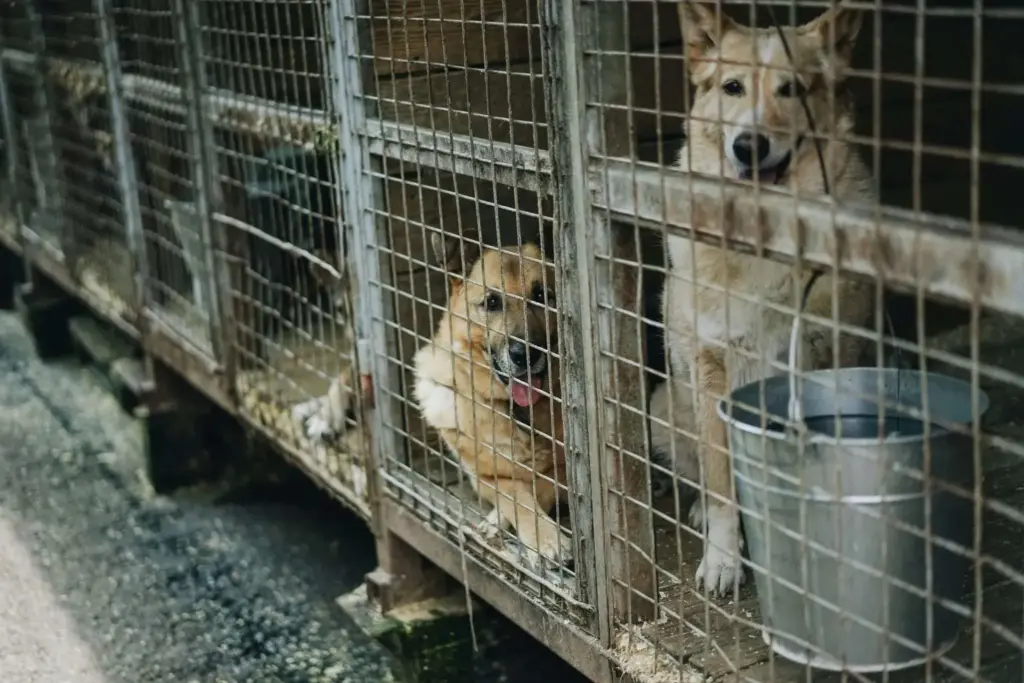
Puppy farming has increasingly come under scrutiny due to its detrimental effects on animal welfare and the health outcomes of dogs. The RSPCA has termed the proposed puppy farming ban as a potential game-changer for the industry, signaling a shift towards stricter regulations that aim to protect dog welfare. The proposed changes would mandate inspections and licensing for all breeders, focusing on improving conditions and ensuring that puppy welfare is prioritized, effectively curbing the issues associated with mass breeding operations.
Current legislation only requires breeders with three or more litters to be licensed, which is insufficient to tackle the widespread malpractice associated with puppy farming. Therefore, the government’s plan to introduce a new registration scheme for all dog breeders, along with enhanced welfare standards, marks a significant step towards eradicating unhealthy breeding practices. Advocates argue that such legislation is crucial not only for the well-being of the individual dogs but also for preventing future health problems that impact both dogs and their human owners.
The Future of Animal Welfare Strategy in the UK
The government’s animal welfare strategy is lauded as one of the most ambitious moves in a generation, reflecting changing societal attitudes towards animals and their treatment. Environment Secretary Emma Reynolds emphasizes the urgency of implementing these reforms by 2030, encompassing various measures aimed at promoting improved animal welfare across different sectors. By addressing issues such as banning trail hunting and increasing standards for livestock care, the government is positioning itself as a leader in animal welfare on the global stage.
However, opposition parties and rural advocates express concerns that these measures may not adequately consider the livelihoods of rural communities. Some critics argue that the proposed changes, including a ban on trail hunting, could disrupt traditional practices. The government’s challenge lies in balancing animal welfare with the realities faced by farmers and rural residents, ensuring that reforms are both effective and sensitive to local communities. Ultimately, the success of the animal welfare strategy relies on careful planning and collaboration among various stakeholders.
Concerns Over Fair Competition in Agriculture
As the UK government moves towards higher animal welfare standards, the implications for fair competition in agriculture become increasingly critical. The National Farmers’ Union has voiced concerns that unless imported products comply with the same welfare criteria as those produced domestically, British farmers could face significant disadvantages. The emphasis on maintaining high standards for animal welfare should extend beyond the UK borders to ensure that farmers are not undermined by cheaper imports produced under lax conditions.
Additionally, the government’s commitment to not lowering food standards is essential for maintaining integrity within the food industry. By ensuring that imports meet the same rigorous animal welfare standards, the UK can protect its farmers while promoting ethical agricultural practices. The welfare of animals is not merely a local concern but a global challenge that requires coordinated efforts to ensure that all products meet humane treatment standards.
Innovations in Animal Husbandry Practices
The reforms included in the UK’s animal welfare strategy signal a shift towards innovative farming practices that prioritize animal well-being. By encouraging the exploration of non-cage alternatives, farmers are urged to adapt to systems that allow for natural behavior, which not only benefits the animals but can also lead to higher-quality products. Transitioning towards such modern farming practices requires investment, education, and support from the government and industry leaders.
These innovations may also involve collaboration with animal welfare scientists to establish guidelines that enhance the living conditions of farm animals drastically. Through research and development, the farming industry can harness new technologies and techniques that align with both consumer demand and ethical considerations. Thus, the future of agriculture may see a profound transformation as farmers adopt systems that are not only economically viable but also morally acceptable.
The Role of Consumer Demand in Animal Welfare
Consumer demand plays a crucial role in driving changes in animal welfare standards across the UK. As more individuals express their preference for ethically sourced food products, farmers are compelled to adapt their practices to meet these expectations. This growing consciousness surrounding farm animal rights has led to increased interest in free-range and higher welfare products, prompting many producers to re-evaluate their current systems.
As the market shifts, it is essential for the government and industry stakeholders to promote transparency and provide consumers with the necessary information to make informed choices. Labeling schemes that highlight animal welfare standards could empower shoppers to support farms that prioritize humane treatment, thereby fostering a more responsible agricultural environment. Ultimately, the synergy between government policy, industry compliance, and consumer choice will be pivotal in advancing animal welfare across the UK.
Legal Frameworks Supporting Animal Welfare Initiatives
The legal frameworks surrounding animal welfare in the UK are continually evolving to adapt to new standards and practices. With the recent proposals aimed at ending confinement systems and issuing stricter regulations on dog breeding, these legal changes signal a robust commitment to enhancing animal welfare. The legal aspects of this strategy not only enforce compliance but also provide a clear set of benchmarks for welfare that all producers must meet.
Enforcement of these regulations will require adequate resources and dedicated oversight to ensure they are effectively implemented. Animal welfare organizations and government bodies must collaborate to ensure compliance and address any breaches that may occur. By reinforcing the legal foundations of animal rights, the UK stands to set a precedent on how legislative action can lead to tangible improvements in the living conditions for animals across various sectors.
Collaborative Efforts for Sustainable Farming and Animal Rights
A successful animal welfare strategy will hinge on collaborative efforts between the government, farmers, and animal rights organizations. By engaging various stakeholders in constructive dialogue, it is possible to develop solutions that respect the rights of animals while also considering the livelihoods of farmers. This collective approach encourages innovation as stakeholders share insights and best practices that can result in improved welfare outcomes across the agricultural landscape.
Sustainable farming practices must be developed in conjunction with animal welfare reforms to ensure that the rights of farm animals are respected in a way that is economically viable for producers. This approach not only promotes animal welfare but also heralds a shift towards more responsible, sustainable food production that can handle the challenges of the future. Recognizing the importance of this collaboration will be key in shaping the future of agriculture and animal welfare in the UK.
Frequently Asked Questions
What is the UK animal welfare strategy regarding caged hens?
The UK animal welfare strategy aims to ban caged hens by transitioning to non-cage systems, thus enhancing living conditions for farm animals. This aspect of the strategy addresses concerns over animal confinement and promotes improved animal welfare standards in England.
How does the government plan to improve animal welfare in farming?
The government is implementing a comprehensive animal welfare strategy that includes banning caged hens and phasing out pig farrowing crates. These measures focus on enhancing animal welfare standards and ensuring that farming practices respect farm animal rights.
What are the key components of the animal welfare strategy?
The key components of the animal welfare strategy include banning caged hens, outlawing puppy farming, and phasing out farrowing crates. Additionally, the strategy aims to ban trail hunting and improve overall UK animal standards.
How does banning puppy farming fit into animal welfare strategy?
Banning puppy farming is a crucial part of the animal welfare strategy as it addresses the poor living conditions under which many dogs are bred. The strategy seeks to ensure healthier animals and higher standards in breeding, aligning with the overall objective to improve animal welfare.
What measures are being taken to ensure higher UK animal standards for imports?
To uphold high UK animal standards, the government plans to require that imported food meets the same welfare criteria as domestic products. This is part of the animal welfare strategy to maintain fair competition for British farmers and protect farm animal rights.
Why is the ban on caged hens considered significant in the animal welfare strategy?
The ban on caged hens is significant because it reflects a substantial shift towards improving animal welfare in the UK. Ending cage confinement aligns with the growing movement for higher animal welfare standards and represents a commitment to better living conditions for farm animals.
What impact will the animal welfare strategy have on poultry farming?
The animal welfare strategy will require poultry farmers to transition away from caged systems, potentially improving the living conditions of birds. This change is expected to promote better animal welfare practices while ensuring UK animal standards remain high.
What role does the National Farmers’ Union play in the animal welfare strategy?
The National Farmers’ Union advocates that any changes in animal welfare strategy, such as banning caged hens, should ensure that imports meet the same welfare standards. This is to prevent unfair competition for British farmers and maintain a level playing field under the new animal welfare strategy.
How will the animal welfare strategy affect future legislation on puppy breeding?
The animal welfare strategy includes proposals for a new registration scheme for dog breeders and stricter health and welfare standards, aiming to regulate and improve conditions for puppies and prevent issues linked to puppy farming.
What further measures are included in the animal welfare strategy beyond caged hens?
Beyond banning caged hens, the animal welfare strategy includes phasing out farrowing crates, banning puppy farming, outlawing cruel snares, and consulting on banning trail hunting, all intended to enhance animal welfare standards in the UK.
| Key Point | Details |
|---|---|
| Ending Hen Cages | The government plans to ban the use of hen cages by 2030. |
| Phasing Out Farrowing Crates | The strategy includes phasing out pig farrowing crates, which confine sows. |
| Import Standards | NFU insists all imports should meet UK animal welfare standards, |
| Reforms Overview | The reforms aim to enhance overall animal welfare standards, including banning puppy farming and trail hunting. |
| Collaboration with Farmers | The government is committed to working with farmers to explore non-cage systems. |
| Eliminating Cruel Practices | Plans to outlaw ‘Frankenchickens’ and address low welfare dog breeding. |
| RSPCA and Puppy Farming | RSPCA supports banning puppy farms and plans to improve breeder regulations. |
| Trail Hunting and Snaring | Consultation on banning trail hunting and snare traps is being planned for 2026. |
Summary
The animal welfare strategy aims to implement significant reforms to improve the treatment of farmed animals in the UK. By planning to end the use of cages for hens and phasing out farrowing crates for pigs, the government has set a clear direction towards better animal welfare. Through collaborations with the farming community and comprehensive reforms, including banning controversial practices like puppy farming and trail hunting, this strategy reflects a crucial step forward in enhancing the standards of animal care. Furthermore, attention to import standards ensures that British farmers are not disadvantaged. This comprehensive approach marks a new era in the commitment to animal welfare in England, promising to balance the needs of livestock, consumers, and the agricultural industry.