
Listen to this article
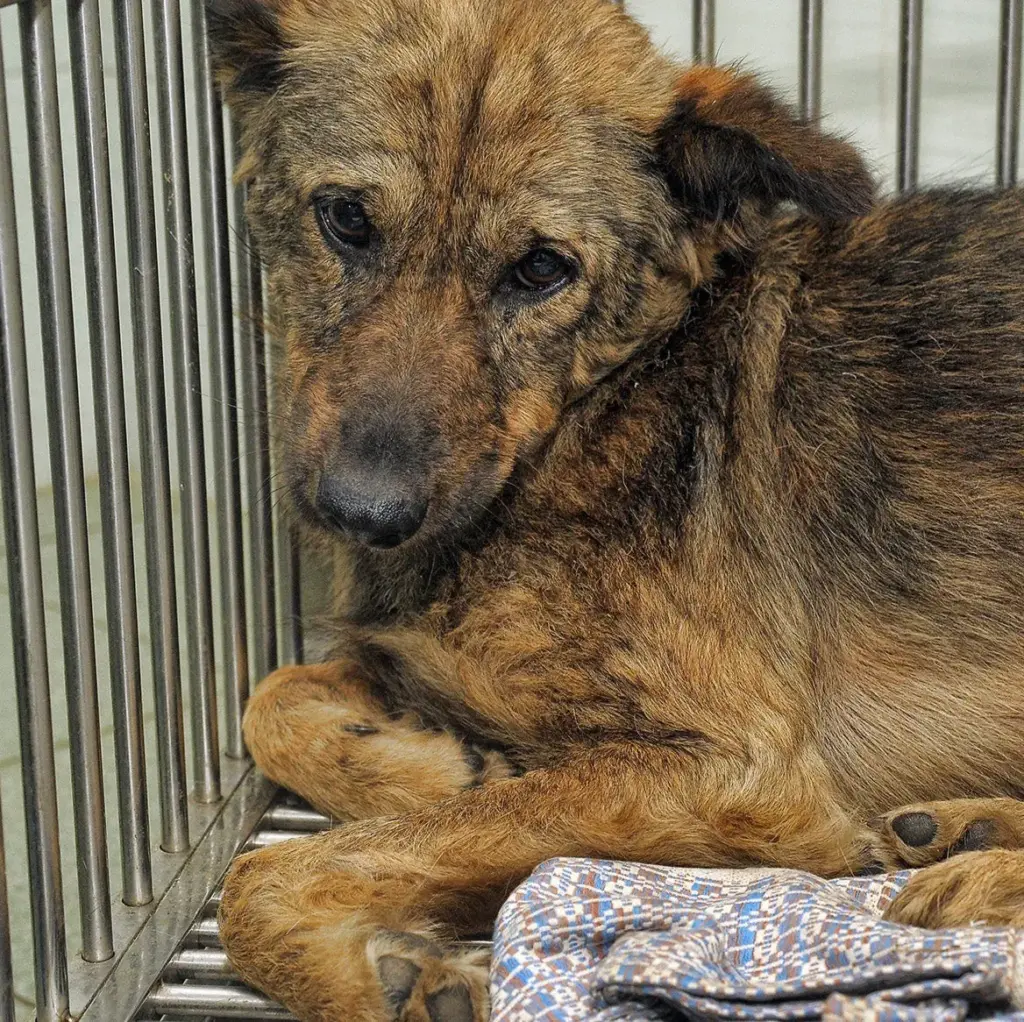
Animal neglect is a pressing issue that deeply impacts the welfare of countless creatures, often resulting in severe suffering and distress. Recent revelations involving a woman in Shoreditch, who was found harboring 21 cats, a dog, and a snake in deplorable conditions, highlight the critical need for responsible pet ownership. The RSPCA has been at the forefront of addressing such animal cruelty cases, emphasizing the importance of adhering to pet ownership responsibilities. Abandoned pets frequently become victims of neglect, underscoring the necessity for community awareness and intervention in these heartbreaking situations. Through education and advocacy, we can strive to create a society where every animal is treated with compassion and respect, avoiding the tragic outcomes that result from neglect.
Inadequate care for animals, often referred to as animal abandonment or maltreatment, poses significant challenges for the health and safety of vulnerable pets. The shocking case of multiple animals discovered in distressing circumstances serves as a reminder of the responsibilities pet owners must uphold to ensure their well-being. Cases of neglect not only reflect on individual owners but also raise awareness regarding animal rights and the standards maintained by organizations like the RSPCA. It is crucial to champion the cause of humane treatment for all pets, as neglect often leads to long-term health issues and suffering. By fostering an environment dedicated to animal welfare, we can help prevent the recurrence of such tragedies and provide a brighter future for countless animals.
The Dangers of Animal Neglect in Urban Areas
Animal neglect poses a serious challenge in urban environments, where space and resources are often limited. The recent case of Rachel Xie Yin, who was found with multiple animals in deplorable conditions, highlights the urgency of this issue. In densely populated areas like Shoreditch, individuals may feel overwhelmed by pet ownership responsibilities, leading to neglect or abandonment. This not only affects the animals’ welfare but also poses health risks to the community as neglected pets may harbor diseases.
Neglect can also be indicative of a broader societal problem concerning animal welfare. Many pets, like the 21 cats and a dog found in Xie Yin’s flat, experience severe distress and suffering due to inadequate care. For these animals, the absence of basic needs—such as clean living conditions, proper nutrition, and veterinary care—can lead to life-threatening health issues. Organizations like the RSPCA emphasize the importance of vigilance in our communities, urging the public to report suspected cases of animal neglect, thereby fostering a safer environment for all.
Understanding Pet Ownership Responsibilities
Owning a pet comes with significant responsibilities that extend beyond simply providing food and shelter. Individuals must ensure that their pets receive timely veterinary care, regular exercise, and social interaction. The case involving Rachel Xie Yin illustrates a stark failure to meet these basic obligations, as the animals in her care suffered from neglect and serious health problems. Education regarding pet ownership responsibilities is crucial to preventing future cases of neglect.
Responsible pet ownership includes understanding the commitment of providing for an animal’s well-being throughout its life. People often underestimate the long-term needs of pets, which can lead to impulsive decisions to adopt without proper planning. The RSPCA actively works to raise awareness about the gravity of these responsibilities, advocating for informed adoption practices and promoting the idea that every pet owner has a duty to protect their pets and ensure their quality of life.
Consequences of Animal Cruelty
The ramifications of animal cruelty extend beyond immediate physical harm to the animals involved. In cases like Xie Yin’s, where multiple animals were found living in squalid conditions, the consequences can ripple through communities, eroding public trust in pet ownership and animal welfare initiatives. The repeated offenses show a clear disregard for the law and highlight the challenges faced by organizations like the RSPCA in addressing such endemic issues.
Moreover, the legal consequences for individuals committing such acts can include significant penalties, as evidenced by Xie Yin’s sentencing. The judicial system recognizes the need for deterrence against animal cruelty, often enforcing strict penalties on offenders to discourage similar behavior in others. This not only safeguards animals but also underscores the message that animal welfare should be a priority in society.
The Role of RSPCA in Combatting Abuse
The RSPCA (Royal Society for the Prevention of Cruelty to Animals) plays a pivotal role in advocating for animal welfare and addressing issues of animal abuse and neglect. They provide critical services, including rescue operations and rehabilitation for abused animals, as seen in the recent case where they intervened to safeguard the lives of numerous cats and a dog. The scope of their work includes educating the public on animal care and the legal implications of neglect.
In addition to direct interventions, the RSPCA works tirelessly to promote responsible pet ownership and work with local communities to identify and report signs of animal distress. Their efforts are essential in creating a culture of accountability, where pet ownership is approached with the seriousness it deserves. Engaging in community programs and outreach initiatives, they help to ensure that pet owners are aware of their responsibilities and the importance of providing for their animals’ needs.
The Impact of Filthy Environments on Animal Health
The condition of an animal’s living environment is critical to its overall health and well-being. In Rachel Xie Yin’s case, the filthy and unsanitary conditions led to severe neglect, ultimately resulting in the death of one cat and poor health for many others. When animals are kept in unclean conditions, they are at a higher risk for diseases, infections, and behavioral issues, compounding the problem of neglect.
Creating and maintaining a clean living space for pets is a fundamental part of responsible pet ownership. It contributes not only to the health of the animal but also to the safety of the household. Filthy environments have been linked to various health issues, including parasitic infestations and respiratory problems. Ensuring that every pet has a safe and clean sanctuary is essential to promoting animal welfare in our communities.
Community Responsibility in Animal Welfare
Animal welfare is not solely the responsibility of individual pet owners; it is a community concern that requires collective action and vigilance. The community can play a crucial role in identifying and addressing animal neglect or cruelty, as demonstrated by the cooperation between local authorities and the RSPCA in the case of Xie Yin. Community members can act as the first line of defense by reporting suspected cases and advocating for animals in need.
Fostering a culture of empathy and responsibility towards animals enhances the overall quality of life for both animals and humans alike. Community-based initiatives that educate the public about animal welfare foster understanding and commitment to protecting those who cannot speak for themselves. This shared responsibility is fundamental in preventing cases of neglect and ensuring a thriving environment for all pets.
Legal Framework Against Animal Neglect
Laws regarding animal neglect and cruelty are crucial in protecting vulnerable animals. The legal system provides a framework for prosecution against offenders, aiming to deter neglectful behavior among pet owners. As highlighted in Xie Yin’s case, the law imposes not only fines and community service but also bans on future animal ownership for those who fail to comply with welfare standards. This legal structure serves to reinforce the seriousness of pet ownership responsibilities.
Despite these laws, there are still significant gaps in enforcement and public awareness regarding animal rights. Advocacy groups are pushing for stricter regulations and higher penalties for neglectful owners, emphasizing the impact of these issues on animal welfare. Legal reform and community education are both necessary to ensure that the laws effectively safeguard the welfare of animals and encourage more compassionate treatment.
Educational Initiatives in Animal Welfare
Education is a powerful tool in promoting animal welfare and preventing cases of neglect. Organizations like the RSPCA invest in educational initiatives aimed at informing the public about proper pet care, the responsibilities that come with ownership, and the consequences of neglect and abuse. Through workshops, community outreach, and school programs, they strive to raise awareness about the importance of treating animals with respect and love.
These educational efforts are vital for fostering a new generation of responsible pet owners. By teaching children about compassion, empathy, and the needs of animals, we can create a ripple effect that strengthens ties between humans and animals within communities. As seen in the lessons drawn from Xie Yin’s situation, understanding pet ownership responsibilities can help prevent future instances of neglect and ensure that all animals receive the care they deserve.
The Future of Animal Welfare Practices
The future of animal welfare relies heavily on society’s commitment to addressing the root causes of neglect and cruelty. As instances similar to Xie Yin’s occur, it is essential to take proactive measures to prevent such neglect. This includes improving regulations, increasing public education on responsible pet ownership, and promoting adoption practices that ensure animals find suitable, loving homes.
Additionally, advancements in veterinary care and animal rehabilitation practices will play a significant role in improving the outcomes for neglected animals rescued from harmful environments. Organizations are beginning to implement more holistic approaches in their care strategies, focusing not only on the physical well-being of animals but also on their psychological needs. As society evolves, so too must our approaches to animal welfare to ensure a brighter future for all creatures.
Frequently Asked Questions
What constitutes animal neglect and how does it relate to animal welfare?
Animal neglect occurs when an animal’s basic needs, such as food, water, shelter, and veterinary care, are not met. This directly affects animal welfare, leading to suffering and poor health. In severe cases, like the Shoreditch incident where 21 cats and a dog were found in filth, neglect can result in legal actions under animal cruelty laws.
How can I report suspected animal neglect or cruelty in my area?
If you suspect animal neglect or cruelty, you can report it to organizations like the RSPCA. They have dedicated lines and resources for investigating cases of animal welfare violations. Provide as much detail as possible about the situation to assist them in their investigation.
What are the responsibilities of pet ownership to prevent animal neglect?
Pet ownership responsibilities include providing adequate food, water, healthcare, and a safe living environment for your animals. It’s crucial to understand that neglect can lead to serious health issues for pets, similar to the case of the abandoned pets found in the Shoreditch flat.
What should I do if I find an abandoned pet that appears neglected?
If you find an abandoned pet showing signs of neglect, take immediate steps to help. Contact your local animal welfare organization, such as the RSPCA, for guidance. Ensure the animal has food and water while you wait for professional help.
What legal actions can be taken against individuals charged with animal neglect or cruelty?
Individuals charged with animal neglect or cruelty can face various legal consequences, including fines, court-mandated community service, and bans on animal ownership, similar to the 14-week sentence imposed on Rachel Xie Yin for her neglectful actions.
How does neglecting animals affect their health and well-being?
Neglecting animals leads to serious health issues, including malnutrition, untreated diseases, and psychological distress. Poor living conditions, like those found in the Shoreditch case, can contribute significantly to their deteriorating health and well-being.
How can I support animal welfare organizations working against animal neglect?
You can support animal welfare organizations, like the RSPCA, by volunteering, donating, or participating in fundraising events. Raising awareness about animal neglect and encouraging responsible pet ownership also helps promote animal welfare in your community.
What should I consider before adopting multiple pets to prevent neglect issues?
Before adopting multiple pets, consider your resources, time, and ability to provide individual attention and care to each animal. Overestimating your capacity, as seen in the Shoreditch case, can lead to neglect and serious consequences for the animals involved.
| Key Point | Details |
|---|---|
| Incident Overview | A woman, Rachel Xie Yin, was caught with 21 cats, one dog, and a python in a filthy flat. |
| Animal Conditions | The animals lived in appalling conditions with feces and old food left out. |
| Health Issues | Nine cats among the animals suffered from poor health and various diseases. |
| Legal Actions | Xie Yin was given a 14-week suspended sentence and issued another lifetime ban. |
| RSPCA Role | The RSPCA removed all animals from her care and is currently taking care of them. |
Summary
Animal neglect is a serious issue that can lead to severe legal consequences, as highlighted by the case of Rachel Xie Yin. Caught with numerous animals in deplorable conditions, she was found guilty of violating a prior lifetime ban on animal ownership. This incident underscores the critical importance of responsible animal care and the consequences of failing to meet the welfare needs of pets.