Listen to this article
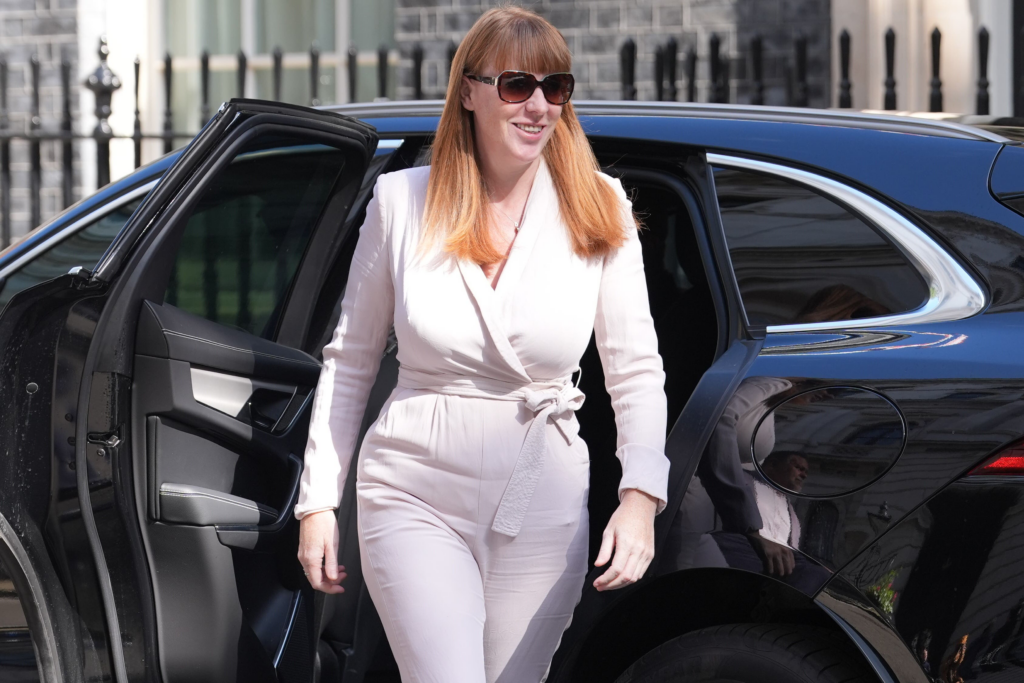
Angela Rayner, the former deputy prime minister and key figure in the Labour Party, is poised for a return to the cabinet following her temporary resignation due to a tax scandal. Her departure came after it was revealed that she had not accurately paid stamp duty on her Hove flat, raising eyebrows in the political spotlight. Despite the controversy, an investigation concluded that Rayner acted with integrity, yet her misstep regarding tax advice fell short of the ministerial standards expected of her. Sir Keir Starmer has hailed Rayner as a “hugely talented” individual whose journey from poverty to political prominence exemplifies the best of social mobility. As discussions surrounding her cabinet reinstatement continue, many anticipate her impactful contributions to the Labour movement in the near future.
The political arena is abuzz with speculation over Angela Rayner’s potential comeback to leadership roles within the Labour Party after her recent hiatus. Known for her resilience and advocacy for workers’ rights, Rayner’s absence has left a noticeable gap since her resignation tied to a stamp duty miscalculation. Sir Keir Starmer’s support for her return has further fueled interest in her political trajectory, particularly against the backdrop of issues like the current tax scandal. As critics and supporters alike await her next move, Rayner remains a significant figure in discussions around social justice and equity in the UK. The excitement surrounding her potential cabinet return signals her enduring influence and relevance in today’s political landscape.
Angela Rayner’s Resilience and Future in the Labour Party
Angela Rayner has proven herself to be a resilient figure in British politics, especially in light of her recent resignation from a significant position in the Labour Party. After stepping down due to a taxing scandal regarding her property purchase, many wondered if she could bounce back. Fortunately, Sir Keir Starmer acknowledged her immense talent and has expressed a desire to see her return to the cabinet, highlighting her role as a crucial asset in the Labour movement. This sentiment resonates strongly among party supporters who view her as a beacon of hope for social mobility and representation of working-class voices in government.
Rayner’s journey from a challenging upbringing to a leading political figure exemplifies the ideals of social mobility that the Labour Party holds dear. Her previous roles, which include deputy Labour leader and Secretary of State, showcase her capability to helm important legislative initiatives. Even after her resignation, Rayner has remained active in discussions surrounding employment rights, demonstrating her unwavering commitment to the causes she champions. As discussions about her potential cabinet return intensify, it’s clear that Rayner’s political narrative is far from over.
Sir Keir Starmer and Labour’s Vision for the Future
Sir Keir Starmer’s leadership of the Labour Party has been marked by his commitment to addressing key issues facing the British populace. The recent tax scandal that engulfed Angela Rayner’s resignation has tested his leadership, but it has also provided an opportunity to reaffirm the party’s core values. Rather than sidelining Rayner, Starmer recognizes her unique experiences and contributions as vital to the Labour Party’s future direction. His statement about her returning to cabinet is not merely a political gesture; it reflects a broader vision of inclusivity and strength within the party.
As the Labour Party navigates the political landscape towards future elections, Starmer’s focus on reinforcing the talents of his cabinet members will be essential. Alongside Rayner, he is likely to leverage the skills of new appointments, like Lucy Powell, to build a dynamic and effective leadership team. Starmer’s vision includes not just recovering from scandals like the recent tax issues but also revitalizing the party’s commitment to social justice and economic equity in a way that resonates with voters disillusioned by past administrations.
Importance of Cabinet Returns in Political Stability
The return of key figures like Angela Rayner to the cabinet is crucial for political stability within the Labour Party. Starmer’s decision to reinstate Rayner illustrates his strategy to maintain a strong and capable leadership team amidst ongoing challenges. The political spotlight often shifts dramatically, especially in the wake of scandals, and having experienced leaders like Rayner can provide both reassurance and strategic insight as the party seeks to redefine its platform and appeal to the electorate. Her past achievements in government indicate her capability to navigate complex legislative landscapes.
Moreover, the optics of Rayner’s return could also bolster public confidence in the Labour Party. When high-profile figures step back into their roles after weathering storms, it can signal resilience and determination to voters. This is particularly vital in the current climate, where the Labour Party must effectively communicate its vision and policies in light of national challenges. By embracing seasoned politicians who have faced adversity, Starmer can reaffirm his leadership and the party’s commitment to addressing the concerns of everyday citizens.
Navigating Tax Scandals and Political Accountability
Tax scandals have become a pressing concern for political figures across the spectrum, testing not just individual reputations but also party ethics. Angela Rayner’s resignation linked to her tax misjudgment underscores the importance of accountability within government. While the investigation deemed her actions as having integrity, the implications of such controversies are significant. Sir Keir Starmer’s response demonstrates his commitment to maintaining high standards within the Labour Party, ensuring that they hold their members accountable while also crafting pathways for redemption and return to service.
The Labour Party, led by Starmer, must remain vigilant in addressing tax-related issues, not just in light of personal breaches but as part of a broader narrative regarding fiscal responsibility and governance. This will require an examination of internal policies and potentially reforming guidance for members on financial matters. As Rayner potentially prepares for a return, her understanding of these complexities will be key to her effectiveness in cabinet, allowing her to contribute to the party’s direction in a more robust manner.
Rayner as an Icon of Social Mobility in Politics
Angela Rayner’s story highlights the importance of social mobility in British politics, particularly for the Labour Party, which champions working-class values. Her rise from humble beginnings to a prominent cabinet position serves as an inspiring tale for many. This narrative is crucial in galvanizing support for Labour’s broader social mobility agenda, showcasing a party that is not only aware of social disparities but actively working to alleviate them. Starmer’s recognition of Rayner’s achievements and her potential to inspire others is an affirmation of the party’s commitment to inclusivity.
Additionally, as debates over education and economic opportunity continue, having representatives like Rayner can directly influence policy discussions. Her experiences resonate with constituents who have faced similar challenges, and her presence in leadership roles provides a relatable figure for voters seeking representation. By elevating voices that have experienced the adversities that many face, the Labour Party can strengthen its platform and develop targeted strategies that address both immediate community needs and long-term systemic issues.
Potential for Angela Rayner to Influence Labour’s Employment Policy
Angela Rayner has long been connected with labour rights, notably during her time as the architect of pivotal employment legislation. With her potential return to a cabinet role, Rayner could significantly influence Labour’s approach to employment policy. The discussions around unfair dismissal protections highlight her commitment to ensuring workers’ rights, a core tenet of the Labour Party’s platform. Starmer’s backing of her expertise indicates a strategic move not just to reintegrate talent but to revitalize the party’s stance on crucial issues affecting workers across the UK.
As Rayner prepares to engage with her colleagues once more, the dynamics surrounding employment legislation will be key in shaping Labour’s narrative moving forward. The party must balance immediate concerns related to economic recovery and fair employment practices with long-term visions for a more equitable job market. Rayner’s insights and proposed amendments could spur significant developments in this area, emphasizing Labour’s commitment to not just defend but actively uphold workers’ rights.
The Role of Women in Labour Leadership
Angela Rayner’s position within the Labour Party shines a light on the broader discussion regarding women’s roles in political leadership. Her experience reflects the ongoing struggles that women face within political spheres that have historically been dominated by men. The recognition provided by Sir Keir Starmer regarding her capabilities not only showcases his commitment to gender equity but also highlights a necessary evolution within Labour’s leadership structure. It is a testament to how women in leadership positions contribute to richer discussions and more comprehensive policy decisions.
The engagement of women leaders, like Rayner and others, is vital in constructing a narrative that supports equality and representation. Starmer’s potential reinstatement of Rayner could serve as a strong message to younger women aspiring to enter politics, reinforcing the idea that their voices and experiences are valuable. A concerted effort towards equality in leadership positions will not only enhance the Labour Party’s reputation but ultimately strengthen its policies, making them more reflective of the diverse constituents they serve.
The Impact of Media Coverage on Political Careers
Media coverage plays a pivotal role in shaping political careers, and in Angela Rayner’s case, it has significantly influenced public perception and her subsequent decisions. After her resignation, the media’s portrayal of her involvement in a tax scandal could have derailed her career, yet Starmer’s support reinstates her image positively. This relationship between media narrative and political reality underscores the need for politicians to navigate public scrutiny while remaining focused on their objectives. The dynamic nature of media coverage can enhance or hinder a politician’s efforts to re-enter the spotlight, and Rayner’s situation exemplifies this.
Moreover, the Labour Party’s management of media narratives surrounding its members is critical in maintaining trust and credibility. As Rayner potentially plans her return, the focus must be on proactive engagement with the media to reshape narratives that may have emerged from past controversies. Learning to wield media influence effectively can help elevate not only Rayner’s profile but also the broader objectives of the Labour Party, transforming challenges into opportunities for renewed trust and leadership.
Future Directions for the Labour Party Under Starmer’s Guidance
The future of the Labour Party under Sir Keir Starmer’s leadership appears to pivot on strategic appointments and bold policy proposals, particularly in light of Angela Rayner’s potential return. With a firm commitment to social justice and economic reform, Starmer is keen to rally his party members around a unified vision. It will be essential for the Labour Party to address pressing issues, including the need for equitable tax policies and robust employment rights, to regain momentum and position itself favorably against opposition parties.
As Starmer forges ahead, the reintegration of Rayner could signal a turning point for Labour’s approach to leadership and policy-making. Her experiences and insights will be invaluable as the party seeks to re-establish itself as a formidable force in British politics. By focusing on inclusive growth and fair opportunities, the Labour Party aims not only to recover from recent setbacks but to rally a diverse coalition of supporters committed to transformative change, setting the stage for future electoral success.
Frequently Asked Questions
What are the reasons behind Angela Rayner’s resignation from the Labour Party cabinet?
Angela Rayner resigned from the Labour Party cabinet due to a tax scandal regarding her failure to pay the correct amount of stamp duty on her £800,000 flat in Hove. An investigation concluded that while she had acted with integrity, her lack of proper tax advice did not meet ministerial standards.
Will Angela Rayner return to the Labour Party cabinet after her resignation?
Yes, Sir Keir Starmer has indicated that he plans for Angela Rayner to return to the Labour Party cabinet, recognizing her as a hugely talented individual and a major voice within the Labour movement.
How does Angela Rayner’s background influence her political career?
Angela Rayner’s background plays a significant role in her political career; having grown up in poverty and left school at 16, she represents a compelling story of social mobility, showcasing her rise as a key figure within the Labour Party and advocating for working-class issues.
Who succeeded Angela Rayner as deputy leader of the Labour Party?
Lucy Powell succeeded Angela Rayner as the deputy leader of the Labour Party following an election among party members after Rayner’s resignation.
What impact has Angela Rayner had on Labour Party policies related to employment rights?
Angela Rayner, as a key architect of the government’s employment rights bill, has significantly influenced Labour Party policies. Despite her resignation, she was expected to propose an amendment to strengthen protections against unfair dismissal, reflecting her commitment to employee rights.
What did Sir Keir Starmer say about Angela Rayner’s talent and future in politics?
Sir Keir Starmer has praised Angela Rayner as a hugely talented politician and expressed his sadness over her resignation. He affirmed his desire for her return to the cabinet, emphasizing her importance to the Labour Party’s future.
Why has Angela Rayner been mostly absent from the political spotlight since her resignation?
Since her resignation, Angela Rayner has chosen to remain mostly out of the political spotlight, making only one speech in the House of Commons after her departure, which shows her approach to navigating the aftermath of the tax scandal.
What recent comments did Work and Pensions Secretary Pat McFadden make about Angela Rayner?
Work and Pensions Secretary Pat McFadden described Angela Rayner as an enormous talent, welcoming her anticipated return to the Labour Party cabinet, while noting that the ultimate decision lies with Prime Minister Sir Keir Starmer.
| Key Point | Details |
|---|---|
| Angela Rayner’s Resignation | Resigned over a tax scandal involving unpaid stamp duty on an £800,000 flat. |
| Investigation Findings | The investigation found she acted with integrity but failed to obtain proper tax advice. |
| Prime Minister’s Comments | Sir Keir Starmer desires Rayner’s return, highlighting her talents and contribution to the Labour movement. |
| Public Support | Rayner received strong support and praise during her resignation speech and continues to be recognized in the party. |
| Current Role and Future | Rayner has stepped back from the spotlight but is expected to contribute to future legislation, such as amendments to employment rights bill. |
Summary
Angela Rayner has made headlines recently due to her resignation over a tax scandal, but the path ahead appears bright as Sir Keir Starmer emphasizes her significant talents and contributions to the Labour Party. Following her resignation, Rayner’s integrity was acknowledged, and there is a strong desire within the leadership to have her return to the cabinet. With her history of overcoming adversity, including her impactful role in the housing sector and employment rights, Angela Rayner remains a pivotal figure in shaping Labour’s future policies.