
Listen to this article
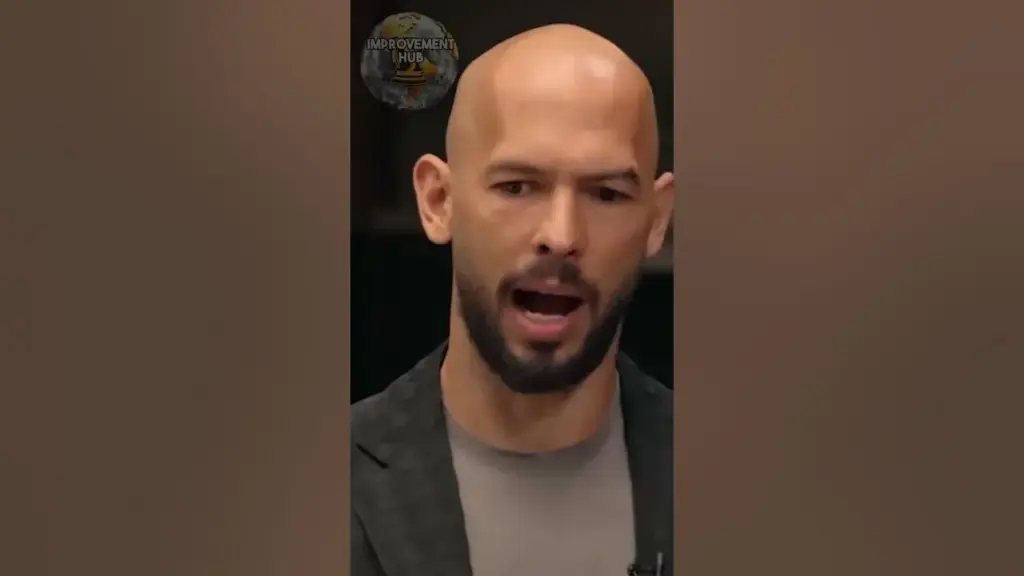
In a stunning turn of events, Andrew Tate’s defeat commentary following his boxing debut against Chase DeMoor has sparked intense discussions across social media. Many viewers were quick to analyze the boxing match results, noting Tate’s apparent fatigue in the later rounds that ultimately led to his points loss against the Misfits heavyweight champion. This has led Tate to suggest that his defeat might have been predetermined, raising questions about the integrity of the sport and the psychology behind competition. Fans and analysts alike have flocked to provide their perspectives, diving deep into the Tate DeMoor fight recap and offering various fight analysis viewpoints. As the dust settles, Tate’s reflection on the match invites a broader conversation about fate in sports and the implications of predetermined outcomes.
The recent bout between Andrew Tate and Chase DeMoor has ignited a wave of commentary and analysis among boxing enthusiasts and critics. This fight, marking Tate’s entry into the boxing arena, has not only revealed his struggles but also prompted discussions about the nature of victory and defeat in athletic contests. Many are dissecting the match’s events and outcomes, considering how psychological factors, like the weight of expectations, play a role in performance. Furthermore, the implications of predetermined results in boxing have raised eyebrows, pushing spectators to question the authenticity of competitive events. As this analysis unfolds, the broader implications of Tate’s defeat serve as a poignant reminder of the complexities that surround the sport.
Andrew Tate’s Boxing Debut: What Went Wrong?
Andrew Tate made headlines with his boxing debut against Chase DeMoor last weekend in Dubai, but the outcome left many questioning his performance. Tate lost the match on points, with two judges scoring in favor of DeMoor while a third called it a draw. Observers noted that Tate appeared fatigued as the fight progressed, raising concerns about his conditioning and strategy. As a professional kickboxer entering the world of boxing for the first time, Tate faced a unique set of challenges, and the innate pressure of performing in front of an audience likely contributed to his struggles in the ring.
The boxing match results reveal more than just a defeat; they highlight the need for adaptation in a new sport. Tate relied heavily on his previous combat experience but may have underestimated the differences in pacing and endurance required in boxing. DeMoor, as a heavyweight champion, showcased a tactical approach that proved successful, utilizing power punches and maintaining his stamina throughout the match. Tate’s reflections suggest that perhaps certain elements were out of his control, signalling that preparation and mindset are crucial in the sport of boxing.
Chase DeMoor Fight Analysis: A Strategic Victory
Chase DeMoor’s victory over Andrew Tate is not just a win on his record; it is a clear demonstration of strategic acumen in the ring. Throughout the fight, DeMoor displayed effective movement, utilizing footwork to evade Tate’s punches while positioning himself for counterattacks. This tactical approach is essential in heavyweight boxing, where a single punch can change the course of a match. DeMoor capitalized on Tate’s fatigue, pressing the advantage especially in the latter rounds, showcasing not only strength but also a keen understanding of when to strike.
Analyzing DeMoor’s performance, it’s apparent that he effectively managed his energy levels early on, which allowed him to maintain a competitive edge as fatigue began to set in for Tate. The fight recap demonstrates that DeMoor’s focus on conditioning and strategy paid off, allowing him to secure a well-deserved victory. Moreover, his post-fight commentary reflected humility and respect for Tate, emphasizing the significance of sportsmanship, which is crucial in fostering a positive image in the boxing community.
Predetermined Fight Outcomes: Myth or Reality?
Andrew Tate’s insinuation that his defeat might have been predetermined raises intriguing questions about the sport’s integrity. The idea of predetermined fight outcomes is a controversial topic in boxing circles, often suggesting that matches could be influenced by external forces rather than the athletes’ performances alone. While many dismiss these claims as conspiracy theories, the implications can have serious consequences for fighters’ reputations and the public’s trust in the sport. In recent times, the rise of social media commentary has fueled these discussions, with fans speculating about the legitimacy of certain match outcomes.
While Tate’s comments may stem from frustration, it’s essential to understand that boxing, like any sport, has its complexities beyond the surface. The narrative of predetermined fights intersects with the athlete’s mental state and the emotional weight of competition. Thus, engaging in an open dialogue about the nature of competition and loss can help demystify these theories. Ultimately, the public’s desire for transparency and fairness continues to be paramount as boxing strives to maintain its integrity and authenticity.
Tate DeMoor Fight Recap: Key Moments and Highlights
The Tate-DeMoor fight was filled with key moments that defined the trajectory of the match. From the opening bell, both fighters exhibited their distinctive styles, with Tate relying on his kickboxing instincts while DeMoor utilized his experience as a heavyweight champion. A notable moment was when Tate landed a hard right hand early on, which seemed to set the tone, only for DeMoor quickly to adapt and return fire with his own striking combinations. These highlights serve as critical teaching moments for Tate as he moves forward in his boxing career.
As the fight progressed, DeMoor’s ability to weather Tate’s early assaults while methodically breaking down his defenses became evident. The turning point came in the later rounds when Tate’s fatigue was apparent, allowing DeMoor to capitalize on openings and land decisive punches. The fight recap serves as a testament to DeMoor’s planning and execution, demonstrating how strategic pacing can be just as crucial as physical power in achieving victory.
Andrew Tate’s Reflections on Defeat: A Lesson in Humility
In the aftermath of his defeat, Andrew Tate took a moment to reflect on what his loss meant, presenting a perspective of humility that resonated with many fans. He expressed that there are factors larger than oneself that can influence the outcome of events. Tate’s thoughts highlight the importance of accepting defeat gracefully, especially in a sport that is as unforgiving as boxing. His statement brings attention to the emotional depth that accompanies competition, emphasizing the personal journey every athlete undergoes, regardless of the outcome.
Tate’s reflections further delve into the idea that perhaps losing might serve a greater purpose, shaping character and fostering empathy for others in the fight world. These insights can motivate not just upcoming fighters, but anyone facing challenges, illustrating the strength found in vulnerability and acceptance. His willingness to acknowledge his opponent’s deserved victory is a powerful statement on sportsmanship and camaraderie within the sport, showing that every fight is an opportunity for growth.
The Impact of Andrew Tate’s Defeat on His Career
The defeat to Chase DeMoor may very well reshape the trajectory of Andrew Tate’s boxing career. As a high-profile figure, Tate’s journey into boxing is being closely monitored, and this setback could serve as both a challenge and an opportunity. While the initial loss might seem discouraging, it offers Tate a chance to analyze his performance, refine his techniques, and return stronger in subsequent matches. The combat sports landscape often rewards resilience, and how Tate approaches his next steps will be pivotal for his future.
This loss can also ignite discussions on mental fortitude in sports. As Tate suggests, accepting defeat and utilizing it as a learning experience is crucial. Athletes frequently evolve after losses, becoming tougher competitors. The narrative surrounding Tate’s defeat can inspire others who view setbacks as barriers to success, ultimately fostering a culture of learning and improvement in the sport.
Chase DeMoor’s Rise: From Underdog to Champion
Chase DeMoor’s victory over Tate marks a significant milestone in his career, highlighting the rise of an underdog into a recognized champion within the boxing world. His journey is a classic story of determination and skill overcoming adversity, as he faced skepticism from critics regarding his legitimacy as a fighter. DeMoor’s triumph in the ring is a testament to his hard work and the rigorous training he underwent, reinforcing the idea that persistence pays off in elite sports.
Additionally, DeMoor’s engagement with the audience and media following his win reflects a savvy understanding of brand-building in modern athletics. Recognizing the importance of public perception, he has strategically responded to his victory, positioning himself for future opportunities in the boxing scene. The rise of athletes like DeMoor underscores the dynamic nature of combat sports, where every fight can significantly alter one’s career path and public image.
The Psychological Aspect of Losing in Boxing
Losing a match in boxing does not only affect the physical realm but deeply influences the psychological aspect for fighters. After Andrew Tate’s loss, he expressed feelings of confusion and introspection regarding his performance, highlighting the mental struggles athletes face when outcomes deviate from their expectations. The psychological impact of losing can lead to doubts about one’s skills and future, which must be managed effectively to avoid long-term effects on a fighter’s confidence and mental health.
It’s crucial for fighters to have strong mental support and coping strategies to deal with the aftermath of a defeat. The boxing community is recognizing the need for discussions around mental wellness, encouraging athletes to seek help when needed. By fostering an environment where emotions are openly discussed, the sport can promote healthier approaches to both winning and losing, ultimately enhancing the overall experience for participants and spectators alike.
Looking Ahead: What’s Next for Andrew Tate?
Following his defeat to Chase DeMoor, Andrew Tate is now at a crossroads in his boxing journey. The question of what’s next for him looms large, with fans and analysts speculating about his future moves. Tate has indicated that he is open to learning from this experience and making necessary adjustments, which could pave the way for a more strategic approach in future bouts. The next steps he takes—whether it’s further training, adjusting his fight strategy, or taking on different opponents—will be crucial in determining his long-term success in the boxing arena.
Additionally, Tate’s public persona plays a significant role in how he navigates this setback. As a figure who thrives on controversy and discussion, he may leverage this defeat to strengthen his brand, turning adversity into an opportunity for personal growth and reinvention. The boxing community will be watching closely to see how Tate channels this experience into future endeavors, which could ultimately reshape his identity as an athlete.
Frequently Asked Questions
What did Andrew Tate say about his defeat commentary against Chase DeMoor?
In his defeat commentary, Andrew Tate suggested that his loss to Chase DeMoor could be predetermined, highlighting his belief that there are larger forces at play. He mentioned feeling unusually tired during the fight and expressed that perhaps the outcome was meant to favor DeMoor for reasons beyond their control.
How did Andrew Tate perform in his boxing debut against Chase DeMoor?
During his boxing debut against Chase DeMoor, Andrew Tate lost on points. He appeared strong early on but seemed to fatigue in the latter half of the match, resulting in two judges scoring the bout against him while one judge called it a draw.
What are the main points from the Tate DeMoor fight recap?
The Tate DeMoor fight recap indicates that Andrew Tate, despite an energetic start, struggled with fatigue in the second half of the match. Tate expressed that he might have been destined to lose, raising questions about predetermined fight outcomes and the implications of his loss for both him and DeMoor.
Did Andrew Tate claim that the fight outcomes were predetermined against Chase DeMoor?
Yes, Andrew Tate raised the idea that the fight outcomes against Chase DeMoor might have been predetermined, suggesting that deeper forces influenced the result. He reflected on the idea that perhaps the loss had greater significance for DeMoor, believing that he could handle defeat better than his opponent.
What lessons did Andrew Tate draw from his defeat to Chase DeMoor?
Andrew Tate articulated that his loss to Chase DeMoor carried potential lessons, emphasizing faith in a higher power and the idea that accepting loss can lead to greater understanding. He noted that perhaps his defeat was necessary for DeMoor’s journey and that acknowledging his opponent’s victory is essential.
| Key Points | Details |
|---|---|
| Andrew Tate’s Defeat | Tate lost his boxing debut to Chase DeMoor by points in Dubai. |
| Claim of Predetermined Outcome | Tate suggested that his defeat might have been predetermined for reasons beyond his understanding. |
| Tate’s Reflection on the Loss | He expressed that perhaps losing was meant to be, considering greater forces at play. |
| Life Lessons | Tate emphasized the importance of faith in a higher power and the lessons learned from unexpected outcomes. |
| Respect for the Opponent | Tate acknowledged Chase DeMoor’s victory and affirmed that he deserved the success. |
Summary
Andrew Tate defeat commentary centers on his recent boxing match against Chase DeMoor, where Tate expresses his thoughts on the nature of his defeat. He suggests that his loss may have been predetermined by forces beyond his control, illustrating a perspective that encourages reflection on fate, purpose, and respect for one’s opponent. Tate concludes that there is value in accepting outcomes as part of a larger plan, urging others to recognize the victories of their opponents.

