Listen to this article
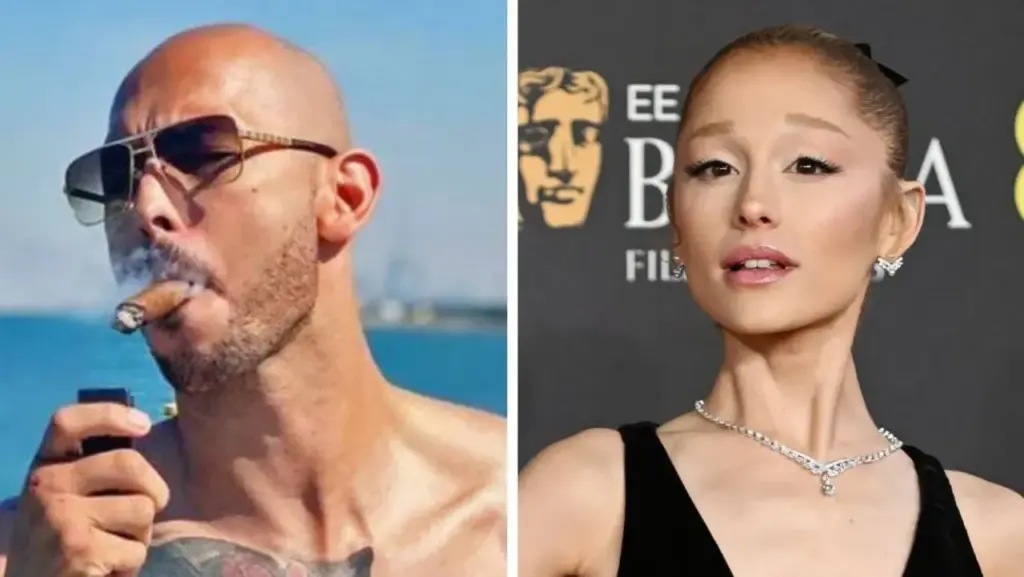
The recent comments made by Andrew Tate about Ariana Grande have sparked an intense backlash among fans, marking yet another chapter in the ongoing Andrew Tate controversy. Known for his polarizing views, Tate’s derogatory remarks about the pop star not only reignited discussions about misogyny in media but also drew severe criticism on social media platforms. Grande, a beloved figure in pop culture, became an unwilling target of Tate’s unhealthy obsession with body image, leading fans to label him as ‘gross.’ As he prepares for his boxing debut against Chase DeMoor, the timing of his comments raises questions about the implications of celebrity violence in public discourse. With both Tate’s actions and Ariana Grande backlash, it seems the discourse surrounding his misogynistic views is far from over.
Recently, Andrew Tate has found himself embroiled in controversy once again, this time due to his offensive comments directed at Ariana Grande, the talented vocalist and actress known for her roles in popular musicals and her impressive music career. This situation highlights a broader conversation about toxic masculinity and how such remarks reflect the pervasive issue of misogyny in contemporary discussions. The backlash against Tate’s comments represents a collective stand against harmful rhetoric, particularly towards prominent women like Grande. As Tate gears up for his debut in the boxing ring, it seems that the public discourse surrounding him not only focuses on his sporting aspirations but also on the negative impact of his words. The intersection of social media dynamics and celebrity culture continues to amplify the importance of addressing derogatory comments and fostering a more respectful environment.
Andrew Tate’s Controversial Comments on Ariana Grande
Andrew Tate’s comments about Ariana Grande have stirred significant outrage amongst fans, highlighting the broader issues of misogyny in media and the culture of toxic masculinity. After Tate posted a series of derogatory remarks about the pop icon on social media, the backlash was immediate and intense. Many fans rallied to defend Grande, calling out Tate’s comments as utterly disrespectful and indicative of a larger trend of objectifying women in popular culture. This incident not only reignited discussions around Tate’s controversial persona but also underscored the harmful impact of such remarks on how society perceives and treats women.
The social media reaction to Andrew Tate’s comments further illustrates the collective outrage over his misogynistic remarks. Numerous fans took to X, with one stating, “This is the most disrespectful and disgusting tweet I’ve seen today.” The chorus of disapproval revealed a widespread rejection of Tate’s views, especially in the face of growing awareness about the consequences of such toxic behavior. As Ariana Grande continues to be celebrated for her talents and achievements, Tate’s remarks serve as a reminder of the pervasive negativity directed towards successful women in the entertainment industry.
The Furor Surrounding Andrew Tate’s Misogynistic Remarks
The controversy surrounding Andrew Tate’s comments exemplifies a larger sociocultural issue regarding misogyny in media and the way public figures often perpetuate it. His vile remarks not only garnered condemnation from fans of Ariana Grande but also prompted a reevaluation of the language used by influencers and celebrities. The backlash against Tate’s comments reflects a growing intolerance for misogynistic attitudes, especially from those claiming to be role models. Fans have been vocal in demanding accountability from individuals who use their platforms to promote disrespect and negativity towards women, creating a space where voices against such behaviors are increasingly amplified.
Moreover, the incident has prompted discussions about how social media can either perpetuate or combat harmful ideologies. While Andrew Tate has faced bans from several platforms for his extreme views, his continuation on X illustrates the challenges in regulating hate speech online. The swift response from viewers showcases how communal norms are shifting, with advocates calling for a more respectful discourse that uplifts rather than degrades women. As society progresses, there is a palpable desire for online communities to take a stand against figures who embody toxic masculinity, reinforcing the need for change.
Andrew Tate’s Boxing Debut and Its Mixed Reception
As Andrew Tate gears up for his boxing debut against Chase DeMoor, the anticipation is mixed with criticism due to his controversial past. Having already established himself as a polarizing figure, Tate’s entrance into the boxing world raises eyebrows given his recent remarks about women, including his disparaging comments about Ariana Grande. This fight is not just about sport; it represents a clash of ideologies concerning respect for women and the implications of his stance on social media. Tate’s participation in high-profile events raises questions about what kind of behavior is being celebrated in the entertainment industry.
The fight, set to take place in Dubai, contrasts sharply with the controversies surrounding Tate’s reputation. His appointment as CEO of Misfits and the logistics of entering the boxing arena resonate with fans who question whether his personal beliefs should hinder his sportsmanship. Critiques of Tate’s past behavior, including allegations of misogyny and human trafficking, highlight a community at odds with normalization of toxic personas in media and sports. As he steps into the ring, many supporters wonder if the platform should really endorse someone with such a contentious background, establishing a critical lens on figures in entertainment.
Public Outrage Against Celebrity Misogyny
The public outrage surrounding Andrew Tate’s remarks about Ariana Grande serves as a potent reminder of the impact that celebrity opinions can have on societal norms. In an age where social media magnifies individual voices, the backlash against Tate highlights a collective rejection of misogyny expressed in hip hop and popular culture. Fans have become increasingly vocal about demanding respect and integrity from their idols, propelling movements that advocate for gender equality and the fair treatment of women in various industries, including music and entertainment.
This growing discontent also fosters a space for discussions about the importance of holding public figures accountable for their words and actions. The dynamics of celebrity culture often encompass a wide spectrum of attitudes towards women, which influences fans, particularly younger audiences. The pushback against Tate not only underlines the necessity of responsible discourse but also shines a spotlight on the pervasive nature of harmful stereotypes perpetuated in media. As voices combine in resistance to misogynistic rhetoric, it becomes evident that society is ready to challenge the traditional portrayal of women.
The Future of Andrew Tate: Reputation and Reality
As Andrew Tate prepares for his boxing debut, questions linger about his future in the public eye amidst ongoing controversy. Despite being labeled as a misogynist, Tate continues to attract attention, primarily due to his polarizing actions and statements, particularly in light of his recent comments about Ariana Grande. This dynamic illustrates the contradictory nature of fame, where notoriety can simultaneously breed both criticism and a dedicated following. Fans have expressed concern that accepting such behavior can further normalize misogyny in popular culture, undermining efforts to advocate for women’s rights.
Furthermore, as Tate faces serious legal allegations regarding human trafficking and other offenses, the outcome of his boxing debut could significantly impact his public image. The mixed reception from fans and the general population suggests that while some may still support him, many are disillusioned by his actions. The boxing ring represents not only Tate’s capacity for sport but also the broader implications of societal values that rally against or endorse figures like him. As he continues to navigate his career, the intersection of his controversies and public reception will undoubtedly shape discussions about accountability in the realm of sports and beyond.
Critical Reflection on Misogyny in Social Media
Andrew Tate’s comments about Ariana Grande bring to the forefront pressing issues surrounding misogyny in social media discourse. His statements, which many deemed demeaning and disrespectful, are symptomatic of a larger trend where public platforms amplify harmful attitudes towards women. This reflects a need for critical engagement with the content shared online, pushing for social media users to actively challenge and denounce misogynistic rhetoric. As fans hold individuals like Tate accountable, the movement towards creating supportive environments for women gains traction across various online spaces.
Moreover, advocating for respectful discourse becomes crucial as I social media evolves as a powerful communication tool. The swift response to Tate’s remarks indicates that audiences are increasingly unwilling to tolerate hate speech disguised as opinion. Such incidents serve as catalysts for broader discussions on how platforms can better manage abusive content while supporting respectful conversations. As society confronts these issues head-on, there’s potential for transformative change—one that promotes empathy, understanding, and respect for all.
Exploring the Reactions to Andrew Tate’s Behavior
The reactions to Andrew Tate’s behavior serve as a striking reflection of societal values and the evolving standards for acceptable discourse in public life. After making derogatory comments about Ariana Grande, fans wasted no time in calling out his behavior. The comments were met with outrage, demonstrating that attacking a woman’s character is no longer considered acceptable, especially in a society striving for gender equality and mutual respect. The outcry against his statements shows that the public is becoming less tolerant of misogynistic attitudes, which may have gone unchecked in the past.
However, the polarized responses to Tate’s actions also raise questions about accountability and redemption in the public eye. While some fans remain supportive of Tate, believing in second chances, others argue that his views only reinforce negative stereotypes that hinder progress. This division invites a deeper exploration of how society grapples with controversial figures who spread divisive messages and prompts discussions on what it means to truly support women in the wake of misogyny. As such, Tate’s incident has become a crucial example of how public responses can shape future narratives around celebrity behavior.
The How and Why Behind Celebrity Misogyny
Investigating the how and why of celebrity misogyny becomes increasingly relevant as incidents like Andrew Tate’s remarks about Ariana Grande unfold. The commentary surrounding such figures often reflects deep-rooted societal attitudes that trivialize women’s experiences. With Tate’s following bolstered by his controversial statements, it becomes essential to understand the underlying reasons behind these toxic behaviors and the cultural narratives that sustain them. This analysis not only contextualizes Tate’s actions but also provides insight into the challenges encountered in combating misogynistic sentiments in public spheres.
Moreover, exploring the mechanisms of celebrity influence reveals how media and popular culture may contribute to the perpetuation of misogyny. The normalization of derogatory comments about women by public figures can lead to desensitization, allowing such attitudes to seep into societal consciousness. As audiences continue to engage with content produced by controversial personalities, there is a pressing need for conversations that challenge and reshape these narratives. This discourse could foster a more respectful and inclusive environment, which prioritizes the representation and dignity of all individuals, particularly those from marginalized backgrounds.
Frequently Asked Questions
What were Andrew Tate’s comments about Ariana Grande that caused backlash?
Andrew Tate made vile remarks about Ariana Grande, stating she was ‘too skinny’ and that he could not ‘f**k’ her, calling her a ‘crack h*e’ on social media. His comments sparked outrage among fans who condemned his misogynistic views.
How did fans react to Andrew Tate’s comments on Ariana Grande?
Fans expressed their outrage on social media, calling out Tate’s disrespectful comments. Many users questioned why men feel entitled to comment on women’s bodies, labeling Tate as ‘gross’ and highlighting Grande’s success and reputation compared to his.
What impact did Andrew Tate’s comments about Ariana Grande have on his reputation?
The comments reinforced Andrew Tate’s controversial image and intensified the backlash he faces regarding misogyny in media. His remarks on Ariana Grande added to the narratives surrounding his already contentious reputation and ongoing legal troubles.
Is there a connection between Andrew Tate’s comments about Ariana Grande and his upcoming boxing debut?
While the comments about Ariana Grande triggered public outrage, they coincided with Andrew Tate’s preparation for his boxing debut against Chase DeMoor. His controversial remarks appear to be an attempt to maintain public attention as he steps into the sporting spotlight.
What are the consequences Andrew Tate faces for his comments on Ariana Grande?
Following the backlash from his comments about Ariana Grande, Andrew Tate’s controversial statements have contributed to his notoriety as a self-proclaimed misogynist. He continues to face bans from social media platforms, alongside serious legal accusations, including human trafficking.
Have Andrew Tate’s past comments impacted the way he is perceived in the media?
Yes, Andrew Tate’s past comments, particularly those that display misogyny in media, have heavily influenced public perception. His remarks about Ariana Grande are a continuation of this trend, further alienating him from many audiences and reinforcing his controversial status.
What are the broader implications of Andrew Tate’s comments on Ariana Grande for societal attitudes towards women?
Andrew Tate’s comments reflect a troubling trend in societal attitudes towards women, perpetuating the idea that it is acceptable to critique or objectify female bodies. The backlash against Tate highlights a growing resistance against such misogynistic views, indicating a shift towards advocating for respect toward women in public discourse.
| Key Point | Details |
|---|---|
| Andrew Tate’s Comments | Andrew Tate made offensive comments about Ariana Grande, causing a significant backlash. |
| Fan Reactions | Fans expressed outrage on social media, questioning Tate’s disrespectful remarks about women. |
| Tate’s Controversial Reputation | Known for misogynistic views, Tate has faced bans on multiple platforms for his comments. |
| Upcoming Fight | Andrew Tate is preparing for a boxing match against Chase DeMoor as part of a Misfits event in Dubai. |
| Legal Issues | Tate and his brother are facing serious charges, including human trafficking, which they deny. |
Summary
Andrew Tate’s comments about Ariana Grande sparked outrage across social media, leading many to label him as “gross” for his disrespectful remarks. His history of offensive opinions, particularly concerning women, has earned him a controversial reputation, and this incident only adds to his notoriety. As he prepares for a boxing match, the backlash against his comments highlights the ongoing conversations about respect and accountability in public discourse.