Listen to this article
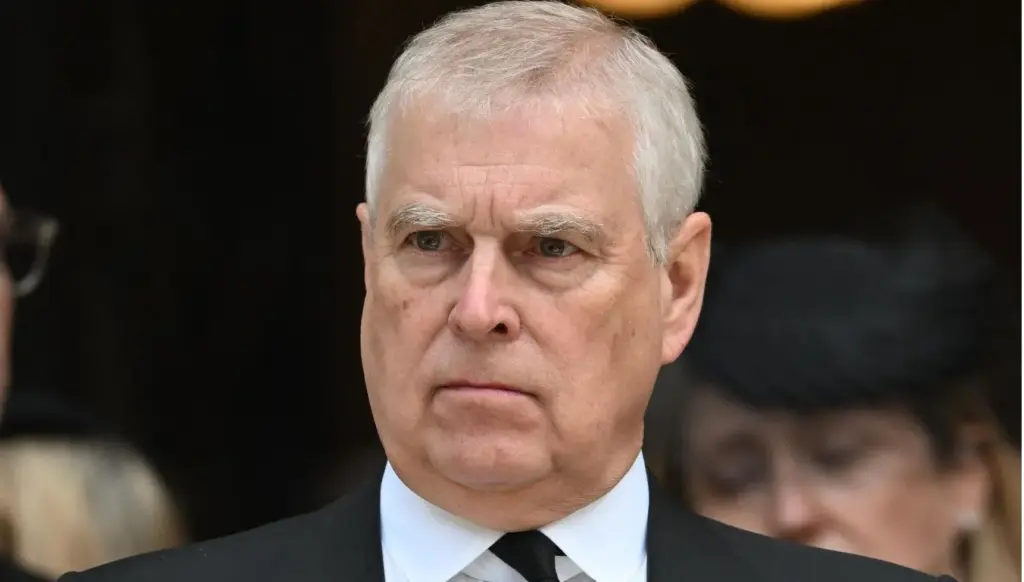
The conversation surrounding Andrew Mountbatten-Windsor’s succession has taken a significant turn as the UK government evaluates the possibility of legislation aimed at removing him from the royal succession line. This proposal, still under discussion, reflects a growing sentiment among some political figures who argue that the integrity of the monarchy must be preserved, particularly following his connection to controversial figures. Despite being stripped of his royal titles last October, Andrew remains eighth in line to the throne, prompting renewed calls for change. The potential ramifications of such legislation extend beyond the UK, necessitating agreement from Commonwealth countries that acknowledge King Charles as their sovereign. As this story develops, updates on UK royal succession news will undoubtedly capture public interest, focusing on the implications of Mountbatten-Windsor titles stripping and future royal family dynamics.
In recent discussions concerning royal lineage, the fate of the Duke of York, Andrew Mountbatten-Windsor, has garnered attention as calls grow for his removal from the line of succession. The ongoing dialogue includes various political factions advocating for a legislative overhaul that could redefine the royal family’s hierarchy and its public perception. Moreover, the broader implications for King Charles’s reign and the stability of the monarchy are at the forefront of this issue. As debates unfold regarding the monarch’s future and potential changes to succession laws, it’s essential to consider the historical context and the past precedents in royal family legislation. These developments reflect a critical moment in the evolution of the British monarchy, particularly in navigating modern societal standards and expectations.
Legislation Targeting Andrew Mountbatten-Windsor’s Royal Status
Recent discussions among UK lawmakers have centered around the potential legislative action to permanently remove Andrew Mountbatten-Windsor from the royal succession line. With the backing of several political figures, including members of the Liberal Democrats and SNP, there is a growing consensus that the current scandal surrounding Andrew necessitates a legislative response. If enacted, such legislation would solidify his status, ensuring he can never ascend to the throne, a change significant enough to influence the monarchy’s representation and public perception. The debates on this proposal reveal an intricate intersection of law, public sentiment, and royal protocol.
As the investigation into Andrew’s associations continues, the urgency for this legislative measure intensifies. The proposal reflects broader societal concerns regarding the responsibilities of public figures, particularly those associated with the royal family. With sentiments fluctuating within Parliament, including from Labour MPs who are generally skeptical about changes to royal succession, the discourse surrounding Andrew’s lineage highlights the delicate balance between tradition and the evolving UK’s societal values. The impact of such legislation could send a strong message about accountability, not just within the royal family, but across all public sectors.
Conditions for Changing the Line of Royal Succession
Changing the line of succession for the British monarchy is no small feat; it requires comprehensive parliamentary approval and support from all Commonwealth countries, an important aspect that lawmakers must consider carefully. The process must adhere to strict regulatory frameworks, and the last significant alteration occurred in 2013 with the Succession to the Crown Act. This act, which reinstated rights for individuals previously marginalized due to marrying Catholics, exemplifies the complexities involved in making amendments to the monarchy’s succession law.
Looking back at historical precedents, the last removal from the line of succession took place in 1936, when Edward VIII abdicated, highlighting how rare such legislative actions are. Given the current political landscape and the implications for King Charles’s reign, the discussion regarding Andrew Mountbatten-Windsor’s status as eighth in line reveals both the challenges and necessities of contemporary governance. It raises questions about how past decisions shape current royal family dynamics, emphasizing the importance of adapting to modern societal expectations while honoring historical precedents.
Public and Political Reception of Andrew Mountbatten-Windsor’s Situation
Public reaction to Andrew Mountbatten-Windsor’s potential removal from the line of succession appears to be mixed, mirroring the diverse opinions within Parliament. Some members, such as Liberal Democrat leader Sir Ed Davey, advocate for immediate legislative action, arguing that parliamentary intervention is essential to prevent any future monarchy disruption. In contrast, others, including certain Labour MPs, remain hesitant, suggesting that the improbability of Andrew ever becoming king diminishes the urgency for such a change, indicating a reluctance to alter long-standing royal protocols without compelling justification.
The ongoing police investigation into Andrew’s past raises significant ethical questions. Conservative MP Andrew Bowie articulated a common sentiment among some lawmakers, asserting that it would be prudent for Mountbatten-Windsor to consider stepping back voluntarily during the investigation. This emphasizes a prudent approach to public life amidst scandals, reflecting a broader societal expectation for accountability, regardless of title or lineage. As discussions unfold, it remains crucial for parliamentarians and the public alike to navigate these complexities, ensuring that their actions align with the principles of justice and public confidence in the monarchy.
Historical Context: Past Changes in Royal Succession
To understand the implications of potential changes to the royal succession, it is essential to recognize the history of legal adjustments influencing the monarchy. The Succession to the Crown Act of 2013 marked a pivotal moment, allowing those who married Catholics to retain their rights to the throne. This act signifies a progressive shift in approach, contrasting sharply with the historical context of the 1936 abdication of Edward VIII, who, after relinquishing his claim, removed his descendants from the succession line. Such precedents lay the foundation for current debates, highlighting the necessity for responsive governance in an evolving social landscape.
Royal succession laws are steeped in tradition, but the need for reform has become increasingly evident. The last significant adjustment to remove someone from the succession occurred nearly a century ago, which necessitates fresh examination of current practices. The ongoing scrutiny regarding Andrew Mountbatten-Windsor’s ties to controversies, such as his association with Jeffrey Epstein, illustrates the necessity for modern legislation that addresses contemporary ethical standards. The historical dialogue surrounding royal succession reinforces the idea that tradition must be balanced with accountability, shaping a monarchy that reflects both heritage and progressive values.
The Role of Parliament in Monarchy Decisions
Parliament plays a crucial role in determining the monarchy’s operations and succession lines, with recent calls to action focusing on Andrew Mountbatten-Windsor’s status highlighting this importance. As a constitutionally established body, Parliament must grapple with complex issues that bridge law and public sentiment. The potential for legislative proposals regarding the exclusion of Andrew from the line of succession emphasizes the intersection between legislative authority and the historic institution of monarchy. Such measures require thorough examination and debate, involving multiple representations of public opinion.
With the sentiments fluctuating amongst different political parties, Parliament is faced with the challenge of acting in a manner that upholds the monarchy’s dignity while addressing public concerns regarding accountability. This balancing act can often lead to heated discussions as opinions vary widely based on party views and voter expectations. Ultimately, any legislative changes regarding succession will necessitate a collaborative effort within Parliament, along with dialogues reinforcing the importance of a resilient monarchy anchored in public trust and accountability.
Public Duties and Responsibilities of Royal Family Members
The duties of royal family members extend beyond ceremonial functions, encompassing responsibilities towards public service and societal representation. The recent discussions regarding Andrew Mountbatten-Windsor’s involvement in public life and his subsequent stepping back from duties highlight these dynamics. The controversies surrounding his past associations have sparked a broader dialogue about the expectations placed upon members of the royal family, particularly regarding their conduct. Such responsibilities include being role models, engaging in charitable efforts, and preserving the integrity of the monarchy.
Moreover, the notion of ‘counsellors of state’ indicates that only active royals are expected to fulfill these roles, which places additional scrutiny on those who step back. Given Andrew’s withdrawal from public engagements since 2019, questions arise about how this impacts royal representation overall. The royal family’s accountability to the public necessitates that they maintain high standards of conduct, exemplifying ethical behavior that inspires confidence in their roles. Accordingly, developments concerning Andrew’s status represent not just personal assessments but reflect broader royal obligations as potential figures of influence.
Implications of Removing Titles for Andrew Mountbatten-Windsor
Removing Andrew Mountbatten-Windsor’s titles has far-reaching implications for the royal family and the monarchy at large. Stripped of the designation
prince,
,
Andrew now finds himself in a complex position, synonymous with the ongoing public discourse surrounding accountability and transparency in positions of privilege. The decision to revoke titles reflects a significant stance on the royal family’s standards and ethics, symbolizing a wider context of societal expectations of public figures. The prospect of legislative action to further remove him from the line of succession reinforces these values, suggesting that even the highest echelons of British society are subject to scrutiny.
Additionally, the ramifications extend beyond Andrew’s personal circumstances; they invite discussions on hereditary privilege and the responsibilities entwined within such roles. The calls for removal from royal duties underscore a broader cultural shift that emphasizes character and conduct over lineage, aligning with sentiments expressed in Parliament. This transformation not only reflects current societal values but also shapes the monarchy’s future, as the monarchy grapples with adapting to modern governance and public perception.
Challenges Facing the Royal Family and Future Succession
The royal family faces substantial challenges that may influence future succession, particularly in the wake of controversies surrounding Andrew Mountbatten-Windsor. These challenges encompass public perception, ongoing investigations, and evolving expectations for accountability within elite circles. As discussions about his potential removal from the line of succession progress, the monarchy must navigate the turbulent waters of public opinion while maintaining its historical significance and cultural relevance.
Furthermore, the implications for King Charles’s reign are profound. If Parliament opts to act decisively on Andrew’s case, this could set a precedent for how the royal family is held accountable moving forward. The monarchy’s ability to adapt to the rapid changes in public sentiment will be critically examined as society demands greater transparency and moral integrity from its leaders. The trajectory of the royal family hinges on addressing these pressing challenges while preserving its enduring legacy within a modern constitutional framework.
Frequently Asked Questions
What are the latest UK royal succession news regarding Andrew Mountbatten-Windsor?
Recent UK royal succession news indicates that the government is considering legislation to remove Andrew Mountbatten-Windsor from the royal line of succession. This proposal has emerged following the conclusion of a police investigation into his conduct and a strong response from several MPs advocating for this change.
What legislation is being proposed for Andrew Mountbatten-Windsor’s succession status?
The proposed legislation aims to prevent Andrew Mountbatten-Windsor from ever becoming King, thereby modifying the royal succession. This legislative move would necessitate approval from Parliament and support from Commonwealth nations acknowledging King Charles as their head of state.
Why might Andrew Mountbatten-Windsor be stripped of his titles and succession rights?
Andrew Mountbatten-Windsor was previously stripped of his titles, including ‘prince’, due to pressure surrounding his connections with Jeffrey Epstein. The ongoing police investigation may further prompt Parliament to consider removing him from the line of succession.
Who supports the legislation to remove Andrew Mountbatten-Windsor from the royal succession?
Support for the legislation to remove Andrew Mountbatten-Windsor from the royal line of succession includes members from the Liberal Democrats, SNP, and some Labour parliamentarians. They argue that the monarchy should formally ensure he never attains the throne.
How would the removal of Andrew Mountbatten-Windsor impact the line of succession?
If Andrew Mountbatten-Windsor is removed from the line of succession, it would alter the royal hierarchy, reinforcing that he cannot ascend to the throne. This would require significant legislative action, as it would also affect succession rights in other Commonwealth nations.
What was the last significant change to the monarchy’s line of succession?
The last significant alteration to the line of royal succession was the Succession to the Crown Act of 2013, which reinstated individuals previously excluded for marrying Catholics. However, the last removal occurred in 1936 with former King Edward VIII after his abdication.
What is the public’s opinion on Andrew Mountbatten-Windsor’s succession?
Public opinion is divided; some strongly support removing Andrew Mountbatten-Windsor from the line of succession due to his controversies, while others, including certain Labour MPs, believe that such a move may not be necessary, given the unlikely chance of his ascension to the throne.
When might Parliament address Andrew Mountbatten-Windsor’s royal succession?
Parliament is likely to address Andrew Mountbatten-Windsor’s royal succession once the police investigation is concluded. Several political leaders, including those from the Liberal Democrats and SNP, suggest that it is imperative to consider legislation to modify the succession should he be implicated.
What are the responsibilities of a royal counsellor of state, and how does it relate to Andrew Mountbatten-Windsor?
Counsellors of state are expected to act on behalf of the monarch during times when the monarch is unable to perform their duties. As Andrew Mountbatten-Windsor holds this position, discussions are ongoing about whether he should continue in light of the current scrutiny surrounding him.
How has Andrew Mountbatten-Windsor’s public role changed recently?
Andrew Mountbatten-Windsor stepped back from public duties in 2019 following backlash from a controversial interview. His position and royal succession status are now under further examination due to his ongoing legal issues and the public’s reaction.
| Key Points |
|---|
| The UK government is considering legislation to remove Andrew Mountbatten-Windsor from the royal succession line. |
| This legislation would be introduced after the conclusion of the ongoing police investigation. |
| Mountbatten-Windsor is currently eighth in line for the throne despite having been stripped of his titles in 2022. |
| Political support for the legislation has emerged from the Liberal Democrats and SNP, among others. |
| Some Labour MPs express skepticism regarding the necessity of the legislation due to Mountbatten-Windsor’s unlikelihood of ascending the throne. |
| Changing the line of succession requires an act of Parliament, and support from Commonwealth states is necessary. |
| The last successful act regarding succession occurred in 2013; the last removal was in 1936 after Edward VIII’s abdication. |
| Support for his removal has been echoed by Labour MP Rachael Maskell and others advocating for changing his status. |
| Mountbatten-Windsor distanced himself from public duties in 2019 amidst controversies regarding his Epstein connection. |
Summary
The issue of Andrew Mountbatten-Windsor’s succession has gained significant attention as the UK government considers legislation to formally remove him from the royal line of succession. This consideration follows his stripped titles and ongoing police investigations into past allegations. As discussions continue in Parliament, including support from various political parties, the legal complexities surrounding succession changes emphasize the seriousness of this situation. Ultimately, the future of the royal succession line may hinge on how these political and legal matters unfold.