
Listen to this article
The ancient oak tree in Whitewebbs Park, standing tall for over 500 years, has become a symbol of both natural heritage and community loss. Recently, it was discovered that this majestic tree, which was controversially cut down next to a Toby Carvery restaurant, was actually healthy and thriving at the time of its removal. Reports from the Forestry Commission revealed that there were no signs indicating the ancient oak tree posed an immediate threat to its surroundings, and aerial surveys showed a vibrant canopy full of foliage. The tragic decision to fell the tree not only shocked local residents but also sparked discussions on historic tree preservation efforts. As the echoes of the saw faded, the intertwined fates of the community and their cherished ancient oak tree became painfully evident, prompting a call for greater accountability in the preservation of such invaluable natural monuments.
In recent discussions surrounding the unfortunate fate of a venerable oak, concerns have arisen about the historical integrity and ecological significance of old-growth trees. This ancient timber, deemed a vital part of the landscape, was felled without proper consultation, raising questions about stewardship within local ecosystems. Advocates for environmental protection have highlighted the loss of irreplaceable habitats, referencing similar incidents that demonstrate a growing need for robust measures to protect these living landmarks. As urban development encroaches further into nature, the dialogue shifts towards recognizing the heritage status of such trees and ensuring their preservation for generations to come.
The Legacy of the Ancient Oak Tree
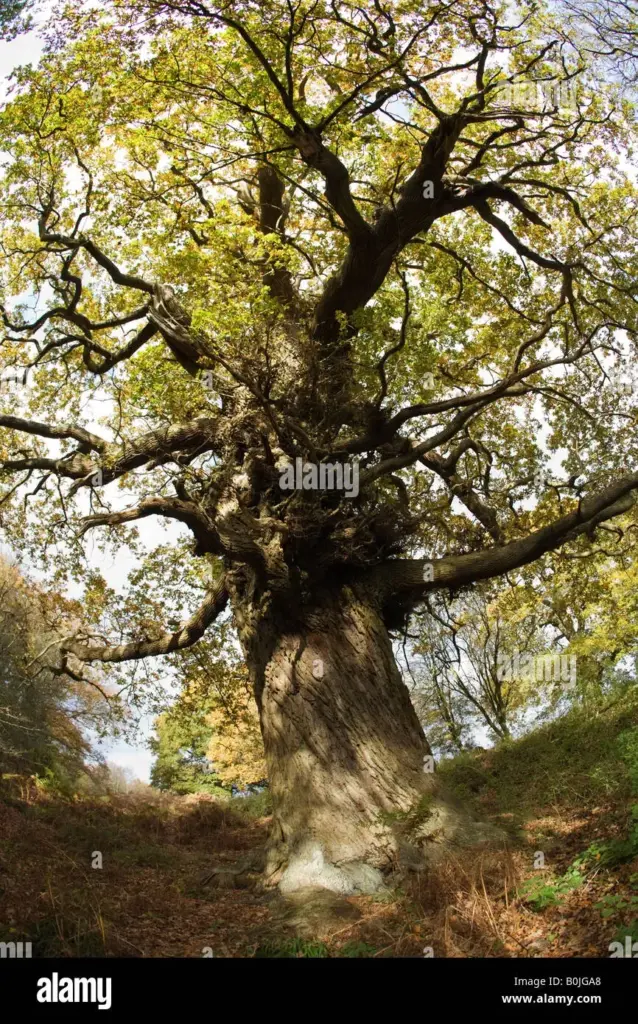
The ancient oak tree, once a majestic 500-year-old sentry of Whitewebbs Park, encapsulated centuries of history and heritage in its towering presence. Known for its remarkable resilience, this ancient oak tree was not just any tree; it was an integral part of the British landscape, reflecting the nation’s evolution through the ages. Its age alone places it among a rare class of living witnesses to history, making it a treasure trove of stories waiting to be shared. Many would argue that this was more than just a tree—it was a vital component of the local ecosystem, providing habitat to various species and contributing to the overall health of the environment.
When the community learned about the tree’s sudden demise due to the Toby Carvery oak incident, the sentiment was one of profound loss. Conservationists and local residents rallied to emphasize the importance of preserving such historic trees, raising awareness about their ecological and cultural significance. The actions taken against this ancient oak tree have sparked conversations about historic tree preservation. Advocacy groups, such as Guardians of Whitewebbs, continue to highlight the need for laws that protect these irreplaceable landmarks from arbitrary cutting, urging authorities to recognize the historical value embodied within every leaf and branch.
Health and Condition of the Whitewebbs Park Tree
Following the felling of the ancient oak tree beside Toby Carvery, a comprehensive report by the Forestry Commission revealed that the tree was, in fact, healthy and showed minimal signs of distress prior to its removal. This revelation was shocking not only to the environmentalists who fought to protect the tree but also to the local community that cherishes their natural surroundings. Images taken before the incident depicted the ancient oak tree boasting lush, green foliage and vigorous new growth. Many argued that the health of the tree should have warranted a more cautious approach regarding its potential removal.
The inspection confirmed that the ancient oak tree was free from significant diseases, and there were no threats to public safety that justified such drastic measures. The lack of evidence demonstrating any major defects or risks underscores the community’s frustrations regarding the Toby Carvery oak incident. Residents and wildlife enthusiasts alike call into question the decision-making process that led to the cutting down of such a robust and thriving specimen, urging for policies that protect healthy trees rather than allowing their felling under questionable pretenses.
Importance of Preserving Historic Trees
The uprooting of the ancient oak tree in Whitewebbs Park highlights the urgent need for strong advocacy for historic tree preservation. These majestic trees are not only living monuments to history but also vital components of their ecosystems. They support diverse wildlife, improve air quality, and provide natural beauty to our urban landscapes. As citizens increasingly recognize their inherent value, movements are evolving to safeguard these ecosystems from untimely destruction. The Living Legends petition, which garnered over 100,000 signatures, exemplifies the public’s commitment to ensuring the protection of significant trees.
Russell Miller, a campaigner with the Guardians of Whitewebbs, articulated the communal sentiment surrounding the incident, emphasizing that historic trees form irreplaceable habitats which, once destroyed, cannot be recreated. This perspective is vital in the discussion about conservation policies—the loss of such an oak tree not only robs the community of its heritage but also results in detrimental ecological consequences. Acknowledging the irreplaceable contributions of ancient trees must catalyze the implementation of stricter regulations to prevent further losses and promote conservation efforts.
Legal and Community Reactions to the Incident
The felling of the ancient oak tree without the council’s knowledge has ignited considerable backlash from the Enfield community and sparked an investigation into the incident. Accusations of criminal damage leveled against the Toby Carvery owner has led to significant public discourse regarding accountability and corporate responsibility in environmental stewardship. Community leaders are calling for reparations to be made to the council as compensation for the irreversible damage inflicted upon a landmark that was an irreplaceable part of Enfield’s natural heritage.
As local leaders, including Enfield Council’s deputy leader, Tim Leaver, advocate for accountability, citizens continue to rally behind campaigns aimed at protecting their cherished natural history. The community’s resolve in pursuing justice for the ancient oak tree reinforces the view that historic trees should be preserved, regardless of convenience or profit. Ongoing legal proceedings hinder comprehensive conversations regarding reparations, but the incident has fundamentally shifted the narrative towards greater recognition and respect for ancient oak trees and, by extension, the environment in general.
Evaluating the Public Outcry and Activism
The public outcry following the ancient oak tree’s felling illustrates a significant moment in advocacy for environmental protection. Campaigns like Living Legends exemplify how communities can unify to express their discontent with local government decisions and corporate actions affecting the environment. This incident serves as a rallying point for collective action, showing that citizens are willing to mobilize in defense of their community’s heritage. Activists argue that this should not simply be a singular event but rather a turning point prompting broader environmental stewardship legislation to safeguard more natural landmarks.
Activism stemming from the felling of the ancient oak tree reveals a growing awareness among citizens about the value of their green spaces. The combined efforts of local groups, conservationists, and engaged communities highlight a major push towards historic tree preservation and increased accountability for corporations and local councils. More importantly, it stresses that historic trees, like the ancient oak at Whitewebbs Park, are integral parts of British culture that deserve recognition and protection in their own right.
Ecological Significance of the Ancient Oak Tree
Ancient oak trees, such as the one removed from Whitewebbs Park, play a critical role in maintaining ecological balance within their environments. Their expansive root systems stabilize the soil, prevent erosion, and provide shelter for numerous animal species. Many argument that the ancient oak tree was not only home to various forms of wildlife but also facilitated a vibrant micro-ecosystem paramount for sustaining biodiversity. By eliminating keystone species like ancient oaks, we risk making irreversible changes to the habitats and ecological processes they support.
Furthermore, the presence of ancient oak trees enhances local air quality by absorbing carbon dioxide and releasing oxygen, demonstrating their essential contribution to combating urban pollution. Environmentalist voices continue to resonate in the aftermath of the Toby Carvery oak incident, urging a re-evaluation of urban planning and tree management policies to prioritize ecological integrity. The loss of such a significant tree reinforces the necessity for protective measures that take into account the long-term health and sustainability of local ecosystems.
Implications for Urban Development and Nature Conservation
The incident surrounding the ancient oak tree may have broader implications for urban development and nature conservation dialogues within communities. As cities expand and evolve, the balance between development and environmental conservation must be critically evaluated. The eventual felling of the ancient oak tree raises pertinent questions about how urban planning decisions are made and who is consulted in such processes. Many advocate for a more integrative approach that includes both developers and conservationists to ensure that nature’s valuable assets are respected.
In light of this event, it’s imperative that development projects prioritize the protection of historic trees and green spaces when planning urban layouts. This calls for comprehensive legislation that guides developers and protects vital environmental landmarks within urban settings. The incident has sparked renewed interest in creating policies that ensure sustainable development practices, ultimately fostering a harmonious relationship between urban growth and ecological conservation that benefits both residents and the surrounding natural environment.
Future of Historic Trees in Urban Areas
The future of historic trees in urban areas hinges on the community’s ability to advocate for protective measures and raise awareness of their ecological importance. The ancient oak tree incident has galvanized citizens to demand action, urging local governments to prioritize tree preservation over arbitrary felling. Initiatives aimed at securing heritage status for significant trees are gaining momentum, illustrating a collective desire to integrate environmental considerations into urban planning processes now and in the future.
As more residents become engaged in discussions about the importance of ancient oak trees and similar landmarks, the hope is that communities will cultivate a culture that honors their history and ecological contributions. This proactive approach can lead to more sustainable practices that value the preservation of historic trees while still accommodating urban development. The overarching goal remains: to create urban environments where ancient natural treasures can coexist, thrive, and continue to enhance the quality of life for future generations.
Frequently Asked Questions
What happened to the ancient oak tree cut down near Toby Carvery?
The ancient oak tree, estimated to be around 500 years old, was cut down near the Toby Carvery restaurant in Whitewebbs Park, Enfield, despite being reported as healthy and not posing any danger. A Forestry Commission report indicated that the tree showed no significant signs of disease before its removal.
Was the ancient oak tree in Whitewebbs Park healthy before it was felled?
Yes, a report by the Forestry Commission revealed that the ancient oak tree in Whitewebbs Park was healthy. It displayed vibrant foliage and new leaf growth, contradicting any claims that it needed to be removed due to health concerns.
Why is the ancient oak tree’s felling considered significant?
The felling of the ancient oak tree near Toby Carvery is significant because it was labeled as an irreplaceable habitat and an integral part of British culture. Additionally, it was removed without the council’s consent, raising concerns about historic tree preservation and accountability.
What actions have been taken regarding the ancient oak tree incident?
Following the incident involving the ancient oak tree, a petition called Living Legends has been launched to secure heritage status for significant trees and prevent similar events. Over 100,000 signatures have been collected, and the matter has been reported to the police as potential criminal damage.
What ecological importance did the ancient oak tree hold?
The ancient oak tree in Whitewebbs Park was seen as ecologically important due to its status as an irreplaceable habitat for local wildlife. Its historical significance, dating back to significant events in British history, further underscores its value to the community.
How has the local community reacted to the felling of the ancient oak tree?
Local community groups, such as Guardians of Whitewebbs, have condemned the felling of the ancient oak tree, emphasizing its ecological and cultural importance. Activists are pushing for accountability and demanding reparations as part of a wider movement to protect historic trees.
What does the future hold for the area where the ancient oak tree stood?
Following the destruction of the ancient oak tree, experts believe the chances of any surviving remains are slim. The area continues to be a focus for community advocacy for tree preservation and heritage recognition, especially given its ecological significance.
| Key Points |
|---|
| Ancient oak tree cut down next to Toby Carvery in north London was healthy. |
| 500-year-old tree showed no danger indicators and was deemed a ‘fine specimen’. |
| Inspections found no major diseases; trunk largely intact except for wildlife cavity. |
| Dr. Ed Pyne states survival chances are slim after the cutting. |
| Tree holds historical significance, dating back to the time of the gunpowder plot. |
| Campaigns are underway to secure heritage status for significant trees. |
| The council reported the felling as criminal damage; the investigation closed as civil matter. |
| Toby Carvery faced backlash for failing to engage meaningfully post-incident. |
Summary
The ancient oak tree was not just a significant natural entity but also a vital part of British history and culture. Its healthy state prior to being felled raises questions about the decision-making processes surrounding urban development and heritage conservation. The loss of this ancient oak tree due to bureaucratic oversights and lack of accountability highlights the need for stronger protections for our natural heritage. The community stands united in calling for change to prevent similar distressing incidents in the future.