Listen to this article
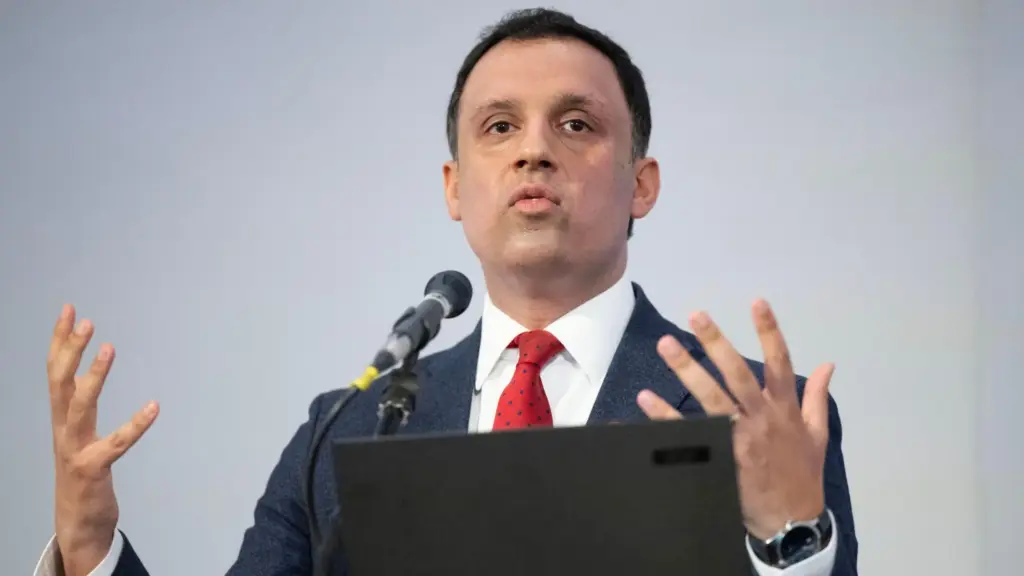
Anas Sarwar, the dynamic leader of Scottish Labour, has recently made headlines with his bold call for a change in UK government leadership amid rising discontent. In a phone conversation with Sir Keir Starmer, Sarwar expressed his firm belief that the Prime Minister should resign, citing numerous mistakes at the highest levels of government. His stance on Scottish politics reflects not only his commitment to a competent Labour Party Scotland but also indicates a broader dissatisfaction with the current political landscape. With increasing scrutiny on Starmer’s leadership and questions surrounding his judgment, Sarwar’s comments have sparked a vital conversation about the future direction of the Labour Party. As tensions rise within the party, Sarwar’s vocal position could play a crucial role in shaping the narrative leading up to the next election.
In the realm of UK political discourse, Anas Sarwar emerges as a figure championing renewed leadership within the Labour ranks. His recent remarks point to a significant shift in the dynamics of Scottish politics, as he champions the need for accountability and change in governmental oversight. Sarwar’s advocacy for a shift in prime ministerial leadership underscores the critical situation facing the Labour Party in Scotland as it navigates the aftermath of Sir Keir Starmer’s controversial decisions. The underlying tensions surrounding Starmer’s leadership resonate strongly within Labour circles and highlight the growing calls for more effective governance. As voices within the party rally around different visions for the future, Sarwar’s commitment to delivering results for Scotland remains at the forefront of this reshaping narrative.
Anas Sarwar’s Call for Leadership Change
Recently, Anas Sarwar, the leader of the Scottish Labour Party, underscored the pressing need for a leadership overhaul in the UK government. During a recent phone conversation with Sir Keir Starmer, Sarwar expressed his concerns over the ‘too many mistakes’ made at the government level, highlighting the urgency for change at Downing Street. His stance resonates with many in Scotland who are demanding competent leadership that can effectively address their needs. Sarwar clearly articulated that the future of Scottish politics hinges on a Labour government that prioritizes the interests of Scotland and its citizens.
In the wake of his conversation with Starmer, Sarwar has firmly reiterated his position, emphasizing that a shift in leadership is crucial for the Labour Party’s success in Scotland. He boldly stated, “I didn’t retract what I said; I stand by my statement and my position,” indicating his commitment to leading the party towards a more responsive governance model. This call for change not only reflects Sarwar’s political strategy but also aligns with the sentiments of constituents who feel let down by existing leadership.
Sir Keir Starmer’s Leadership under Scrutiny
The leadership of Sir Keir Starmer has recently come under intense scrutiny, particularly following criticism surrounding his judgment and the staffing decisions made under his watch. Notably, the resignation of chief of staff Morgan MacSweeney, who admitted to misjudging his advice to the prime minister regarding key appointments, has raised questions about Starmer’s ability to successfully steer the Labour Party amidst these challenges. Such controversies have sparked debate about whether Starmer can effectively lead the party into the next general election, especially in light of the upcoming competition from Scottish Labour’s Anas Sarwar.
Starmer’s refusal to resign, stating he is “not prepared to walk away from my mandate and my responsibility to my country,” illustrates a firm stance despite the surrounding uncertainties. However, this unwavering position may not resonate well with critical voices, including Sarwar, who argue that the Labour Party must demonstrate accountability and competence to regain the trust of voters in Scotland. The long-term implications of Starmer’s leadership choices could potentially reshape the landscape of Scottish politics and influence how Labour is perceived ahead of the elections.
The Impact of Scottish Politics on UK Labour Dynamics
Scottish politics plays a pivotal role in shaping the dynamics of the UK Labour Party, particularly as regional leaders like Anas Sarwar call for a localized focus within the broader political framework. Sarwar’s assertion that voters must choose between him and figures like John Swinney highlights the regional distinctions that are increasingly relevant in national discourse. With Labour’s position in Scotland historically weak, Sarwar’s advocacy for a distinctive Scottish Labour agenda is crucial to reviving the party’s influence and rebuilding connections with the electorate.
Moreover, the distinctiveness of Scottish political sentiments underlines a critical tension within the Labour Party; it poses a challenge for Starmer to maintain a unified front while addressing the specific aspirations of Scotland. As debates about leadership and governance unfold, it becomes evident that any successful Labour strategy must account for the nuances of Scottish politics. The ongoing conversations about leadership changes at the top will undoubtedly have cascading effects on Labour’s viability in Scotland and, consequently, its overall standing in the UK.
The Future of the Labour Party in Scotland
Looking ahead, the future of the Labour Party in Scotland hinges on the ability of leaders like Anas Sarwar to galvanize support and address the unique challenges faced by their constituents. Sarwar’s dynamic approach and commitment to advocating for Scottish needs reveal an acute awareness of the political landscape that requires tailored solutions. With the Labour Party at a crossroads, emphasizing local governance and accountability will be paramount in building a strong platform for the upcoming elections.
Moreover, Sarwar’s vision of a Labour government that truly “delivers for Scotland” is essential for revitalizing the party’s image and relevance among voters. As he prepares for an electoral campaign marked by calls for confident leadership and effective governance, it is necessary for him not only to reflect the aspirations of the constituents but also to propose tangible changes that resonate with the electorate’s demands. Only time will tell if Sarwar’s leadership can usher in a new era for Scottish Labour.
Navigating Political Friendships and Leadership Decisions
Anas Sarwar has emphasized the importance of maintaining political relationships, even amidst calls for leadership changes like those directed at Sir Keir Starmer. During recent narratives, Sarwar described his friendship with Starmer as genuine, acknowledging the complexities that arise in political landscapes where criticism must be balanced with camaraderie. This aspect of his leadership style may foster a sense of unity within the party while also promoting accountability, an essential trait as he navigates the turbulent waters of current political challenges.
The delicate balance of political friendships and the demands of leadership is a theme that resonates deeply within Scottish Labour. As Sarwar maneuverers through these intricacies, his approach to engage with both peers and party members will be crucial for maintaining trust and credibility within the party. Challenges lie ahead, and Sarwar’s challenge will be to cultivate a leadership that embraces collaboration, honesty, and the pursuit of competent government, which the Scottish populace is increasingly demanding.
Support within Scottish Labour for Sarwar’s Position
In light of Sarwar’s bold stance against Starmer, it is crucial to assess the level of support he receives from within the ranks of Scottish Labour. While initial reactions from some Members of the Scottish Parliament (MSPs) echo Sarwar’s calls for changing leadership, only a handful of Scottish MPs have voiced their public support. This disparity highlights the challenges Sarwar faces in rallying the party behind a unified vision for the future amidst uncertainties surrounding Starmer’s leadership.
The mixed reactions within the party indicate a broader struggle for consensus among Labour representatives in Scotland, elucidating the tension between national leadership and local representation. Sarwar’s ability to harmonize these differing voices and create a cohesive strategy is paramount for navigating the upcoming electoral landscape. As he champions accountability and progress, fostering robust support from within the party will be vital in strengthening the Scottish Labour movement.
Public Sentiment Towards Labour Leadership
Public opinion plays a significant role in the Labour Party’s trajectory, especially in the context of leadership challenges faced by figures like Sir Keir Starmer. As discussions about leadership efficacy and accountability intensify, it is evident that public sentiment is shifting, with many voters expressing frustration over perceived inconsistencies and missteps within the party. Sarwar’s demands for change not only reflect the discontent among constituents but also serve as a rallying cry for those advocating for a return to principled governance.
Capturing this growing disillusionment, Sarwar’s outspoken calls for a responsive Labour leadership that prioritizes the needs of Scotland resonate with many voters seeking change. The success of the Labour Party in future elections may ultimately depend on its ability to align expectations with tangible results, forging a path that restores faith among the electorate. Public sentiment will remain a critical measuring stick for assessing the direction of Labour leadership, particularly as it navigates between national objectives and regional expectations.
Anas Sarwar’s Vision for the Upcoming Election
As Scottish Labour gears up for the upcoming election, Anas Sarwar’s vision is centered around demonstrating a distinct agenda aimed at addressing the unique challenges faced by Scotland. His resolve to create a government that listens and responds to the needs of its people sets a tone for how Scottish Labour intends to position itself against rivals like the SNP led by John Swinney. By emphasizing accountability and competence, Sarwar’s approach aims to foster a renewed belief in Labour’s ability to govern effectively.
Sarwar’s campaign will inevitably highlight the divergences between Scottish Labour and other parties as he strives to carve out a distinct identity. The emphasis on delivering results that impact everyday lives resonates with voters who have felt disconnected from broader political debates. Ultimately, Sarwar’s articulation of a clear, focused vision could be the determining factor in whether Scottish Labour can reclaim its relevance and support in a competitive political landscape.
Responding to Criticism: The Role of Scottish Labour Leaders
In the current political landscape, Anas Sarwar’s role as a Scottish Labour Leader encompasses not only promoting party values but also addressing criticisms aimed at the leadership of Sir Keir Starmer. By openly discussing the leadership challenges faced in London, Sarwar intertwines his position with the broader narrative around Labour’s capability to lead effectively both nationally and regionally. His responses to these criticisms reflect the responsibility he feels towards advocating for both Labour principles and Scottish interests.
Moreover, Sarwar’s determination to steer Scottish Labour in a direction that prioritizes the voice of constituents underscores the need for adaptability in leadership amidst fluctuating public sentiment. As he continues to engage with voters, his role will extend beyond mere political commentary toward actively shaping policies that resonate with the electorate. The ability of Scottish Labour leaders to forge a path through criticism while maintaining party integrity is essential for the future success of Labour in Scotland.
Frequently Asked Questions
Who is Anas Sarwar and what role does he play in Scottish politics?
Anas Sarwar is the leader of the Scottish Labour Party and a prominent political figure in Scottish politics. He has been vocal about issues affecting Scotland and advocates for a UK Labour government that can effectively address Scotland’s needs.
What was the significance of Anas Sarwar’s phone conversation with Keir Starmer?
Anas Sarwar’s phone conversation with Keir Starmer was significant as he expressed his support for Starmer’s resignation amid pressing calls for change in leadership at the UK government. This conversation highlighted the tension within the Labour Party regarding its direction and leadership.
What were Anas Sarwar’s main concerns regarding the UK government leadership?
Anas Sarwar raised concerns about ‘too many mistakes’ made at the highest levels of the UK government, indicating the need for competent leadership that delivers for Scotland, especially during the current political climate.
Did Anas Sarwar retract his call for Keir Starmer’s resignation?
No, Anas Sarwar did not retract his call for Keir Starmer’s resignation. He maintained his position and emphasized the importance of demonstrating effective governance for Scotland.
How does Anas Sarwar view his relationship with Keir Starmer?
Anas Sarwar has stated that he shares a genuine friendship with Keir Starmer, despite the political disagreements. He believes that honesty and accountability are essential for the effective governance of Scotland.
What does Anas Sarwar mean by ‘honesty is strength’?
By stating ‘honesty is strength’, Anas Sarwar emphasizes the importance of transparency and accountability in politics. He suggests that the Scottish people deserve straightforward and competent governance from their leaders, contrasting it with what he perceives as dishonesty from the SNP government.
What position does Anas Sarwar hold within the Labour Party Scotland?
Anas Sarwar is the leader of the Scottish Labour Party. His leadership role places him at the forefront of Scottish Labour’s efforts to regain influence and represent the interests of Scotland within the UK framework.
What impact did Anas Sarwar’s statements have on public support within the Labour Party?
Anas Sarwar’s statements calling for a change in leadership stirred various reactions within the Labour Party, garnering some public support from his MSPs while also facing criticism for being part of a larger plot against Starmer. His call for leadership change resonates with constituents craving effective governance.
| Key Point | Description |
|---|---|
| Phone Conversation | Anas Sarwar had a phone conversation with Sir Keir Starmer on Thursday. |
| Support for Resignation | Sarwar expressed his support for Starmer’s call for the prime minister to resign. |
| Call for Leadership Change | On Monday, Sarwar called for a change in leadership due to ‘too many mistakes’ by the government. |
| Starmer’s Response | Starmer rejected the call for resignation, stating his commitment to his mandate. |
| Press Conference Insights | Sarwar conveyed a desire for a UK Labour government that delivers for Scotland. |
| Solidarity and Future Focus | Sarwar emphasized a focus on future choices in Scotland’s election. |
| Criticism of Starmer | Starmer has faced criticism for his choices and decisions regarding government leadership. |
Summary
Anas Sarwar has taken significant steps in political discourse by calling for the resignation of the prime minister, highlighting concerns with the current government leadership. His stance reflects a pivotal moment for the Scottish Labour party as it navigates the upcoming election landscape. As Sarwar emphasizes the need for a competent government in Scotland, his actions and declarations will undoubtedly influence public perception and support leading into the election.