Listen to this article
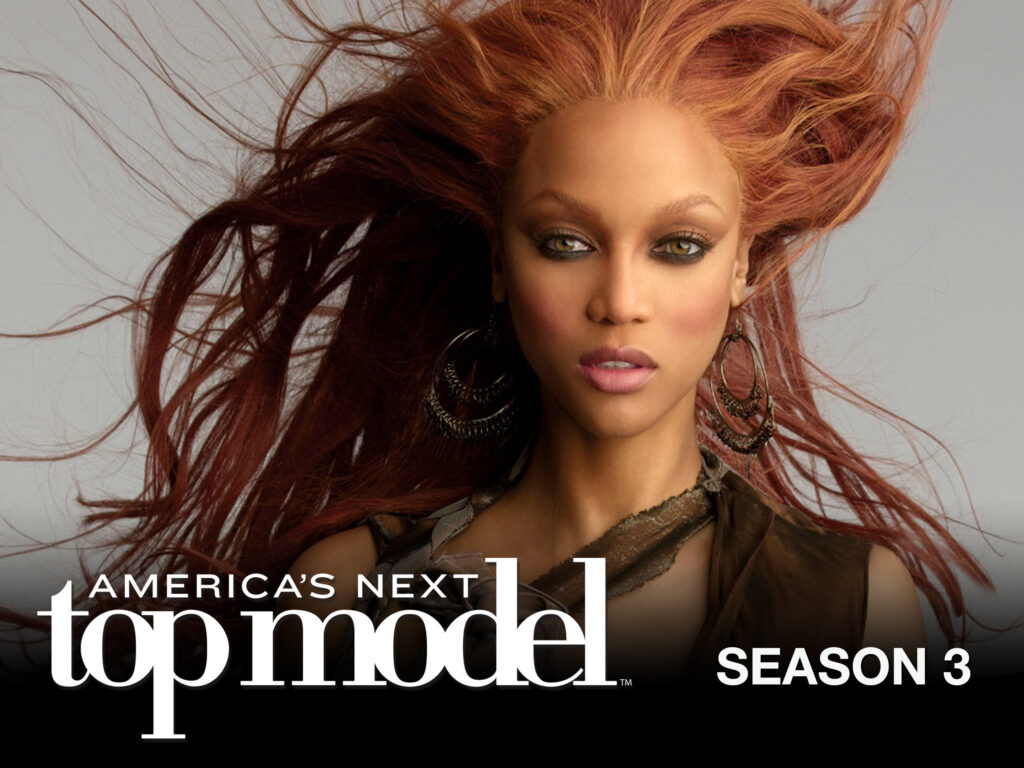
America’s Next Top Model (ANTM) revolutionized the landscape of reality TV, leaving an indelible mark on both the genre and the fashion industry. From its inception in 2003, this ground-breaking series became notorious for its gripping challenges and dramatic confrontations, famously highlighted by Tyra Banks’ passionate outbursts and memorable quotes like, “I was rooting for you!” However, alongside its successes, ANTM has also ignited numerous reality TV controversies, particularly related to race and body image in media. As new audiences tune in, the show’s complex legacy has come into sharper focus, especially reflected in the Tyra Banks documentary that seeks to unravel behind-the-scenes secrets. This exploration extends beyond mere entertainment, prompting discussions about ANTM’s impact on societal perceptions of beauty and the often harsh realities aspiring models face in their pursuit of success.
The iconic series known as America’s Next Top Model embodies a pivotal moment in the evolution of modeling competitions on television. This show has been instrumental in shaping public discourse around the fashion industry, intertwining issues of race and aesthetics within its reality show framework. With the recent emergence of a documentary featuring the creator Tyra Banks, audiences are prompted to rethink the repercussions of reality TV phenomena and their influence on societal standards. Through candid revelations, the documentary addresses the polarizing moments that fueled discussions surrounding the treatment of contestants, including significant figures like Tiffany Richardson and Ebony Haith. By reflecting on the interplay between media portrayals and real-world implications, it’s clear that the world of modeling reality shows has been and continues to be a complex tapestry of aspiration and critique.
The Enduring Legacy of America’s Next Top Model
America’s Next Top Model (ANTM) stands as a monumental force in reality TV, having aired for 24 cycles from 2003 to 2018. The show’s blend of high-stakes competition and dramatic confrontations made it a must-watch, leaving an indelible mark on pop culture and the fashion industry. As a pioneer in its genre, ANTM opened the door for many modeling reality shows that followed, showcasing both the aspirations and struggles of aspiring models. However, while it entertained millions, it also sparked rigorous discussions about its impact on race, body image, and overall treatment of contestants in what can be considered a controversial format.
In recent discussions reignited by Tyra Banks’ documentary, the legacy of ANTM is being scrutinized through a contemporary lens. This retrospective examination raises essential questions surrounding the ethical implications of reality TV, particularly in how it portrayed models’ physical appearances and personal stories. Critics argue that the show’s provocative challenges, such as body-shaming and race-swapping, have far-reaching implications on how society perceives beauty standards and diversity in the modeling world. As viewers new and old grapple with these themes, ANTM’s role in shaping cultural conversations about race and body image in media becomes increasingly significant.
Reality TV Controversies and Their Impact
Reality TV has often been a double-edged sword; while it offers entertainment, it frequently walks a fine line with ethical storytelling. ANTM offers numerous examples of reality TV controversies, with producers often prioritizing sensationalism over the well-being of contestants. From Tiffany Richardson’s infamous confrontation with Tyra Banks to the show’s tendency to feature extreme challenges that some contestants found deeply uncomfortable, ANTM serves as a case study in how reality television can exploit personal vulnerabilities for ratings. These controversies raise essential questions about the responsibilities of reality TV creators to ensure the mental and emotional safety of participants.
Moreover, as discussions surrounding mental health and body image become more prevalent in society, the scrutiny of shows like ANTM intensifies. Many former contestants, like Ebony Haith, have spoken out about the long-lasting effects of their experiences on the show, highlighting how comments about race and appearance can resonate long after the cameras have stopped rolling. This has prompted a larger conversation about the importance of ethical practices in the reality TV genre, advocating for a shift toward more compassionate and responsible storytelling that prioritizes the dignity of the individuals involved.
Tyra Banks and the Fashion Industry’s Evolution
Tyra Banks, as the host and creator of ANTM, has played an integral role in shaping the show’s narrative and, by extension, the modeling industry itself. Her experiences and vision for the series sought to reflect the diversity she felt was lacking in the fashion world. However, the reality of the show’s execution often contrasted starkly with these intentions, leading to troubling instances of body-shaming and issues regarding racial representation. Banks’ conflicting legacy shows the complexities within the fashion industry, where efforts for diversity are often overshadowed by a longstanding culture that promotes unrealistic beauty standards.
In her recent documentary, Banks admits that some moments in the show, including her confrontations with models, went too far, suggesting a level of accountability for the past. As the fashion industry continues to evolve, especially with movements advocating for body positivity and inclusion, Banks’ reflections offer a critical perspective on the legacy she created. The challenge moving forward will be ensuring that such platforms embrace their responsibility to foster positive change and genuinely reflect the diverse world we live in.
Race and Body Image in Media
The intricate relationship between race, body image, and media portrayal has been a critical focus regarding ANTM and similar reality shows. Contestants like Ebony Haith have highlighted their experiences of racial bias and the detrimental effects that public perceptions of beauty can have on individual self-esteem. As reality TV continues to influence societal beauty standards, the representation of diverse body types and ethnicities becomes paramount. Recent conversations emphasize the need for media creators to approach these subjects with sensitivity and awareness, particularly in a world where racial dynamics are still largely contentious.
Moreover, the discussions around body image on ANTM have sparked essential dialogues about the portrayal of women and minorities in the fashion industry. The show’s legacy serves as a reminder of how media representation shapes cultural norms regarding beauty and success. Future modeling reality shows must learn from the missteps of the past, ensuring they celebrate diversity not just for ratings, but as a genuine commitment to inclusivity and respect for all participants. The intersection of race and body image in media is not just about aesthetics; it profoundly impacts self-worth and societal norms.
The Confluence of Art and Exploitation in ANTM
America’s Next Top Model is a vivid example of how artistic aspirations can sometimes give way to exploitation. Contestants were often placed in situations where they had to choose between their dignity and the quest for fame. The provocative challenges designed to elicit strong reactions underscore the thin veneer of artistic intent, hinting at a far more exploitative agenda. The show’s emphasis on dramatic tension often led to scenarios that prioritized entertaining television over the contestants’ well-being, and this dichotomy leaves audiences questioning the ethical implications of such entertainment.
As audiences reflect on the artistic value versus the ethical responsibilities of creators, the consensus suggests that while such shows may have an artistic premise, the pursuit of authenticity should not come at the expense of contestants’ mental health. The evolution of reality TV calls for a more nuanced and mindful approach to storytelling, one that respects the participants as more than just tools for dramatic narrative but acknowledges their individual stories and experiences. By doing so, future iterations of modeling reality shows can strive to balance entertainment with genuine representation.
Revisiting ANTM Through Modern Lenses
As a cultural touchstone, America’s Next Top Model serves as a focal point for discussions about past controversies in reality television. The recent surge in interest surrounding Tyra Banks’ documentary highlights a desire to reassess these past narratives through a contemporary lens. While some argue that the show should be viewed in the context of its time, others emphasize the necessity of scrutinizing its impact on societal norms relating to beauty and race. The dialogue around ANTM is a crucial part of understanding how reality TV has evolved and its continued influence on modern media.
The challenge for audiences today lies in recognizing the show’s inconsistencies: Was it a pioneering platform for racial diversity in fashion, or does it reflect deeply ingrained prejudices and unrealistic standards? As discussions surrounding race and body image become more critical, so too does the need for viewers and creators alike to engage in meaningful conversations about the implications of what they consume and produce. ANTM’s legacy may be contentious, but it provides opportunities for learning and growth in an ever-evolving media landscape.
The Role of Social Media in Unveiling Reality TV
The role of social media has fundamentally shifted how audiences engage with television, particularly reality shows like America’s Next Top Model. With platforms like TikTok and Instagram serving as outlets for former contestants to voice their experiences, the narrative surrounding ANTM is being reframed and reexamined by new generations of viewers. This shift not only ensures that the conversations about race, body image, and personal stories continue but also creates a space for deeper analysis of the show’s legacy. Audiences are now equipped to critique and discuss the problematic aspects of reality TV with greater awareness, amplifying the voices of those who felt marginalized.
Moreover, social media’s reach enables contemporary audiences to hold reality TV creators accountable in ways that were previously unattainable. Today’s viewers demand more transparency and responsibility from production teams concerning the well-being of contestants. This newfound leverage has started to influence how reality shows are made and creates opportunities for positive change in perceptions regarding beauty and diversity. As social media continues to shape the landscape of television, it invites a more comprehensive examination of past content and fosters a culture of critical thought.
The Impact of the #MeToo Movement on Reality TV
The #MeToo movement has become a pivotal catalyst for reform across various industries, and its effects reverberate through the world of reality television, including shows like America’s Next Top Model. Former contestants are now more empowered to share their stories of exploitation and abuse, drawing attention to the potentially harmful environment fostered by competition-based platforms. The movement has prompted an examination of the practices involved in the production of reality TV, with calls for more ethical frameworks that prioritize the safety and dignity of participants.
As reality TV continues to evolve in response to these societal changes, ANTM presents both an example of what has been and what can be. The discussions surrounding the treatment of contestants, particularly women and minorities, within the context of this movement highlight the need for a deep-rooted cultural shift in how reality shows operate. The legacy of ANTM can serve as a foundation for more inclusive and respectful practices within reality TV, fostering a healthier environment for aspiring models and contributors in the industry.
The Future of Reality Modeling Competitions
Looking ahead, the future of reality modeling competitions appears to be at a crossroads after the cultural reflections prompted by America’s Next Top Model. As the entertainment industry grapples with contemporary issues surrounding body image and racial diversity, there is a demand for more responsible storytelling that honors individual experiences while offering opportunities for genuine representation. The evolution of audience expectations presents a chance for new modeling shows to learn from the past and to craft narratives that celebrate authenticity over sensationalism.
Innovations in how producers approach modeling competitions could ultimately reshape the genre. By focusing on nurturing talent rather than merely generating drama, future shows can create environments that not only encourage aspiring models to express their unique identities but also champion inclusivity and respect. As discussions about race, body image, and personal narratives intertwine with the mission of modeling reality shows, the industry can cultivate a more equitable future, reflecting the diverse society it aims to represent.
Frequently Asked Questions
What impact did America’s Next Top Model have on the fashion industry?
America’s Next Top Model (ANTM) significantly influenced the fashion industry by introducing diverse models on television, thus broadening representation in modeling. The reality show became a platform that showcased aspiring models from various backgrounds and cultures, although it also sparked discussions about body image and racial representation. Tyra Banks aimed to reflect diversity in her show, making a notable mark on how the fashion industry perceives and promotes different ethnicities.
How did America’s Next Top Model address race and body image in media?
America’s Next Top Model often sparked debates regarding race and body image in media through its challenges and critiques of contestants. The show showcased models of varying ethnicities and sizes but also faced backlash for moments perceived as body-shaming. Contestants like Ebony Haith highlighted the negative experiences related to race, indicating that the portrayal of Black women on reality TV was often problematic, leading to ongoing discussions about media representation and the impact on body image.
What are some of the controversies surrounding America’s Next Top Model?
America’s Next Top Model faced numerous controversies, including body-shaming, racial insensitivity, and dangerous challenges. Notable incidents included Tyra Banks’ outburst at contestant Tiffany Richardson and challenges that forced competitors to confront their fears or switch ethnic identities. These moments have raised questions about the ethical responsibilities of reality TV shows in promoting mental health and inclusive representation.
Will there be a documentary addressing the controversies of America’s Next Top Model?
Yes, a new Netflix documentary, *Reality Check: Inside America’s Next Top Model*, addresses the show’s controversies and reflects on its impact on reality television and the fashion industry. Tyra Banks and other judges discuss the show’s legacy, including both its achievements and its shortcomings, providing a critical look at the series through contemporary lenses.
How did the COVID-19 pandemic affect the viewership of America’s Next Top Model?
During the COVID-19 pandemic, America’s Next Top Model gained a resurgence in viewership, as new audiences discovered the show through streaming platforms. The pandemic allowed many to reflect on past reality TV shows, leading to renewed discussions about the content and impact of ANTM, as people began to critically assess its portrayal of contestants and the broader implications for race and body image in media.
What did Tyra Banks reveal about her intentions in creating America’s Next Top Model?
Tyra Banks revealed that her intention behind creating America’s Next Top Model was to promote diversity and empowerment in the fashion industry. Through the show, she aimed to give aspiring models from different backgrounds a chance to succeed, although she acknowledged that some decisions made during production may not have aligned with those intentions, leading to both positive and negative outcomes.
How has America’s Next Top Model influenced current modeling reality shows?
America’s Next Top Model has paved the way for current modeling reality shows by establishing a format that highlights competition among aspiring models. Its blend of drama, challenge-based eliminations, and celebrity judges has become a standard that many subsequent shows have mirrored. Additionally, ANTM’s focus on diversity has influenced newer productions to consider more inclusive representations in modeling.
What are the key criticisms of America’s Next Top Model from former contestants?
Former contestants of America’s Next Top Model have criticized the show for its handling of mental health, body image expectations, and racial insensitivity. Many have shared their experiences of challenges that they felt were psychologically taxing or harmful. Critiques often center on the idea that while the show aimed to empower, it sometimes perpetuated harmful stereotypes and created an environment that prioritized ratings over contestants’ well-being.
| Key Points | Details |
|---|---|
| The Impact of ANTM | America’s Next Top Model (ANTM) was influential in shaping reality TV and modeling, running for 24 cycles from 2003 to 2018. |
| Contentious Moments | Moments of controversy included body-shaming, dangerous challenges, and racial issues, leading to a re-evaluation of the show’s legacy. |
| Critique and Reflection | A new Netflix documentary aims to reassess the controversial elements of ANTM and includes perspectives from former contestants. |
| Cultural Influence | The show highlighted issues of race and beauty standards in the modeling industry, prompting discussions that continue today. |
Summary
America’s Next Top Model remains a pivotal point in reality TV history, generating significant discussions surrounding representation, diversity, and the treatment of contestants. Despite its popularity, the show faced widespread criticism for its portrayal of contestants, especially concerning body image and racial sensitivities, leading viewers to question how such dynamics were permissible at the time. The upcoming Netflix documentary seeks to explore these themes, potentially reshaping how we view ANTM today. As we reflect on its legacy, it becomes clear that while ANTM broke barriers for representation, it also served as a reminder of the responsibilities among content creators in the evolving landscape of reality television.