Listen to this article
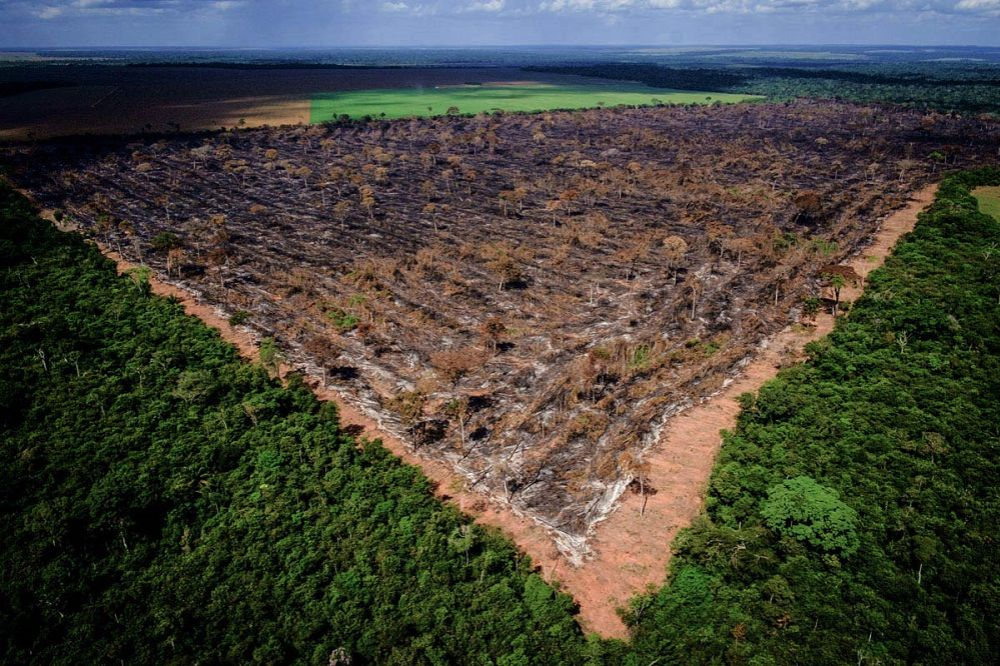
Amazon deforestation remains one of the most pressing environmental issues of our time, as it threatens the ecological balance and biodiversity of the world’s largest rainforest. In Brazil, the removal of protective measures, such as the Amazon Soy Moratorium, is stirring controversy among environmentalists and agricultural interests alike. This moratorium, implemented to prohibit soy grown on land cleared after 2008, has significantly curbed deforestation rates and is often heralded in Brazil deforestation news as a vital conservation success. However, calls to overturn the ban are growing, with agricultural lobbyists arguing for the right to expand soy production, despite the dire environmental impact soy monocultures can have. As the global community grapples with climate change Brazil, the fate of the Amazon becomes increasingly intertwined with the future of our planet.
Deforestation in Brazil’s Amazon region has emerged as a critical concern, impacting not only local ecosystems but also global climate patterns. The shrinking of this vast rainforest, often referred to as the lungs of the Earth, highlights the urgent need for sustainable land management practices. Recent discussions surrounding the Amazon rainforest ban raise important questions about agricultural expansion versus environmental preservation. The ongoing soy moratorium, which restricts the cultivation of soy on newly cleared land, showcases a potential path towards reducing environmental degradation while still meeting global food demands. As the international community debates the implications of Brazil’s approach to land use, the environmental consequences of intensifying agricultural practices warrant serious consideration.
The Urgent Threat of Amazon Deforestation
The Amazon rainforest, often referred to as the “lungs of the Earth,” is facing an alarming resurgence in deforestation due to political pressures and economic demands. Recent Brazil deforestation news highlights ongoing debates surrounding the Amazon Soy Moratorium, a crucial measure aimed at protecting the forest from extensive agricultural expansion. As powerful agribusiness interests lobby for the lifting of this ban, environmentalists express deep concern about the potential consequences, which could initiate a new wave of deforestation in one of the world’s most vital ecosystems.
The implications of lifting the Amazon Soy Moratorium are grave, not just for the forest, but for global climate stability. Scientists warn that the ongoing deforestation, compounded by climate change Brazil is experiencing, threatens to trigger a tipping point, after which the Amazon could cease to be the lush, biodiverse region we depend on. If agricultural expansion continues unchecked, the environmental impact on the Amazon could be catastrophic, affecting not only local biodiversity but also contributing significantly to global carbon emissions.
Impact of the Soy Moratorium on Brazil’s Environment
The Amazon Soy Moratorium has been a pivotal agreement since its inception, representing a collective effort to combat deforestation driven by the soybean industry. Introduced nearly two decades ago, this voluntary ban prohibits the sale of soy from areas cleared after 2008 and has significantly reduced deforestation rates. This initiative is seen as environmentally beneficial, ensuring that UK food supply chains remain free from deforestation-linked products. Organizations like the World Wildlife Fund support this moratorium as it plays a crucial role in preserving the Amazon’s ecological integrity.
However, the balance between agricultural growth and environmental protection is increasingly precarious. Brazilian farmers argue that the soy moratorium restricts their economic potential and promotes a monopoly in the soy market. They advocate for the exploration of alternative crop cultivation on cleared lands, questioning the rationale behind the moratorium and its supposed environmental benefits. While acknowledging the complexities of agricultural practices, it is essential to consider the broader environmental consequences of lifting such protections.
Public Support for Amazon Conservation Efforts
Recent surveys indicate strong public backing in the UK for measures to protect the Amazon rainforest. The World Wildlife Fund’s study revealed that 70% of respondents support government interventions to eliminate illegal deforestation from supply chains linked to the UK’s agricultural imports. This substantial public sentiment highlights the growing awareness of the environmental impacts associated with soy production in Brazil and the urgency for governmental accountability in maintaining ethical sourcing practices.
Major UK food retailers have aligned themselves with the Amazon Soy Moratorium, collectively representing a significant proportion of soy imports. These companies are committed to ethical sourcing that safeguards the Amazon’s biodiversity. By reinforcing their commitment to the moratorium, they underscore the importance of sustainable practices in addressing both climate change Brazil faces and its global implications, standing against pressures that may threaten these vital environmental protections.
Political Divide Over Environmental Protections
The political landscape surrounding the Amazon Soy Moratorium exemplifies a critical divide among Brazilian leaders. While various governmental agencies, including the Justice Ministry, raise concerns about the economic implications of the ban, others like the Ministry of the Environment staunchly defend it as essential for preserving the Amazon. This discord not only complicates the enforcement of environmental policies but also endangers the integrity of initiatives aimed at reducing Brazil’s deforestation rates.
Brazil’s agricultural stakeholders, particularly those opposing the moratorium, argue that their economic growth is hindered by restrictions that limit their capacity to develop land. They advocate for a re-evaluation of the moratorium, proposing that economic development can coexist with sustainability measures. Yet, this perspective must be carefully weighed against the ecological realities of the Amazon and the long-term consequences of expanding soy production on the environment.
The Role of Corporations in Amazon Deforestation
Corporations play a dual role in the issue of Amazon deforestation: as both significant contributors to the problem and potential advocates for solutions. Companies like Cargill and Bunge were among the original signatories of the Amazon Soy Moratorium, recognizing the vital link between sustainable practices and their corporate responsibility. Their involvement showcases the influence corporations can wield in shaping environmental policies that resonate with their consumers and stakeholders.
However, ongoing demands from agricultural proponents to lift the moratorium pose a threat to the commitments made by these corporations. The challenge remains for these organizations to navigate complex pressures from both the market and environmental advocacy groups. Their actions can either protect or endanger the Amazon rainforest, underlining the urgent need for ethical business practices that prioritize environmental sustainability over short-term economic gains.
Climate Change and the Amazon’s Future
As the impacts of climate change intensify, the future of the Amazon rainforest hangs in the balance. Scientists emphasize the interconnectedness between deforestation and climate change, asserting that the ongoing degradation of the Amazon exacerbates global climate issues. The region’s role as a significant carbon sink means that continuing to clear its forests could release substantial CO2 emissions, further driving climate change. The urgent need for comprehensive climate policies that address these challenges is clear.
Furthermore, deforestation not only impacts carbon levels but also disrupts local weather patterns, leading to reduced rainfall and increased drought incidents in the region. The complex feedback loops involved in deforestation and its effects on the climate threaten to push the Amazon into an irreversible state. Preventive measures—including enhancement of the moratorium—are vital not just for indigenous species and local communities, but for global climate health, emphasizing the critical need for immediate action.
Small Farmers’ Perspectives on Deforestation
Small farmers positioned near expanding soy plantations often express concerns about the broader ecological impacts of deforestation. The clearing of land for soy has been shown to disrupt local microclimates, affecting rainfall and soil health. Farmers like Raimundo Barbosa have articulated how the loss of forest means increasing temperatures and a decrease in available water, critical resources for agriculture. Their voices reflect a grassroots understanding that should inform larger environmental discussions.
Moreover, small farmers advocate for the preservation of natural ecosystems to maintain balance in their agricultural practices. They recognize that sustainable farming methods that harmonize with the natural environment contribute to long-term viability, contrasting sharply with the short-term gains associated with monoculture practices that prioritize crops like soy. This highlights an essential dialogue about the future of agriculture in Brazil and the need for ecologically sound practices.
The Global Importance of the Amazon Rainforest
The Amazon rainforest’s importance extends far beyond Brazil; it plays a critical role in maintaining global ecological equilibrium. This unique biome is home to countless species and serves as a carbon reservoir, influencing weather patterns and climate conditions across the globe. As a significant contributor to Earth’s biodiversity, the Amazon’s preservation is vital for maintaining ecological diversity, which in turn supports global food security and health.
As discussions around the Amazon ramp up in global forums like the COP30 UN climate conference, nations have a unique opportunity to collaborate on strategies that protect this essential resource. Promoting policies that enforce the Amazon Soy Moratorium, coupled with sustainable supply chain practices, can forge a path toward safeguarding this pivotal ecosystem. Ultimately, protecting the Amazon is not just about Brazil; it is about our collective future and the health of our planet.
Investigating Aftermaths of Deforestation
As scientists continue to study the impacts of deforestation, an alarming trend has emerged: many parts of the Amazon are approaching a critical tipping point. Observations from the Large-Scale Biosphere-Atmosphere Experiment (LBA) indicate that deforestation disrupts interdependent systems vital for the forest’s survival, including moisture and nutrient cycles. These changes not only affect the ecosystem directly but also have ramifications for global climates, shedding light on the necessity for immediate action.
The data collected acknowledging the shifts occurring in the rainforest are vital for tailoring conservation efforts. If current deforestation rates persist, vast areas of the Amazon could transition from rainforest to less biodiverse savannah ecosystems. Such a transformation would release carbon reserves, further accelerating climate change. Therefore, the imperative to monitor and adjust conservation policies—particularly those surrounding agricultural practices like the soy moratorium—is urgent, warranting global attention.
Frequently Asked Questions
What are the main causes of Amazon deforestation in Brazil?
Amazon deforestation in Brazil is primarily driven by agricultural expansion, particularly for soy production and cattle ranching. The push for more land for soy farming contributes significantly to the loss of rainforest, especially in light of proposed changes to the Amazon Soy Moratorium, which currently protects forest land cleared after 2008.
How does the Amazon rainforest ban affect deforestation rates?
The Amazon rainforest ban, known as the Amazon Soy Moratorium, has been credited with reducing deforestation rates by prohibiting the sale of soy grown on recently cleared land. This ban has successfully curbed forest clearing since its inception, making it a critical measure against the environmental impact of expanding agriculture.
What is the Soy Moratorium and why is it important for the Amazon?
The Soy Moratorium is a voluntary agreement that prevents the sale of soy produced on land deforested after 2008 in the Amazon. This initiative has played a pivotal role in reducing deforestation, as it encourages sustainable practices and protects the rainforest from agricultural expansion.
What environmental impacts does soy production have on the Amazon?
Soy production in the Amazon contributes to significant environmental impacts, including deforestation, loss of biodiversity, and disruptions to local weather patterns. As rainforest is cleared for soy farms, it leads to increased temperatures, decreased rainfall, and a potential tipping point beyond which the ecosystem can no longer sustain itself.
How does climate change relate to Amazon deforestation?
Climate change exacerbates the effects of Amazon deforestation by creating a feedback loop: as trees are lost, the forest’s ability to produce moisture declines, leading to reduced rainfall and intensified drought. This cycle threatens not only the rainforest but also the global climate through increased carbon emissions.
What role do agricultural interests play in Amazon deforestation?
Powerful agricultural interests in Brazil are significant players in Amazon deforestation, as they lobby for the lifting of environmental restrictions like the Soy Moratorium. Their push for increased land usage for soy farming threatens to reverse decades of progress in reducing deforestation.
Why is public opinion in the UK important for Amazon protection efforts?
Public opinion in the UK strongly favors protecting the Amazon, as evidenced by surveys indicating that 70% of respondents support actions against illegal deforestation in supply chains. This backing influences UK companies to uphold the Soy Moratorium, ensuring that soy sourced for animal feed doesn’t contribute to further Amazon deforestation.
What are the potential consequences of lifting the Amazon rainforest ban?
Lifting the Amazon rainforest ban could lead to catastrophic consequences, including renewed deforestation, loss of biodiversity, and significant impacts on climate regulation. Environmental advocates warn that removing these protections may open vast areas of the rainforest to agricultural exploitation, severely damaging the ecosystem.
How does the Amazon rainforest impact global climate systems?
The Amazon rainforest plays a crucial role in global climate systems by absorbing carbon dioxide and generating moisture that influences weather patterns across continents. Deforestation disrupts these processes, contributing to climate change impacts that extend far beyond Brazil.
What measures are being taken to protect the Amazon from deforestation?
Various measures, including the enforcement of the Soy Moratorium, international agreements, and advocacy by environmental organizations, are being implemented to protect the Amazon. These efforts aim to prevent further deforestation, promote sustainable agriculture, and ensure the viability of the rainforest ecosystem.
| Key Points | Details |
|---|---|
| Deforestation Threat | Brazil’s Amazon rainforest faces renewed deforestation risks as a ban on selling soy grown on cleared land since 2008 is challenged. |
| Importance of the Ban | The Amazon Soy Moratorium has successfully reduced deforestation, hailed as a success amid global environmental efforts. |
| Agricultural Interests | Powerful agricultural lobby and politicians in Brazil are pushing for the ban’s repeal, alleging it restricts agricultural growth. |
| Environmental Concerns | Environmentalists warn lifting the ban would lead to severe deforestation, threatening biodiversity and climate stability. |
| Global Impact | Deforestation not only affects local ecosystems but has worldwide implications, potentially contributing to climate change. |
| Public Opinion | A WWF survey indicates strong UK public support for deforestation-free supply chains, showing commitment from major food corporations. |
| Economic Development vs Environment | Debate exists over the need for agricultural expansion and the environmental cost of such actions. |
| Potential Outcomes | Scientists warn of a potential tipping point beyond which the Amazon rainforest could become nonviable, leading to catastrophic environmental effects. |
Summary
Amazon deforestation is at a critical juncture as powerful groups in Brazil seek to overturn key protective measures. This could unleash a wave of destruction across one of the world’s most vital ecosystems. If the existing moratorium on soy production on cleared lands is lifted, it may accelerate the pace of deforestation in the Amazon, undermining decades of environmental progress. Renewed deforestation poses significant risks, not only to the diverse species within the rainforest but also to global climate stability. The fight to protect the Amazon is thus paramount not just for the local communities but for the entire planet’s future.