Listen to this article
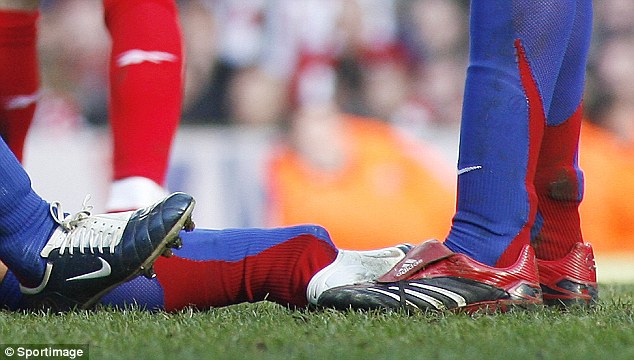
Alan Smith’s injury has left a lasting impact on his life, demonstrating the harsh realities of professional sports. The former Premier League striker, known for his time at clubs like Manchester United and Leeds, encountered significant injuries throughout his twenty-year football career. Notably, one of the most devastating moments came when he broke his leg while attempting to block a powerful free-kick from John Arne Riise. This injury was compounded by a later tackle that exacerbated previous damage, resulting in the loss of feeling in three toes of his left foot. As Alan shares his ongoing struggles and updates, we’re reminded of the broader implications of Premier League injuries and the impact of sports injuries on athletes’ lives beyond the pitch.
The topic of Alan Smith’s debilitating injuries also highlights the broader context of football career injuries and their consequences for players. Through his experiences, we gain insight into how these incidents not only affect athletic performance but also linger long after the final whistle. The discussions around Alan Smith updates provide a window into the realities of life after football injuries, emphasizing the necessity for ongoing care and adaptation. Footballers often endure a range of physical challenges, which can be a significant part of their journey both during and post-career. Therefore, recognizing the impact of such injuries is crucial for understanding the longevity of athletes’ health and well-being.
Alan Smith’s Career-Defining Injuries
Alan Smith, a former Premier League striker, has had a rollercoaster of a career plagued by injuries that would often put athletes out of the game. Notably, his career spanned 20 years, during which he made a notable 604 competitive appearances. The most significant incident was during an FA Cup match against Liverpool, where he suffered a horrific leg break that was so severe it marked one of the darkest days in Sir Alex Ferguson’s managerial history. Such brutal injuries are a stark reminder of the physical risks players face on the pitch.
While the leg break was devastating, Smith also detailed a lesser-known but equally impactful injury. He suffered nerve damage that led to a loss of feeling in three toes on his left foot after being tackled during a derby match for Newcastle against Sunderland. This injury illustrates not only the physical toll taken on players but also the longer-lasting consequences that can alter their life trajectories post-retirement from football. Such incidents echo the broader narrative surrounding Premier League injuries and their profound effects on football careers.
The Impact of Alan Smith’s Injuries on His Life
The repercussions of injuries extend beyond the pitch; they significantly influence the life of former athletes. Alan Smith’s experience with nerve damage in his ankle serves as a case study in the adjustments that athletes must make after their careers. Losing feeling in three toes may seem minor, but it profoundly affects his mobility and daily activities. This condition demonstrates the long-term impact of sports injuries and how they can shape an athlete’s life long after their playing days have ended.
Despite these challenges, Smith has embraced life post-football, finding ways to stay active without exacerbating his injuries. By engaging in low-impact sports like swimming and cycling, he continues to maintain a healthy lifestyle. Preserving physical activity is crucial for former athletes, as it promotes overall well-being and can alleviate some of the discomfort caused by previous injuries. Smith’s narrative highlights the importance of adapting to a new normal and the necessity of finding balance after experiencing career-impacting injuries.
Alan Smith’s Recommendations for Managing Football Injuries
Having navigated through severe career injuries, Alan Smith offers valuable insights for current athletes. One crucial piece of advice from his experiences is the importance of listening to one’s body. Engaging in activities that promote mobility without forcing stress on previously injured areas is essential. Smith’s commitment to not over-exerting his ankle while continuing to stay active through cycling and swimming serves as a testament to how athletes can adjust their lifestyles after sustaining serious injuries.
Additionally, integrating therapies like red light therapy has been part of Smith’s regimen to manage inflammation and enhance recovery. His proactive approach to injury management is a vital lesson for athletes at all levels. It underscores the significance of rehabilitation techniques and maintaining a balanced lifestyle for improved long-term health outcomes post-injury. Alan Smith’s story highlights not just the pitfalls of sports injuries but also strategic ways to cope and thrive beyond the pitch.
The Challenges of Life After Premier League Injuries
Life after experiencing significant injuries in the Premier League can be daunting. Athletes often grapple with both physical limitations and psychological impacts that arise from their career-defining moments. Alan Smith’s situation, where he cannot feel three of his toes, is emblematic of the struggles faced by many former players who must learn to navigate their day-to-day lives with physical constraints. The psychological adjustment of accepting a new identity outside of football can also be equally challenging, particularly when long-term effects of injuries come into play.
Moreover, the mental health aspect surrounding life after professional sports injuries cannot be overlooked. Many former athletes face anxiety, depression, and frustration as they adjust to limitations that might hinder their previously athletic lifestyles. Finding supportive communities and engaging in alternative activities become vital strategies for managing these mental health challenges. Alan Smith embodies the reality that while injuries can end one chapter, they can also lead to new beginnings if approached with resilience and adaptability.
Rehabilitation Insights from Alan Smith
Rehabilitation is a fundamental aspect for athletes recovering from injuries, as illustrated by Alan Smith’s own journey. After sustaining significant injuries, Smith emphasizes the necessity of professional guidance throughout recovery and rehabilitation processes. Consulting with specialists, such as Dr. James Calder, allowed Smith to understand the extent of his injuries and formulate a viable recovery plan, which is crucial for athletes aiming to regain peak physical condition.
Furthermore, Smith’s proactive approach to rehabilitation serves as a reminder of the commitment required from athletes. Regular follow-ups, guided rehabilitation exercises, and consistent monitoring are essential to healing and adapting. His experience shows that athletes must embrace the rehabilitation journey wholeheartedly, as it often dictates their future capabilities and overall quality of life after sports. In Smith’s case, it has afforded him the chance to remain active while effectively managing his injuries.
Life Lessons from Alan Smith’s Injury Experiences
Alan Smith’s journey through a career marked by injuries offers profound life lessons for both current athletes and sports enthusiasts. His experiences underscore the importance of resilience and adaptability when faced with unexpected challenges. The realization that injuries are an inherent risk of the sport has helped Smith shape a philosophy around accepting limitations while still striving for physical health and well-being.
In addition to resilience, Smith imparts the value of seeking out and embracing alternative activities post-injury. By engaging in lower-impact sports and therapies, he has maintained his strength and fitness levels. This approach can inspire athletes grappling with injury-related challenges to find new passions and pursuits that honor their physical capabilities without exacerbating existing issues. Smith’s story is a beacon of hope, demonstrating that even after substantial setbacks, one can forge a fulfilling life beyond professional sports.
The Importance of Mental Health Awareness in Sports Injuries
The intersection of mental health and sports injuries is increasingly becoming a vital conversation in sports communities, underscored by the experiences of players like Alan Smith. After sustaining life-altering injuries, many athletes face mental health challenges, including anxiety and depression, often going unrecognized in the intensity of sports culture. Alan’s candid discussions about his own struggles emphasize the necessity for greater mental health awareness and support systems within sports.
Creating an environment where athletes feel comfortable discussing their mental health is crucial. Encouraging open dialogues about the emotional impact of injuries can significantly reduce stigma and promote healing. Alan Smith’s story is an excellent reminder that while the physical scars of injuries are visible, the mental scars often run deeper and require equal attention and care. This holistic approach towards athlete health can pave the way for better recovery trajectories and personal well-being after a career marked by challenges.
Coping Mechanisms for Athletes Facing Injury Setbacks
Coping with injuries can be one of the greatest tests for athletes, as seen in Alan Smith’s journey. He emphasizes the significance of finding alternative ways to stay engaged in sports and pursue physical activity without risking further injury. Low-impact exercises like swimming and cycling have enabled him to remain active while respecting his body’s limitations. Such coping mechanisms are essential for athletes managing long-term recovery from significant injuries.
Moreover, Allen’s experience underscores the importance of fostering a support network. Surrounding oneself with understanding friends, family, and fellow athletes can provide emotional comfort during trying times. Engaging with other athletes who share similar experiences can also offer camaraderie and insights into effective coping strategies, further emphasizing that no athlete should navigate these hardships alone.
The Future of Player Safety and Injury Management in Football
In light of injuries like those suffered by Alan Smith, the conversation surrounding player safety in football is paramount. With advancements in sports science and medicine, clubs must prioritize developing comprehensive injury management protocols that encompass prevention, timely assessments, and rehabilitation. Understanding the long-term impacts of injuries and implementing effective training techniques remains a critical part of ensuring player safety.
Clubs and leagues must advocate for continuous education on injury awareness and management, equipping players with the knowledge and tools necessary to navigate the potential risks associated with professional sports. Alan Smith’s experiences highlight the pervasive need for improved processes in safeguarding the health of athletes, ensuring that they can enjoy their careers while minimizing the risk of debilitating injuries.
Frequently Asked Questions
What injuries did Alan Smith sustain during his Premier League career?
Alan Smith suffered several significant injuries throughout his Premier League career, with one of the most severe being a broken leg while attempting to block a John Arne Riise free-kick. Additionally, he sustained a serious ankle injury while playing for Newcastle, which has caused lasting effects including nerve damage and loss of feeling in three toes on his left foot.
How has Alan Smith’s injury affected his life after football?
Alan Smith’s injuries, particularly the nerve damage in his ankle and loss of feeling in three toes, have impacted his daily life. Despite this, he actively participates in sports such as cycling and swimming, and he emphasizes the importance of maintaining an active lifestyle without overexerting his ankle. His injuries highlight the ongoing challenges faced by athletes after their football careers.
What updates does Alan Smith provide about his physical condition related to his injuries?
In recent updates, Alan Smith has discussed his experiences with ongoing pain and the loss of feeling in three toes on his left foot due to prior injuries. He has incorporated red light therapy into his routine to help manage inflammation and has found that cycling and swimming allow him to stay active without putting too much pressure on his injured ankle.
What is the impact of sports injuries like those suffered by Alan Smith on football careers?
Sports injuries, such as those experienced by Alan Smith, can significantly affect a player’s football career and quality of life. These injuries not only hinder performance during an athlete’s active years but can also lead to long-term complications and chronic pain, influencing life after football in terms of daily activities and physical capabilities.
How did Alan Smith’s injuries shape his perspective on playing football?
Alan Smith’s injuries have given him a unique perspective on the risks associated with playing football. He acknowledges that while injuries are an inherent part of the sport, the nature of his injuries has led him to accept that they were often just unfortunate accidents rather than malicious acts from other players. He continues to advocate for maintaining physical activity even after experiencing severe injuries.
| Key Aspect | Details |
|---|---|
| Injuries Sustained | Suffered significant leg injuries, notably during his time at Newcastle and Manchester United. |
| Notable Injury Incident | Broke his leg while blocking a free-kick by John Arne Riise in an FA Cup match against Liverpool. |
| Impact of Injury | Loss of feeling in the last three toes of his left foot due to a severe ankle injury while playing against Sunderland. |
| Current Status | Continues to play casually, coaches in the US, and manages his condition with exercise and therapy. |
| Personal Reflections | Emphasizes the accidental nature of his injuries and praises resilience in football. |
| Therapeutic Approach | Uses red light therapy to reduce inflammation and manages daily activities to avoid exacerbating his ankle condition. |
Summary
The topic of Alan Smith injury highlights the serious physical toll of a professional football career. Alan Smith injury not only resulted in a career filled with remarkable achievements but also left him with lasting impacts, including loss of feeling in his left toes. Through his journey, he emphasizes the importance of managing injuries post-retirement while acknowledging the inherent risks involved in the sport. His proactive approach to maintaining his health serves as an inspiring example for athletes and sports enthusiasts alike.