
Listen to this article
Airline compensation claims have become a vital area of concern for travelers experiencing significant delays or cancellations. Every year, millions of pounds are paid out in restitution to passengers who have faced unforeseen travel disruptions caused by airlines. Despite the apparent commitment from carriers to uphold customer rights, many claims initially meet rejection, leaving passengers frustrated and confused. In the UK, flight delays and cancellations can have severe repercussions, leading to lost business opportunities and ruined family events, prompting the need for awareness regarding passenger rights compensation. The latest Civil Aviation Authority (CAA) compensation statistics highlight the staggering amounts paid to travelers after their claims were reinstated, showcasing a system in need of transparency and customer-centric reform.
When flights are delayed or canceled, travelers often find themselves navigating the complex airline claims process to secure the compensation they deserve. In many instances, passengers may feel at a disadvantage as they attempt to assert their rights in claiming refunds or compensation for travel disruptions. The compensation landscape can be daunting, with various airlines employing tactics that may deter passengers from pursuing valid claims. Such challenges only emphasize the necessity of understanding consumer rights related to flight cancellations and delays, alongside the often murky details of what qualifies for compensation. As airlines undergo scrutiny for their handling of claims, the door is opening wider for travelers to reclaim what is rightfully theirs.
Understanding Airline Compensation Claims
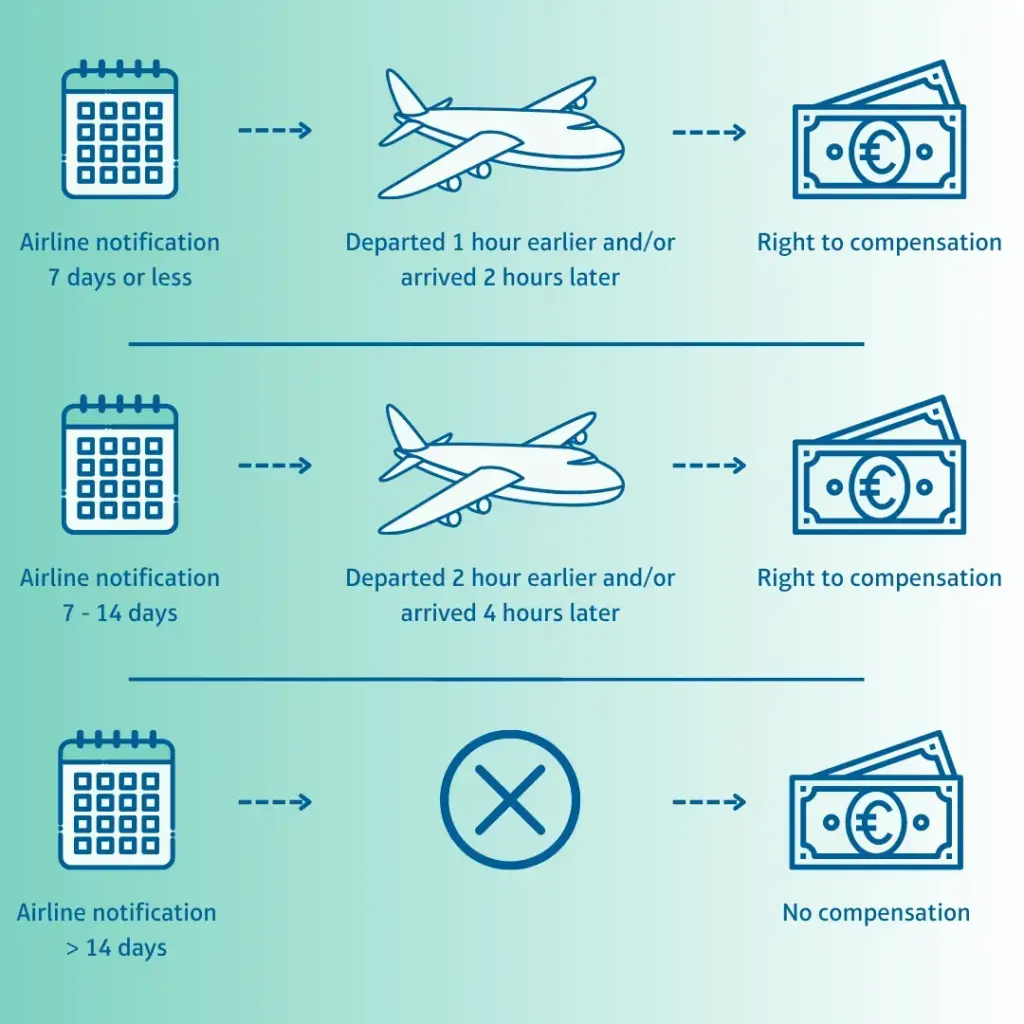
Airline compensation claims have become a crucial aspect for passengers facing flight issues, particularly in the case of cancellations and significant delays. When a flight is disrupted, passengers often have rights that allow them to seek compensation from airlines, an entitlement that many are still unaware of. In the UK, laws dictate that passengers may claim compensation for flights delayed by more than three hours or canceled with less than 14 days’ notice. This legal framework aims to ensure that consumers are treated fairly, prompting the need to navigate the airline claims process effectively.
Despite the clarity of these regulations, many airlines initially reject claims, leading to frustration among travelers. The Civil Aviation Authority (CAA) has reported a significant amount of compensation payouts that were only awarded after consumers escalated their complaints to independent adjudicators. This highlights the importance of standing firm and understanding passenger rights compensation. Being informed can empower passengers to pursue rightful claims even when airlines attempt to defer or deny compensation.
The Impact of UK Flight Delays on Compensation
UK flight delays have reached alarming levels, underscoring the necessity for passengers to understand their rights regarding compensation. Reports indicate that nearly £11 million was paid out last year to passengers whose claims were denied at first. This trend reveals the operational challenges faced by airlines, but also exposes a significant gap in customer service and communication. With more passengers traveling than ever, timely compensation after delays is not just a consumer right but a pressing issue that airlines must address to maintain customer trust.
As the number of flight delays continues to rise, the role of organizations like the Civil Aviation Authority becomes increasingly vital. The CAA compiles statistics that show patterns in airline delays and cancellations, offering insight into how effectively airlines are handling passenger claims. Passengers seeking compensation should be aware of these statistics as they navigate their claims, as they provide leverage in discussions with airlines about their rights and possible compensation after experiencing flight delays.
Navigating the Airline Claims Process
Navigating the airline claims process can be daunting for the average traveler, particularly when dealing with denials or delays. Airlines often create complex claims procedures that can confuse passengers, leading them to settle for less than they are entitled to or give up entirely. It is essential for consumers to educate themselves about the specific steps involved in filing a claim for compensation, including gathering necessary documentation, understanding timelines, and being aware of potential pitfalls in communications with airlines.
Furthermore, involving third-party adjudicators can enhance the likelihood of a successful outcome for consumers. Organizations like Consumer Dispute Resolution Limited and the Centre for Effective Dispute Resolution play a significant role when passengers find it challenging to resolve disputes directly with airlines. These adjudicators provide invaluable assistance by assessing claims that have been stalled, ensuring that passengers receive fair treatment regarding their compensation claims.
Understanding Passenger Rights Compensation
Passenger rights compensation is a fundamental aspect of air travel in the UK, and it highlights the balance of responsibilities between airlines and their passengers. Travelers are entitled to compensation when flights are delayed, canceled, or significantly affected due to factors within the airline’s control. Many passengers fail to recognize the full extent of their entitlements, which can result in lost opportunities for rightful restitution. Knowing these rights can empower consumers, leading to more claims being pursued effectively.
Awareness of these rights has been propelled by the ongoing discussions and cases highlighted in media reports, which illustrate real-life scenarios where passengers have successfully pursued compensation after difficult experiences. Additionally, organizations advocating for consumer rights are instrumental in disseminating this information, ensuring that passengers understand their legal standing when disputes arise. With passengers becoming increasingly aware of their rights, there is pressure on airlines to uphold transparent policies regarding passenger claims.
Flight Cancellation Refunds Explained
Understanding flight cancellation refunds is essential for any traveler facing disruption. When a flight is canceled, airlines are often obligated to offer passengers either a full refund or a rebooking option at no additional cost. The frustration arises when airlines attempt to sidestep these responsibilities, either by providing confusing information or asserting conditions that may not hold water legally. Passengers should be equipped with knowledge about regulations governing their rights to refunds, especially in cases of unexpected cancellations.
Moreover, the recent data released by the CAA shows that many passengers did not claim refunds or compensation after cancellations, often due to misinformation. Airlines must provide clear instructions and facilitate easy refund processes to ensure that passengers are not left feeling stranded. With proper information and support, passengers can assert their rights effectively, ensuring they are not shortchanged during travel disruptions.
Analyzing CAA Compensation Statistics
Analyzing CAA compensation statistics reveals significant trends in how airlines handle passenger claims. With almost £11 million awarded from claims escalated to independent bodies, the data serves as a wake-up call for airlines to improve their claims process and customer service. Statistics also shed light on which airlines are more likely to honor claims promptly and which ones frequently deny requests, offering travelers insights into where they might face greater challenges.
The CAA’s statistics can also be a persuasive tool for passengers contemplating whether to pursue a claim or escalating their case. When armed with information about historical outcomes for specific airlines, passengers can make informed decisions, enhancing their chances of successfully claiming compensation. The CAA’s continued focus on transparency and improvement in airline services ultimately benefits consumers and fosters a fairer travel environment.
Increasing Awareness of Airline Compensation
Increasing awareness of airline compensation options marks a positive trend in the way travelers approach airline disputes. Educational campaigns and resources provided by consumer advocacy groups have played a pivotal role in informing the public about their rights in the event of flight delays and cancellations. As awareness grows, passengers are more likely to understand the procedures for making claims, which leads to a greater willingness to pursue potential compensation.
Moreover, social media platforms serve as invaluable forums for sharing experiences and advice, allowing passengers to connect with others who have navigated similar issues. These shared experiences can empower more individuals to assert their rights and demand fair compensation from airlines, shaping a more accountable industry overall. As consumer empowerment rises, it is essential for airlines to match this trend by enhancing service quality and responsiveness to passenger claims.
The Role of Consumer Advocacy Groups
Consumer advocacy groups play a critical role in championing the rights of airline passengers, especially when facing challenges in claim processes. These organizations provide essential resources, including guides on how to file compensation claims, clarity on passenger rights, and assistance when disputes arise with airlines. Advocacy groups also amplify consumer voices by conducting research and publishing reports, such as CAA compensation statistics, which highlight trends and areas needing improvement within the airline industry.
Their efforts not only educate consumers on their rights but also pressurize airlines to maintain transparent practices. For instance, when faced with common complaints, these groups often lobby for legislative changes or advocate for stronger enforcement of existing consumer protections. The ongoing collaboration between advocacy groups and consumers fosters a healthier dialogue, leading the airline industry to improve policies and practices regarding passenger compensation and care.
Best Practices for Filing Airline Claims
Understanding best practices for filing airline claims can greatly influence the outcome of compensation pursuits. Passengers should gather all relevant information before filing a claim, including boarding passes, receipts, and correspondence with airlines. Clear documentation can serve as crucial evidence if a claim is denied and must be escalated to independent adjudicators. Beyond documentation, being aware of timelines for submitting claims is also vital, as delays in filing can jeopardize a passenger’s chances of receiving compensation.
Additionally, passengers should remain persistent when facing rejection from airlines. The statistics show that many claims are initially denied, making it important for consumers to be well-informed about their rights. Seeking assistance from consumer groups or forums can provide additional support and clarity, ensuring that travelers are not deterred by initial setbacks. By following these best practices, passengers can improve their chances of successfully navigating the airline claims process.
Frequently Asked Questions
What can I do if my airline compensation claim is rejected?
If your airline compensation claim is rejected, you should first review the rejection reason and collect relevant documentation, including your flight details and any communications with the airline. Consider escalating your claim to an independent adjudicator, as many passengers find success after initial denials. The CAA compensation statistics reveal that over 80% of claims upheld by adjudicators after being rejected by airlines demonstrate that persistence can pay off.
How long does the airline claims process take for flight cancellations?
The airline claims process for flight cancellations can vary, but typically you should expect a response within a few weeks. If you don’t hear back, you can escalate your claim to an independent body such as the CDRL or CEDR. According to recent CAA compensation statistics, many passengers who follow this route receive their due compensation after initial rejections.
What are my passenger rights compensation options for UK flight delays?
For UK flight delays, passengers are entitled to compensation under EU Regulation 261/2004, provided certain conditions are met. If your flight was delayed by more than three hours and it’s the airline’s fault, you can claim compensation. It’s essential to keep all travel documents and evidence of the delay to support your claim.
What information should I include in my airline compensation claim?
When filing an airline compensation claim, include your flight number, booking references, dates, and any documentation regarding the delay or cancellation. Clear records of communications with the airline, along with evidence of your expenses caused by the disruption, can strengthen your claim.
How do I apply for flight cancellation refunds from my airline?
To apply for flight cancellation refunds, contact the airline directly through their customer service channels or website. You will typically need to provide your booking reference, flight details, and reason for cancellation. If your cancellation is eligible for a refund, it should be processed in due time.
Are there any fees associated with filing airline claims?
Generally, you should not encounter any fees when filing airline claims. Reputable services do not charge upfront for claims assistance, only taking a percentage of the compensation if successful. Be wary of companies demanding fees upfront, as legitimate claims can often be executed independently.
What steps should I take if the airline does not respond to my claim?
If the airline does not respond to your claim within a reasonable timeframe, you should follow up with them directly. If there is still no response, escalate your case to an independent dispute resolution service like the CDRL or CEDR. Persistence is key, as the CAA compensation statistics show that unresolved claims are often successful upon escalation.
What recent CAA compensation statistics reveal about airline claims?
Recent CAA compensation statistics indicate that airlines in the UK have paid out nearly £11 million to passengers whose claims were initially denied. Most of these compensations result from escalated claims, underscoring the importance of not giving up on your airline compensation claims even if initially rejected.
What common excuses do airlines use to deny compensation claims?
Airlines often cite reasons such as adverse weather, air traffic control issues, or technical faults as justifications for denying airline compensation claims. However, many passengers have found that these reasons can be challenged if adequate evidence suggests the airline could have avoided the issues.
How can I improve my chances of receiving airline compensation?
To improve your chances of receiving airline compensation, ensure you have all necessary documentation ready, be persistent in following up with your airline, and consider consulting consumer advocacy groups for advice. Understanding your rights and leveraging CAA compensation statistics can also bolster your claim.
| Airline | Compensation Paid (£) | Reason for Claims Denial | Common Outcomes |
|---|---|---|---|
| British Airways (BA) | 6.9 million | Adverse weather, Operational issues | 81% of escalated claims upheld in favor of customers. |
| Wizz Air | 1.7 million | General operational delays | No significant comments on claims handling. |
| Ryanair | 1.68 million | Air Traffic Control restrictions | No comment provided on claims. |
| EasyJet | 371,000 | Operational disruptions | Claims processing availability via online forms. |
Summary
Airline compensation claims are an essential aspect of consumer rights in the travel industry. Despite the initial rejection of many claims, recent statistics reveal that airlines have collectively paid millions in compensation to passengers after claims were escalated. This trend highlights the importance of persistence in pursuing rightful compensation, especially in light of tactics that airlines may employ to discourage claims. Passengers are encouraged to document their experiences and seek independent adjudication when necessary, reinforcing their consumer rights.

