
Listen to this article
AI in recruitment is rapidly transforming the job application process, ushering in a new era of efficiency and innovation. Leveraging advanced recruitment technology, companies are increasingly deploying AI screening tools to sift through the overwhelming number of job applications they receive. AI video interviews allow employers to streamline their hiring processes, saving valuable time for HR teams that could be spent on more personalized candidate interactions. However, while these advancements hold great promise, they also raise questions about the human touch in hiring and the potential pitfalls of automation. As organizations navigate this brave new world, understanding the implications of AI in recruitment becomes essential for both employers and job seekers alike.
The integration of artificial intelligence in talent acquisition is reshaping how businesses approach hiring and candidate assessments. Alternative recruitment methodologies such as AI-driven video interviews and automated screening software are gaining traction, enabling firms to manage the influx of job applications more effectively. This shift towards HR automation is not only about efficiency but also reflects a significant change in how organizations evaluate job applicants. As candidates interact with machines rather than people, the recruitment landscape is poised for a transition that could redefine traditional interview dynamics. Understanding these evolving practices is crucial for stakeholders aiming to thrive in a competitive job market.
The Rise of AI in Recruitment Technology
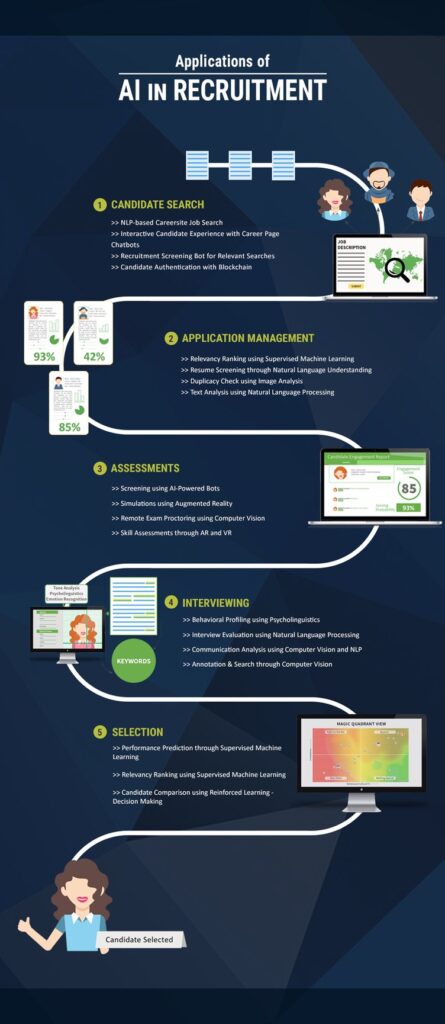
AI in recruitment technology is rapidly transforming the hiring landscape, making processes like application screening and interview scheduling significantly more efficient. By leveraging sophisticated algorithms, companies can handle a larger volume of applications, which is particularly critical in a job market where vacancies are declining. Tools such as AI screening systems help automate the initial stages of recruitment, filtering out candidates based on set criteria, thus alleviating the pressure on human HR teams. This automation allows recruiters to focus on engaging with qualified candidates who have passed through these automated gates.
However, while AI streamlines recruitment, it also raises pressing concerns about fairness and the loss of personal touch in the hiring process. Many candidates express frustration over interacting with AI rather than human recruiters, fearing they may be judged solely based on how well they manipulate their CVs for keyword optimization rather than their true qualifications and potential fit. As more companies adopt these technologies, maintaining human oversight remains essential to ensure a balanced recruitment process that values every candidate’s unique background.
AI Video Interviews: The Future or a Flawed System?
AI video interviews have emerged as a popular alternative to traditional in-person interviews, promising efficiency and scalability for companies overwhelmed by applications. These AI systems, capable of providing instantaneous feedback and scoring, are designed to streamline the selection process, helping recruiters identify the best candidates quickly. Companies like Test Gorilla are trailblazing this method, emphasizing the benefits of engaging with candidates through advanced technology while aiming to lend a more favorable impression during the application process.
Yet, the technology is not without its challenges. Instances of system glitches can disrupt the interview experience, leading to frustration for candidates. This not only affects their chances of making a strong impression but also raises questions about the reliability of an AI-driven approach. Moreover, candidates’ personal experiences suggest that despite the advantages, AI video interviews cannot replicate the comfort and rapport that human interactions foster. Striking a balance between technology and traditional methods might be the key to achieving a more effective hiring process.
The Impact of AI Screening Tools on Job Applicants
AI screening tools are increasingly used in the recruitment process to sift through massive volumes of job applications. These applications rely on algorithms programmed to seek out specific keywords and qualifications, which can sometimes lead to the exclusion of otherwise qualified candidates. This reliance on technology raises critical questions about fairness — can an AI fully appreciate a candidate’s breadth of experience, creativity, and character when it primarily focuses on keywords from a CV?
Moreover, as job seekers become aware of these practices, many resort to ‘keyword stuffing’ their applications to bypass AI filters, highlighting a troubling trend where the integrity and essence of their true skills may be compromised. This can create a false narrative in the job market, where the effectiveness of traditional recruitment is undermined by an over-dependence on AI technologies, possibly resulting in a ‘race to the bottom’ as noted by some recruitment professionals.
HR Automation: Benefits and Drawbacks in the Hiring Process
HR automation through AI offers substantial benefits—reducing manual tasks and improving overall efficiency in recruitment. By automating repetitive tasks like CV filtering, companies can allocate resources more strategically within their HR departments. This shift can potentially open doors for more meaningful candidate engagement, as human recruiters can focus on the qualitative aspects of hiring rather than being bogged down by administrative work.
However, along with its benefits comes a significant drawback: a lack of personal touch in the applicant experience. Job seekers today often complain that automation feels impersonal and mechanical, leading to a disconnect. Many assert that authentic relationships built during the hiring process are essential to understanding a candidate’s potential, something that automated systems risk minimizing if not integrated with human oversight.
Challenges of AI in Recruitment: Candidate Perspectives
Though many employers embrace AI in recruitment for its efficiency, candidates often voice concerns regarding these systems’ reliance on technology. As illustrated by Jim Herrington’s experience, applicants feel that AI screening tools may overlook the nuances of a person’s qualifications, reducing their prospects to mere keywords rather than their holistic profiles. Job seekers worry that the algorithmic selection process can diminish their chances and create biases, limiting the diversity of thought and experience within organizations.
Additionally, applicants are increasingly aware that not all companies utilizing AI in recruitment uphold rigorous standards. Instances of spam job listings and bots that apply indiscriminately for jobs affect genuine candidates, leading to disillusionment. The fear of being sidelined based on a computer’s decision further emphasizes the need for companies to recognize their role in balancing AI efficiency with responsible and humane recruitment practices.
AI and Job Applications: Navigating the New Norm
As AI technology integrates deeper into the job application process, applicants are modifying their strategies to keep pace. AI tools enable job seekers to apply for multiple positions rapidly, often using tailored CV versions that align with the requirements of each job listing. However, this convenience comes with significant risks: candidates might apply for roles for which they are ill-suited, diminishing the overall quality of applications and increasing competition for the remaining positions.
Moreover, candidates must now navigate the challenges posed by fraudulent job postings that exploit AI technologies for scams. The rise of fake opportunities leveraging AI for communication has left many applicants wary and cautious. It highlights the importance of remaining vigilant while leveraging technology during their job search, ensuring they’re not only efficient but also discerning in their applications.
Maintaining Humanity in AI-Driven Recruitment
While AI recruitment tools promise efficiency and speed, it is essential for companies to not lose sight of the human element in hiring practices. Candidates often highlight the importance of personal interaction and genuine connections in interviews, stressing that these human touches enrich the recruitment experience significantly. Balancing automation with personal engagement ensures that candidates feel respected and valued throughout the recruitment journey.
Additionally, organizations should consider implementing checks and balances in their recruitment processes, ensuring AI is used as a complementary service rather than a complete replacement of human judgment. By fostering a collaborative system where both AI and human reviewers are involved, companies can maximize efficiency while also preserving the essential pedagogical aspects of hiring.
Insights on AI Video Interviews for Diverse Candidates
AI video interviews have opened new avenues for candidates from diverse backgrounds, including neurodivergent individuals or those who may struggle with traditional interview settings. For these candidates, the use of AI can alleviate the pressures of face-to-face interactions, providing a more comfortable atmosphere to express their qualifications and skills. As firms explore AI options, they also have the profound opportunity to create inclusive hiring practices that cater to a wider range of applicants.
Nonetheless, concerns remain about the biases that AI could inadvertently reinforce. Developers must ensure that the data fed into these systems is representative and that programming practices are devoid of biases. Addressing these issues is crucial to achieving fairness and equality in recruitment while maximizing the potential of AI video interviews for all candidates.
The Future of Recruitment: Balancing AI with Human Insight
Looking ahead, the future of recruitment will likely rest on finding the right balance between technology and human insight. As more companies adopt AI-driven tools, it becomes crucial to ensure that these technologies augment rather than replace human judgment. This blend could enable companies to streamline processes and simultaneously maintain a focus on interpersonal skills and human-centric values.
Companies that succeed in leveraging AI effectively will likely be those who prioritize ethical considerations and the importance of human connection in their hiring practices. By marrying efficiency with compassion, organizations can build more robust recruitment frameworks that are fairer, more inclusive, and ultimately lead to better hiring outcomes.
Frequently Asked Questions
How does AI in recruitment impact the job application process?
AI in recruitment streamlines the job application process by automating various tasks such as CV filtering, email responses, and interview scheduling. This technology helps HR teams manage a higher volume of applications, allowing recruiters to focus on engaging with qualified candidates more efficiently.
What are the benefits of using AI video interviews in recruitment?
AI video interviews provide a structured and objective way to assess candidates. They help reduce the time spent by HR on initial screenings and allow hiring managers to focus on top candidates identified through AI scoring, ultimately improving the overall efficiency of the recruitment process.
Are AI screening tools reliable in assessing candidate qualifications?
AI screening tools can effectively filter candidates based on specific keywords and qualifications; however, there are concerns about their ability to capture the holistic attributes of a candidate. This reliance on keyword matching may overlook key skills and experiences that are not explicitly stated in a CV.
What role does HR automation play in recruitment technology?
HR automation through recruitment technology simplifies various HR processes such as applicant tracking, interview scheduling, and assessment scoring. By minimizing manual tasks, HR teams can dedicate more time to strategic activities, ultimately enhancing candidate experience and hiring outcomes.
Is there a risk of bias in AI video interviews and other recruitment technologies?
Yes, there is a potential risk of bias in AI video interviews and recruitment technologies. If the underlying algorithms are trained on biased data or programmed with inherent biases, they can adversely affect candidate evaluations, leading to unfair rejections and a lack of diversity in hiring.
How can candidates prepare for AI screening tools in the recruitment process?
Candidates can enhance their chances of passing AI screening tools by tailoring their CVs to include relevant keywords from the job description. Additionally, candidates should focus on presenting clear, concise examples of their skills that align with the job requirements, making it easier for AI to assess their fit.
Do AI-driven recruitment solutions jeopardize personal interactions in hiring?
While AI-driven recruitment solutions improve efficiency, they can also diminish personal interactions. Candidates may feel undervalued if they experience automated processes without human engagement. Employers should strive to balance AI efficiencies with genuine human touchpoints to enhance the overall candidate experience.
What should job seekers know about AI in recruitment and scams?
Job seekers must be aware that some scammers utilize AI technologies to impersonate genuine recruiters or conduct fake interviews for non-existent jobs. It’s essential to verify the legitimacy of job offers and be cautious about sharing personal information with unknown entities, especially those that request payment for training or equipment.
How does AI technology relate to the future of recruitment practices?
AI technology is transforming recruitment practices by enhancing efficiency and scalability. However, as reliance on AI grows, there must be careful consideration of its limitations, such as potential biases and the need for human oversight, to ensure that hiring practices remain fair and effective.
What are the key trends in recruitment technology powered by AI?
Key trends in AI-driven recruitment technology include automated CV screening, AI-assisted video interviews, data-driven insights for candidate evaluation, personalized communications, and tools that support diversity and inclusion initiatives, all aimed at improving the overall quality and speed of the hiring process.
| Key Point | Details |
|---|---|
| AI Video Interviews | AI video interviews can reduce the workload of HR teams overwhelmed with applications, although there are still some glitches and issues. |
| Job Market Statistics | The UK job vacancies have dropped by 12%, with applications per role increasing by 65%, highlighting the pressure on recruitment. |
| AI Efficacy | AI can help screen candidates but may overlook the broader picture regarding cultural fit and personality. |
| Concerns from Job Seekers | Some candidates fear that AI screeners miss essential qualifications and that recruitment standards are declining. |
| Bias and Limitations | AI systems may inherit biases, potentially leading to unfair rejections; human insight remains crucial. |
Summary
AI in recruitment is revolutionizing how companies screen candidates but raises concerns over bias and the authenticity of interviews. While AI tools like video interviews streamline processes in an overwhelmed job market, they risk oversimplifying the hiring process and may lead to a superficial evaluation of candidates. As AI in recruitment continues to evolve, it is crucial for employers to balance efficiency with personal insight to ensure they do not miss out on exceptional talent.

