Listen to this article
AI in combating antibiotic resistance has become a focal point of innovative research, as the UK embarks on an ambitious initiative in partnership with the Fleming Initiative and GSK. This groundbreaking project aims to leverage artificial intelligence to tackle the growing threat posed by superbugs, which increasingly resist treatments that once effectively curtailed bacterial infections. By focusing on challenging pathogens like Gram-negative bacteria, the initiative seeks to develop antibiotic resistance solutions that can restore our fighting chance against these formidable germs. With a staggering estimate of one million annual deaths worldwide attributed to these superbugs, cutting-edge approaches involving AI technology are urgently needed. Through this collaboration, which involves a substantial investment of £45 million, experts hope to not only discover novel antibiotics but also revolutionize the way we approach the treatment of resistant infections and ultimately protect global health.
The advent of artificial intelligence in the fight against drug-resistant infections represents a significant advancement in modern medical research. This cutting-edge technology is being employed to address the escalating challenge of superbugs, which pose a severe threat to public health due to their ability to resist conventional antiviral treatments. As researchers focus on difficult-to-treat pathogens, including those from the notorious Gram-negative bacteria group, efforts to innovate antibiotic solutions gain momentum. The initiative, backed by the partnership of the Fleming Initiative and GSK, forms a critical response to the alarming rise in antibiotic resistance that has led to a global health crisis. By harnessing AI, scientists aim to streamline the discovery of new antibiotics and develop strategies that will outpace the stubborn evolution of resistant bacteria.
The Role of AI in Combating Antibiotic Resistance
Artificial Intelligence (AI) is transforming the approach to combating antibiotic resistance, which has become a pressing global health crisis. The initiative, backed by the Fleming Initiative and GSK, takes a proactive stance against superbugs—bacteria that have developed resistance to current antibiotics. With superbugs causing around one million deaths annually, the urgency for innovative solutions to enhance antibiotic discovery is paramount. By leveraging AI, researchers can analyze vast datasets to identify patterns and predict how bacteria evolve, which could lead to the design of more effective treatments.
The use of AI technologies is particularly significant in the context of Gram-negative bacteria, notorious for their robust defense mechanisms that thwart antibiotic treatment. These highly resilient bacteria, including E. coli, have outer membranes that not only prevent the entry of antibiotics but also quickly expel any that manage to penetrate their defenses. AI’s capacity to process large amounts of data allows scientists to explore new molecular structures that could be successful against these formidable foes, marking a pivotal step in the quest for viable antibiotic resistance solutions.
Investment in Research: The Future of Antibiotics
The UK government’s substantial investment of £45 million in antibiotic research is a landmark commitment to tackling the rising challenge of superbugs. This funding is expected to accelerate research across six key areas, enhancing our understanding of antibiotic mechanisms and bacterial responses. Dr. Andrew Edwards from Imperial College London highlights that this is the largest investment in a UK antibiotic project to date, emphasizing how vital such financial backing is for innovating treatments and addressing the gaps in current antibiotic therapies.
By fostering collaboration between AI technologies, pharmaceutical expertise, and academic research, the initiative aims to catalyze breakthroughs in antibiotic development. This comprehensive approach not only seeks to produce new antibiotics but also aims to refine existing ones by optimizing their effectiveness against resistant strains. The urgency of such efforts cannot be overstated, as the prevalence of antibiotic-resistant infections continues to rise, posing significant threats to health systems worldwide.
Understanding Gram-negative Bacteria’s Defenses
Gram-negative bacteria are a focal point in the battle against antibiotic-resistant infections, due to their unique structural defenses that complicate treatment. This group includes bacterium such as Klebsiella pneumoniae, which are infamous for their ability to resist multiple antibiotics. Unlike Gram-positive bacteria, which possess a simpler cell structure, Gram-negative bacteria have an additional outer membrane that serves as a protective barrier against drugs. Understanding these defenses is critical for exploring ways to outmaneuver their resistance.
Current research efforts involve meticulously documenting how various molecules interact with these bacteria. Through AI analysis, researchers can systematically determine which compounds can penetrate these bacterial defenses and remain effective inside. This knowledge is essential for developing the next generation of antibiotics capable of tackling these ‘superbugs.’ By focusing on the molecular interactions at play, scientists hope to uncover new methods to evade or break through the defenses of Gram-negative bacteria, providing a targeted strategy in the fight against antibiotic resistance.
AI as a Predictive Tool in Infection Management
The application of AI extends beyond antibiotic discovery; it serves as a crucial predictive tool in understanding the dynamics of superbug emergence. Much like forecasting weather patterns, AI models can analyze various factors that contribute to bacterial resistance and infection proliferation. By recognizing trends and correlations among patient data, environmental conditions, and antibiotic usage, AI can help predict where and how superbugs will emerge, ultimately guiding public health interventions.
This predictive capability is particularly vital for responding to infectious disease outbreaks. By understanding how resistance develops and spread, healthcare systems can implement targeted strategies to curb the rise of antibiotic-susceptible infections before they escalate into larger public health crises. Such proactive measures can significantly impact community resilience against infections, contributing to a more robust healthcare system able to respond effectively to the challenges posed by bacterial evolution.
The Legacy of Alexander Fleming and Modern Innovations
The legacy of Alexander Fleming, who discovered penicillin, continues to influence modern approaches to antibiotic development. Fleming’s early warnings about the risks of resistance highlight the ongoing relevance of his work. Today, initiatives like the Fleming Initiative aim to preserve and enhance the efficacy of antibiotics in light of emerging threats posed by resistant bacteria. The partnership with GSK indicates a strategic alignment between historical insights and modern scientific capabilities.
As researchers honor Fleming’s contributions, they are also tasked with overcoming challenges that arise in the post-antibiotic era. By utilizing advanced technologies such as AI, scientists are not only aiming to discover new antibiotics but also to apply innovative strategies that leverage historical knowledge for future success. This blend of past wisdom and current technology could hold the key to developing more effective treatments that can withstand the pressure of antibiotic resistance.
Supercomputers vs. Superbugs: A New Era in Drug Discovery
The confrontation between supercomputers and superbugs marks a new era in drug discovery. AI-driven analytics can swiftly sift through enormous datasets, identifying potential antibiotic candidates much faster than traditional methods. This technology offers researchers the tools to predict how modifications to a drug’s structure might improve its effectiveness against resistant strains. The goal is to substantially reduce the time it takes to bring new antibiotics to market, optimizing our response to the growing threat of antibiotic resistance.
Utilizing supercomputers, the research initiative explores not only individual compounds but also the interactions they have with resistant bacteria. By simulating these encounters, AI can help forecast which drugs will succeed in clinical settings and which will falter. This strategic deployment of computing power in research has the potential to reshape our approach to antibiotic development, ensuring that we remain one step ahead of evolving pathogens.
Collaboration for a Safer Future: AI and Antibiotic Resistance
The urgent need for collaboration in tackling antibiotic resistance cannot be overstated. The partnership between the Fleming Initiative and GSK signifies a holistic approach to addressing one of the greatest health challenges of our time. By pooling resources, expertise, and data, these organizations aim to enhance the success of antibiotic discovery projects and foster innovative solutions. This collaborative model serves as a blueprint for future initiatives, emphasizing that defeating superbugs requires collective action across sectors.
Through synergistic efforts, researchers can work towards developing a comprehensive understanding of antibiotic resistance mechanisms, refining testing processes, and ultimately delivering novel treatments. This multifaceted approach aligns with the global health community’s priorities and highlights the significance of partnership in the fight against superbugs. By investing in collaborative research efforts, we can pave the way towards a future where antibiotic resistance is not the norm but instead an exceptional challenge managed through ongoing innovation.
Exploring AI’s Role in Fungal Infections Prevention
In addition to bacterial resistance, the rise of dangerous fungal infections represents another critical challenge for public health. The collaboration between GSK and the Fleming Initiative extends beyond antibiotics to address the threat posed by fungi, particularly in immunocompromised individuals. By utilizing AI as a predictive model, researchers aim to identify and mitigate the risk factors associated with fungal outbreaks, similar to their approach with bacterial infections. The data-driven insights gleaned from AI models can lead to more effective preventive measures, vaccinations, and treatment protocols.
As research progresses, finding ways to combat fungal pathogens like Aspergillus mold will become increasingly crucial. These fungi, which are generally harmless, can become lethal to certain populations, underscoring the need for targeted research into their prevention and treatment. By integrating AI into fungal infection studies, we can establish a comprehensive strategy for managing these threats effectively.
The Global Implications of Antibiotic Resistance Solutions
Antibiotic resistance is not just a localized issue; it poses a global threat that requires coordinated international efforts. The economic burden of drug-resistant infections is staggering, affecting health systems worldwide and leading to increased healthcare costs and lost productivity. Countries must work together to develop and implement strategies aimed at reducing antibiotic misuse and fostering innovations in antibiotic development. GSK and the Fleming Initiative’s collaborative projects are a crucial part of this effort, demonstrating how multinational partnerships can impact global health positively.
Furthermore, continued research into antibiotic resistance solutions benefits populations across all regions, particularly those with limited access to effective treatments. Developing new antibiotics and improving treatment protocols will enhance overall healthcare resilience against infectious diseases. As we advance towards a future where antibiotic resistance can be managed effectively, it remains essential to prioritize cooperation among nations, fostering a united front against superbugs.
Frequently Asked Questions
How is artificial intelligence (AI) being utilized in combating antibiotic resistance?
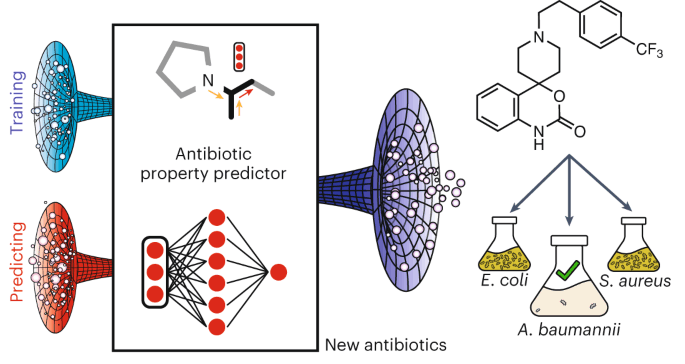
AI plays a crucial role in combating antibiotic resistance by streamlining the research and discovery of new antibiotics. By analyzing vast datasets, AI can identify chemical structures that effectively penetrate and survive within harmful Gram-negative bacteria, helping to develop effective treatments against superbugs.
What is the significance of the Fleming Initiative in the fight against antibiotic-resistant superbugs?
The Fleming Initiative is significant as it represents a major collaboration between medical research and the pharmaceutical industry, leveraging AI and a £45 million investment to accelerate the development of novel antibiotics and tackle antibiotic resistance solutions effectively.
What are Gram-negative bacteria and why are they important in antibiotic resistance research?
Gram-negative bacteria, such as E. coli and Klebsiella pneumoniae, are important in antibiotic resistance research due to their unique outer membrane that hinders antibiotic access. Understanding their mechanisms can lead to breakthroughs in developing effective antibiotics through AI-assisted research.
What advancements are being made in superbugs treatment with AI technology?
Advancements in superbugs treatment include the use of AI to predict bacterial evolution and test new antibiotics. AI helps researchers analyze how certain molecules interact with Gram-negative bacteria, leading to optimized antibiotic designs and potential new treatments.
How does the collaboration between AI technology and GSK address the silent pandemic of antibiotic resistance?
The collaboration aims to combat the silent pandemic of antibiotic resistance by investing in AI-driven research to expedite the discovery of new antibiotics, enabling faster responses to emerging threats posed by superbugs and antibiotic-resistant infections.
Can AI help predict how superbugs emerge and spread?
Yes, AI can serve as a predictive tool to understand the emergence and transmission of superbugs, similar to weather forecasting. This capability can improve our preparedness and response strategies against antibiotic resistance.
What impact does antibiotic overuse have on the development of superbugs?
Antibiotic overuse leads to the rapid evolution of bacteria, resulting in antibiotic resistance. As bacteria adapt and evolve, ineffective treatments emerge, making it essential to develop new methods and antibiotics using AI technologies.
What potential does AI hold for treating fungal infections associated with antibiotic resistance?
AI holds significant potential for treating fungal infections, particularly dangerous ones like Aspergillus mold. By understanding these infections better and discovering effective antifungal agents, AI can enhance treatment options for vulnerable populations.
How can real-time data aid AI in the fight against antibiotic-resistant infections?
Real-time data helps AI machine learning models improve their accuracy in predicting effective antibiotic interactions with bacteria. This optimized data-driven approach accelerates the development of treatment options and combats the rise of antibiotic resistance.
What is the future outlook for AI in combating antibiotic resistance?
The future outlook for AI in combating antibiotic resistance is promising, as it continues to transform research methodologies, enhance drug discovery, and provide innovative antibiotic treatments to outpace bacterial evolution and superbugs.
| Key Point | Details |
|---|---|
| AI Initiative | The UK is utilizing AI to combat antibiotic resistance through a partnership between the Fleming Initiative and GSK. |
| Antibiotic Resistance Concern | Drug-resistant infections cause approximately one million deaths globally each year, escalating as a significant health concern. |
| Investment | A £45 million investment focuses on six research areas targeting Gram-negative bacteria like E. coli. |
| Gram-Negative Bacteria Challenge | These bacteria have defense mechanisms that prevent antibiotic penetration, making treatment difficult. |
| AI Learning Process | Data from experiments on chemical structures will be fed into AI to learn which can survive inside Gram-negative bacteria. |
| AI as a Predictive Tool | AI will also help understand how superbugs emerge and how to prevent fungal infections. |
| Future of Antibiotics | Success in securing effective antibiotics could regain the upper hand against bacterial evolution. |
Summary
AI in combating antibiotic resistance is an essential initiative aimed at addressing the growing threat posed by drug-resistant infections. The UK’s strategic collaboration notably seeks to innovate antibiotic research, utilizing advanced AI to accelerate the discovery of new treatments and methods for resistance management. By investing significantly into understanding complex bacterial mechanisms and leveraging sophisticated data analysis, the initiative hopes to reverse the alarming trend of escalating antibiotic resistance and safeguard public health.