Listen to this article
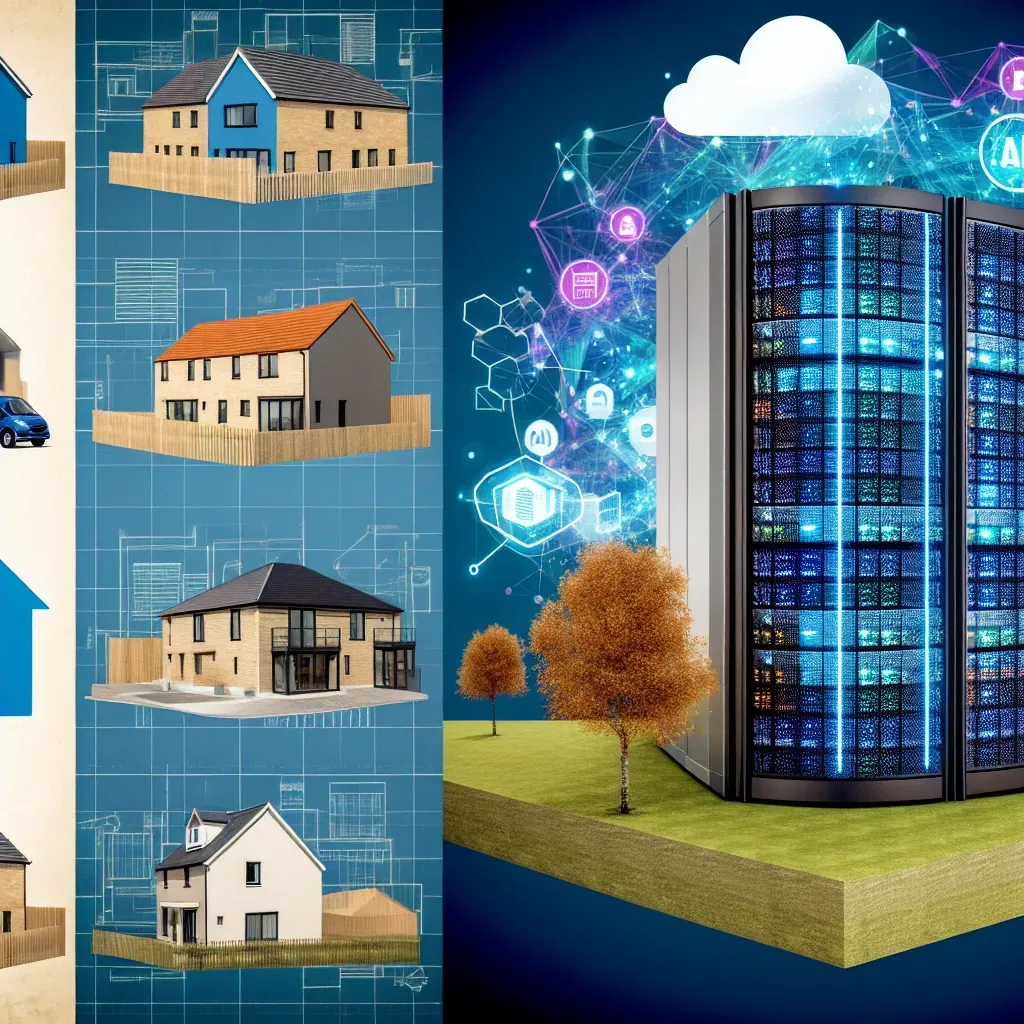
AI Data Centers are rapidly reshaping the landscape of electricity consumption in the UK, prompting urgent discussions among policymakers and builders alike. As the demand for advanced computing power grows, these energy-intensive facilities are vying for priority access to the electricity grid, a move that raises concerns about the ongoing housing crisis in the UK. With an estimated 140 data centers currently awaiting new connections, the strain on energy resources is palpable, particularly as new housing projects struggle to secure necessary resources. Builders argue that prioritizing AI infrastructure over traditional housing developments could effectively create a moratorium on new homes, thus exacerbating an already critical shortage. With significant implications for energy priorities in construction, the decisions made today will not only shape the future of data center demand but also the living conditions of countless families in the UK.
Artificial intelligence processing hubs, commonly known as AI Data Centers, have become a focal point in discussions around energy distribution and urban development. As these digital powerhouses seek immediate access to the electricity grid, the implications for local housing projects and overall energy infrastructure cannot be overlooked. This escalating competition for resources amid a growing demand for digital solutions has ignited debates among construction industry leaders and government agencies. Many are concerned that the prioritization of such facilities may hinder new housing ventures, exacerbating the current housing shortages felt across the UK. In light of these developments, the balance between technological advancement and residential needs remains a pressing concern.
Understanding the Impact of AI Data Centers on Electricity Access
AI data centers represent a critical component of modern digital infrastructure, driving significant demand for electricity. As these facilities become increasingly prevalent, their requests for connections to the electricity grid are soaring. The energy sector is witnessing extraordinary growth, with a staggering increase reported in the queue for electricity supply that has risen by 460% in just the first half of 2025. This proliferation poses a pressing challenge: how to prioritize electricity access effectively without sidelining other crucial infrastructure, such as new housing projects.
While AI data centers are positioned as potential economic engines, their impact on the electricity grid raises vital questions about energy equity. The Home Builders Federation (HBF) has sounded the alarm over the implications of prioritizing data centers over housing developments, warning that this trend could exacerbate the ongoing housing crisis in the UK. Allocating limited electrical resources to AI infrastructure at the expense of homes could stagnate new housing projects, ultimately affecting countless families in search of affordable accommodation.
Navigating the Housing Crisis Amidst Rising Data Center Demand
The UK is grappling with a severe housing crisis that demands immediate attention. Amidst increasing demands for new housing projects, the government must navigate the complexities of energy priorities in construction. As it currently stands, prioritizing AI data centers for electricity connections may inadvertently block access for residential developments, creating a bottleneck that hampers efforts to alleviate the housing shortage. With housing developers caught in a queue alongside energy-intensive data centers, the urgency for a more balanced approach has never been greater.
As the government moves to prioritize projects predicted to stimulate economic growth, the disconnect between those projects and residential needs remains troubling. Without careful consideration to ensure housing projects receive timely electricity connections, the potential for a moratorium on new homes could become a reality. This could pose significant long-term consequences not just for families seeking places to live but also for overall community development and economic stability within regions already under strain.
Balancing Energy Demands: Data Centers vs. Housing Developers
The dilemma facing builders stems from the prioritization of AI data centers over essential residential housing projects. With AI data centers designated as critical national infrastructure, they have an inherent advantage in gaining electricity access. Meanwhile, home builders express frustration that their projects may face delays, further exacerbating the ongoing housing crisis. The lack of electricity grid access could derail new housing developments, leaving prospective homeowners in limbo.
In recognizing the importance of both economic growth through data centers and the dire need for housing, the government must adopt a more integrated approach that considers the broader implications of energy allocation. Balancing the energy demands of growing AI data centers alongside the necessity of housing can pave the way for a strategic framework that not only addresses current demands but also ensures a sustainable future. Solutions may involve revising energy policies that favor equitable access for all types of infrastructure, including essential housing.
Future-Proofing the Grid: Energy Strategies for AI and Housing
As the demand for AI data centers rises, future-proofing the electricity grid becomes paramount. The proposals to prioritize projects based on their economic impact could streamline the process for electricity connections. However, this focus on immediate economic growth must not come at the cost of essential infrastructure like housing. Creating strategies that account for both AI investments and residential needs is vital for sustainable development.
To effectively manage energy priorities, the government should consider innovative solutions such as smart grid technology, which could optimize electricity distribution among competing interests. Investing in renewable energy sources could also play a significant role in expanding capacity without sacrificing access for critical housing projects. By implementing forward-thinking energy strategies, the goal of fostering both AI-driven economic development and an adequate housing supply can be achieved.
The Role of Government in Shaping Energy and Housing Policies
Government policies play an instrumental role in determining the future landscape of both energy access and housing availability. The current proposals that favor AI data centers for priority grid access bring forth a critical examination of how such decisions align with public needs. With the continued pressures of a housing crisis, it is essential for policymakers to evaluate not only the short-term economic benefits of prioritizing data centers but also the long-term implications for community development and affordable housing access.
Addressing the housing crisis effectively hinges on the government’s ability to create a balanced regulatory framework that recognizes housing as an essential infrastructure. The consultation on permitting prioritization for “strategically important” projects needs to account for residential developments, ensuring that local communities can thrive while simultaneously supporting innovative sectors like AI. A comprehensive approach that considers all stakeholders, from data center executives to housing developers, will provide a pathway to equitable solutions.
Speculative Projects and Long-term Energy Needs
In the current environment, speculative projects have muddied the waters for genuine housing and infrastructure investments. As highlighted by Ofgem, many projects in the queue for electricity supply lack sufficient financing or proper planning permission, raising concerns about their viability. This situation complicates the allocation of resources, as real housing needs and economically beneficial projects could be delayed or denied connection due to speculative entries in the queue.
It is essential to differentiate between speculative data center projects and legitimate housing developments in energy allocation processes. By establishing clear criteria based on viability and community impact, policymakers can prioritize real needs over speculative ambitions. Doing so would not only enhance the electricity grid’s reliability but would also ensure meaningful progress in addressing housing shortages across the UK.
The Economic Argument for Housing Over Data Centers
Advocates for prioritizing housing developments often emphasize the broader economic benefits of increased residential access. The argument rests on the premise that providing quality, affordable housing supports local economies, encourages workforce stability, and fosters community growth. In contrast, while AI data centers may promise job creation, the immediate economic impact of new homes often leads to a more localized upturn, impacting employment across various sectors.
Furthermore, housing serves as a catalyst for community investment. When families have access to affordable homes, they are more likely to contribute to the local economy through spending on goods, services, and education. Balancing these economic realities against the allure of rapid technological growth presented by data centers is crucial for sustainable community planning. A shift towards prioritizing housing as a foundational element of economic strategy would benefit not only individuals and families but the UK economy as a whole.
Community Concerns Over Data Center Expansion
As the expansion of AI data centers continues, community concerns about their presence and energy consumption must be addressed. Residents often express anxieties regarding environmental impacts, electricity allocation, and noise pollution associated with sprawling data centers. The perception of these facilities as energy hogs contrasts sharply with the urgent need for housing, underscoring the conflicts that arise when prioritizing digital infrastructure over residential needs.
It is essential for communities to have a voice in discussions surrounding the establishment of data centers, particularly in how they affect local resources. Engaging the public in the decision-making process can foster greater understanding and cooperation. Policymakers and developers alike must recognize community interests and work towards solutions that mitigate the perceived negative impacts while emphasizing the need for balanced energy policies that support both AI advancements and essential housing needs.
Innovation and Planning for Future Housing Developments
Innovation in planning is crucial for addressing the housing crisis in the age of AI. As new technologies emerge, integrating these advancements into housing projects can lead to more energy-efficient designs and reduce overall electricity consumption. By utilizing smart technologies and sustainable building practices, new housing developments can offset some of the energy demands associated with AI data centers, providing a more harmonious balance between energy production and consumption.
Developers must embrace innovative designs that not only meet current housing needs but also position future projects as leaders in energy efficiency. The government can support these efforts through incentives for energy-conscious design and construction practices, encouraging a new wave of housing that complements the digital infrastructure demands of AI data centers. In doing so, the UK can move towards a future where both technological and residential needs are met with forward-thinking strategies.
Frequently Asked Questions
How do AI data centers impact the electricity grid access in the UK?
AI data centers contribute significantly to the increased demand for electricity grid access in the UK. Currently, there are around 140 data centers awaiting new electricity connections, and as their energy requirements grow, they compete with other projects, such as housing developments, for priority access to the grid.
What are the implications of prioritizing AI data centers over new housing projects?
Prioritizing AI data centers for electricity connections could hinder new housing projects, as the Home Builders Federation warns that this could create a ‘moratorium’ on new homes. The demand from data centers often overshadows the pressing need for affordable housing amidst the current housing crisis in the UK.
What role do AI data centers play in the rising demand for data centers in the UK?
AI data centers are central to the rising demand for data center capacity in the UK. Their power-hungry operations have led to an unprecedented 460% increase in connection requests in just the first half of 2025, which highlights the urgency for new data center developments and their implications for energy priorities.
How might new government proposals affect AI data centers and housing construction?
The UK government proposals aim to prioritize AI data centers for electricity grid access due to their potential for economic growth and job creation. While this may expedite data center projects, it risks delaying housing construction, exacerbating the housing crisis by diverting essential resources away from new housing projects.
What are the energy priorities in construction related to AI data centers?
Energy priorities in construction are shifting as AI data centers are classified as critical national infrastructure. This designation allows them to bypass many obstacles that slow down housing projects, which raises concerns that energy-efficient homes may be overlooked in favor of energy-intensive data centers.
What are the potential economic impacts of prioritizing AI data centers?
While prioritizing AI data centers for grid access can spur job creation and economic growth, it may also lead to detrimental effects on housing availability. This duality reflects the need for balanced energy and economic strategies that address both technological progress and the housing crisis.
How does the housing crisis in the UK relate to the rise of AI data centers?
The housing crisis in the UK is exacerbated by the prioritization of AI data centers in electricity grid access. As AI-driven demand for energy increases, essential housing projects may be stalled, highlighting the urgent need for a balanced approach that addresses both housing and data center energy demands.
What actions can be taken to balance AI data center demand with housing needs?
To balance the energy demands of AI data centers with housing needs, policymakers could consider new frameworks that ensure equitable access to electricity for both sectors. Initiatives could include setting specific quotas for housing developments and fostering collaboration between energy regulators and housing developers.
| Key Point | Details |
|---|---|
| Electricity Connection Queue | Approximately 140 data centers are awaiting connections in the UK, with a significant increase in demand. |
| Government Proposals | Proposals aim to prioritize AI data centers for electricity connections to support economic growth. |
| Impact on Housing | The Home Builders Federation warns that prioritizing data centers could halt new housing developments. |
| Future of Energy Demand | The energy regulator Ofgem indicates that demand from AI data centers may exceed previous forecasts. |
| HBF Concerns | The HBF argues that energy-efficient homes should be prioritized over energy-intensive data centers. |
| Economic Factors | Projects promising economic growth may bypass the electricity connection queue. |
Summary
AI Data Centers are becoming a focal point in discussions about electricity supply in the UK, with proposed governmental policies potentially prioritizing them over critical housing developments. The surge in energy demand driven by AI data centers poses a significant challenge; the Home Builders Federation argues this could lead to a housing crisis by blocking new home constructions. As the government navigates the balance between promoting technological advancements and ensuring the availability of affordable housing, it remains essential to consider the wider implications of prioritizing AI data centers in future planning.