Listen to this article
The Afghanistan Pakistan conflict has intensified recently, highlighted by significant military actions at their shared border. Following a bold Taliban offensive Pakistan, the Afghan military reportedly launched strikes against Pakistani posts, dramatically escalating the already fraught relations. This move was met with swift retaliation from Pakistan, which initiated bombing raids targeting key locations in Afghanistan, including the capital, Kabul. With both nations accusing one another of provoking the conflict, the ongoing Afghanistan Pakistan border tension threatens to spiral into a broader confrontation. As the situation develops, the repercussions of this violence are felt not just within their borders but also raise concerns for regional stability and international intervention.
The recent hostilities between Afghanistan and Pakistan have sparked a renewed focus on the historical and geopolitical complexities of their relationship. This ongoing strife, often characterized by military strikes and retaliatory bombings, reflects deep-rooted tensions that have plagued their interactions for decades. As both nations grapple with accusations of harboring insurgent groups, the calls for a Taliban Pakistan ceasefire have become more pronounced amid the turmoil. Each side perceives the other’s actions as aggressive, leading to cycles of violence that risk destabilizing the entire region. Understanding these dynamics is critical to comprehending the broader implications for security and diplomatic efforts in South Asia.
Escalating Tensions: The Afghanistan-Pakistan Conflict
The Afghanistan-Pakistan conflict has reached a new level of intensity as the Taliban government of Afghanistan launched a major offensive against Pakistani military posts near the border. This aggressive stance follows a lengthy period of relative ceasefire after previous hostilities. The recent escalation saw Pakistan retaliate with airstrikes across key cities and provinces in Afghanistan, a response indicating that both nations are preparing to enter a new phase of conflict. Such developments signal a worrying trend of increased militarization along the 2,600-kilometer border, raising alarms about the humanitarian implications for civilians trapped in the crossfire.
Adding complexity to this volatile situation is the role of external influences and the historical context of conflict between these two neighboring countries. The focus on Pakistani military installations marks a shift from previous engagements, as analysts suggest it signifies a targeting of the Taliban’s government infrastructure rather than just isolated militant groups. The Afghan Taliban’s recent declarations and Pakistan’s counteractions underscore the fragility of the truce established in recent years, echoing concerns over regional stability and the broader implications for international diplomacy in South Asia.
Consequences of Military Actions: Civilian Impact
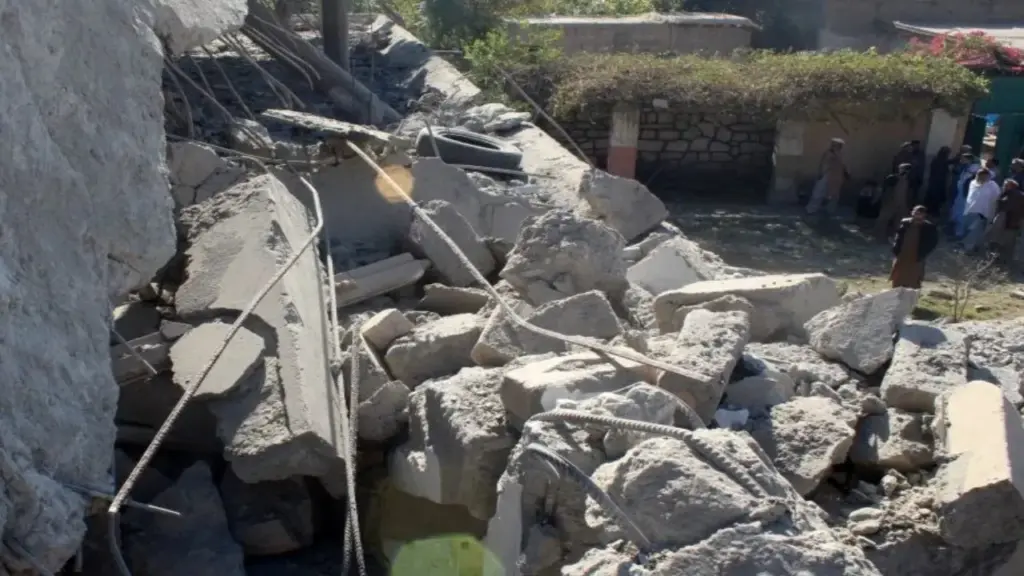
Both nations have reported significant casualties as a direct result of the escalated military actions. In Pakistan, the loss of twelve soldiers combined with numerous injuries demonstrates the increasing dangers faced by military personnel made vulnerable by the ongoing conflict. Conversely, reports from Afghanistan indicate a heavy toll on civilian life, with devastating accounts of families caught in the violence, including tragic occurrences where homes and schools were struck. The bombings, primarily executed by aerial strikes, exacerbate existing humanitarian crises in the region, drawing condemnation from both local and international observers.
The civilian impact reflects a grim reality where conflicts primarily between state military entities inevitably spill over into the lives of innocent people. Many families have been displaced, and the injuries reported underscore the urgent need for humanitarian assistance coupled with active diplomatic negotiations. With both governments urging for escalated military responses rather than prioritizing civilian safety, calls for immediate ceasefire and mediation have become increasingly louder from various international entities, highlighting the necessity of taking decisive steps to protect vulnerable populations.
The Role of International Mediation in Afghanistan-Pakistan Relations
In light of the recent military operations, the call for international mediation has grown louder, with countries like Iran and China stepping in to advocate for peace and dialogue. Iran’s offer to mediate during Ramadan emphasizes the cultural and religious significance of restraint and solidarity among Islamic nations. Such initiatives could provide an essential pathway for de-escalating tensions, fostering a climate where both parties can come to the negotiating table without the shadow of military aggression looming large. Engaging neutral third parties may pave the way for addressing underlying grievances that fuel the Afghanistan-Pakistan conflict.
Additionally, the role of international coalitions and regional stakeholders has become focal in aimed initiatives to stabilize the region. Constructive dialogue initiated by stakeholders like the United Nations and neighboring nations can facilitate the emergence of a roadmap to peace, allowing both Pakistan and Afghanistan to address security concerns collaboratively while minimizing civilian casualties. As stakeholders prioritize dialogue over warfare, it becomes imperative to adopt diplomatic strategies that build trust and ensure that armed conflicts do not overshadow the humanitarian needs of the terrain caught in a perpetual state of strife.
Historical Context of the Afghanistan-Pakistan Conflict
Understanding the Afghanistan-Pakistan conflict necessitates a deep dive into the historical relationships and pivotal events that have shaped both countries’ mutual perceptions. Previously characterized by various political upheavals and interferences, including the Soviet invasion and post-9/11 dynamics, both nations have been trapped in a cycle of distrust and blame. The Taliban’s resurgence and shifts in power in Afghanistan have been perceived by Pakistan as threats to its stability, resulting in Pakistan’s stringent military posturing against alleged sanctuaries utilized by anti-Pakistani forces within Afghan territory.
Moreover, the complexities of militant group affiliations on both sides further entrench these historic grievances. Militant factions within Afghanistan often operate with varying degrees of autonomy and allegiance, complicating how either country addresses these security issues. Consequently, any simplistic understanding of the ongoing conflicts must account for these nuances; only through comprehending the historical undercurrents can any sustainable solutions emerge, steering both nations towards a more peaceful coexistence.
Future of Afghanistan-Pakistan Relations: Prospects for Peace
The future of Afghanistan-Pakistan relations remains uncertain as both nations navigate through heightened hostilities and competing narratives. The return of the Taliban to power has altered the geopolitical landscape, leading many to speculate on the feasibility of a lasting peace. To move forward, both sides must engage in sincere dialogue that prioritizes mutual accord and understanding, particularly on issues surrounding border security and counter-terrorism strategies. As military engagements escalate, the potential for a more profound conflict looms, necessitating a reevaluation of strategies that have historically failed to foster sustainable peace.
Experts often emphasize that without addressing the root causes of conflict, including the persistent accusations of cross-border terrorism and the territorial disputes, further escalation is inevitable. Engaging in constructive dialogues, supported by international mediation, may provide a viable path toward resolution. The knowledge of past mistakes can guide both nations in recognizing the importance of negotiations, refraining from military actions that could irreparably damage their land and people, hence steering the narrative towards reconciliation rather than continued confrontation.
The Implications of Drone Warfare in Afghanistan-Pakistan Conflict
The use of drone technology in the Afghanistan-Pakistan conflict reflects a significant shift in military strategy, indicating a trend towards precision strikes that target specific military installations. The Taliban’s recent claims of utilizing drones for their offensive actions against Pakistan are particularly telling, as they reveal both the advantage and the risks posed by this form of warfare. On one hand, drones can minimize civilian casualties by enhancing targeting capabilities; on the other hand, they increase the potential for escalation if both parties begin to perceive drone strikes as acts of war rather than measured responses.
Drones have introduced a new dynamic to an already complex conflict. As militaries adapt their strategies to incorporate emerging technologies, the very nature of engagement between Afghanistan and Pakistan is altered, often escalating tensions. Moving forward, it becomes crucial for both nations to establish clear frameworks governing the use of drone technology in conflict, ensuring that such tools do not lead to heightened aggression or alienation of the civilian populace, but instead contribute to a more structured approach to conflict resolution.
Civilian Safety in Military Conflict Zones: Afghanistan-Pakistan Border
Amid escalating military confrontations along the Afghanistan-Pakistan border, the protection of civilian lives must become a priority. The realities of war introduce a perpetual risk to those residing close to conflict zones, where borders become battlegrounds. Measures need to be adopted that actively shield civilians from the repercussions of military operations, ensuring that towns, schools, and homes are not collateral damage in broader national security efforts. Awareness campaigns and bomb shelter initiatives can also serve to protect vulnerable populations amidst ongoing turbulence.
International humanitarian laws demand that all combating parties take feasible precautions to avoid civilian harm, and this obligation is particularly pressing in the Afghanistan-Pakistan conflict. Abiding by these principles requires a conscious effort to de-escalate hostilities, establish humanitarian corridors in times of open conflict, and favor diplomatic engagement over militaristic responses when it comes to addressing underlying tensions. By prioritizing civilian safety, both nations can work towards laying the foundations of peace that benefit not only their respective governments but also their civilian populations caught in the turmoil.
The International Community’s Role in Stabilizing Afghanistan-Pakistan Relations
The international community must acknowledge its pivotal role in mediating and stabilizing relations between Afghanistan and Pakistan as tensions persist. Global actors like the United Nations and regional allies hold the potential to influence both governments towards peaceful negotiations. Diplomatic intervention has historically played a role in conflict resolution; thus, a concerted global effort might help broker a ceasefire and encourage dialogue aimed at addressing underlying issues fueling the hostilities. Having trustworthy mediators can also bolster the legitimacy of the peace process, thereby increasing the chances of success.
Moreover, sustained international engagement can motivate structural changes within both nations, encouraging reforms that address grievances regarding border management and anti-terrorism strategies. Economic incentives linked to peaceful relations could also be introduced, where stability might attract foreign investments critical for developmental growth. Ultimately, by pooling resources and expertise towards a collaborative approach, the international community may guide Afghanistan and Pakistan towards constructive interactions that transcend ongoing conflicts and foster long-term peace.
Frequently Asked Questions
What led to the recent escalation in the Afghanistan Pakistan conflict?
The recent escalation in the Afghanistan Pakistan conflict was triggered by the Afghan Taliban’s announcement of a major offensive against Pakistani military posts, which prompted Pakistan to carry out bombing attacks in response. This marked a significant increase in border tensions following previous ceasefire agreements.
How did the Taliban offensive in Pakistan affect civilian safety?
The Taliban offensive in Pakistan raised concerns about civilian safety, especially after reports of drone strikes impacting areas near military and civilian locations. Claims of casualties, including Afghan civilians, have been reported, leading to calls for de-escalation to protect innocent lives.
What are the implications of Pakistan bombing Afghanistan?
Pakistan bombing Afghanistan has serious implications for the ongoing Afghanistan Pakistan conflict, potentially exacerbating tensions and destabilizing the region. Such military actions could lead to more retaliatory strikes and further humanitarian issues along the border.
What factors contributed to the Afghanistan Pakistan border tension?
Factors contributing to Afghanistan Pakistan border tension include accusations from Pakistan regarding the Taliban’s support for anti-Pakistan terrorist groups, as well as the Taliban’s denial and claims of unprovoked attacks by Pakistan. These complex dynamics fuel ongoing hostilities.
Is there a ceasefire agreement in place between Afghanistan and Pakistan?
Although a ceasefire agreement was reached last October between Afghanistan and Pakistan, the recent violations, including the Taliban offensive and subsequent military responses, indicate a breakdown of this agreement, pushing both sides into renewed conflict.
What role do international actors play in the Afghanistan Pakistan conflict?
International actors, including the UN and countries like Iran and China, are advocating for dialogue and a ceasefire amid the Afghanistan Pakistan conflict. These countries emphasize the need for restraint and resolution through diplomatic means.
What military capabilities does the Taliban possess that impact the conflict with Pakistan?
The Taliban possesses drones equipped with improvised explosives that have been reportedly used in strikes against Pakistani military targets. This marks a new development in the conflict, showcasing their capability to launch attacks deeper into Pakistan.
How do military actions affect the peace process between Afghanistan and Pakistan?
Military actions such as bombings and offensives severely undermine the fragile peace process between Afghanistan and Pakistan. Each side’s retaliatory strikes escalate the conflict, making diplomatic negotiations more challenging and jeopardizing stability in the region.
What statements have been made by leaders regarding the Afghanistan Pakistan conflict?
Leaders from both sides have made strong statements regarding the Afghanistan Pakistan conflict, with Pakistan’s Prime Minister declaring an ‘open war’ against the Taliban and Afghan officials asserting their right to retaliate. This rhetoric heightens tensions and complicates potential diplomatic resolutions.
What potential consequences arise from the ongoing conflict between Afghanistan and Pakistan?
The ongoing conflict between Afghanistan and Pakistan could lead to increased military engagements, further civilian casualties, and a humanitarian crisis. The destabilization of the region may also affect international relations and security dynamics in South Asia.
| Key Event | Details | Implications | Responses |
|---|---|---|---|
| Taliban Offensive | Taliban launched an offensive against Pakistani military posts near the border on February 26, 2023. | Heightened conflict raises concerns of a broader war and destabilization in the region. | Pakistan’s Prime Minister stated that they would crush the aggression; calls for international mediation. |
| Pakistan Bombing | In response, Pakistan conducted bombing raids on Afghan targets in Kabul, Kandahar, and Paktika. | Increase in civilian casualties and destruction raises humanitarian concerns. | UN and Iran called for de-escalation and dialogue between both nations. |
| Casualties Report | Significant casualties reported on both sides, with claims contrasting between the Taliban and Pakistan. | Could lead to retaliatory strikes and a possible escalation of military engagement. | Both sides accused each other of initiating the attacks, complicating peace efforts. |
| International Call for Restraint | Countries like China and Iran are pushing for a ceasefire and dialogue. | Failure to heed international calls may exacerbate the conflict. | Global outcry but limited influence from major powers on the tensions. |
Summary
The Afghanistan Pakistan conflict has escalated significantly following recent military actions by both the Afghan Taliban and Pakistan. The Taliban’s offensive against Pakistani military posts and the subsequent bombing by Pakistan represent a dangerous escalation in hostilities. This cycle of retaliation shows that both nations are entrenched in a conflict that has deep-rooted issues, and unless diplomatic efforts are intensified, the situation may lead to broader regional instability.