
Listen to this article
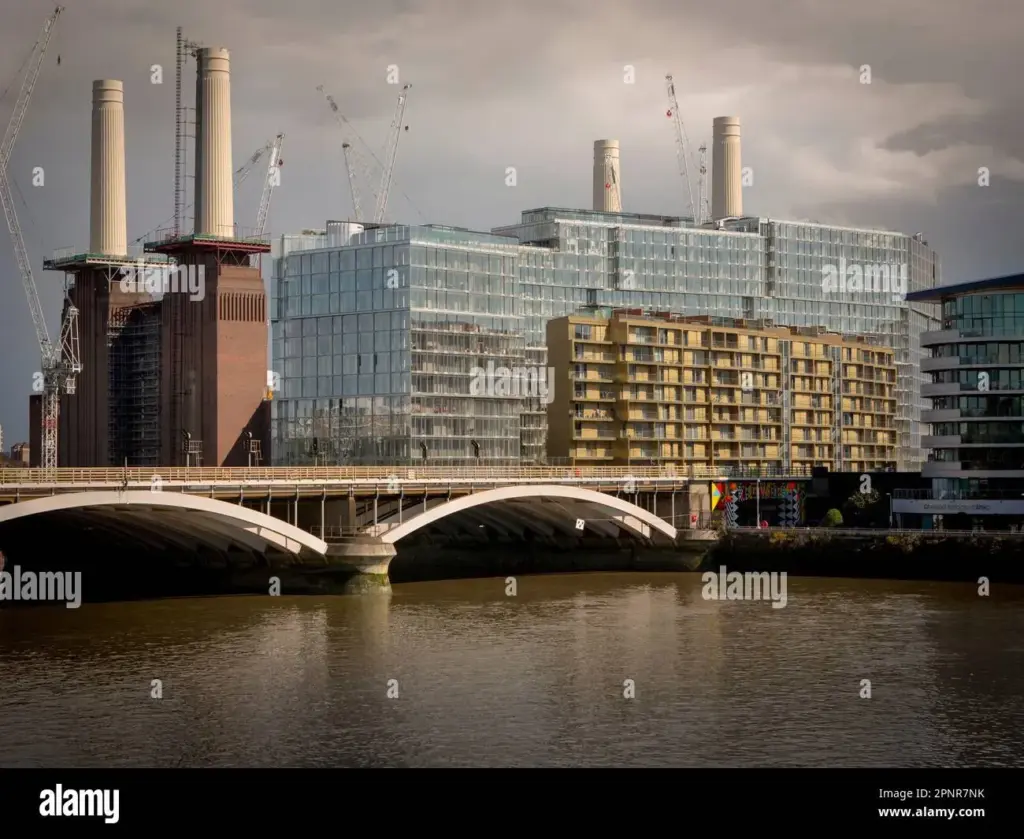
Affordable housing at Battersea Power Station is set to transform the landscape of this iconic landmark as over 200 new council homes are slated for construction by 2029. This ambitious £9 billion regeneration project, driven by an agreement between Wandsworth Council and the Battersea Power Station Development Company, aims to significantly enhance the availability of affordable homes in London. With a drastic demand for social housing across the UK, and Wandsworth’s waiting list exceeding 11,000 entries, these new residences are anticipated to provide vital relief for families in need. Residents are hopeful that this initiative, part of the broader Homes for Wandsworth plan, will not only increase access to housing but also foster greater social integration within the community. In a time when affordable housing is crucial, developments around Battersea Power Station signal a proactive step towards addressing the pressing housing crisis in the UK.
The regeneration surrounding Battersea Power Station is bringing significant changes to the local housing market, especially with the introduction of budget-friendly living spaces. With plans for new council homes in Wandsworth, this initiative aims to create more societal equilibrium by offering diverse housing options for residents. The ongoing construction driven by the collaboration of local councils and private developers underscores the necessity of affordable living solutions in London. As urban development continues to thrive, these efforts are crucial for alleviating the pressures on social housing in the region. By focusing on affordable homes, the project not only aims to meet current housing demands but is also poised to contribute to a more inclusive community.
The Impact of Affordable Housing at Battersea Power Station
The planned construction of over 200 council homes near the iconic Battersea Power Station marks a significant milestone in the ongoing £9 billion regeneration of this historic site. The initiative not only focuses on the physical transformation of the area but also addresses critical social issues by providing affordable housing options in a high-demand urban environment. With council homes set to be delivered by 2029, the project reflects a strategic effort to cater to families and individuals currently facing housing challenges in Wandsworth, where the waiting list for council homes has reached staggering numbers.
These affordable housing developments near Battersea Power Station are pivotal for mitigating the rising demand for social housing across the UK. The new homes will come as a relief to many on the Wandsworth Council housing waiting list, which includes a significant number of homeless families. By increasing the percentage of affordable homes in the area to 15%, the initiative aligns with Wandsworth Council’s broader commitment to enhancing living standards and fostering community integration, highlighting the importance of joint efforts between local councils and development firms.
Wandsworth Council’s Initiative for Affordable Homes
The Homes for Wandsworth initiative launched by the local council signifies a proactive approach towards addressing the housing crisis in London. This plan, which aims to deliver 1,000 new council homes by 2029, prioritizes the needs of local residents and seeks to enhance housing accessibility throughout the borough. By partnering with the Battersea Power Station Development Company, the council not only promotes the construction of more affordable units but also ensures that these developments are integrated into the community’s vision for growth and sustainability.
Wandsworth Council’s determination to improve social housing in the area is underscored by the recent agreement to increase affordable homes in the Battersea Power Station regeneration project. This collaboration signifies a turning point for Wandsworth, where the local government has advocated for more comprehensive development plans that prioritize affordable and social housing. The initiative aims to create a balanced and thriving community that respects the needs of all residents, particularly those who are often overlooked in urban redevelopment projects.
The Regeneration of Battersea Power Station: A Model for Future Developments
The redevelopment of Battersea Power Station has become a blueprint for ambitious urban regeneration projects in the UK. Tackling the challenges of affordable housing in today’s market, the ongoing efforts showcase how historical sites can be revitalized while prioritizing community needs. By incorporating plans for nearly 400 units of affordable housing in the development, Wandsworth Council is setting a crucial precedent for similar future projects, showing that mixed-income developments can coexist with luxury housing in vibrant urban settings.
This regeneration not only promises to deliver homes but also aims to create new cultural and recreational spaces that will enhance the quality of life for residents. The focus on social cohesion and community engagement within the development plans is indicative of a shift towards a more inclusive approach to urban planning. As Battersea Power Station evolves into a lively district with diverse housing options, it serves as an inspiring model for other councils grappling with similar issues across London and beyond.
Social Housing Initiatives in Wandsworth: A Long-term Strategy
Recognizing the urgent need for social housing, Wandsworth Council’s long-term strategy aims to address the critical shortage of affordable homes across the borough. With the peak waitlist numbers reflecting the intense housing crisis, the council’s initiatives like the partnership with Battersea Power Station Development Company show a commitment to taking actionable steps. Their plans not only include building new council homes but also improving the quality of existing social housing, ensuring that disadvantaged groups receive the support they need.
These strategic initiatives are designed not only to boost the number of available homes but also to foster social integration within the community. By prioritizing social housing developments, Wandsworth Council aims to create stronger, more resilient neighborhoods where residents can thrive. Enhancing accessibility to affordable housing will ultimately help transform Wandsworth into a more inclusive borough, ensuring all residents enjoy the benefits of stable and secure housing.
The Future of Council Homes in London
Looking ahead, the future of council homes in London is evolving amidst the challenges of urban development and housing affordability. With initiatives such as the Wandsworth Council’s plan to expand the availability of council homes, there is optimism about meeting the growing demand. By increasing the share of affordable housing in prominent projects like the Battersea regeneration, the council aims to provide sustainable living solutions for a diverse population.
The importance of this expansion cannot be overstated, especially in a city where property prices continue to soar. Effective council housing initiatives will pave the way for more equitable access to housing, catering to families and individuals that would otherwise be pushed out of the market. As London evolves, the commitment to integrating council homes within larger developments can help ensure that it remains a city for everyone.
Cultural and Economic Revitalization at Battersea
The regeneration of Battersea Power Station extends beyond housing as it aims to rejuvenate the cultural and economic landscape of the area. Plans for new cultural attractions and workplaces are set to transform the once-industrial site into a vibrant community hub. This revitalization is crucial for attracting new residents and businesses, stimulating local economies, and providing job opportunities that benefit current and future residents.
As these developments unfold, the integration of affordable housing into the broader urban fabric will play a vital role in maintaining community diversity. A thriving local economy supported by cultural and commercial initiatives can significantly enhance the quality of life for residents. Ultimately, the commitment to affordable housing alongside economic revitalization exemplifies a holistic approach to urban development that prioritizes both livability and growth.
Community Integration Through Affordable Housing
One of the essential goals of the Battersea Power Station regeneration is to foster community integration through the provision of affordable housing. By ensuring that diverse housing options are available, the project aims to create an inclusive neighborhood where individuals from various socioeconomic backgrounds can coexist. This focus on integration not only supports social stability but also promotes mutual understanding and collaboration among residents.
Affordable housing plays a critical role in bridging the gaps between different community segments. The inclusion of council homes within the redevelopment plans serves as a catalyst for bringing together families, professionals, and artists alike. As the area continues to evolve, the intentional design and planning of these affordable units are key to establishing a united community that values collaboration and shared experiences among its members.
Challenges and Opportunities in Housing Development
While the ambition to create affordable housing at Battersea Power Station is commendable, it is essential to acknowledge the challenges that come with such large-scale developments. Navigating the complexities of urban planning, financing, and community expectations can slow down progress and affect implementation timelines. Furthermore, meeting the diverse needs of potential residents requires careful consideration and innovative solutions.
However, every challenge presents an opportunity for growth and improvement. Robust dialogue between developers, local councils, and community members can lead to tailored solutions that resonate with local needs. By addressing potential concerns proactively, projects like Battersea Power Station can achieve successful outcomes that not only meet housing demands but also enhance the overall quality of life for residents.
Long-term Benefits of Affordable Housing Initiatives
The long-term benefits of implementing affordable housing initiatives, especially in high-demand areas like Battersea, are profound. Accessibility to affordable housing contributes to economic stability and growth, allowing families to flourish without the burden of steep rents. Additionally, developments that prioritize affordability foster a stronger sense of community, encouraging residents to invest in their neighborhoods.
Moreover, affordable housing serves as a foundation upon which future community initiatives can build. As diverse populations come together, cultural exchanges, social programs, and local businesses flourish, leading to a vibrant and resilient community. Ultimately, the successful integration of affordable housing within regeneration efforts like those at Battersea Power Station exemplifies how thoughtful urban planning can create sustainable, inclusive neighborhoods for generations to come.
Frequently Asked Questions
What is the significance of affordable housing at Battersea Power Station?
The affordable housing component of the Battersea Power Station regeneration is critical in addressing the local housing crisis. Over 200 council homes are set to be built as part of a £9bn development aimed at increasing the supply of affordable homes in London, particularly under the Homes for Wandsworth initiative by Wandsworth Council.
How many affordable homes will be built at Battersea Power Station?
As part of the ongoing regeneration of Battersea Power Station, 203 affordable homes are scheduled for construction by 2029. This addition is expected to increase the affordable housing percentage from 9% to 15% of the total planned 4,000 homes.
Who is developing the affordable housing at Battersea Power Station?
The affordable homes near Battersea Power Station are being developed through a partnership between Wandsworth Council and the Battersea Power Station Development Company (BPSDC). This collaboration aims to enhance the provision of council homes Wandsworth significantly.
How does the Battersea Power Station regeneration address social housing needs?
The Battersea Power Station regeneration initiative directly targets social housing needs by planning the construction of 203 council homes, which will help alleviate the high demand for affordable housing in the area, especially for the 3,771 homeless households on Wandsworth’s waiting list.
When is the final decision on the planning application for affordable housing at Battersea Power Station expected?
The final decision on the planning application for the new affordable housing at Battersea Power Station is expected from Wandsworth Council in March. Approval would allow the 203 council homes to be constructed as part of the broader regeneration efforts.
What is the Homes for Wandsworth initiative related to Battersea Power Station?
The Homes for Wandsworth initiative is a Wandsworth Council program aimed at delivering 1,000 new council homes across the borough by 2029, with the affordable housing developments at Battersea Power Station playing a significant role in meeting these goals.
Why did Wandsworth Council criticize previous plans for affordable housing at Battersea Power Station?
Wandsworth Council previously criticized the redevelopment plans for Battersea Power Station because they included only a minimal provision of 386 affordable homes, which was insufficient given the local demand for social housing. The new agreement significantly increases this figure.
What impact will the new council homes have on local families?
The new council homes near Battersea Power Station are expected to provide much-needed housing for local families, helping to reduce the number of people on the waiting list for council homes and improving social integration within the community.
How does the regeneration of Battersea Power Station relate to affordable housing in London?
The regeneration of Battersea Power Station is one of the key initiatives to expand the availability of affordable housing in London. It not only aims to deliver more council homes but also to create a vibrant community with a mix of housing types, cultural attractions, and employment opportunities.
What are some features of the affordable homes being built at Battersea Power Station?
The affordable homes being built at Battersea Power Station are designed to be high-quality residences that promote social integration and inclusivity, addressing the pressing need for affordable housing in the area while supporting the broader goals of the local council.
| Key Point | Details |
|---|---|
| Location | Next to Battersea Power Station, within a 42-acre site in south-west London |
| Number of Homes | 203 council homes are set to be built |
| Regeneration Cost | Part of a £9bn regeneration plan for the area |
| Planning Application | Submitted, with a decision expected in March |
| Current Housing Need | Council’s waiting list includes over 11,183 entries, 3,771 of which are homeless households |
| Affordable Housing Percentage | Proposed increase to 15% of homes being affordable if approved |
| Council Initiative | Part of the Homes for Wandsworth initiative to deliver 1,000 new council homes by 2029 |
| Existing Redevelopment Progress | Over 2,200 homes have already been completed as part of the broader redevelopment |
Summary
Affordable housing Battersea Power Station is a crucial development that aims to address the pressing need for social housing in the area. The construction of 203 new council homes, scheduled for completion by 2029, represents a significant step forward in the £9bn regeneration of Battersea Power Station. This initiative, developed in collaboration between Wandsworth Council and Battersea Power Station Development Company, seeks to enhance the community by increasing the percentage of affordable housing available. With the current waiting list exceeding 11,183 households, including many experiencing homelessness, these new homes are set to provide essential support for families in need. The commitment to deliver high-quality homes aligns with broader goals of social integration and community development, marking a positive shift in housing policy for the borough.