Listen to this article
Activism in athletics has emerged as a vital movement, reshaping how we perceive the role of sports in societal change. Athletes today are not just competitors; they are powerful advocates for social justice, tackling issues like racial inequality, gender disparities, and mental health awareness. This shift towards activism in athletics reflects a broader cultural awakening, where sports intertwine with pressing social issues, prompting both athletes and fans to engage in dialogues about injustice. From Colin Kaepernick’s kneeling during the national anthem to the U.S. Women’s National Soccer Team demanding equal pay, the realm of sports activism is witnessing a transformative era. The ripple effects of these courageous acts underscore the immense potential for athletes to inspire change, embodying the very essence of resistance against injustice in athletics.
The dialogue surrounding social responsibility within sports has gained momentum, often referred to as athlete advocacy or sports activism. This contemporary movement highlights how professional sports figures are using their status to address various societal themes, including racism, gender equality, and mental health. The rise of activism within this domain not only reflects athletes’ personal convictions but also illustrates a collective response to urgent social issues that resonate with diverse audiences. As these individuals engage with their platforms, they foster conversations around social justice in sports, powerfully redefining athletics’ role within society. Through their voices and actions, they forge a path for societal change and challenge the traditional boundaries that separate sports from social advocacy.
The Historic Role of Sports in Social Justice
Historically, sports have played a critical role in social justice movements, serving as a potent platform for expression and advocacy. Events like the 1968 Olympics illustrate how athletes can transform athletic competitions into stages for social commentary. Tommie Smith and John Carlos’s iconic Black Power salute became a defining moment not just in sports history but in the broader fight for civil rights in America. Their actions highlighted systemic racism and inspired countless athletes to use their visibility for activism, paving the way for future generations.
This legacy continues as more athletes recognize their responsibilities beyond the playing field. The courage displayed at pivotal moments throughout history has shown that sports can address urgent social issues, creating a voice for the voiceless and rallying individuals around a common cause. By advocating against injustice, athletes humanize the issues affecting society and compel fans and communities to engage with social justice initiatives.
Modern Activism in Athletics: A Catalyst for Change
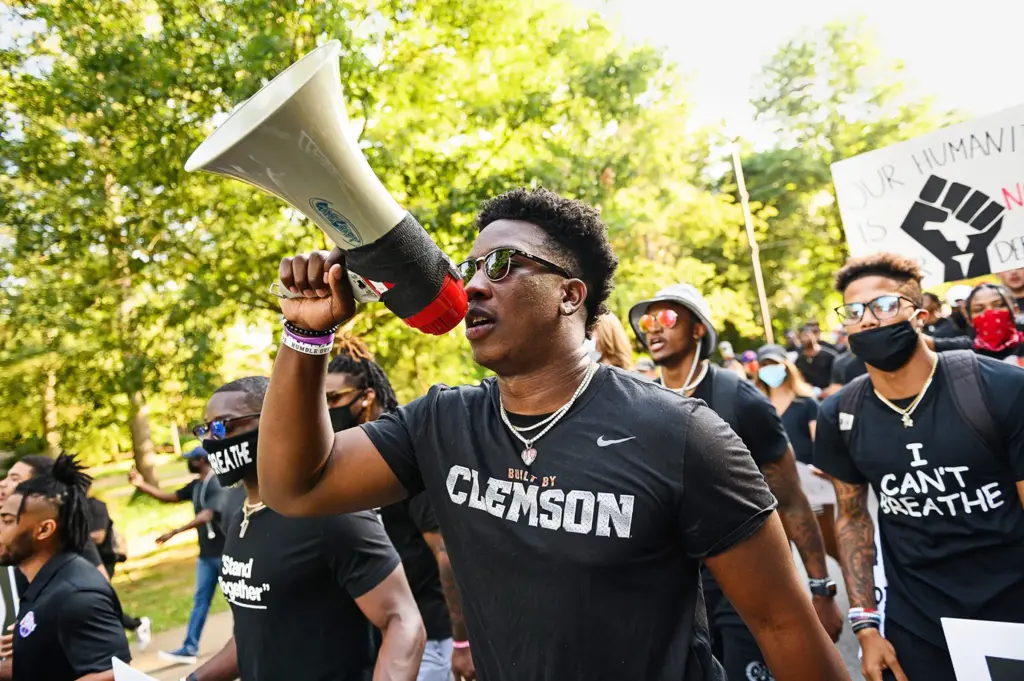
In today’s landscape, activism in athletics has reached new heights, with athletes using their platforms to advocate for a range of social issues, from racial justice to gender equality. Recent protests, such as those following George Floyd’s death, spotlighted how leagues like the NBA responded by endorsing social justice initiatives. Athletes took proactive roles, donning jerseys that carried messages of solidarity and standing against social injustices in real-time, highlighting the urgent nature of these discussions.
Moreover, modern technology has made it easier for athletes to communicate directly with their audiences. Social media platforms give athletes the opportunity to spread awareness and advocate for social justice without limitations imposed by traditional media. This shift reflects a growing understanding among athletes that they hold significant influence and can drive meaningful conversations around critical social issues.
Women in Sports: Gender Equality and Activism
The fight for gender equality in sports has gained heightened visibility, particularly through the efforts of female athletes who champion equal pay and representation. The U.S. Women’s National Soccer Team’s ongoing battle for equitable treatment compared to their male counterparts illustrates this struggle. Their efforts have echoed globally, inspiring discussions about gender equality not only in sports but across various industries.
Moreover, this activism aims to raise awareness of disparities within athletics, creating pathways for future generations of female athletes to thrive in a more just environment. The commitment to gender equity calls for continuous dialogue about fairness, respect, and the acknowledgment of women’s contributions to sports, encouraging young athletes to pursue their ambitions without limitations.
Mental Health Awareness in Athletics: Breaking Stigmas
As mental health becomes a crucial conversation, athletes like Naomi Osaka and Simone Biles have bravely opened up about their struggles. By sharing their experiences, they challenge the stigma surrounding mental health topics in athletics, encouraging peers and fans alike to prioritize psychological wellness. Their advocacy extends beyond personal narratives; it fosters a culture of understanding and support within sports.
The growing emphasis on mental health in sports reflects the understanding that athletes are not superhuman but individuals with vulnerabilities. This recognition has led to increased resources and discussions in sports institutions, promoting mental wellness and providing athletes with essential tools to navigate the pressures of their professions.
The Environmental Responsibility of Athletes
With climate change becoming an undeniable crisis, athletes are increasingly vocal about environmental activism. Initiatives led by prominent athletes, such as LeBron James, highlight the need for sustainability and environmental justice, advocating for actions that benefit both the earth and marginalized communities affected by climate degradation. Athletes are uniting their platforms with pressing global causes, emphasizing the connection between sports and environmental stewardship.
This movement is not merely symbolic; it encourages fans and communities to participate in sustainable practices and raise awareness of issues that go beyond the stadiums. The intersection of environmental activism and athletics presents unique opportunities for collaboration, like ecosystem conservation projects or climate advocacy campaigns, showing that the influence of athletes can extend to urgent global challenges.
The Role of Social Media in Athlete Activism
Social media has revolutionized how athletes engage in activism, facilitating instant communication with audiences across the globe. Platforms like Twitter and Instagram enable athletes to share their thoughts on social justice issues directly, bypassing traditional media filters that might dilute their message. This open dialogue fosters genuine connections with fans and amplifies advocacy efforts, allowing athletes to drive conversations on critical topics.
In the past, athletes like Colin Kaepernick effectively used social media to garner support for their causes, highlighting its role as a tool for social change. The immediacy of social media enables athletes to respond swiftly to current events, engage in dialogues, and mobilize supporters for their initiatives, emphasizing the transformative power of digital platforms in the realm of athlete activism.
Navigating Challenges: The Backlash Against Activism
Despite the positive changes borne out of activism in athletics, athletes often face significant backlash for their positions on social issues. Criticism can stem from fans who support separating politics from sports, leading to polarized communities. This backlash can challenge athletes and create difficult environments for them to navigate as they strive to advocate for change.
Furthermore, athletes risk potential financial repercussions, including sponsorship losses and fan alienation due to their outspoken nature. The example of Kaepernick illustrates the profound effects of backlash, underscoring the bravery it takes for athletes to speak out. Nevertheless, many determine that their commitment to justice far outweighs the risks, steadfast in their belief that advocacy is essential in their roles as public figures.
The Youth Movement: The Future of Athlete Activism
The future of activism in athletics appears promising, driven by a new generation of athletes who prioritize social justice and advocacy within their careers. These young athletes are more attuned to social issues, often supported by their leagues and organizations, signaling a transformational shift in how sports intersect with activism. Educated on the importance of social issues, they carry the torch of advocacy, championing causes that resonate with their values.
Moreover, as public demand for accountability in sports grows, tomorrow’s athletes will likely play an even more significant role in social movements. With increased awareness and support for collaborative efforts between sports figures and social organizations, activism in athletics could fundamentally evolve, reflecting the collective desire for meaningful change.
Ensuring Sports as a Force for Good
As we look to the future, fostering a culture where sports serve as a vehicle for social change remains essential. Ensuring athletes feel empowered to advocate for the causes they believe in requires structured support from leagues, fans, and organizations. This collaborative effort can amplify the voices of those who dare to challenge the status quo.
Recognizing sports as a platform for activism not only aids in social justice efforts but also enriches the athletic culture, cultivating a sense of community that transcends the playing field. By continuing to elevate and support the intersection of sports and social issues, we can inspire a new generation of athletes dedicated to making a difference.
Frequently Asked Questions
What role does activism in athletics play in promoting social justice?
Activism in athletics plays a crucial role in promoting social justice by allowing athletes to leverage their visibility and influence to raise awareness about important social issues. Through their platforms, athletes can engage communities, inspire discussions, and mobilize action against injustices.
How have athletes used their platforms for activism in athletics?
Athletes have used their platforms for activism in athletics by participating in protests, sharing messages on social media, and collaborating with organizations promoting social change. For example, athletes like Colin Kaepernick and Naomi Osaka have raised awareness on racial injustice and mental health, respectively.
What are some historical examples of athletes’ activism in sports?
Historical examples of athletes’ activism include Tommie Smith and John Carlos’s Black Power salute at the 1968 Olympics and Muhammad Ali’s outspoken stance against the Vietnam War. These actions highlighted significant social issues and paved the way for future athlete activism.
How does social media influence activism in athletics?
Social media significantly influences activism in athletics by allowing athletes to communicate their messages directly to their audiences, bypassing traditional media. This immediate interaction fosters genuine conversations about social issues and mobilizes support for various causes.
What challenges do athletes face when engaging in activism in athletics?
Athletes face several challenges when engaging in activism in athletics, including backlash from fans, potential sponsorship losses, and polarized opinions. Despite these challenges, many athletes prioritize their role as advocates for social change over potential repercussions.
How can sports organizations support athletes’ activism in athletics?
Sports organizations can support athletes’ activism in athletics by providing platforms for their voices, encouraging social responsibility, and facilitating partnerships with social justice organizations. This support can foster a culture of advocacy within the sports community.
In what ways do modern athletes address gender equality through sports activism?
Modern athletes address gender equality through sports activism by advocating for equal pay, equitable treatment, and increased visibility for female athletes. The U.S. Women’s National Soccer Team is a notable example, having fought publicly for equal compensation in their sport.
What is the future of activism in athletics?
The future of activism in athletics is likely to see increased engagement from younger athletes who are passionate about social justice. As societal awareness grows, athletes will continue to use their influence for advocacy, further bridging the gap between sports and social change.
How do contemporary athletes demonstrate their commitment to environmental issues through sports activism?
Contemporary athletes demonstrate their commitment to environmental issues through sports activism by advocating for climate action and sustainability. Star athletes like LeBron James actively promote environmental awareness, emphasizing the need for collective efforts to combat climate change.
What impact does athlete activism have on fans and communities?
Athlete activism can have a profound impact on fans and communities by inspiring dialogue about social issues, encouraging civic engagement, and fostering a sense of unity aimed at addressing injustices. This activism can galvanize support for causes that resonate on a broader societal scale.
| Key Points | Details |
|---|---|
| Historical Context | Athletics have historically provided a platform for social change, e.g., Tommie Smith and John Carlos at the 1968 Olympics. |
| Current Movements | Athletes advocate against racial injustice, gender inequality, mental health issues, and climate change. |
| Social Media’s Role | Athletes use social media to spread their messages and engage audiences more directly. |
| Challenges Faced | Activists often face backlash and potential financial repercussions for their activism. |
| Future of Activism | Younger athletes are likely to embrace activism more, pushing for social responsibility in sports. |
Summary
Activism in athletics showcases the powerful role that sports can play in promoting social change. Throughout history, athletes have leveraged their visibility to address critical issues ranging from racial injustice to mental health awareness, influencing public discourse and inspiring future generations. As society continues to evolve, so too will the commitment of athletes to activism, ensuring that sports not only entertain but also serve as a platform for advocacy and positive change.