
Listen to this article
When it comes to iconic landmarks, few cities can compete with London, a metropolis that seamlessly weaves its rich history with modern vitality. From the formidable Tower of London to the regal Buckingham Palace, each attraction is steeped in stories that unfold centuries of British heritage. Attractions like the British Museum and St. Paul’s Cathedral showcase the incredible cultural depth of this city, while the dazzling London Eye offers breathtaking views of its sprawling skyline. Meanwhile, Big Ben stands tall as one of the most recognizable symbols, and Trafalgar Square serves as a vibrant hub of activity. Exploring these iconic landmarks not only enriches your understanding of London but also immerses you in the very essence of British identity.
London’s renowned attractions exhibit a blend of historical significance and architectural splendor that draws millions of visitors each year. The ancient fortifications of the Tower of London and the elegant façade of Buckingham Palace highlight the city’s royal heritage, while cultural institutions like the British Museum reveal the diverse narratives that shape London’s global status. Standout sites, including St. Paul’s Cathedral and the sweeping views from the London Eye, serve as reminders of both the city’s storied past and its contemporary vibrancy. Moreover, spots like Trafalgar Square pulsate with life, offering a glimpse into the daily rhythms of Londoners and tourists alike. Every corner of this remarkable city promises an unforgettable experience steeped in tradition and modernity.
Exploring the Tower of London: A Historic Fortress
The Tower of London is not just a prominent landmark; it is a fortress steeped in history and intrigue. Established by William the Conqueror in 1066, this imposing structure has witnessed the unfolding of many historical events. Its main purpose was to serve as a royal palace and fortress, but its dark history as a prison is equally notable. Entering the Tower is like stepping into a time capsule, where the tales of notorious figures like Anne Boleyn and the secrets of the Crown Jewels await. Visitors can marvel at the stunning architecture of the White Tower and delve into the myths and legends that surround this formidable structure.
Today, the Tower of London stands as a UNESCO World Heritage Site, attracting millions of visitors annually. With guided tours led by the Yeoman Warders, also known as Beefeaters, guests are treated to fascinating anecdotes and insights that bring the Tower’s history vividly to life. Exhibits showcasing the Crown Jewels, including the magnificent Imperial State Crown and the Koh-i-Noor diamond, highlight the Tower’s role as the treasury for the British monarchy. As you walk through its ancient halls, the echoes of history resonate, making it an essential stop for anyone wanting to understand London’s rich and complex past.
A Glimpse Inside Buckingham Palace
Buckingham Palace stands as a grand icon of the British monarchy, symbolizing the heritage and traditions of the United Kingdom. This magnificent royal residence not only serves as the home of the reigning monarch but also as a center for state occasions and royal hospitality. The stunning facade is a sight to behold, especially when the Guards march in their distinctive uniforms during the iconic Changing of the Guard ceremony. This event attracts tourists from around the world and showcases the precision and pomp of the British military.
Visitors to Buckingham Palace can also explore the State Rooms, which are open to the public during the summer months. Each room within the palace is adorned with exquisite art and historical furniture, offering a glimpse into the royal lifestyle. From the grand ballroom to the opulent throne room, each space tells a story of centuries of royal history. A visit to Buckingham Palace is not just about witnessing regal grandeur; it’s an opportunity to understand the cultural significance of the British monarchy and its role in shaping modern Britain.
Big Ben: The Icon of London
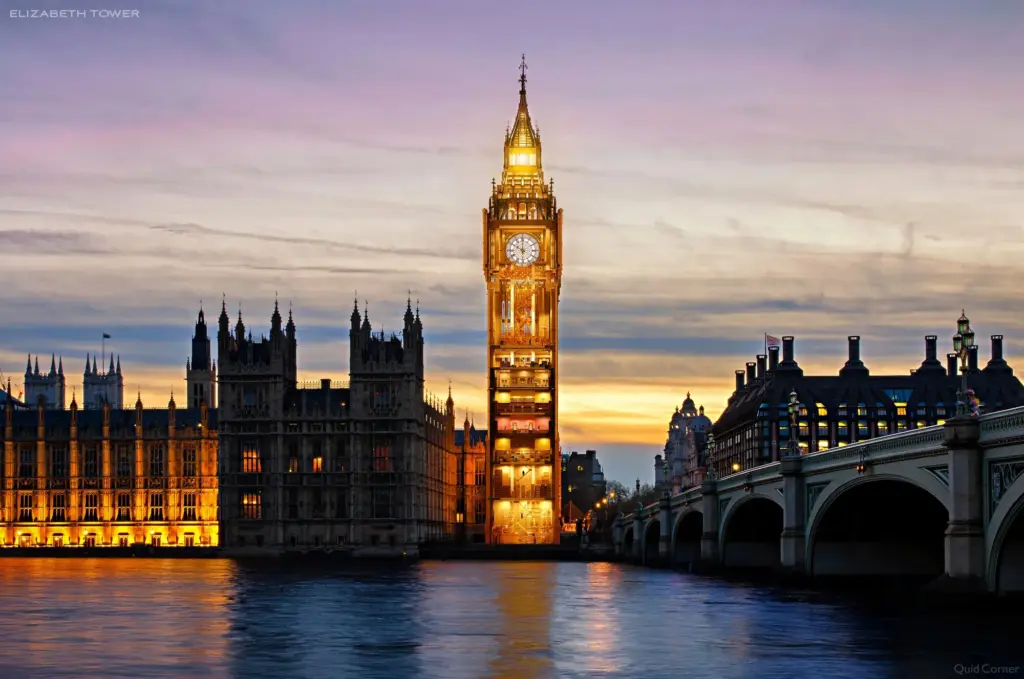
There are few sights more quintessentially London than Big Ben, the iconic clock tower located at the north end of the Palace of Westminster. Officially known as the Elizabeth Tower, it is a remarkable piece of Gothic architecture that has dominated the skyline since it was completed in 1859. Standing tall at 316 feet, Big Ben is not only famous for its striking beauty, but also for its precision, with the clock mechanism remaining reliable for over a century.
Big Ben’s chimes are a beloved sound for both locals and tourists alike, marking the passing of time across the capital. While the tower and clock have endured various renovations, they continue to be a powerful symbol of London’s resilience and tradition. The ongoing restoration efforts aim to preserve its grandeur for future generations while allowing visitors the chance to appreciate its historical significance. Whether viewed by day or illuminated at night, Big Ben remains a must-see destination when exploring London.
Additionally, the proximity of Big Ben to the Houses of Parliament also adds to its historical context, providing insight into the political landscape of the UK. As debates and decisions unfold within the walls of Westminster, Big Ben stands watch, a guardian of democracy and tradition.
Visiting Big Ben is more than a mere stop on a sightseeing tour; it’s part of experiencing the very heartbeat of London. Its presence is felt in literature, film, and everyday life, making it not just an architectural wonder but an integral part of the nation’s identity.
Unveiling the Treasures of the British Museum
The British Museum is a treasure trove of human history, art, and culture, offering an unparalleled glimpse into the world’s civilizations. Founded in 1753, this museum houses a vast collection of over eight million artifacts, making it one of the largest and most comprehensive museums worldwide. From the Rosetta Stone, crucial for deciphering Egyptian hieroglyphs, to the Elgin Marbles, this institution showcases the richness of human creativity and achievement throughout the ages.
Visitors can wander through the museum’s various galleries, each home to priceless artefacts and art pieces that tell the stories of cultures from every corner of the globe. Notably, the Egyptian mummies and the Assyrian lion hunt reliefs immerse guests in ancient civilizations. Entrance to the museum is free, allowing access to everyone eager to learn about human history. The British Museum stands as a beacon of knowledge and culture, emphasizing the importance of global history and the interconnectedness of human experience.
St. Paul’s Cathedral: A Masterpiece of Architecture
St. Paul’s Cathedral is arguably one of the most recognizable structures in London, famed for its stunning dome that dominates the skyline of the city. Designed by Sir Christopher Wren in the 17th century, the cathedral is not only an architectural marvel but also a site of significant historical events, including the funerals of Sir Winston Churchill and Lord Nelson. Its Baroque style and intricate interior make it a must-visit for anyone interested in art, religion, or history.
Visitors can explore its magnificent interiors, adorned with mosaics, sculptures, and murals that reflect its storied past. One of the highlights of a visit is climbing the dome to reach the Whispering Gallery, where the acoustics create a unique experience. From this vantage point, visitors are treated to a panoramic view of London, serving as a beautiful reminder of the city’s grandeur. St. Paul’s Cathedral is a symbol of resilience, having survived the Blitz during World War II, embodying the spirit of London through turbulent times.
Experience the Serene Views from the London Eye
The London Eye, an iconic Ferris wheel situated on the South Bank of the River Thames, offers a modern lens through which to view the city’s historic landscape. Standing at 135 meters tall, the Eye provides breathtaking views of London’s skyline, with famous landmarks like the Houses of Parliament and Big Ben visible from its glass capsules. A ride on the London Eye is particularly magical at sunset, when the city is bathed in golden light, providing a picturesque backdrop for memorable photographs.
As the Eye rotates slowly, visitors are given ample time to absorb the magnificent vistas stretching out in every direction. The experience encapsulates the blend of history and modernity that defines London, allowing guests to appreciate both ancient and contemporary architecture. With informative displays detailing the history of the city and its landmarks, the London Eye makes for an educational as well as visually stunning attraction.
Discovering the Engineering Marvel of Tower Bridge
Tower Bridge, often mistakenly called London Bridge, is a quintessential part of London’s iconic skyline. Completed in 1894, this engineering masterpiece features a combination of bascule and suspension elements, allowing it to rise to let tall ships pass through. The bridge is characterized by its stunning twin towers and vibrant colors, making it a favorite among tourists and photographers alike. Visitors can explore the Tower Bridge Exhibition, which offers insights into its construction and history, complete with fascinating displays of the original Victorian engine rooms.
One of the unique experiences offered is walking along the glass-floored walkway, where visitors can gaze down at the River Thames flowing beneath their feet. This exhilarating view highlights the precision engineering behind the bridge while providing a thrilling experience. Tower Bridge is not just a functional crossing; it is a cultural icon, intertwined with London’s history, and a testament to Victorian engineering excellence.
Trafalgar Square: The Heart of London
Trafalgar Square has long served as a central meeting point in London, characterized by its lively atmosphere and rich historical significance. Dominated by the towering Nelson’s Column, this public space is a hub for culture, art, and community gatherings. It is also strategically located near the National Gallery, making it an ideal starting point for visitors wishing to explore London’s artistic treasures.
With street performers, fountains, and nearby attractions, Trafalgar Square invites visitors to immerse themselves in the vibrancy of London life. The square is also a venue for annual events and celebrations, reflecting the heart of London’s cultural life. The National Gallery, housing works from masters such as Van Gogh and Monet, complements the square’s allure, offering free entry to art enthusiasts. This unique combination of culture and history makes Trafalgar Square a must-visit when exploring London’s most iconic landmarks.
A Culinary Journey at Covent Garden
Covent Garden is a delightful destination that seamlessly blends history with vibrant modern culture. Originally a fruit and vegetable market, it has transformed into a bustling hub of shops, restaurants, and street performances. Visitors can savor delicious cuisine from various eateries, ranging from fine dining to casual street food, making it a paradise for food lovers. Covent Garden’s enchanting surroundings, complete with cobbled streets and beautiful architecture, entice visitors to explore the artisan shops and boutiques that line the piazza.
In addition to its culinary offerings, Covent Garden has a rich cultural scene, featuring live entertainment and performances ranging from opera to contemporary dance. The Royal Opera House, located nearby, hosts world-class performances, adding to the area’s artistic credentials. Whether enjoying a meal, shopping for unique souvenirs, or simply soaking in the atmosphere, Covent Garden is a vibrant reflection of London’s eclectic spirit. This lively destination is a perfect way to unwind after a day of exploring the city’s historic landmarks.
Frequently Asked Questions
What is the history behind the Tower of London?
The Tower of London was founded in the 11th century by William the Conqueror and has served various roles including a royal palace, prison, and treasury. It is famous for housing the Crown Jewels and the stories of notable prisoners like Anne Boleyn.
When can I see the Changing of the Guard at Buckingham Palace?
The Changing of the Guard ceremony at Buckingham Palace is a must-see experience for visitors. It typically occurs daily in the summer and every other day in winter, showcasing the precision and pageantry of the British Army.
What can I see at the British Museum?
The British Museum houses an extensive collection of art and antiquities from around the globe, including famous exhibits like the Rosetta Stone and the Elgin Marbles. Admission to its permanent exhibits is free.
How tall is the London Eye and what can I see from it?
The London Eye stands 135 meters tall and offers breathtaking panoramic views of London’s skyline, making it a fantastic attraction, especially during sunset.
Is Big Ben the name of the clock tower or the clock itself?
Big Ben actually refers to the Great Bell within the clock tower, which is officially named the Elizabeth Tower. The tower is an iconic symbol of the Houses of Parliament.
What significant events have taken place at St. Paul’s Cathedral?
St. Paul’s Cathedral has hosted numerous significant events, including the funerals of Lord Nelson and Winston Churchill. Its stunning dome and architecture make it a prominent landmark in London.
Can you walk across Tower Bridge?
Yes, visitors can walk across Tower Bridge and enjoy a unique perspective with its glass-floored walkway, offering views of the River Thames below as well as the bridge’s fascinating history.
What is Trafalgar Square known for?
Trafalgar Square is known for its impressive Nelson’s Column and serves as a major public space in London. It is also home to the National Gallery, which features an array of Western European paintings.
What does The Shard offer to visitors?
The Shard, the tallest building in the UK, offers visitors stunning views of London from its observation deck. It features restaurants where guests can enjoy dining with a view.
What is Covent Garden famous for?
Covent Garden is famous for its vibrant atmosphere, shopping, and dining. Previously a fruit market, it now features boutique shops, street performances, and a variety of eateries, making it a lively destination for visitors.
| Landmark | Significance | Key Features |
|---|---|---|
| The Tower of London | Medieval history; Royal palace and prison | Crown Jewels, White Tower tours, historical tales |
| Buckingham Palace | Official residence of the British monarch | Stunning façade, Changing of the Guard ceremony |
| The Houses of Parliament and Big Ben | Icon of British democracy and architecture | Gothic style, Big Ben clock tower |
| The British Museum | World history and culture hub | Free admission, vast collection including Rosetta Stone |
| St. Paul’s Cathedral | Architectural masterpiece; significant events venue | Magnificent dome, breathtaking city views |
| The London Eye | Modern landmark providing panoramic views | 135 meters tall, glass capsules |
| Tower Bridge | Symbol of Victorian engineering | Distinct twin towers, glass-floored walkway |
| The Shard | Tallest building in the UK | Stunning views, luxurious dining options |
| Trafalgar Square and the National Gallery | Public space and art collection | Nelson’s Column, free art exhibits |
| Covent Garden | Vibrant shopping and dining destination | Street performances, boutique shops, eateries |
Summary
London’s iconic landmarks are not just architectural wonders but also treasures alive with history and culture. From the storied walls of the Tower of London to the regal elegance of Buckingham Palace, each landmark encapsulates the spirit of a city that bridges its rich past with vibrant present-day life. Visitors can immerse themselves in centuries of history at sites like the Houses of Parliament, or explore the extensive collections of the British Museum. More than mere tourist attractions, these landmarks offer a connection to the events and people that shaped London into the dynamic metropolis it is today. No trip to this historic city is complete without experiencing these remarkable sites.