
Listen to this article
Embarking on a historical walk through London is like taking a step back in time, where each twist and turn reveals layers of the city’s rich tapestry. London attractions are not only defined by their stunning architecture but also by the captivating stories they tell, spanning centuries from Roman settlements to modern marvels. Visitors can immerse themselves in historical walking tours London that bring to life the cultural landmarks in London, making the past accessible and engaging. As you wander through the streets, you’ll encounter historical sites in London that resonate with tales of power, politics, and perseverance. This journey offers a unique opportunity to connect not just with the history of the city, but with its vibrant spirit that continues to thrive today.
A stroll through the historic lanes of London unveils a captivating narrative of the city’s evolution, showcasing its iconic landmarks and bygone eras. Each step brings you closer to understanding the events that shaped this global capital, from its ancient beginnings to its position as a modern metropolis. Guided experiences, often dubbed cultural heritage tours, provide an engaging way to explore prominent historical sites sprinkled across the city. As you journey through this urban labyrinth, you’ll discover why this destination is a treasure trove of history and culture, drawing millions who seek to understand its significance in the world. This exploration blends education with excitement, transforming your visit into a profound experience of London’s storied past.
Exploring London’s Rich History
London is not just a city; it is a living museum, teeming with stories that span over two millennia. Each cobbled street and historic building invites visitors to uncover the layers of its past. From the remnants of Roman structures to medieval castles and Victorian architecture, walking through London transports you through time. As you wander the streets, you should keep an eye out for hidden narratives etched into the very fabric of the city, each telling its own unique tale.
The essence of London is captured in its historical landmarks, which reflect the evolution of society through the ages. Whether it’s the ancient walls of the Roman London Wall or the grandeur of St. Paul’s Cathedral, these sites are not merely tourist attractions; they embody the struggles and triumphs of the people who lived in their shadows. Engaging with these places offers insights into London’s rich tapestry of cultural heritage, making every visit an opportunity for discovery.
Significant Cultural Landmarks in London
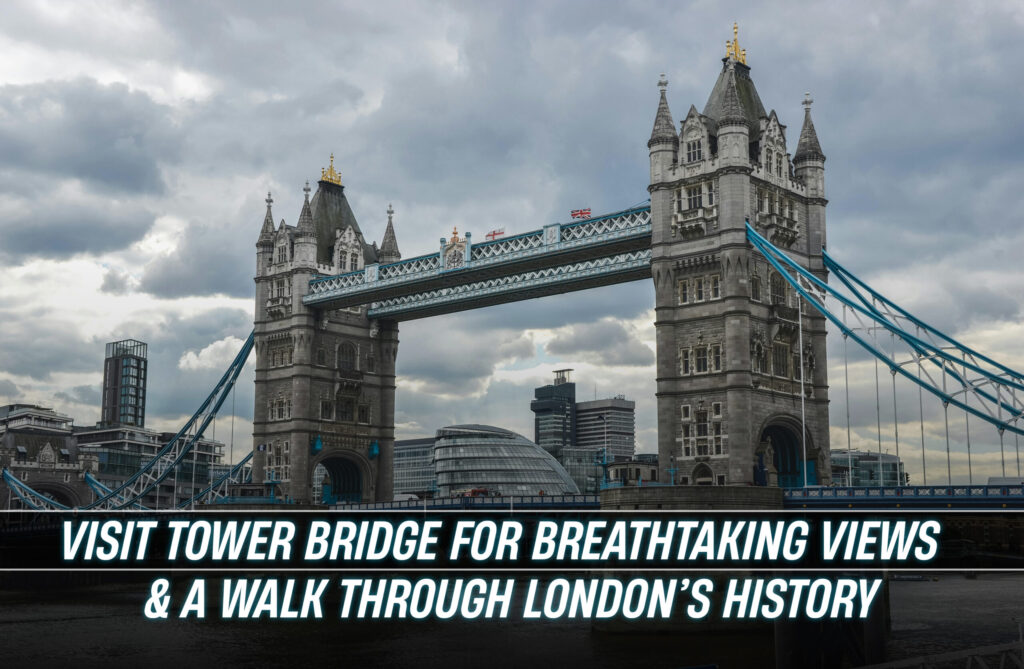
London is famed for its myriad cultural landmarks that serve as both historical emblems and modern marvels. One cannot overlook the iconic Tower of London, which has stood the test of time, retaining its status as a royal palace, fortress, and prison. Each stone of the Tower tells tales of intrigue and betrayal, drawing visitors from all over the world. Nearby, the majestic Tower Bridge offers a stunning view and serves as another reminder of London’s engineering prowess and architectural significance.
Alongside these monumental sites, cultural institutions such as the British Museum and the National Gallery house priceless collections that underline London’s historical narrative. These museums not only preserve art and artifacts but also engage the public through exhibitions that connect past and present, providing deeper understanding of the city’s role on the world stage throughout history. Exploring these landmarks is essential for anyone wishing to grasp the full picture of London’s rich cultural heritage.
The Impact of Historical Tours on Understanding London
Historical walking tours in London open new doors to understanding the city’s evolution. These guided experiences provide not just facts but contextual storytelling, allowing participants to absorb the city’s atmosphere while discovering its intriguing past. From the tales of Shakespeare at the Globe Theatre to the dark history of the Tower of London, each tour brings history to life, connecting visitors personally with the landmarks they explore.
Additionally, walking tours often lead you through less-traveled paths, revealing hidden treasures like quaint neighborhoods and unique museums. These tours emphasize how past events shaped modern London, offering perspectives on social changes, architectural styles, and the cultural dynamics that define the city today. This depth of understanding enriches the experience, making each wander through the city’s streets feel like turning the pages of a captivating historical narrative.
Reflecting on the Medieval Period
The Medieval period marks a significant chapter in London’s history, defined by iconic structures and monumental events. Central to this era is the Tower of London, which not only serves as a fortress but as a symbol of royal authority and resilience. This brutal yet fascinating narrative of imprisonment, power, and punishment has permeated through generations, leaving an indelible mark on the city’s identity.
Furthermore, the architectural developments during this time also shaped the London we see today. The intricate designs of cathedrals and civic buildings established in the medieval era are foundational elements of the city’s landscape, providing visitors with a glimpse into its grand past. Exploring these structures allows one to appreciate the sophistication and artistry of medieval craftsmanship, emphasizing the relationship between architecture and historical storytelling.
The Influence of the Renaissance on London
The Renaissance ushered in a transformative era in London, characterized by a flourishing of the arts and intellectual pursuits. With the establishment of the Globe Theatre, London became the cradle of dramatic arts, providing a stage for the works of legendary playwrights, most notably William Shakespeare. This cultural revolution not only shaped literature but also influenced the way stories were told, reflecting societal values and aspirations of the time.
Visiting areas associated with this vibrant period, such as the South Bank, allows one to feel the echoes of playwrights who once tread the boards, breathing life into their characters. The Renaissance was not just about art; it marked a period of enlightenment that encouraged innovation and exploration, factors that have distinctly contributed to the diverse cultural landscape of London today.
The Great Fire and Its Aftermath
The Great Fire of London in 1666 was a turning point in the city’s development, leading to a monumental shift in its architectural landscape. The fire, which swept through the medieval structures, forced a complete reimagining of urban planning and building techniques. Sir Christopher Wren’s subsequent designs, including the magnificent St. Paul’s Cathedral, reflect a newfound emphasis on beauty, resilience, and functionality in architecture.
The aftermath of the Great Fire not only reshaped the physical city but also catalyzed sociocultural changes. As London rebuilt, it began to embrace modernization and urbanization, fully transforming into a bustling metropolis. This period of reconstruction illustrates how hardship can lead to profound growth, highlighting the city’s ability to adapt and thrive in the face of adversity.
The Victorian Era and Urban Growth
The Victorian era brought unprecedented change to London, marking the city’s transformation into a major industrial hub. With the construction of railways and new infrastructures like the Underground, London expanded beyond its historical boundaries, signaling a shift in how people lived and worked. The architectural legacy of this period is embodied in monumental structures such as Big Ben and the Houses of Parliament, which remain iconic symbols of the city.
As the population surged, it also led to challenges like overcrowding and pollution. However, this era also spurred social movements advocating for workers’ rights and public health reform, showcasing the resilience of Londoners. Exploring the remnants of Victorian architecture provides insights into how these changes shaped the daily lives and social frameworks of the people during this pivotal time in London’s history.
World Wars: Resilience and Reconstruction
London’s experiences during the World Wars significantly influenced its historical narrative and collective memory. The devastation caused during the Blitz led to substantial damage, erasing many beloved historical structures. However, this dark chapter also illuminated the unwavering spirit of Londoners, who banded together to provide support and healing, symbolizing resilience amidst destruction.
This period of chaos ultimately led to a profound reconstruction that redefined the city’s architectural landscape. Modernist designs began to emerge alongside traditional structures, showcasing a commitment to renewal. Museums like the Imperial War Museum serve as poignant reminders of these tumultuous times, allowing contemporary visitors to reflect on the bravery and fortitude that characterized London’s wartime experience.
Modern London: A Blend of Past and Progress
Modern London stands as a testament to the city’s ability to evolve while cherishing its rich past. Today’s skyline, featuring contemporary marvels like The Shard, reflects the continuing narrative of innovation and change. This juxtaposition of modernity against historical backdrops illustrates how the city has harmoniously blended its heritage with contemporary culture and architecture.
As you navigate through modern London, you will encounter spaces that celebrate both the past and present. The revitalization of historic areas pays homage to their legacy while embracing the future, making London a dynamic city that thrives on its history. Engaging with both nature and innovation in local parks and urban spaces exemplifies how London’s story continues to unfold.
Frequently Asked Questions
What are the must-see historical sites in London for a walking tour?
On a historical walk through London, must-see sites include the Tower of London, St. Paul’s Cathedral, the Globe Theatre, and the Roman London Wall. Each of these historical sites offers a unique glimpse into London’s rich history and heritage.
How can I find the best historical walking tours in London?
To discover the best historical walking tours in London, consider searching online for reputable tour companies or platforms like Viator and GetYourGuide. Look for tours with high ratings that cover key landmarks and stories that capture London’s rich history.
What historical events shaped London’s development?
Significant historical events that shaped London’s development include the establishment of Londinium by the Romans, the Great Fire of 1666, the Industrial Revolution, and impacts from the World Wars. Each of these played a crucial role in defining London’s cultural landmarks and urban landscape.
Is it worth visiting the Tower of London on a historical walk?
Absolutely! The Tower of London is essential for any historical walk through London. It offers insights into royal history and is home to the Crown Jewels, alongside stories of notable figures, making it a highlight of London’s attractions.
What is the best way to explore London’s rich history?
The best way to explore London’s rich history is through guided historical walking tours, where knowledgeable guides share fascinating stories and context about the cultural landmarks in London, helping you appreciate the city’s past.
Can you recommend a historical walking route in London?
One popular historical walking route in London is ‘The Royal Walk,’ which starts at the Tower of London, goes along the Thames to Tower Bridge, and concludes at South Bank. This route features numerous historical sites and beautiful riverside views.
What cultural landmarks should I not miss while walking in London?
Key cultural landmarks to not miss during your historical walk through London include St. Paul’s Cathedral, the British Museum, and the National Gallery. Each location plays a vital role in showcasing London’s history and artistic heritage.
What is the historical significance of the Roman London Wall?
The Roman London Wall, a remnant of the ancient city of Londinium, is significant as it marks the original boundaries of Roman London and provides insights into the strategic urban planning and defense mechanisms of that era.
How has the Industrial Revolution influenced contemporary London?
The Industrial Revolution influenced contemporary London by transforming it into a bustling metropolis. It led to urban expansion, the development of the railway system, and modern infrastructure, which are crucial elements of London’s cityscape today.
What hidden gems should I explore on a historical walk through London?
On your historical walk through London, consider exploring hidden gems like the Geffrye Museum and Clerkenwell Green. These places are rich in history and offer unique insights beyond the more famous attractions.
| Topic | Key Points |
|---|---|
| Romans and the Foundations of London | Established Londinium around AD 47; remnants like the Roman London Wall and Museum of London showcase this era. |
| Medieval Majesty: The Tower of London | Built by William the Conqueror in 1066; serves as a royal palace and prison; contains Crown Jewels and historical tales. |
| The Plague and Its Aftermath | Black Death devastated population (1348-1350), leading to socio-economic changes and the prominence of St. Paul’s Cathedral. |
| The Renaissance to the Restoration | Elizabethan era cultural flourishing; Globe Theatre reflects this heritage; the Great Fire in 1666 changed the architectural landscape, leading to St. Paul’s Cathedral. |
| The Industrial Revolution and Urban Expansion | Transformed London into a metropolis; development of the railway; Big Ben and the Houses of Parliament constructed during this period. |
| World Wars and Rebuilding | London faced bombings during WWII; resilience shown in rebuilding efforts; Imperial War Museum honors this history. |
| Modern Day London: A Blend of History and Future | Contemporary architecture like The Shard exists alongside historical landmarks, symbolizing the city’s evolution. |
Summary
A historical walk through London reveals layers of rich narratives, echoing the city’s extensive past. From the Roman foundations laid over two millennia ago to the substantial reconstruction post-World War II, London encapsulates the tales of its past through its diverse architectural styles and landmarks. Each era has contributed uniquely to the structure and culture of the city, offering a profound insight into how history shapes its current identity. For anyone interested in experiencing the nuances of London’s history, embarking on a historical walk through its streets ensures an adventure filled with learning, exploration, and appreciation of this vibrant city.