Listen to this article
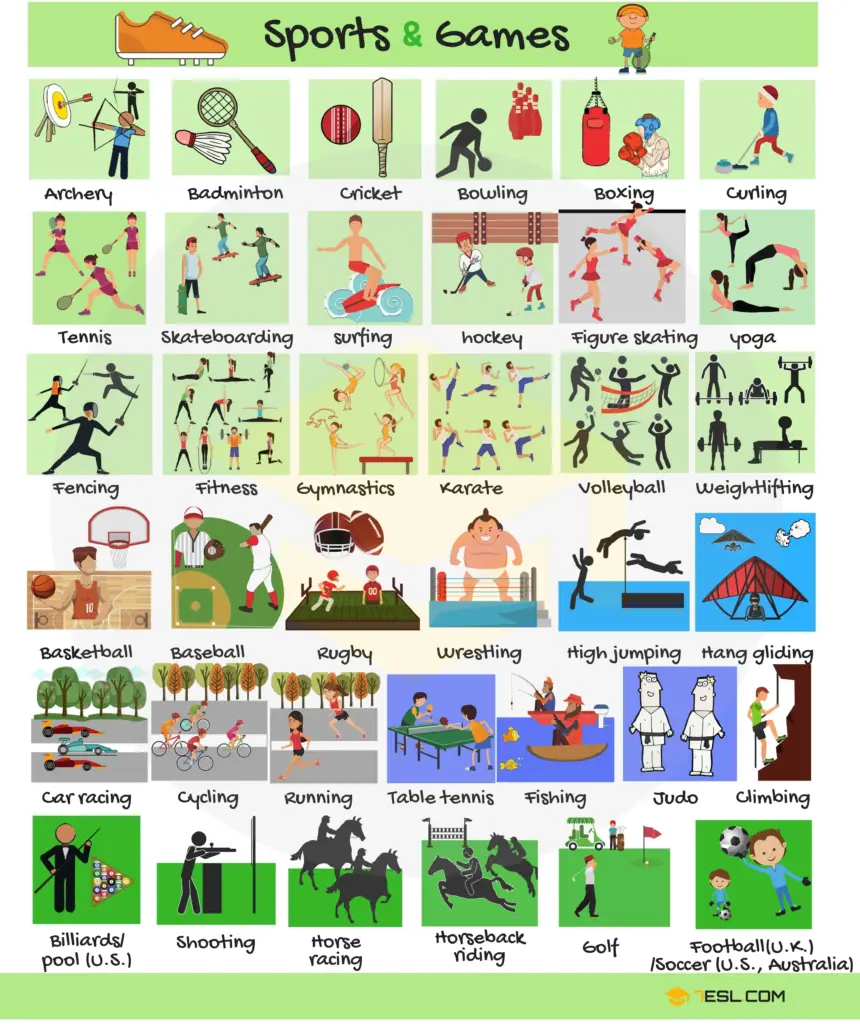
In the realm of athletic endeavors, understanding the various Types of Sports and Their Rules is essential for both participants and fans alike. From team sports, which foster collaboration and strategic play, to individual sports that highlight personal skills and perseverance, the diversity in sports categories is vast. Each sport comes with its own set of rules that govern how the game is played, ensuring fair competition and enhancing the spectator experience. For beginners, a solid grasp of these rules can transform the way they engage with sports, whether by playing or watching. This introductory guide serves as a gateway to discovering the rich world of sports, where every game offers unique challenges and thrills.
Diving into the world of athletic competitions can feel daunting, especially when faced with the many types of sporting activities available to explore. This guide aims to simplify that journey by shedding light on various athletic endeavors and the essential regulations that accompany them. Whether you’re drawn to group activities that promote teamwork or prefer solitary challenges that showcase individual talent, there are numerous sports categories to consider. Learning about the sporting rules not only enriches your understanding but also enhances your appreciation of the games. As you embark on your exploration of sports, embrace this beginner’s guide to navigate the exciting landscape of athleticism.
Exploring Team Sports: Definition and Popular Examples
Team sports are characterized by the collaboration of players divided into opposing factions, working together towards a common objective: victory. When engaging in these activities, participants must not only exhibit individual skills but also have an understanding of collective strategies and roles within the team. Examples of popular team sports include football (soccer), basketball, and volleyball. Each of these sports requires players to coordinate their movements and tactics to outmaneuver their opponents, making teamwork a pivotal element.
For instance, in football, teams consist of 11 players who must cooperate on the field, adhering to specific formations and game plans. Similarly, basketball teams strategize plays to create scoring opportunities, utilizing the unique strengths of each player. Consequently, understanding the intrinsic value of teamwork in sports can enhance performance and foster strong social bonds among players.
Individual Sports: Insights and Key Competitions
Individual sports provide athletes the opportunity to showcase their personal skills and strategies, competing solely against others or a clock. This format fosters a unique sense of independence and self-reliance, as athletes must trust their abilities to succeed. Popular examples of individual sports include tennis, swimming, and athletics. Each sport has its own set of rules that govern gameplay and competition, helping to maintain fairness and integrity.
Take tennis, for instance, where players compete in matches that can vary significantly in length and style; the scoring system, featuring points and games, requires a keen understanding of strategy and endurance. Such sports not only test physical capabilities but also mental agility, as athletes devise tactics on-the-fly, ensuring that every decision counts. The rigorous training and focus that individual sports demand can lead to significant personal growth and achievement.
Types of Sports and Their Rules: A Comprehensive Overview of Team and Individual Play
In today’s world, sports are broadly categorized into team and individual formats, each having distinct characteristics and rules. Team sports, like football and basketball, involve collaborative play among its members, while individual sports, such as tennis and swimming, showcase individual talent. Understanding the rules governing these sports is essential for athletes and fans alike, as it enhances the enjoyment and strategic depth of play.
Learning the specific rules, such as fouls in basketball or scoring methods in tennis, is crucial not only for participation but also for spectating. By familiarizing yourself with these regulations, you foster a deeper appreciation of the sport, enriching your overall experience whether you’re playing, coaching, or cheering from the stands.
The Essence of Racket Sports and Their Wide Appeal
Racket sports, which encompass games like badminton and squash, are renowned for their fast-paced, exhilarating nature that draws in fans of all ages. These sports can be played as singles or in doubles, providing a versatile playing experience. The basic objective generally involves hitting a ball or shuttlecock over a net and into an opponent’s court, with specific regulations guiding the play.
For example, in badminton, a player’s agility and precision are tested as they strive to outmaneuver their opponent with strategic shots. The scoring system in racket sports adds an additional layer of excitement, as matches can be decided by very narrow margins, emphasizing the importance of practice and tactical planning. The expanding popularity of racket sports shows their ability to foster community and competitive spirit among participants.
Combat Sports: Physical and Mental Challenges
Combat sports, including boxing and martial arts, serve as avenues for athletes to display their strength, discipline, and mental fortitude. These sports often emphasize not only physical capabilities but also strategic thinking, as competitors must anticipate moves made by their opposition. The fundamental rules governing combat sports are designed to ensure player safety and fair competition while promoting the skills necessary for success.
In boxing, for instance, participants must learn techniques for both offense and defense, adhering to strict regulations regarding punches and fouls. Martial arts encompass a variety of forms, providing practitioners with unique skills and philosophies. Whether for competition, fitness, or self-defense, combat sports encourage individuals to push their limits, fostering a sense of personal achievement and respect.
Endurance Sports: Testing Limits and Building Stamina
Endurance sports are defined by their requirement for sustained physical effort over extended periods, challenging athletes to push through fatigue and mental barriers. Disciplines such as marathon running and cycling demand not only physical training but also mental resilience and strategic pacing. Athletes in these sports must adhere to specific rules that regulate competition distances and methods of achieving goals.
For example, marathon runners must train rigorously to cover a grueling 42.195 kilometers, developing both cardiovascular capacity and mental toughness. This training extends beyond physical preparation; nutrition, hydration, and race strategy play crucial roles in an athlete’s success. Understanding these aspects can substantially enhance performance as well as provide insight into the dedication required to excel in endurance sports.
Basic Rules of Sports: Enhancing Understanding and Enjoyment
Familiarity with the basic rules of common sports greatly enriches both participation and viewership. Each sport comes with its own unique set of regulations designed to ensure fair play and excitement. For example, in basketball, it’s essential to understand aspects like dribbling and scoring to appreciate the nuances of every game. Without knowledge of these rules, spectators may struggle to grasp the dynamics of the competition.
By learning the rules, fans can engage more deeply with the game, discussing strategies and player performances in a knowledgeable manner. Similarly, for beginners, understanding the basic rules of their chosen sport enhances confidence and encourages participation, as players are more likely to join games and competitions when they feel prepared.
The Importance of Knowing Sporting Rules for Beginners
For newcomers to sports, grasping the foundational rules is a pivotal step in fostering a genuine appreciation for athletic activities. When beginners are equipped with knowledge of the basic regulations governing their respective sports, they can enter games with confidence and readiness. This awareness not only improves individual performance but also enhances the enjoyment of the sport as a whole.
Moreover, being informed about the rules promotes safety among participants, ensuring everyone understands what constitutes a foul or a breach. Rules create a structured environment conducive to learning and improvement, further motivating athletes to hone their skills, engage in competition, and immerse themselves in their chosen sports.
Participating in Sports: Steps Towards Involvement
Engaging in sports can provide myriad benefits ranging from physical fitness to social connections. For individuals looking to become involved, the initial step is often finding a sport that aligns with one’s interests and abilities. With countless options available, including team sports and individual pursuits, newcomers can explore various activities to identify what resonates with them.
Once a specific sport is chosen, learning the basic rules and practicing regularly will build confidence and competence. Additionally, seeking out local leagues or community groups can enhance the experience, fostering camaraderie and a shared passion for sports. Participation promotes not only personal growth but also a sense of belonging within a larger athletic community.
Conclusion: Embracing Sports through Knowledge and Practice
Understanding the various types of sports and their rules is key to fully embracing the world of athletics. As individuals engage with both team and individual sports, the knowledge gained from this exploration enhances their experiences, both as participants and spectators. By developing a clear understanding of the rules and dynamics involved, newcomers can cultivate deeper connections to their chosen sports.
Ultimately, no matter the sport one chooses to pursue, investing time and effort into comprehending its nuances can lead to greater enjoyment, improved performance, and an enriched sense of community. Encouragement to participate, whether through organized activities or casual play, ensures that the world of sports remains welcoming and vibrant for everyone.
Frequently Asked Questions
What are the main types of sports and their rules for beginners?
The main types of sports can be categorized into team sports, individual sports, racket sports, combat sports, and endurance sports. Each has unique rules. For example, in football (a team sport), matches consist of two halves of 45 minutes, while in tennis (an individual sport), games are structured into points counted as 15, 30, 40, and game.
How do the rules of sports vary between team sports and individual sports?
Rules of team sports, like basketball, often focus on collaboration and foul regulations, such as dribbling limits and shooting zones. In contrast, individual sports like tennis require knowledge of scoring systems and service rules, emphasizing personal performance and tactics.
What basic rules should beginners know about popular team sports?
Beginners should know that in football, a game lasts 90 minutes; in basketball, matches are played in quarters; and in volleyball, teams score points by landing the ball in the opponent’s court. Understanding these basic rules enhances gameplay and enjoyment.
What common mistakes do beginners make regarding sports rules?
Beginners often misunderstand rules related to fouls in team sports or point scoring in individual sports. For instance, in basketball, not dribbling while moving can lead to turnovers, and in tennis, serving into the wrong box can result in points lost.
Why is it important to learn the rules of sports for participation?
Learning the rules of sports is crucial for effective participation as it enhances your understanding of the game, allows you to comply with regulations, improves your ability to strategize, and maximizes enjoyment during play.
What resources can help beginners learn the rules of various sports?
Beginners can use resources such as online guidebooks, sports association websites, instructional videos, and beginner’s guides specifically focused on understanding the rules of sports like football, basketball, and tennis.
How do rules differ between endurance sports and combat sports?
Endurance sports, such as marathon running, focus on distance and time, with rules centered around pacing and competition format. In contrast, combat sports like boxing focus on scoring points through controlled physical contact, with specific regulations on strikes and safety.
Can learning the rules of sports enhance my viewing experience?
Absolutely! Understanding the rules of sports enhances your viewing experience by allowing you to appreciate the strategies employed by teams, recognize key plays, and understand game dynamics, making each match more enjoyable.
What are essential sports categories to know as a beginner?
As a beginner, it’s essential to know the main sports categories: team sports (like football and basketball), individual sports (like tennis and swimming), racket sports (like badminton), combat sports (like martial arts), and endurance sports (like cycling and marathon running).
What is a beginner’s guide to understanding sport scoring?
A beginner’s guide to understanding sport scoring involves familiarizing yourself with how points are accumulated in different sports: in football, goals count as one point; in basketball, two or three points per shot; and in tennis, scores progress through games, sets, and matches.
| Sport Type | Key Features | Basic Rules |
|---|---|---|
| Team Sports | Involves two teams that compete against each other using collaboration and strategy. | Game duration varies; scoring differs per sport (e.g., goal in football, points in basketball). |
| Individual Sports | Played by an individual against an opponent or clock, focusing on personal performance. | Scoring based on points, time, or distance; specific rules based on the sport (e.g., tennis, swimming). |
| Racket Sports | Utilizes rackets to hit a ball or shuttlecock, can be played individually or in teams. | Matches played to a point total; rules vary by sport, such as serving alternates in badminton. |
| Combat Sports | Direct physical competition between opponents, testing strength and technique. | Points awarded for strikes or techniques executed; can have different scoring systems based on the sport. |
| Endurance Sports | Focuses on sustaining physical activity over long distances or durations. | Competition rules vary; often involve time or completion specifics, such as distance in marathons. |
Summary
Types of Sports and Their Rules are vital for anyone interested in engaging with athletics, whether as a participant or a viewer. Understanding sport categories such as team, individual, racket, combat, and endurance sports, along with their specific rules, enhances the enjoyment and appreciation of various games. Knowledge of the rules not only improves spectatorship but can also inspire you to participate in sports, fostering a deeper connection with athletic activities. Dive into the world of sports equipped with this understanding for a more fulfilling experience.