
Listen to this article
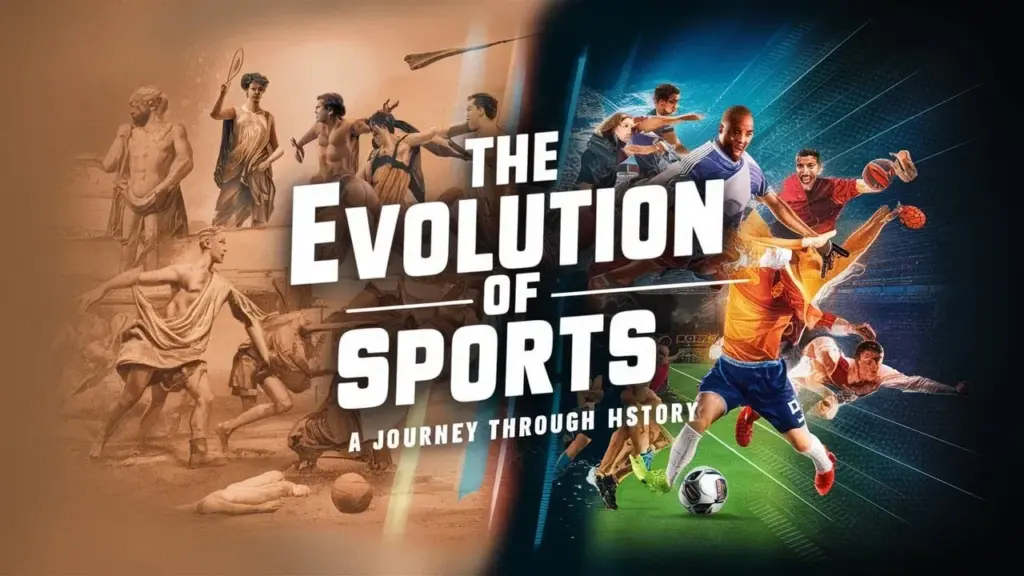
The Evolution of Sport is a captivating narrative that traces the dynamic journey of athletic competitions through history. From ancient sports tied to survival and religious ceremonies in early civilizations to the structured contests celebrated in modern athletics today, the essence of sports has undergone remarkable transformations. Not only do sports serve as a showcase of human physicality and skill, but they also reflect broader societal values and technology’s impact on how competitions are organized and perceived. As we explore this evolution, we will uncover the significant historical milestones that have influenced sports culture, shining a light on how community and competitive spirit have shaped our interactions. The future of sports promises further innovation, where the intersection of technology and society will redefine athletic events for generations to come.
Athletic competitions have evolved dramatically over the ages, depicting a rich tapestry of history and culture. Initially rooted in survival and interpersonal contests of strength, these competitions have grown into diverse formats that resonate with modern audiences. From the ancient games of Greece to the highly commercialized sports of today, the development of these activities illustrates not just a change in rules or athlete participation but also a reflection of societal values embedded within sports and society. The ongoing impact of technology is reshaping how events are experienced and consumed, pushing forward the boundaries while offering a glimpse into the future of sports as we know it. By analyzing this changing landscape, we can better appreciate the intricacies of athletic pursuits and their pivotal role in uniting communities.
The Impact of Ancient Sports on Modern Athletics
Ancient sports laid the foundational principles that continue to guide modern athletics. The Olympics, which originated in ancient Greece, ushered in structured competition, emphasizing values like respect, fair play, and national pride. Events were not only about physical prowess; they also acted as a unifying force among competing city-states. In this way, ancient contests fostered a spirit of camaraderie and competition that persists in today’s global sports culture.
Moreover, the manner in which athletic competitions were organized and celebrated in ancient societies continues to influence present-day sports. Rituals associated with ancient sporting events, such as odes sung in honor of victors and calisthenics that were performed before competitions, are echoed in modern ceremonies. Today, just as in ancient times, sports serve as a reflection of cultural and national identity, unifying individuals across borders.
Frequently Asked Questions
What is the role of ancient sports in the evolution of sport?
Ancient sports played a crucial role in the evolution of sport as they were rooted in survival skills, showcasing physical prowess. Events like the Olympic Games in Greece highlighted the competitive spirit and community bonding, setting a foundation for organized sports as we know them today.
How did the Middle Ages influence the evolution of athletic competitions?
During the Middle Ages, the focus of sports shifted from individual contests to team-based competitions, such as jousting and archery. This period emphasized chivalry and camaraderie, significantly influencing the evolution of team sports and the importance of collaboration in athletic events.
What impact did the Renaissance have on the history of sports?
The Renaissance brought a resurgence of interest in humanism, greatly influencing the history of sports. The revival of the Olympic Games in 1896 represented a pivotal moment in athletic competition evolution, promoting global participation and setting high standards for performance and sportsmanship.
How did the commercialization of sports in the 20th century reshape modern athletics?
The commercialization of sports in the 20th century dramatically reshaped modern athletics by attracting large audiences and sponsorships. Mass media exposure transformed sports into major entertainment industries, leading to the creation of professional leagues and substantial salaries for athletes.
What are the key advancements in technology that have impacted the evolution of sport?
Key advancements in technology, such as performance analytics, instant replay, and wearable tech, have profoundly impacted the evolution of sport. These innovations enhance athletes’ training, improve game strategies, and elevate fan engagement, marking a significant shift in how sports are experienced.
How has social media transformed the relationship between athletes and fans in the evolution of sport?
Social media has transformed the evolution of sport by altering athlete-fan interactions. Platforms like Instagram and Twitter allow athletes to share their experiences and connect with fans on a personal level, reshaping how they market themselves and engage with their audience.
What has been the influence of diversity and inclusion on the evolution of sport?
Diversity and inclusion have significantly influenced the evolution of sport, particularly since the late 20th century. Legislation like Title IX in the U.S. led to greater support for women’s sports, while international competitions have helped promote equity and representation in athletics worldwide.
What future trends can we expect in the evolution of sport?
Future trends in the evolution of sport may include the integration of virtual and augmented reality, creating immersive viewing experiences. Additionally, an increased focus on mental health in athletic training will likely shape competition formats, prioritizing athlete well-being alongside performance.
How do ancient sports relate to modern athletics today?
Ancient sports laid the groundwork for modern athletics by establishing the cultural importance of competitive physical activity. The principles of fair competition, sportsmanship, and community identified in ancient sports continue to resonate in today’s athletic events.
In what ways has the societal impact of sports evolved alongside technology?
The societal impact of sports has evolved alongside technology by expanding access and engagement opportunities. Enhancements in broadcasting, social media interaction, and analytics have made sports more inclusive and captivating, bridging gaps between athletes and fans across the globe.
| Key Periods | Characteristics | Impact on Modern Sport |
|---|---|---|
| Ancient Beginnings | Physical contests linked to survival and ceremonies, Olympic Games in Greece. | Established competition as a unifying force in society. |
| Middle Ages | Shift to team contests like jousting and archery, focusing on valor and chivalry. | Laid groundwork for team sports emphasizing camaraderie. |
| Renaissance | Revival of the Olympics; emphasis on global participation and athletics as role models. | Reinforced international competition and standards for athletic performance. |
| 20th Century | Commercialization, mass media popularity; rise of professional leagues. | Sports gained celebrity status and significant economic impact. |
| Modern Day | Integration of technology in training and performance; rise of esports. | Transformed how athletes prepare and compete; enhanced fan experience. |
| Future Trends | Focus on mental health, virtual/augmented reality integration. | Promising evolution of viewer experiences and athlete well-being. |
Summary
The evolution of sport reflects the ongoing changes in human culture and societal values. Throughout history, from the ancient competitions that emphasized survival and community to today’s technologically advanced sporting events, the nature of sports has continually transformed. As we examine the impact of commercialization, inclusivity, and the integration of technology, it’s clear that the evolution of sport is not just about athletic achievement but also about uniting people and fostering a global community. With future advancements on the horizon, the sporting landscape is poised for further innovation and change.

