
Listen to this article
Sport and mental health have become increasingly intertwined as researchers uncover the profound effects of physical activity on psychological wellbeing. With the rise in mental health awareness, many are exploring how exercise can serve as an effective tool for mental health improvement. Engaging in sports not only fosters physical fitness but also plays a pivotal role in reducing stress and enhancing overall mood. Studies have shown that maintaining an active lifestyle impact can lead to significant improvements in emotional clarity and resilience. Thus, understanding the physical activity benefits for mental health is crucial for anyone seeking a holistic approach to wellness.
Physical fitness and emotional wellbeing are gaining recognition as key components of a healthy lifestyle. A growing body of evidence supports the idea that engaging in physical activities—whether through individual exercise routines or team sports—greatly contributes to enhanced mental clarity and a reduction in anxiety levels. As we increasingly prioritize emotional health, recognizing how various forms of exercise can influence psychological states becomes essential. The intersections between active living and mental health improvement highlight a valuable avenue for creating supportive environments that foster both physical and mental resilience. Therefore, integrating movement into our daily lives is not merely beneficial; it’s vital for cultivating a sense of balance and wellbeing.
The Importance of Physical Activity for Mental Wellbeing
Physical activity is increasingly recognized as a cornerstone of mental wellness. Engaging in regular exercise not only strengthens the body but also plays a pivotal role in improving mental health. Numerous studies have shown that physical activity can lead to significant reductions in symptoms of anxiety, depression, and stress. This positive effect is attributed to the physiological changes that occur during exercise, such as the release of endorphins, which are chemicals in the brain that act as natural painkillers and mood elevators. As such, maintaining a consistent exercise routine can enhance overall emotional health and resilience.
Moreover, the social aspect of physical activities, such as participating in team sports or group fitness classes, fosters a sense of community and belonging. These interactions can alleviate feelings of loneliness or isolation, which are often linked to mental health challenges. By making physical activity a regular part of one’s life, individuals not only boost their physical fitness but also create opportunities for meaningful relationships, further enhancing their mental wellbeing.
Exercise as a Natural Stress Reliever
Exercise is widely recognized for its ability to alleviate stress. When we engage in physical activity, the body responds by decreasing the levels of stress hormones like cortisol, while simultaneously promoting the production of endorphins. This combination results in an immediate feeling of relaxation and euphoria, making exercise an effective strategy for managing stress. Incorporating activities such as running, swimming, or even brisk walking into daily routines can provide a valuable outlet for releasing built-up tension, helping individuals cope more effectively with everyday pressures.
Additionally, regular exercise can enhance one’s capacity to manage stress over time. As individuals become physically fitter, they often develop a greater sense of control and personal achievement, which can translate into improved coping mechanisms when faced with challenging situations. By making exercise a habitual practice, one can cultivate resilience, making it easier to confront stressors head-on and maintain a balanced state of mind.
The Role of Endorphins in Enhancing Mood
Endorphins, often referred to as ‘feel-good’ hormones, play a crucial role in enhancing mood and wellbeing. Physical activity triggers their release, which not only alleviates pain but also induces feelings of pleasure and happiness. This natural high that comes from exercise can serve as a powerful antidote to feelings of depression and anxiety. The euphoric feelings experienced after a workout can last for several hours, contributing to an overall sense of contentment and positivity throughout the day.
Furthermore, the consistent elevation of endorphin levels through regular physical activity can lead to long-term improvements in emotional health. Individuals who incorporate activities like aerobics, dance, or other high-intensity workouts into their routines often report prolonged periods of elevated mood and reduced feelings of hopelessness. Understanding the biochemical mechanisms at play can empower individuals to seek out and embrace an active lifestyle as a means of enhancing their mental health.
Mindfulness and Exercise: A Powerful Combination
Engaging in physical activity can promote mindfulness, the practice of being present and fully immersed in the moment. Certain exercises, such as yoga and tai chi, emphasize breathing and body awareness, which can help individuals detach from intrusive thoughts and stressful feelings. This mindfulness aspect of exercise not only enhances physical capacity but also cultivates emotional stability, enabling individuals to better manage anxiety and stress.
Incorporating mindfulness into exercise routines allows individuals to develop a deeper connection to their bodies and minds. As they learn to focus on their breath or the rhythm of their movements, they become more aware of their mental state and can address negative thought patterns more effectively. This synergy between physical activity and mindfulness nurtures a holistic approach to mental health, reinforcing the importance of being present in both physical and emotional experiences.
Team Sports and Social Connection
Participating in team sports is not just about physical fitness; it also serves as a vital source of social connection and support. When individuals engage in team activities, they foster friendships and build relationships with peers who share similar interests. This sense of belonging can significantly bolster mental health, as strong social networks are associated with reduced feelings of loneliness and depression.
Moreover, the collaborative nature of team sports cultivates skills such as teamwork, communication, and empathy. These qualities are essential for building a supportive community where members uplift each other. Therefore, individuals who partake in team sports are not only boosting their physical wellbeing but also enhancing their emotional resilience through meaningful interactions and shared experiences.
The Impact of Outdoor Activities on Mental Health
Outdoor activities such as hiking, biking, or simply walking in nature have profound effects on mental health. Research shows that spending time in natural environments can reduce symptoms of anxiety, depression, and stress while promoting a sense of peace and tranquility. The combination of physical movement and exposure to fresh air and green spaces greatly enhances emotional wellbeing, making outdoor activities a fantastic addition to anyone’s fitness regime.
Nature has an incredible ability to rejuvenate the mind and spirit. Engaging in outdoor hobbies can help individuals disconnect from the hustle and bustle of daily life, providing a much-needed break. The benefits of being outdoors are not solely psychological; they also offer a physical boost, as fresh air and sunlight improve overall health. Embracing outdoor activities can therefore lead to significant improvements in both mental and physical wellness.
Yoga and Its Benefits for Mental Clarity
Yoga is renowned for its physical benefits, but its positive effects on mental health are just as impactful. By integrating mindfulness and physical movement, yoga helps individuals find a sense of balance and clarity. Regular practice of yoga can improve concentration, reduce stress levels, and promote emotional equilibrium, making it an excellent tool for enhancing mental wellbeing. Through various poses and breathing exercises, practitioners can cultivate resilience against anxiety and depressive symptoms.
Additionally, the community aspect of group yoga classes can foster social connections and emotional support. The shared experience of practicing yoga can create a network of encouragement and understanding. Therefore, individuals who commit to a yoga routine may find themselves not only improving their physical strength but also their mental clarity and emotional stability.
Creating a Sustainable Active Lifestyle
Incorporating physical activity into one’s daily routine doesn’t have to be daunting. It’s important to approach the creation of an active lifestyle with realistic expectations and enjoyment in mind. Starting small, such as taking daily walks, can gradually build the foundation for a more active regimen. Setting achievable goals encourages consistency without overwhelming oneself. This strategy aligns perfectly with improving mental health, as manageable steps can lead to progressive success and emotional rewards.
Moreover, finding joy in activities will naturally improve commitment to an active lifestyle. Whether it’s group classes, solo workouts, or outdoor adventures, choosing enjoyable forms of exercise can foster a sustainable routine. Establishing a supportive environment, possibly through friends or community groups, can further enhance motivation and accountability while paving the way to a healthier and happier life.
The Holistic Benefits of Integrating Exercise into Daily Life
Integrating exercise into daily life offers comprehensive benefits that extend beyond physical health. Regular physical activity can enhance mental clarity, improve emotional resilience, and promote overall wellness. The practice of moving your body not only improves strength and fitness but also fosters a greater understanding of personal health, helping individuals to feel more in control. This holistic enhancement can lead to more balanced lives, characterized by reduced stress and improved mood.
Finally, adopting an active lifestyle cultivates a proactive approach to mental health. Instead of viewing physical activity as a chore, seeing it as an avenue for emotional and social improvement can significantly change an individual’s perspective. Embracing this holistic approach can unlock a path toward a more fulfilled life, where not only the body thrives but the mind and spirit flourish as well.
Frequently Asked Questions
How does sport and mental health correlate with physical activity benefits?
The correlation between sport and mental health is substantial, as engaging in physical activity brings numerous benefits. Regular exercise releases endorphins which enhance mood, reduce stress, and improve overall mental wellbeing, demonstrating the significant impacts of an active lifestyle.
What are the best sports for mental health improvement?
Some of the best sports for mental health improvement include team sports like soccer and basketball, which foster social connections, as well as individual activities like running and yoga that promote mindfulness and self-reflection.
How can exercise and wellbeing be optimized for mental health enhancement?
To optimize exercise and wellbeing for mental health enhancement, individuals should start with enjoyable activities, set realistic goals, and maintain consistency. This approach helps in reaping the full psychological benefits of regular physical activity.
What role does an active lifestyle impact have on mental health?
An active lifestyle positively impacts mental health by reducing anxiety and depression, enhancing self-esteem, and improving sleep quality. By regularly engaging in sport or physical activity, individuals can experience significant psychological benefits.
Can team sports significantly benefit mental health?
Yes, team sports significantly benefit mental health by promoting social interaction, which can alleviate feelings of loneliness and depression. The camaraderie and shared goals in team sports foster emotional support and improve overall wellbeing.
In what ways can physical activity reduce stress and anxiety?
Physical activity reduces stress and anxiety by decreasing levels of stress hormones like cortisol and producing endorphins, which enhance mood. Engaging in regular exercise is an effective natural stress reliever.
What types of physical activities help promote mindfulness and improve mental health?
Activities like yoga, pilates, and swimming promote mindfulness as they focus on body awareness and breathing. These practices can help individuals achieve greater emotional regulation and mental clarity.
How does exercise contribute to better sleep quality and mental health?
Regular exercise contributes to better sleep quality by reducing anxiety and stress, which are often interrupts for restful sleep. Improved sleep hygiene through physical activity is essential for mental health maintenance.
What strategies can help make physical activity a part of daily routine for mental health?
Strategies to integrate physical activity into daily life include setting small, achievable goals, choosing enjoyable activities, creating a support network, and being consistent with workouts to yield long-term mental health benefits.
Why is understanding the connection between sport and mental health important?
Understanding the connection between sport and mental health is important because it highlights ways to combat mental health issues. By promoting the integration of physical activity in everyday life, individuals can improve their mental resilience and overall wellbeing.
| Key Points | Details |
|---|---|
| Importance of Mental Health | Mental health affects our emotional, psychological, and social wellbeing throughout life. |
| Mental Health Issues | 1 in 4 people will experience a mental health disorder, highlighting a need for effective interventions. |
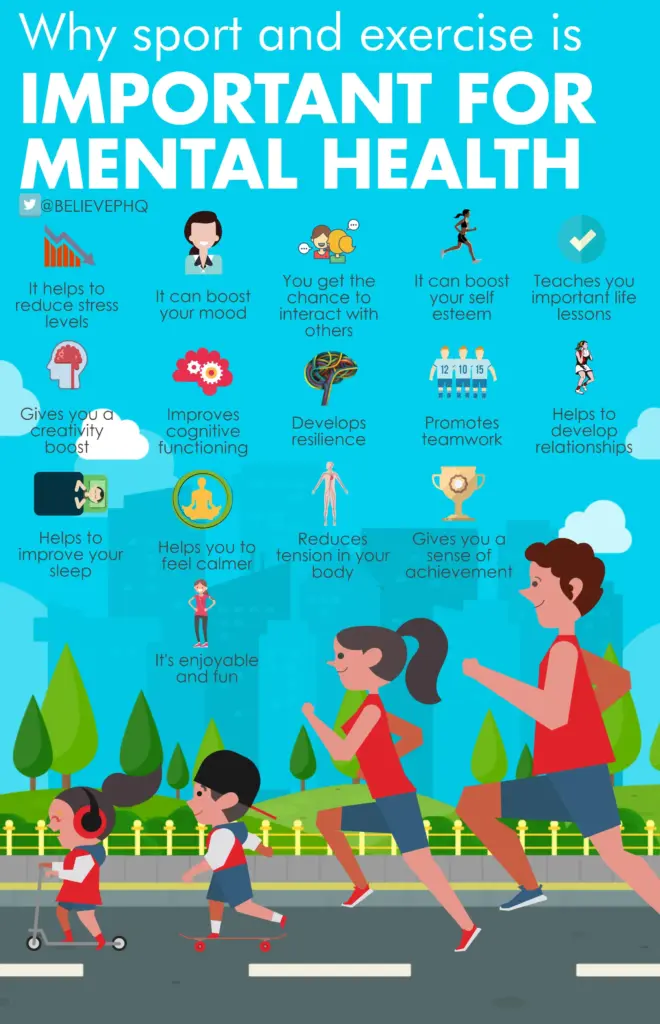
| Benefits of Physical Activity | Physical activity improves mood, reduces stress, enhances sleep quality, boosts self-esteem, provides social interactions, and promotes mindfulness. |
| Types of Physical Activity | Aerobic exercises, yoga, strength training, team sports, and outdoor activities are among the most beneficial for mental health. |
| Tips for Incorporating Physical Activity | Start small, choose enjoyable activities, set realistic goals, create a support network, and maintain consistency in exercise. |
Summary
Sport and mental health are deeply intertwined, with physical activity providing numerous benefits for psychological wellbeing. Regular engagement in sports and exercise not only enhances physical fitness but also significantly improves mental health by releasing endorphins, reducing stress, and fostering social connections. By making physical activity a part of one’s daily routine, individuals can combat anxiety and depression, enhance self-esteem, and develop a stronger sense of community. Therefore, integrating sports into daily life is a powerful strategy for improving overall mental health and achieving emotional resilience.

