Listen to this article
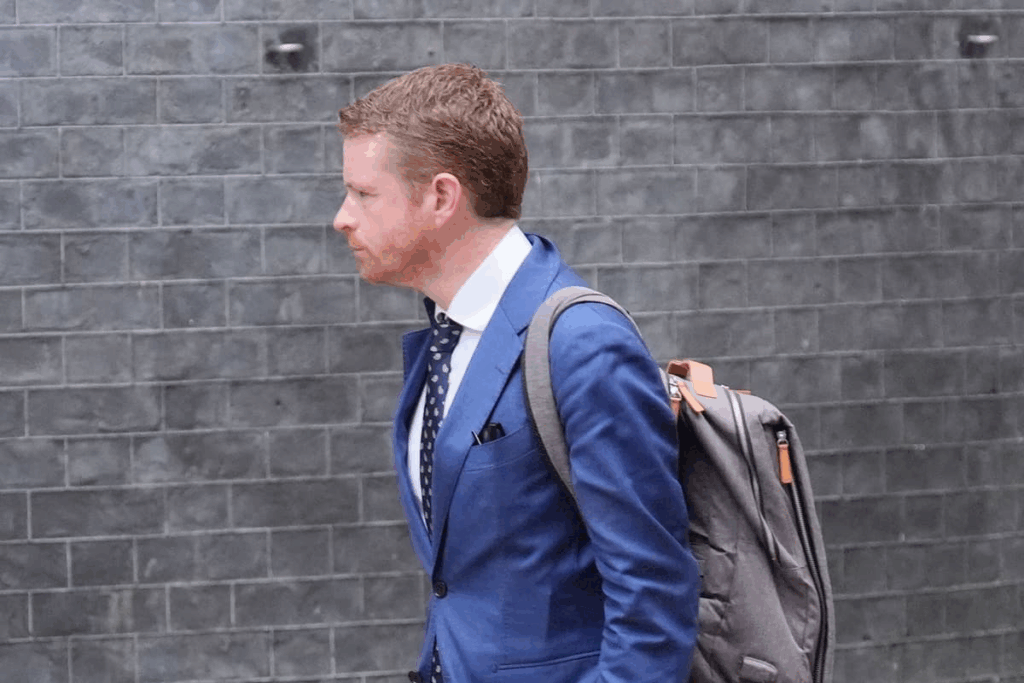
In light of the recent US strikes on Venezuela, the UK response has been cautious yet deliberate. Prime Minister Sir Keir Starmer emphasized that the UK was not involved “in any way” in these military actions targeting President Nicolas Maduro. Although he has not directly condemned the US operation, he indicated his commitment to assessing the situation and understanding the underlying facts before making a statement. Starmer is particularly focused on ensuring the safety of British citizens in Venezuela, coordinating with the UK embassy to provide necessary support. This response highlights the complex landscape of the Venezuela political situation and the UK’s diplomatic stance amidst rising tensions.
The international community watches closely as the UK grapples with its diplomatic position in response to American military interventions in Venezuela. The UK’s cautious approach, led by Prime Minister Sir Keir Starmer, reflects the need to balance international law and the realities of geopolitical actions against figures like Nicolas Maduro. With the recent US-led operation stirring debates about its legitimacy, the implications for British nationals residing in Venezuela have also come to the forefront. As tensions escalate, Shadow Foreign Secretary Dame Priti Patel’s remarks shed light on the broader sentiment towards the Maduro regime. Such dynamics underscore the intricate web of international relations and the need for measured responses in a rapidly evolving political climate.
Sir Keir Starmer’s Position on US Strikes in Venezuela
In the wake of recent tensions surrounding the US strikes on Venezuela, Prime Minister Sir Keir Starmer made it clear that the UK had no involvement in these military actions. He emphasized the importance of understanding the nuances of the situation before taking a definitive stance, highlighting his responsibility to both the UK parliament and the British citizens residing in Venezuela. By stating that he needed to establish the facts first, Starmer showcased a careful approach to foreign policy, aiming to prioritize diplomacy over impulsive reactions in a complicated international crisis.
Starmer’s commitment to international law was palpable as he articulated the need for thorough discussions, particularly with US President Donald Trump. With the stakes high, involving President Nicolás Maduro—accused of serious crimes—the Prime Minister reflected a cautious yet assertive position in regards to Britain’s global role. This stance positions the UK as a potential mediator in a contentious situation, balancing domestic concerns while being mindful of international obligations.
The Implications of US-Led Military Actions on Venezuela
The US strikes in Venezuela have not only stirred political tensions but have also raised questions about international law and sovereignty. The operation aimed at the capture of Nicolás Maduro suggests a significant shift in US policy and reflects an escalation of an already fraught political situation. As the US moves to exert military pressure on the Maduro regime, its implications extend beyond immediate outcomes; they may influence how nations perceive their own security and support for human rights in scenarios involving powerful states intervening in weaker nations.
There is a palpable anxiety among international observers regarding the legality of such unilateral actions, as many argue that they set a dangerous precedent. This concern resonates in the UK, where officials like Starmer are tasked with safeguarding British interests while maintaining a principled stance on international relations. It remains critical for the UK to navigate this politically charged environment cautiously, especially given the potential repercussions for British citizens living in Venezuela, who could become collateral damage in broader geopolitical confrontations.
The Role of British Citizens in Venezuela Amidst Political Unrest
With approximately 500 British citizens currently residing in Venezuela, the implications of US-led military actions are significant. The UK government, under Prime Minister Starmer’s direction, is focusing on the safety and wellbeing of these individuals, coordinating closely with the UK embassy in Caracas. This proactive measure reflects the government’s commitment to its citizens abroad, underscoring the importance of providing clear and timely advice against the backdrop of a rapidly changing political landscape.
The safety of British citizens is paramount, especially as tensions with the Maduro government heighten. The UK must ensure that its citizens are informed about the unfolding situation and the potential dangers associated with political unrest. Starmer’s administration is measured in its response, recognizing that while many may view the US actions as a long-awaited step against the Maduro regime, this could also spur retaliation or increased instability within Venezuela, putting lives at risk.
International Reactions to Venezuela’s Political Crisis
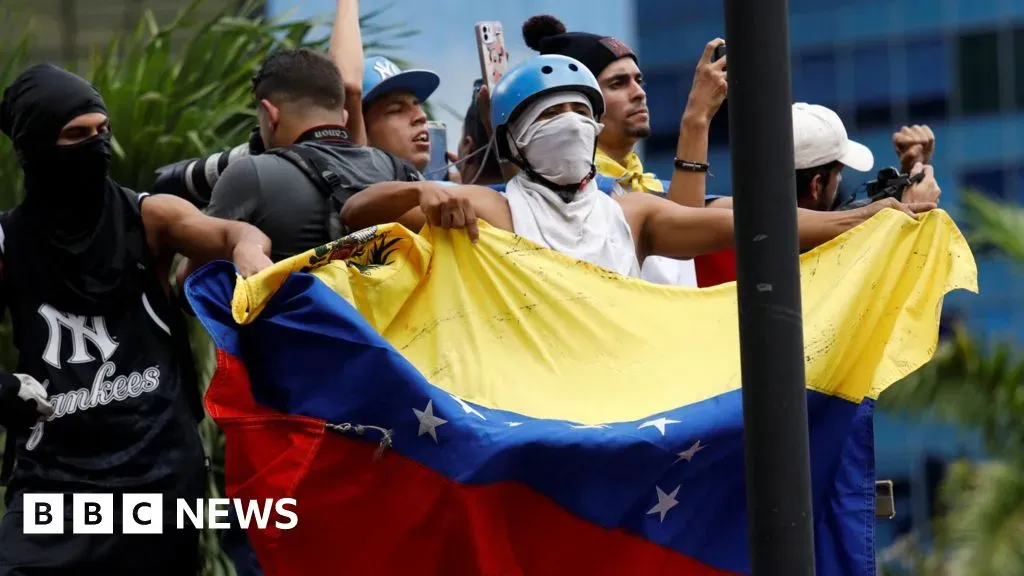
The international community’s reaction to the growing crisis in Venezuela has been mixed, with some countries applauding the US actions while others fiercely oppose any military intervention. Many nations have taken a stand against what they perceive as imperial overreach, adhering to a principle of non-intervention that seeks to respect Venezuela’s sovereignty. Critics argue that US involvement could exacerbate existing tensions and lead to even greater suffering among ordinary Venezuelans who are already facing significant hardships.
In contrast, some view the US strikes as a necessary evil to confront a regime that has allegedly participated in drug smuggling and widespread corruption. The dichotomy of opinion highlights a fractured international consensus surrounding Venezuela’s political situation. In the UK, political leaders like Dame Priti Patel express a sense of relief over the potential removal of Maduro, suggesting that there is considerable support for ending his presidency among certain factions within British politics. The growing divergence of views on this matter indicates that finding a unifying approach to the crisis remains a significant challenge.
Understanding the Historical Context of Venezuela’s Political Turmoil
To fully comprehend the current situation in Venezuela, one must examine the historical context that has led to its political turmoil. The rise of Nicolás Maduro following Hugo Chávez’s presidency marked a significant shift towards an authoritarian regime marked by economic faltering and social unrest. As the government faced internal challenges, external pressures, particularly from the United States, intensified. This cycle of turmoil has created a landscape where the Venezuelan populace suffers under economic sanctions and political repression, exacerbating the crisis.
Moreover, the history of foreign involvement in Latin America adds layers of complexity to Venezuela’s plight. Past interventions have often left nations in worse conditions, fostering skepticism among citizens about foreign motives. The role of British foreign policy, alongside US actions, continues to evolve as global dynamics shift. Any future attempts to stabilize Venezuela must consider the lessons learned from previous interventions, advocating for a diplomatic rather than a military resolution to the ongoing crisis.
The Future of Venezuela Under Potential New Leadership
With the political climate in Venezuela in flux, the future under potential new leadership remains uncertain. The prospects of removing Maduro from power could lead to a transitional government, but achieving stability will require consensus and collaboration among diverse political factions. The international community, including the UK, may play a pivotal role in supporting such a transition, ensuring that it is democratic and reflective of the Venezuelan people’s will.
Engagement with opposition leaders could open pathways to national dialogue and pave the way for necessary reforms. However, the entrenched nature of the current regime presents challenges, as entrenched political power rarely relinquishes control peacefully. Any movement towards a peaceful transition must involve the active participation of Venezuelan citizens, highlighting the importance of human rights and socioeconomic needs in the negotiations to avoid falling back into cycles of violence and repression.
Collaborative Efforts to Assist Venezuelan Citizens During the Crisis
Amidst this turbulent political environment, collaborative efforts by the UK and international organizations are crucial in providing humanitarian assistance to the Venezuelan populace. Understanding the dire humanitarian needs resulting from economic collapse, the UK can harness its diplomatic relationships to foster partnerships aimed at delivering aid directly to those in need. Initiatives to provide food, medical supplies, and support for refugees offer a lifeline to citizens facing the brunt of the political crisis.
Furthermore, enhancing communication systems enables better delivery of assistance and ensures that information regarding ongoing support reaches those affected. Involving local NGOs amid international responses can also foster trust and bolster efforts to maintain stability within communities. The future of Venezuelan citizens hinges not only on political change but also on sustained support from the international community to address immediate crises and lay the groundwork for long-term recovery.
The Impact of US Policies on Venezuela’s Future
US policies towards Venezuela, particularly in terms of sanctions and military actions, have profoundly impacted the country’s political landscape. Striking a delicate balance between exerting pressure on the Maduro regime without worsening the plight of ordinary Venezuelans is a complex challenge. Critics of US intervention argue that while the intention may be to foster change, the repercussions often result in increased hardship for individuals caught in the political crossfire.
The introduction of targeted sanctions has aimed to pressure Maduro while attempting to minimize collateral impact. Yet, the effectiveness of such approaches continues to be hotly debated. As Sir Keir Starmer emphasizes the UK’s interest in backing international law, there is a pressing need to review the long-term ramifications of US policy on Venezuelan stability. A multidimensional approach that incorporates dialogue, economic support, and humanitarian aid may yield more sustainable outcomes than military interventions alone.
Exploring Alternative Diplomatic Solutions to the Venezuelan Crisis
Given the complexities surrounding the Venezuelan political crisis, alternative diplomatic solutions are paramount for fostering peace and stability. As the UK seeks to navigate its foreign policy responsibilities, engaging in constructive dialogue with both the Maduro regime and the opposition can lay the groundwork for resolving longstanding tensions. Developing a comprehensive diplomatic strategy would require renewed commitment to collaboration among international actors, focusing on negotiation rather than confrontation.
Negotiation channels can facilitate the emergence of a transitional framework that prioritizes democratic processes, human rights safeguards, and economic recovery, envisioning a future where Venezuelans can reclaim their livelihoods. Countries such as the UK have an essential role to play in championing these discussions, promoting a multilateral approach that showcases international consensus on supporting peace and resilience in Venezuela. Overall, finding a diplomatic resolution is critical to ensuring a stable and prosperous future for the Venezuelan people.
Frequently Asked Questions
What is the UK government’s stance on US strikes in Venezuela?
The UK government, represented by Prime Minister Sir Keir Starmer, stated that it was not involved in any way in the US strikes on Venezuela. Starmer emphasized the need to establish facts before fully responding to the situation.
Did Sir Keir Starmer condemn the US strikes against Venezuela?
Sir Keir Starmer chose not to condemn the US strikes on Venezuela outright, as he stated that he wanted to gather more information and speak with US President Donald Trump before taking a definitive stance.
How is the UK handling the situation for British citizens in Venezuela?
Sir Keir Starmer mentioned that the UK is coordinating with its embassy in Venezuela to ensure the safety and well-being of approximately 500 British citizens living in the country, providing them with necessary advice amid the political turmoil.
What led to the US strikes on Nicolas Maduro in Venezuela?
The US strikes aimed to capture President Nicolas Maduro, following continuous accusations of drug smuggling and an illegitimate government by the US. Maduro has been indicted on drug and weapon charges in New York.
What did UK politicians say about the US actions in Venezuela?
While Sir Keir Starmer opted for a measured response, other UK politicians, such as Conservative shadow foreign secretary Dame Priti Patel, have strongly condemned Nicolas Maduro’s regime, implying support for its removal.
What implications do the US strikes on Venezuela have for international law?
Prime Minister Sir Keir Starmer emphasized the importance of upholding international law in light of the US strikes against Venezuela, highlighting the need for facts to guide any UK’s perspective on the legality of such actions.
What has the reaction been from the UK regarding the political situation in Venezuela?
The UK government is monitoring the rapidly evolving political situation in Venezuela and is focused on the safety of its citizens while awaiting more clarity on the US’s military operations.
Are there any anticipated future actions from the UK regarding US strikes on Venezuela?
As of now, no specific future actions have been indicated by the UK government regarding US strikes on Venezuela. Sir Keir Starmer has stated the importance of understanding the situation fully before any further comments or actions.
| Key Point | Details |
|---|---|
| UK Government’s Stance | Prime Minister Sir Keir Starmer stated that the UK was not involved in the US-led strikes on Venezuela. |
| Communication with US | Starmer has not yet spoken to President Trump regarding the operation. |
| Response to US Actions | Starmer aims to establish facts before taking a stance against the US actions. |
| UK Citizens in Venezuela | The UK embassy is coordinating care and advice for approximately 500 British citizens. |
| International Law | Starmer emphasized the importance of upholding international law while gathering more information. |
| Military Operations | US conducted operations to seize Maduro, leading to accusations against his regime. |
| Political Reactions | Dame Priti Patel expressed that there would be no sympathy for Maduro’s removal. |
Summary
The UK response to US strikes on Venezuela indicates a cautious approach from Prime Minister Sir Keir Starmer, who has confirmed that the UK was not involved in the actions taken against the Maduro regime. As he seeks to establish the facts and communicate with President Trump, Starmer is also ensuring the welfare of UK citizens in Venezuela. This situation highlights the complexities of international relations and the varying perceptions of legitimacy and legality surrounding the US’s military actions in Venezuela.