Listen to this article
The recent Iran protests have surged in intensity, fueled by widespread discontent over the crumbling economy and the plunging value of the rial. Donald Trump’s warning of potential US intervention should peaceful protesters suffer violence has intensified the global focus on the unrest, with Iran’s foreign minister labeling the remarks as “reckless and dangerous.” This escalation has reverberated across the nation, as demonstrators rally against their leadership amid fears of increased government repression. Amid the turmoil, at least eight fatalities have been reported, heightening tensions in a situation that echoes the protests sparked by Mahsa Amini’s tragic death a year earlier. The call for support by both the protesters and international observers raises critical questions about the future of stability in Iran, where the potential for US involvement could complicate already volatile circumstances.
As demonstrations unfold within Iran, there is mounting unrest among citizens who are voicing their frustrations over economic conditions and government policies. The ongoing disturbances have sparked a vital discourse on civil rights, highlighting the plight of those advocating for change, which resonates deeply with the backdrop of struggles faced by modern governments worldwide. Internal dissatisfaction has led to widespread demonstrations, garnering international attention and concern over the response to dissent. With key figures in the US government suggesting potential action should protesters be harmed, the international community is watching closely as the situation evolves. This complex web of protests, state responses, and global diplomatic tensions encapsulates a significant moment in Iran’s socio-political landscape.
Iran Protests: A Tipping Point for Change
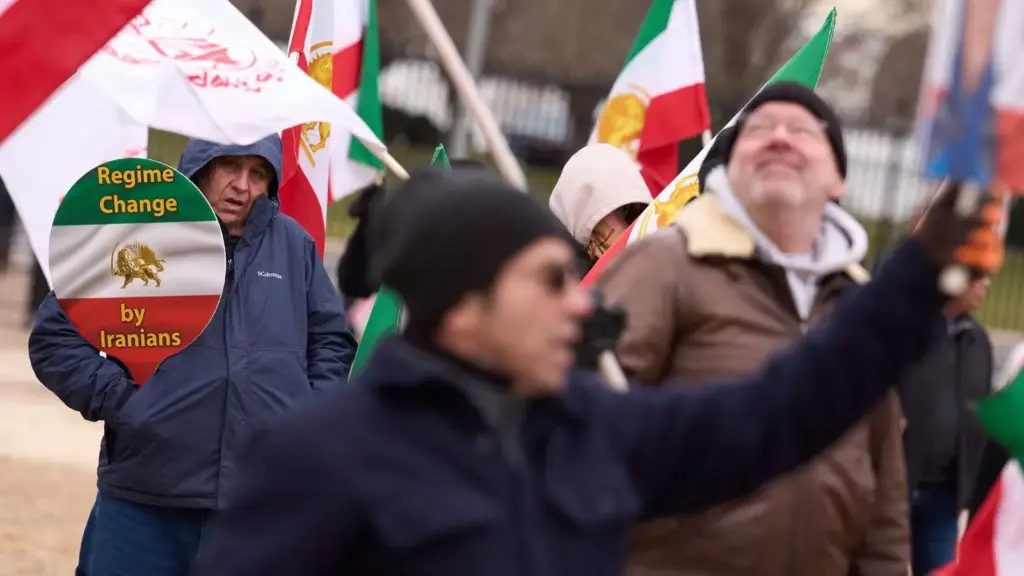
The ongoing Iran protests represent a significant moment for the country, echoing the sentiments of frustration over the economy and governance. It is crucial to recognize the determination and resilience of the peaceful protesters in Iran, who have taken to the streets demanding change, motivated primarily by the steep decline in the value of the rial and the economic struggles facing many citizens. The unrest is not just about the immediate grievances but reflects broader discontent with systemic issues that have plagued the nation for years.
As these Iran protests continue to gain momentum across cities, the voices of the peaceful demonstrators are amplified in the face of oppression. The Iranian government’s response has been critical, as evidenced by the comments from officials like Abbas Araghchi, emphasizing their rejection of any external influence. The determination of these protesters symbolizes a larger desire for reform, highlighting the importance of addressing economic concerns rather than suppressing dissent.
Trump’s Warning: Impact on Iran’s Domestic Situation
Donald Trump’s recent warning regarding potential US intervention if peaceful protesters in Iran are harmed has stirred significant debate. His assertion that the US is “locked and loaded” places the spotlight on the tensions between Iran’s internal affairs and external political influences. This raises questions about the effectiveness of such threats; many argue that they could exacerbate the unrest rather than provide relief to the peaceful protesters in Iran, who merely seek improvement in their quality of life.
Trump’s rhetoric underscores the geopolitical complexities relating to Iran’s protests, especially in light of the previous US interventions in the region. Such statements may unintentionally provoke a backlash against the already beleaguered demonstrators, who could become victims in a larger political game, emphasizing the delicate balance that exists between foreign influence and the sovereignty of Iranian society.
The Role of the International Community in Iran’s Protests
The international community’s response to the ongoing protests in Iran is critically important. Institutions like the United Nations have a role to play in mediating tensions and providing humanitarian support to peaceful protesters facing violence. Iran’s UN Ambassador Amir-Saeid Iravani has called for a denouncement of external threats, illustrating the nation’s resistance to external interference while seeking recognition of its right to self-determination.
As Iran struggles with an economically-driven unrest, the global outlook should be one of support for peaceful protest rather than military intervention. This could include fostering dialogue rather than exacerbating tensions, which affirms the legitimacy of the protesters’ grievances and acknowledges the complexity of Iran’s economic challenges.
Economic Factors Driving Iran’s Protests
The economic landscape in Iran is precarious, primarily characterized by rampant inflation and a devalued currency, which have spurred mass protests. Shopkeepers’ frustration over the collapse of the rial against the dollar has catalyzed a larger social movement demanding accountability and better living conditions. Understanding the root economic causes of the unrest is critical for any potential resolution, as failure to address these issues could lead to further unrest and instability.
The connection between the economy and public sentiment in Iran cannot be overstated. As citizens grapple with rising costs and decreasing purchasing power, the protests shift from mere expressions of discontent to demands for systemic reform. Without intervention to stabilize the economy, the protests might continue to grow, potentially leading to widespread upheaval and increased pressure on the government.
Responses from Iranian Officials Amid Protests
In light of the ongoing protests, Iranian officials have issued a range of responses, from calls for dialogue to threats of decisive actions against dissent. President Masoud Pezeshkian has indicated an openness to addressing the protesters’ “legitimate demands,” while others in power caution against potential destabilization. This duality in response reflects the government’s acknowledgment of dissent while maintaining a hardline stance against any threats to order.
The mixed signals from Iranian leadership highlight the internal conflict facing the regime. On one hand, there is a recognition of the need for reform to tackle the pressing issues raised by the protests; on the other, there is an immense fear of losing control that could lead to a more aggressive crackdown on dissenters. The balance between appeasement and repression is precarious, complicating the path forward for both the government and the protesters.
Peaceful Protests vs. Government Response
The contrast between the intent of peaceful protesters in Iran and the government’s reaction speaks volumes about the current state of civil liberties in the country. The protesters are advocating for fundamental changes driven by legitimate economic concerns, yet their peaceful demonstrations are met with forceful resistance. The government’s portrayal of protesters as potential “enemies” attempting to incite chaos illustrates a troubling trend where peaceful dissent is not just discouraged but actively suppressed.
Understanding the implications of the Iranian government’s stance on dissent is vital for contextualizing the broader political environment. The authoritarian response to peaceful protests could lead to escalating violence, which not only undermines the legitimate grievances of the protesters but also disrupts any chances of productive dialogue that could facilitate meaningful change.
US Intervention: Historical Context and Current Implications
US intervention in Iran’s affairs has a long and contentious history, with previous actions often leading to significant backlash and unrest within the nation. The recent threats from Trump highlight the potential for further escalation and the historical pattern wherein outside forces complicate internal issues. Understanding this context is crucial as the Iranian populace seeks to navigate the complexities of their demands without foreign interference overwhelming their calls for reform.
The implications of potential US intervention cannot be understated, as it risks transforming a domestic struggle into a geopolitical battleground. This transformation could hinder the ability of peaceful protesters to push for change, as public opinion might shift to viewing the protests through the lens of foreign subversion rather than legitimate calls for reform. It is essential for the international community to advocate for support systems that prioritize dialogue and understanding, rather than military threats.
The Legacy of Past Protests in Shaping Current Unrest
Recent protests in Iran are deeply rooted in historical grievances, particularly those stemming from the uprising following the death of Mahsa Amini. This legacy of dissent continues to shape the current unrest, as each generation grapples with the failures of leadership and governance in addressing the needs of the public. Historical context offers insights into the motivations driving protesters today who seek social justice and economic reforms against a backdrop of systemic injustice.
The connection between past movements and current protests illustrates the power of collective memory in mobilizing citizens. Understanding the lessons learned from previous uprisings can aid current protesters in refining their demands and strategies, promoting continuity in the quest for improved living conditions and human rights in Iran.
International Reactions to Iran’s Sociopolitical Landscape
The international response to the Iranian protests highlights the complexities of global politics intertwined with local unrest. Various countries and organizations have been monitoring developments, with differing views on how to address the situation. The calls for action, condemnations of violence against peaceful protesters, and suggestions for reform indicate that there is growing recognition of the need for a balanced and thoughtful approach to the unrest in Iran.
However, the involvement of external actors must be approached cautiously to avoid exacerbating tensions. While cries for accountability and justice resonate globally, it is crucial that any response honors the sovereign right of the Iranian people to determine their own future without outside intervention that could further destabilize the region.
Frequently Asked Questions
What triggered the Iran protests related to the economy?
The Iran protests were primarily triggered by widespread anger among shopkeepers and citizens over the steep decline in the value of the Iranian currency, the rial, against the US dollar. This economic distress led to demonstrations in Tehran and other cities, calling for accountability from the Iranian government.
How has the US responded to the Iran protests?
The US response to the Iran protests has included President Trump’s warning that the United States would intervene if peaceful protesters are harmed. He stated that Washington would come to the rescue of demonstrators, indicating potential military support in case of violent suppression.
What did Iran’s foreign minister say about Trump’s warning on Iran protests?
Iran’s foreign minister, Abbas Araghchi, described Trump’s warning regarding US intervention in the Iran protests as ‘reckless and dangerous.’ He emphasized that Iran would not tolerate any foreign interference in its internal affairs and affirmed that the Iranian armed forces were prepared to respond if necessary.
What has been the impact of the Iran protests on Iranian civilians?
The Iran protests have resulted in significant unrest, with reports of fatalities among civilians. At least eight individuals have been reported dead as confrontations between protesters and police escalated. The protests highlight the frustrations of the Iranian populace, especially regarding economic instability and authoritarian governance.
What are the concerns about US intervention in the Iran protests?
Concerns regarding US intervention in the Iran protests include potential escalation of conflict and further violence against peaceful protesters. Critics argue that foreign interference may exacerbate tensions rather than support the demonstrators advocating for democratic changes and economic reforms.
How have Iranian officials responded to the Iran protests and foreign threats?
Iranian officials have asserted their authority, with President Masoud Pezeshkian acknowledging the ‘legitimate demands’ of protesters while the Prosecutor General warned of a decisive response to any attempts at destabilization. Additionally, Iran’s UN ambassador has called for international condemnation of perceived threats from the US.
How do the current Iran protests compare to previous uprisings?
The current Iran protests are noted as the most widespread demonstrations since the 2022 uprising triggered by the death of Mahsa Amini. While these recent protests show significant public dissent, they have not yet reached the same level of intensity or urgency as the protests following Amini’s death.
What role do peaceful protesters play in the current Iran unrest?
Peaceful protesters are central to the current Iran unrest, expressing their demands for economic reform and governmental accountability. Their safety has become a focal point of international attention, particularly with warnings from leaders like Trump regarding potential US intervention if these protesters face violence.
| Key Point | Details |
|---|---|
| Trump’s Warning | Trump warned that the US would intervene if Iran killed peaceful protesters. |
| Iran’s Response | Iran’s Foreign Minister Abbas Araghchi condemned Trump’s remarks as reckless and stated that Iranian armed forces were on standby. |
| Protestor Casualties | Eight protesters have died during the week-long protests which began due to economic grievances. |
| Protests Spread | Protests began in Tehran and spread across several cities, gaining momentum from university students. |
| Government Stance | Iranian President Masoud Pezeshkian acknowledged protesters’ legitimate demands, while the Prosecutor General vowed a decisive response to instability. |
| UN Involvement | Iran’s UN Ambassador called for the UN Security Council to denounce Trump’s threats. |
Summary
The ongoing Iran protests reflect significant public discontent over economic issues, as Donald Trump’s recent remarks have escalated tensions. Both protests and casualties have increased, with at least eight reported deaths. The Iranian government appears resolute in maintaining order and dismissing external interference, while international responses, particularly from the US, continue to provoke further reactions. The situation remains tense as Iran navigates between internal pressures and external threats.