Listen to this article
E-sport, the rapid rise of competitive gaming, has captured the imaginations of millions and ingrained itself into the fabric of modern entertainment. As e-sports tournaments attract vast audiences and offer significant prize pools, the industry has transformed from a hobby into a major segment of the global entertainment market. With professional gamers showcasing their skills in events watched by fans worldwide, a vibrant gaming culture has emerged that connects diverse communities. The created gaming community not only celebrates gameplay excellence but also influences trends and economic implications within the e-sports market. With its meteoric growth and backing from influential brands, e-sport is undoubtedly a fundamental component of contemporary society.
The phenomenon commonly referred to as electronic sports, or competitive video gaming, serves as a vibrant arena where players demonstrate their skills in various formats through intense competition. As the landscape broadens, terms like digital athletics and online gaming competitions are gaining traction, underscoring the evolution in how we perceive and engage with this form of entertainment. Tournaments that bring together passionate players and enthusiastic fans foster a unique gaming culture, akin to the traditional sports scene. This immersive environment not only solidifies the role of professional gamers but also contributes significantly to the expansive e-sports industry and its burgeoning market. As more people join the digital arena, the implications for the gaming community and its future potential remain remarkably promising.
The Explosive Growth of the E-Sports Industry
The e-sports industry has experienced explosive growth in recent years, evolving from a niche recreational activity into a multi-billion-dollar global powerhouse. The surge in popularity can be attributed to several factors, including the rise of online streaming platforms and the increasing availability of high-speed internet. Millions of viewers tune in to watch professional gamers compete in large-scale e-sports tournaments, highlighting the shift from traditional sporting events to digital arenas. This thriving ecosystem fosters a vibrant gaming culture that continues to gain momentum across various demographics.
Major gaming titles like League of Legends, Dota 2, and Fortnite have become household names, drawing in players and spectators alike. The traditional sports model of fan engagement has been adapted within the e-sports landscape, combining elements like live broadcasts, merchandise sales, and mobile viewing options to enhance the viewer experience. As recognition for e-sports grows, traditional sports leagues, including the NBA and NFL, have begun to explore partnerships and investments in this dynamic sector, further solidifying the legitimacy of competitive gaming.
Understanding Gaming Culture: E-Sports as a Community
Gaming culture has evolved significantly with the rise of e-sports, creating an inclusive and energetic community. This culture encompasses not just play but also social interaction, where fans gather both online and offline to share their passion for gaming. E-sports tournaments act as conventions, where players and fans can unite and celebrate their shared interests, creating lasting bonds and friendships. The widespread use of social media has amplified this communal experience, allowing gamers to connect, share strategies, and celebrate victories together.
Moreover, the growth of e-sports has given rise to numerous streaming platforms, with Twitch being a frontrunner where gamers can showcase their skills to a global audience. This streaming phenomenon has democratized fame in gaming, allowing professional gamers to build personal brands akin to traditional athletes. As viewers watch live gameplay and interact in real-time chat, the line between participant and spectator blurs, fostering a unique environment that promotes engagement and community-building among fans.
Economic Impact: E-Sports as a Lucrative Market
The economic implications of e-sports are significant, with the industry generating revenues through various streams such as sponsorships, advertising, and merchandise sales. Top players and teams attract lucrative deals from major global brands eager to tap into the vast audience e-sports provides. Companies like Red Bull and Coca-Cola have formed partnerships with prominent e-sports events, recognizing the potential of connecting with younger demographics through gaming. This influx of investment helps to sustain the industry and encourages its continued growth.
Additionally, the e-sports market has spurred job creation in sectors like event management, marketing, and game development. Professional gamers no longer focus solely on competition but also on content creation, sponsorship fulfillment, and community engagement. As universities introduce e-sports programs and scholarships, the industry is grooming the next generation of talent, providing educational pathways that bridge gaming with professional success. This expanding market presents unique opportunities for individuals looking to forge careers in this exciting field.
Challenges and Controversies in E-Sports
While the e-sports industry flourishes, it is not without significant challenges. Issues such as cheating, harassment, and toxicity within gaming communities pose serious threats to its credibility and growth. Cheating scandals can tarnish the reputation of e-sports tournaments, prompting organizers to invest more resources into authentication measures. Regulatory scrutiny is increasing as governing bodies seek to establish standardized rules to protect player integrity and foster fair competition.
Furthermore, harassment and toxicity have surfaced as pervasive problems within the gaming community, necessitating the need for proactive measures to ensure a welcoming environment for all. Various organizations are advocating for inclusivity, promoting diverse representation within teams and events. Addressing these challenges is essential for e-sports to maintain its status and appeal, ensuring that it fosters a positive culture that welcomes players and fans from all walks of life.
The Future of E-Sports: Trends on the Horizon
The future of e-sports looks promising, with several trends poised to shape its trajectory in the coming years. The integration of cutting-edge technology, such as virtual reality (VR) and augmented reality (AR), could revolutionize competitive gaming formats and player experiences. These innovations are set to create more immersive environments, attracting new audiences and potentially increasing participation rates. By enhancing interaction, these technologies may attract mainstream interest, challenging the boundaries of conventional gaming.
Additionally, the rise of educational programs focused on e-sports is laying the foundation for upcoming talent in the industry. As schools and universities implement e-sports curriculums and related scholarships, a new generation of gamers and professionals will emerge, further integrating e-sports into mainstream culture. This educational shift reinforces the idea that gaming is more than entertainment; it is shaping the future workforce in various disciplines, from game design to marketing.
Live Streaming: A Game Changer in E-Sports
The phenomenon of live streaming has fundamentally altered how audiences experience e-sports. Platforms such as Twitch and YouTube Gaming have become vital avenues for professional gamers to engage with their fans, showcasing their skills while interacting in real time. This accessibility allows fans to feel directly connected to their favorite players, blurring the lines between star and viewer. The immediacy of live streaming shapes viewer habits and expectations, creating a culture that thrives on instant gratification and community interaction.
Furthermore, live streaming influences financial models within e-sports, enabling content creators to generate income through subscriptions, donations, and sponsored content. Gamers can monetize their channels while building personal brands in the process, often becoming influential figures within the gaming community. As the industry continues to evolve, live streaming will remain a pivotal component in boosting engagement and fostering relationships between players and audiences.
Sponsorships and Brand Partnerships in E-Sports
Sponsorships play an integral role in the growth and sustainability of the e-sports industry. Major companies invest significantly in e-sports events and tournaments, recognizing the potential to reach an engaged audience of millions. Brands collaborate with game developers, players, and teams to create tailored marketing strategies that resonate with the gaming community. The presence of corporate sponsorship not only legitimizes e-sports further but also provides essential financial support for both players and tournament organizers.
Moreover, the strategic partnerships formed between e-sports entities and brands often extend beyond traditional advertising. Collaborations can manifest in various forms, such as co-branded merchandise, digital campaigns, and exclusive events. This symbiotic relationship benefits both parties, as brands gain access to a passionate customer base while e-sports receive the funding necessary to host larger events and enhance viewer experiences. As e-sports continues to mature, partnerships with industry giants will shape its future direction.
Crossover Between Traditional Sports and E-Sports
The crossover between traditional sports and e-sports has become increasingly pronounced, as both industries recognize their potential for collaboration. Prominent athletes from traditional sports are venturing into e-sports, either as team owners or as players themselves. This trend has resulted in increased legitimacy for e-sports, as established talent brings their star power and audiences together. Additionally, traditional sports leagues are investing in e-sports teams, marking a significant endorsement of its growing relevance.
Furthermore, the blending of both worlds is evident in the rise of e-sports-themed events that mirror traditional sports formats. Competitors face off in arenas filled with fans, and just like conventional games, the atmosphere features commentators, analysis, and thrilling narratives that draw viewers in. This convergence represents a pivotal moment for e-sports, as it seeks to carve out its identity while appealing to broader audiences traditionally engaged in physical sports.
E-Sports Tournaments: The Heartbeat of Competitive Gaming
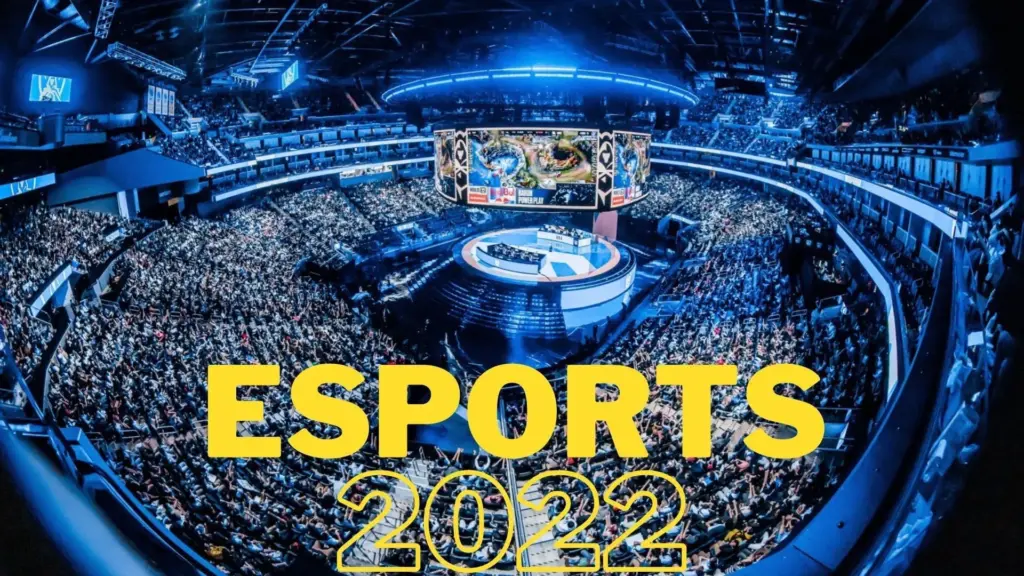
E-sports tournaments are the heartbeat of the competitive gaming scene, serving as the ultimate showcase for both players and games. These events attract thousands of fans either in-person or via online streams, offering exhilarating experiences filled with high-stakes competition and drama. Major tournaments, like The International and the League of Legends World Championship, feature intense gameplay, professional commentary, and grand prize pools that elevate the prestige associated with e-sports.
The thrill of tournament play creates unique narratives as players and teams vie for victory, solidifying their legacies on the global stage. Fans become emotionally invested in the journeys of their favorite teams and players, cultivating a sense of loyalty akin to traditional sports fandom. As e-sports continue to grow, tournament formats will diversify, embracing innovations that enhance competitiveness and engagement, ensuring e-sports remains at the forefront of the gaming culture.
Frequently Asked Questions
What are e-sports tournaments and how do they work?
E-sports tournaments are organized competitions where professional gamers or teams compete against each other in popular video games. These events can vary in scale, from local competitions to major international events with multi-million dollar prize pools. Typically, tournaments have structured brackets, rules, and are often streamed live, attracting large audiences both in person and online.
How has the e-sports industry evolved in recent years?
The e-sports industry has rapidly evolved from a niche pastime into a multi-billion dollar market. This growth includes increased sponsorship deals, improved event organization, and a larger audience base. Major gaming companies are investing in developing competitive gaming culture, which has solidified e-sports’ position in the global entertainment landscape.
What role do professional gamers play in the gaming community?
Professional gamers are key figures in the gaming community, often serving as role models and influencers. They not only compete in e-sports tournaments but also engage with fans through live streaming platforms. Their success and presence popularize games and attract new players, fostering a vibrant and growing gaming culture.
What are the economic impacts of the e-sports market?
The e-sports market significantly impacts the economy through sponsorships, advertising, ticket sales, and merchandise. Major brands are investing in e-sports, further validating its place in the entertainment industry. This growth has also generated new job opportunities in areas such as game development, marketing, and event management.
How do e-sports contribute to the gaming culture?
E-sports contribute to gaming culture by fostering community engagement, creating dedicated fanbases, and elevating gaming from mere entertainment to a competitive and celebrated phenomenon. Events often draw diverse audiences, unifying casual fans and hardcore gamers alike and further strengthening the gaming community.
What challenges does the e-sports industry face?
The e-sports industry faces several challenges, including issues of cheating, harassment among players, and regulatory scrutiny. Organizers work to establish guidelines for fair play, but maintaining integrity and ensuring a welcoming environment for all participants remain ongoing obstacles.
What does the future hold for competitive gaming and e-sports?
The future of competitive gaming and e-sports looks promising, with potential for growth driven by technology such as virtual reality and augmented reality. Additionally, as more educational institutions offer scholarships and courses related to e-sports, this legitimizes gaming as a career path and expands the audience.
How are e-sports tournaments structured?
E-sports tournaments are typically structured around brackets that determine the matchups between teams or individuals. These tournaments can feature various game formats, including single elimination, double elimination, or round-robin. Proper organization ensures a fair competitive environment and enhances the viewing experience for audiences.
How do sponsorships impact the e-sports industry?
Sponsorships play a pivotal role in the e-sports industry by providing significant funding for teams, events, and promotions. These deals often reach millions of dollars, helping to establish e-sports as a credible entertainment option and enabling organizers to enhance event experiences, leading to more engagement and growth.
What is the global reach of the e-sports audience?
The global e-sports audience is projected to exceed 600 million by 2025, comprising both spectators and participants. This immense reach highlights e-sports’ versatility across global markets and cultures, showcasing its potential to connect diverse groups through shared gaming experiences.
| Aspect | Description |
|---|---|
| Growth of E-Sports | E-sports have transitioned from a niche hobby to a global phenomenon, with a projected audience of over 600 million by 2025. |
| Cultural Impact | E-sports influence culture by shaping identities, building communities, and creating a direct connection between players and fans. |
| Economic Aspects | E-sports generate significant revenue through sponsorships, streaming, and ticket sales, with major brands actively promoting the industry. |
| Challenges | The industry faces challenges such as cheating, harassment, and the need for regulatory frameworks to maintain integrity. |
| Future Prospects | Technological advancements and educational recognition of e-sports hint at continued growth and new opportunities for engagement. |
Summary
E-sport has evolved impressively, transitioning from casual gaming into a significant cultural and economic force. This rapid rise is reflected in its immense audiences and the establishment of a competitive industry. However, as e-sport faces various challenges, including maintaining integrity and inclusivity, its future remains promising with potential advancements and greater recognition in society. The ongoing global interest in e-sport ensures it will maintain a crucial role in shaping entertainment and culture moving forward.