
Listen to this article
Sport science is a fascinating interdisciplinary field that merges the principles of physics and biology to enhance athletic performance. Delving into areas such as biomechanics, exercise physiology, and the latest training methods, sport science seeks to optimize how athletes train, compete, and recover. This innovative branch of study not only focuses on understanding energy systems but also leverages sports technology to improve performance outcomes. With a firm emphasis on the mechanics of movement, sport science provides athletes and coaches with valuable insights into efficiency and effectiveness in their training regimens. By exploring the scientific foundations of sports, we can uncover the secrets that propel our best athletes to greatness.
In recent years, the exploration of athletic performance through scientific lenses has also been referred to as sports science research or applied exercise science. This area of study integrates concepts from physiology and mechanics with cutting-edge technology to analyze the dynamics of physical activity. Topics within this field encompass topics like training optimization, injury prevention, and the physiological responses athletes experience during intense competitions. Additionally, the advancements in tools and methodologies allow for a deeper understanding of how various energy systems respond to different training stimuli, paving the way for tailored athletic development. Therefore, the investigation of sports through these scientific approaches not only enhances individual capabilities but also elevates the overall standard of athletic excellence.
The Intersection of Exercise Physiology and Athletic Training
Exercise physiology is a critical component of sport science that focuses on how the body responds to physical activity. Understanding the physiological changes that occur during exercise helps athletes and coaches devise training programs that enhance performance and minimize injury risk. For example, knowledge of cardiovascular and muscular adaptations allows trainers to adjust training intensity and volume, ensuring that athletes can push their limits safely and effectively.
The principles of exercise physiology also shed light on recovery strategies. After intense training sessions, athletes’ bodies undergo various biological processes, including muscle repairing and glycogen replenishment. Recognizing the importance of rest and nutrition in these recovery periods enables athletes to improve performance while avoiding burnout. By integrating exercise physiology into training regimens, athletes can achieve a balance that maximizes their athletic potential.
Understanding Biomechanics in Sports Performance
Biomechanics plays a pivotal role in analyzing athletic performance by examining the mechanical aspects of human movement. By applying principles from physics, such as kinematics and dynamics, biomechanics helps identify optimal movement patterns for different sports disciplines. For instance, a biomechanical analysis can unveil an athlete’s center of mass and how their body adjusts during dynamic activities like basketball or soccer, providing invaluable insight into technique enhancement.
Furthermore, biomechanics is essential in injury prevention. By understanding the forces and torques acting on the body during sporting activities, coaches can modify training techniques to reduce the risk of injuries. Correct biomechanical patterns lead to better performance and lesser wear on the body, emphasizing the need for athletes to routinely work with biomechanists to refine their techniques and ensure that they are moving efficiently.
The Role of Energy Systems in Athletic Performance
Energy systems are fundamental to understanding how athletes perform across different types of sports. There are primarily three energy systems: the ATP-PC system, anaerobic glycolysis, and oxidative phosphorylation, each contributing to performance in unique ways. Athletes involved in short, high-intensity events like sprinting rely heavily on the ATP-PC system, while those competing in endurance sports utilize aerobic energy systems. Knowledge of these systems enables athletes to tailor their training accordingly.
For instance, a sprinter focusing on anaerobic training can incorporate short, intense intervals to enhance explosive power, while a long-distance runner might benefit from aerobic conditioning to improve stamina. By optimizing energy system training, athletes can enhance their performance significantly, ensuring they remain competitive in their respective sports.
Technological Innovations in Sport Science
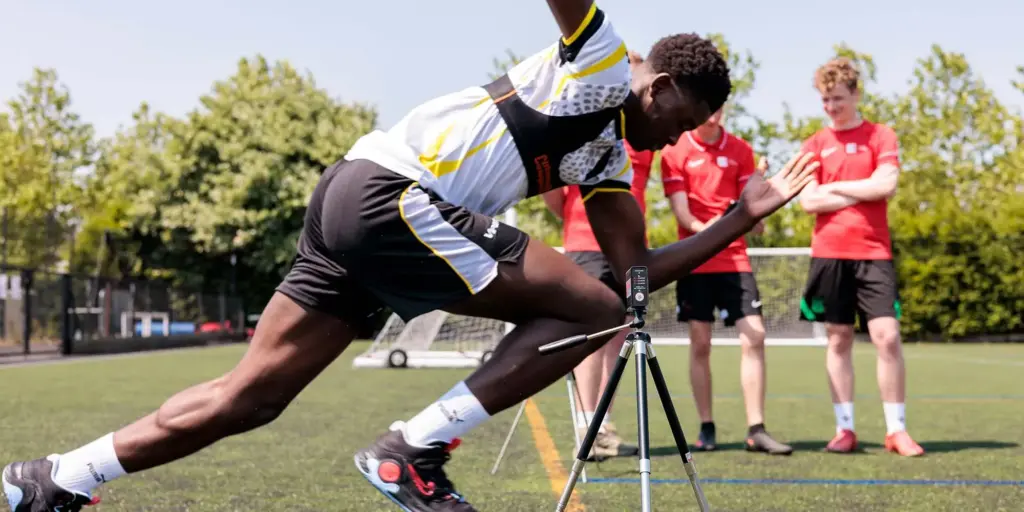
The advent of technology in sport science has revolutionized how athletes train and improve their performance. Wearable technology, such as heart rate monitors and GPS trackers, provides athletes with real-time data about their physical exertion levels and recovery times. This data is invaluable for making informed training adjustments tailored to the athlete’s unique physiological responses, allowing for more efficient and effective training regimens.
Moreover, advancements in fields like biomechanics and exercise physiology, powered by data analytics, have transformed coaching methodologies. Coaches can analyze performance metrics and trends over time, pinpointing areas for improvement that were previously undetectable. This integration of technology with sport science not only enhances athlete performance but also promotes a more scientific approach to training and injury prevention.
The Impact of Nutrition on Athletic Performance
Nutrition is a cornerstone of sport science that directly affects an athlete’s performance and recovery efforts. Understanding the nutrient requirements for optimal performance helps athletes make informed dietary choices. For example, a well-planned intake of macronutrients, such as proteins, carbohydrates, and fats, can significantly influence energy levels and recovery outcomes.
Athletes must recognize the timing of nutrient consumption, particularly around training sessions. Consuming a proper ratio of carbohydrates and proteins post-exercise promotes muscle recovery and replenishes glycogen stores. By integrating nutritional knowledge into their training plans, athletes can set themselves up for success both in competition and during recovery phases.
Recovery Strategies in Sport Science
Recovery is an essential aspect of athletic training that can greatly influence performance and injury prevention. Effective recovery strategies incorporate both physiological and psychological elements, allowing athletes to rejuvenate both their bodies and minds. This could include techniques such as active recovery sessions, proper nutrition, and hydration to facilitate healing in between high-intensity training bouts.
Moreover, advanced recovery technologies, such as cryotherapy and hydrotherapy, are becoming increasingly popular among athletes seeking to enhance their recovery processes. By understanding the science of recovery, athletes can ensure they are not only physically prepared but also mentally refreshed for their next performance, ultimately leading to better athletic outcomes.
The Science of Performance Analysis
Performance analysis is fundamental in sport science, allowing athletes and coaches to evaluate effectiveness and efficiency in their sports disciplines. By utilizing video analysis and statistical software, coaches can dissect gameplay, identifying strengths and weaknesses in both individual and team performances. This level of scrutiny aids in developing targeted training strategies that can enhance specific skills and tactics.
Additionally, performance metrics derived from analysis can be pivotal in injury prevention. Tracking changes in performance and physical capacity can signal when an athlete may be at risk of overtraining or injury. By regularly assessing performance data, coaches can adjust training loads and prevent setbacks, ensuring their athletes remain healthy and competitive.
Injury Prevention Through Sport Science Knowledge
Injury prevention is one of the most critical outcomes of implementing sport science principles into training programs. By understanding the underlying biomechanics and physiological demands of different sports, coaches can design training regimens that strengthen weaknesses and alleviate stress on vulnerable body parts. This proactive approach is essential in reducing the incidence of common injuries seen in athletes.
Furthermore, educating athletes about proper movement mechanics and the importance of listening to their bodies allows for better self-regulation during training. Recognizing the signs of fatigue and overuse can be pivotal in preventing injuries that could sideline an athlete for extended periods. Through a comprehensive understanding of sport science, injury prevention becomes a shared responsibility between athletes, coaches, and sport scientists.
Future Trends in Sport Science and Athletic Training
As sport science continues to evolve, the future holds promising advancements that may further enhance athletic performance. Emerging technologies, including AI-driven analytics and virtual reality training simulations, are paving the way for personalized training experiences. These innovations aim to harness vast amounts of data to provide individualized coaching strategies that cater specifically to an athlete’s needs.
Moreover, the increasing emphasis on mental health and psychology in sports performance signifies a broader understanding of what contributes to success. By acknowledging the impact of mental resilience and psychological preparedness in conjunction with physical training, athletes can achieve a more holistic approach to their development. The synergy of these advancements in sport science holds exciting potential for the future of athletic training.
Frequently Asked Questions
What is the importance of biomechanics in sport science?
Biomechanics plays a crucial role in sport science by analyzing the mechanical aspects of human movement. Understanding biomechanics helps athletes optimize their techniques, enhance their athletic performance, reduce the risk of injuries, and develop effective training methods tailored to their specific sports.
How do energy systems impact athletic performance in sport science?
In sport science, energy systems are essential for understanding how athletes generate energy during different types of physical activity. The aerobic system supports endurance activities while the anaerobic system fuels short bursts of high-intensity efforts. Training specific energy systems can significantly improve an athlete’s overall performance.
What role does exercise physiology play in enhancing athletic performance?
Exercise physiology is a fundamental aspect of sport science that examines the body’s responses to physical activity. By understanding how the body adapts to training, athletes can develop customized training methods that improve endurance, strength, and overall athletic performance, ensuring they reach their full potential.
How can technology improve training methods in sport science?
Sports technology, including wearable devices and performance analytics, provides athletes and coaches with real-time data on metrics such as heart rate and fatigue levels. This information allows for informed decisions regarding training intensity and recovery, ultimately enhancing athletic performance and reducing the risk of injury.
Why is understanding muscle fiber types important in sport science?
Understanding muscle fiber types—fast-twitch and slow-twitch—is essential in sport science because it affects an athlete’s strengths and capabilities. Tailoring training methods to an athlete’s dominant muscle fiber type can help maximize performance in their respective sport, whether it be sprinting or endurance running.
What impact do hormonal responses have on athletic performance in sport science?
Hormonal responses, such as the release of adrenaline and cortisol, significantly influence athletic performance by regulating energy levels and recovery. In sport science, knowledge of these hormonal effects helps athletes devise effective training regimens that optimize performance while managing stress and recovery periods.
How does biomechanics contribute to injury prevention in sports?
Biomechanics offers insights into the mechanics of movement, helping to identify improper techniques that could lead to injuries. By applying biomechanical analysis, coaches and trainers can implement corrections and adjustments to athlete training methods, thus minimizing injury risks and enhancing performance.
What are some advanced training methods used in sport science?
Advanced training methods in sport science include biomechanical analysis using motion capture technology, personalized nutrition plans based on energy requirements, and focused recovery strategies that incorporate physiotherapy and strength conditioning to enhance athletic performance.
How has data analytics influenced sport science training?
Data analytics has revolutionized sport science by enabling teams to analyze performance trends and metrics over time. This allows for precise identification of strengths and weaknesses in athletes, facilitating tailored training methods that improve athletic performance strategically.
What is the role of recovery in sport science?
Recovery is a critical component of sport science, ensuring athletes manage training loads effectively to prevent overtraining and injuries. Implementing structured recovery strategies, such as rest periods, physiotherapy, and nutrition, can enhance athletic performance and support long-term health.
| Key Point | Details |
|---|---|
| Role of Physics | Physics explains movements, forces, and energy transfer in sports, influencing training programs. |
| Kinematics and Motion | Analyzes motion to improve athletic performance based on body movements. |
| Force and Momentum | Maximizes output through the effective application of force, essential for events like shot put. |
| Energy Transfer | Understanding energy types helps optimize techniques and reduce fatigue. |
| Biological Factors | Biology impacts physiology, muscle fiber types, energy systems, and hormonal responses. |
| Muscle Fiber Types | Different fibers contribute to specific athletic capabilities, like endurance versus power. |
| Energy Systems | Understanding aerobic and anaerobic systems helps tailor training programs. |
| Technological Advancements | Wearable tech and data analytics shape training and performance analysis. |
| Application in Training | Combines physics and biology for training optimization and injury prevention. |
| Conclusion | Understanding sport science empowers athletes to improve performance, anticipate injuries, and optimize training. |
Summary
Sport science is a critical field that explains how the principles of physics and biology shape athletic performance. By examining how these scientific principles interconnect, athletes can develop training strategies that optimize their capabilities and enhance performance. This integration not only helps in understanding the mechanics of movement but also in preventing injuries and improving recovery. With advancements in technology, the future of sport science looks promising, offering further insights that ensure athletes perform at their best while remaining safe and healthy.

